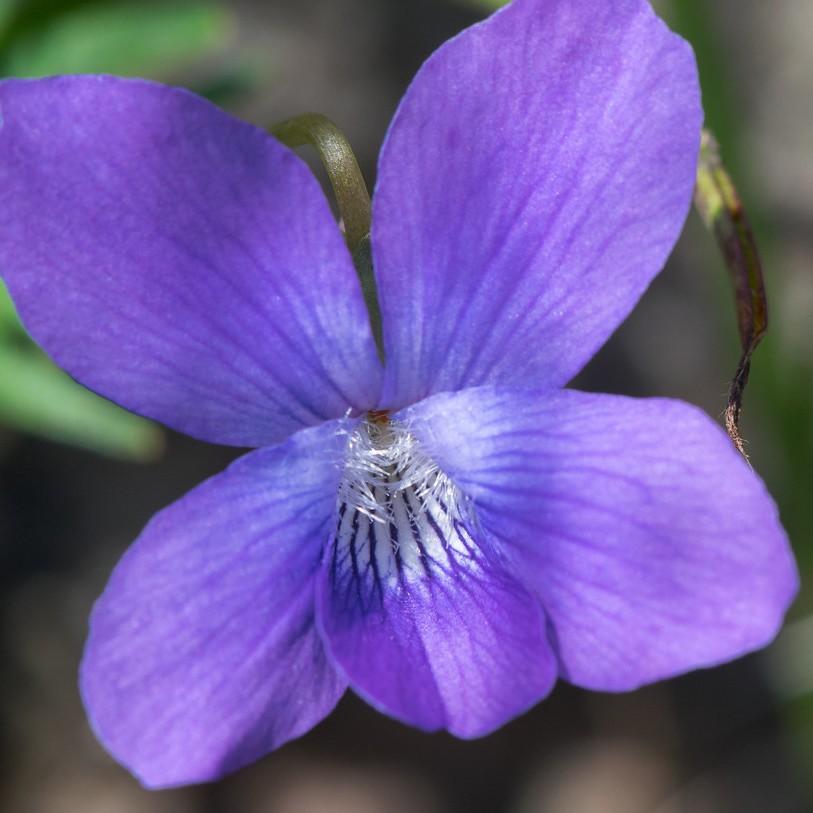
Larkspur Violet
Viola elatior
Overview
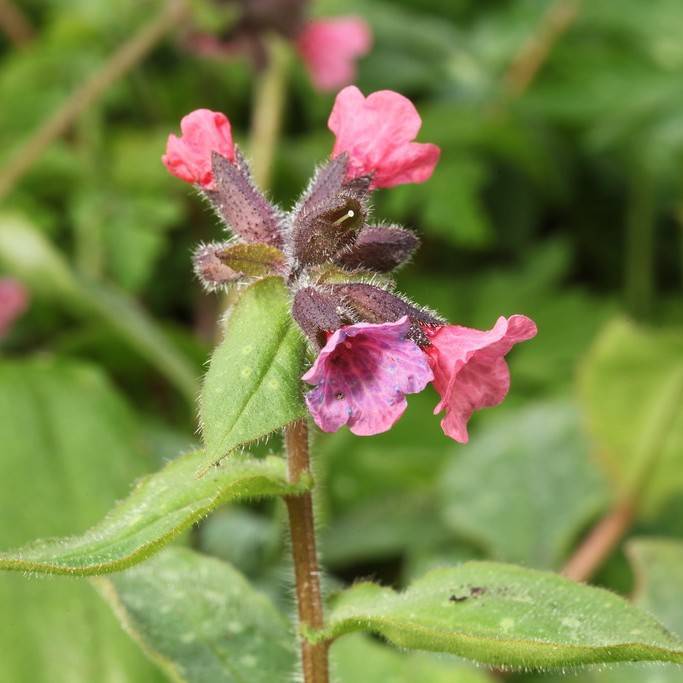
Larkspur violet, also called tall violet, is a herbaceous perennial distinguished by its upright growth habit and elongated spikes of delicate, pale to deep purple flowers that appear earlier than many other garden perennials. Unlike low-growing trailing violet species, it forms dense, mounding clumps of heart-shaped, dark green foliage that remains attractive through most of the growing season. It naturalizes gently in optimal conditions without becoming aggressively invasive, making it a popular choice for cottage gardens and woodland edges.
Care Guide
Watering
Keep soil consistently moist but not waterlogged, watering deeply whenever the top 1 inch of soil feels dry to the touch. Reduce watering frequency in winter when the plant is semi-dormant, allowing the top 2 inches of soil to dry out between sessions to prevent root rot. Avoid overhead watering to minimize fungal leaf spot issues, directing water at the base of the plant instead.
Light
Thrives in partial shade, receiving 3-6 hours of dappled or morning sunlight daily, with protection from harsh midday sun that can scorch leaves and cause blooms to fade prematurely. It can tolerate full sun in cooler climates with consistent moisture, but will require more frequent watering to prevent stress. Too much deep shade will reduce flowering and lead to leggy, sparse growth.
Soil
Prefers rich, well-draining loamy soil with a slightly acidic to neutral pH between 6.0 and 7.0, amended with organic matter such as compost or well-rotted leaf mold to improve moisture retention and nutrient content. Heavy clay soils should be amended with perlite or sand to enhance drainage, as standing water will quickly cause root rot. Sandy soils can be improved with added compost to increase water and nutrient holding capacity.
Fertilizer
Feed in early spring just as new growth emerges with a balanced, slow-release 10-10-10 fertilizer, applied at half the recommended strength to avoid burning tender new roots. A second light application can be given after the first flush of flowering finishes to support foliage health through the summer. Avoid fertilizing in late summer or fall, as this can encourage tender new growth that is damaged by early frost.
Temperature
Grows best in cool to moderate temperatures between 50-75°F (10-24°C), and is hardy in USDA zones 4 through 8, tolerating winter lows down to -30°F (-34°C) when established. It will go dormant and die back to the ground in areas with freezing winter temperatures, re-emerging vigorously in early spring. Extended periods of heat above 85°F (29°C) will cause the plant to go dormant early, so mulching around the base helps keep roots cool in warmer climates.
Pruning
Deadhead spent flower spikes regularly after blooming to encourage a possible second, lighter flush of flowers later in the season and prevent unwanted self-seeding if naturalization is not desired. Cut back yellowing or damaged foliage to the base of the plant throughout the growing season to maintain a tidy appearance and improve air circulation. In late fall after the first frost, cut back all dead foliage to ground level to reduce overwintering sites for pests and disease.
Propagation
Most easily propagated by division in early spring just as new growth emerges, or in fall after flowering finishes, carefully digging up clumps and separating them into smaller sections with healthy roots and at least one growing point each. It can also be grown from seed sown directly outdoors in fall, as the seeds require a period of cold stratification to germinate, or started indoors after 6-8 weeks of refrigeration. Root cuttings taken in late winter can also be successful, though division is the most reliable method for home gardeners.
Humidity
Adaptable to average ambient humidity levels between 40-60%, which is typical of most temperate garden and indoor environments. It does not require extra humidity, but extremely dry conditions can cause leaf edges to brown, so occasional misting may be beneficial in arid climates. Good air circulation around the foliage helps prevent fungal issues in areas with high humidity.
Repotting
If grown in containers, repot every 2-3 years in early spring before new growth begins, moving to a pot one size larger with fresh, nutrient-rich potting mix amended with compost. Ensure the pot has adequate drainage holes to prevent waterlogging, as larkspur violet is highly susceptible to root rot in saturated soil. When repotting, gently loosen tangled roots and remove any dead or rotted root sections to support healthy new growth.
Uses & Symbolism
Larkspur violet is primarily grown as an ornamental plant for cottage gardens, woodland borders, shade gardens, and container displays, where its tall purple flower spikes add vertical interest and early season color. It is sometimes used in pollinator gardens, as its early blooms provide an important nectar source for bees and butterflies in early spring when few other flowers are available. Historically, some cultures used small, diluted amounts of the plant for topical medicinal purposes, though its toxicity makes internal use unsafe.
Diseases & Pests
Common fungal issues include leaf spot, powdery mildew, and botrytis blight, which occur most often in overly moist conditions with poor air circulation; these can be prevented by avoiding overhead watering, spacing plants appropriately, and removing affected foliage immediately. Aphids, slugs, and snails are the most common pests, feeding on new growth and foliage; aphids can be controlled with insecticidal soap, while slugs and snails can be deterred with diatomaceous earth or beer traps. Root rot is a serious problem in poorly draining, waterlogged soil, which can kill the plant quickly if not addressed by improving drainage and reducing watering frequency.
Related plants
Other plants you might like if you grow Larkspur Violet.