Common Lungwort
Pulmonaria officinalis
Overview
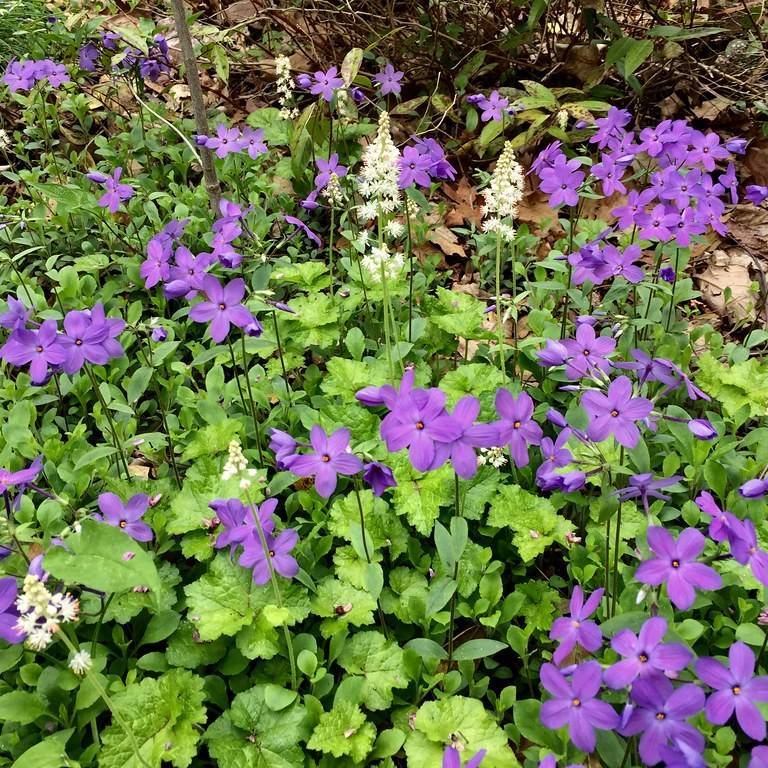
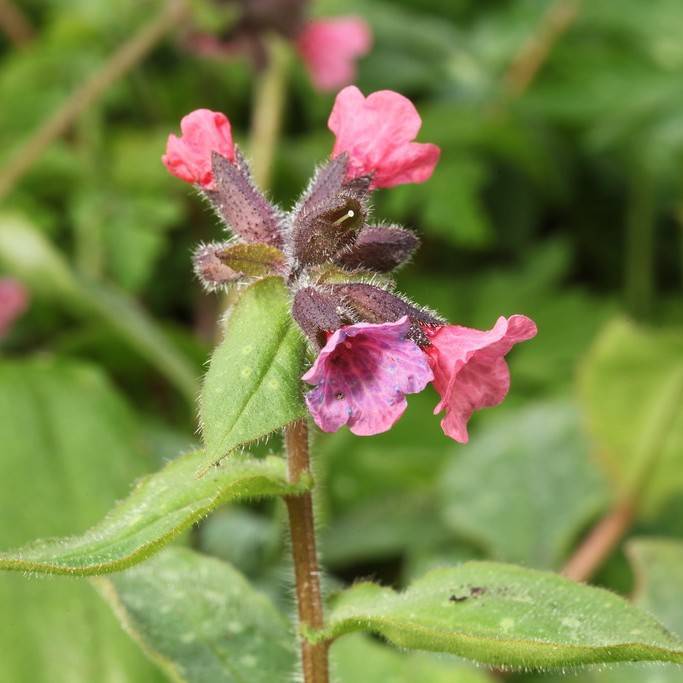
Common lungwort is a clumping, herbaceous perennial named for the historic belief its spotted leaves resembled lung tissue, making it a folk remedy for respiratory ailments. Its distinctive, hairy oval leaves are marked with irregular silver splotches that remain decorative long after flowering ends. In early spring, it produces clusters of nodding, bell-shaped flowers that open pink and fade to blue, creating a charming two-toned display. Adaptable to dappled shade, it is a popular choice for woodland gardens, border edges, and underplanting taller shrubs.
Care Guide
Watering
Keep soil consistently moist but not waterlogged, especially during periods of dry weather; established plants can tolerate short periods of drought but will perform best with regular watering. Avoid overhead watering where possible to reduce the risk of foliar diseases, directing water at the base of the plant instead. Reduce watering frequency in late fall and winter as the plant goes dormant.
Light
Thrives in partial to full shade, making it ideal for locations with dappled sunlight or only morning sun exposure. Too much direct sunlight will scorch leaves, cause fading of the silver variegation, and may lead to wilting during hot summer months. It can tolerate deep shade, though flowering may be less abundant in very low light conditions.
Soil
Prefers rich, well-draining soil with high organic matter content and a neutral to slightly alkaline pH, though it will adapt to mildly acidic soils as well. Amend heavy clay or sandy soils with compost, leaf mold, or well-rotted manure before planting to improve texture and nutrient content. Avoid waterlogged, compacted soils that can cause root rot.
Fertilizer
Feed in early spring just as new growth emerges with a balanced, slow-release granular fertilizer or a top dressing of well-rotted compost. Excess fertilization can lead to lush, weak foliage that is more prone to pest damage and may reduce the intensity of the leaf variegation, so avoid overfeeding. No additional fertilizer is needed during the rest of the growing season in nutrient-rich soils.
Temperature
Grows best in cool temperatures between 50-75°F (10-24°C), and is winter hardy in USDA zones 3 through 8. It will go dormant and die back to the ground in areas with cold winters, resprouting reliably in early spring. In regions with hot summers, provide extra shade and moisture to prevent the plant from going dormant prematurely.
Pruning
Snip off spent flower stems after blooming finishes to encourage denser foliage growth and prevent self-seeding if desired. Tidy up the plant in early spring by removing any dead, damaged, or browned leaves from the previous season to make way for new growth. If foliage becomes tattered or diseased mid-season, cut the entire plant back to the ground; it will quickly regrow fresh, healthy leaves.
Propagation
Most easily propagated by division in early spring just as new growth emerges, or in fall after flowering finishes, splitting mature clumps into smaller sections with a sharp knife and replanting immediately. It can also be grown from seed sown directly outdoors in fall or stratified and sown indoors in spring, though seed-grown plants may not retain the exact variegation pattern of the parent. Root cuttings taken in late winter can also be used for propagation, though division is the fastest and most reliable method.
Humidity
Tolerates average ambient humidity levels common in temperate regions, thriving in the slightly higher humidity found in woodland settings. Very dry air, particularly in hot, exposed locations, can cause leaf browning at the edges, so misting or placing a layer of organic mulch around the base can help retain moisture and raise local humidity. It does not require extra humidity when grown outdoors in suitable climates.
Repotting
When grown in containers, repot every 2-3 years in early spring, moving to a slightly larger pot with fresh, organic-rich potting mix. Ensure the pot has adequate drainage holes to prevent waterlogging, as lungwort is susceptible to root rot in saturated soil. Divide overcrowded clumps at repotting time to maintain vigorous growth and produce new plants.
Uses & Symbolism
Common lungwort is primarily grown as an ornamental ground cover for shade gardens, with its variegated foliage and early spring flowers providing interest long before many other perennials emerge. Historically, it was used in herbal medicine to treat coughs, asthma, and other respiratory conditions, though modern medical use is limited and it is not recommended for internal consumption without professional guidance. It is also highly attractive to early-emerging pollinators including bees and butterflies, making it a valuable addition to wildlife-friendly and pollinator gardens.
Diseases & Pests
Common lungwort is relatively pest and disease resistant, though it can be susceptible to powdery mildew in conditions of high humidity and poor air circulation, leading to a white, powdery coating on leaves. Slugs and snails are the most common pests, feeding on the tender young foliage in spring and leaving irregular holes in leaves; control with barriers, bait, or hand picking. Root rot may occur in poorly draining, waterlogged soils, so ensure proper soil drainage and avoid overwatering to prevent this issue.
Related plants
Other plants you might like if you grow Common Lungwort.