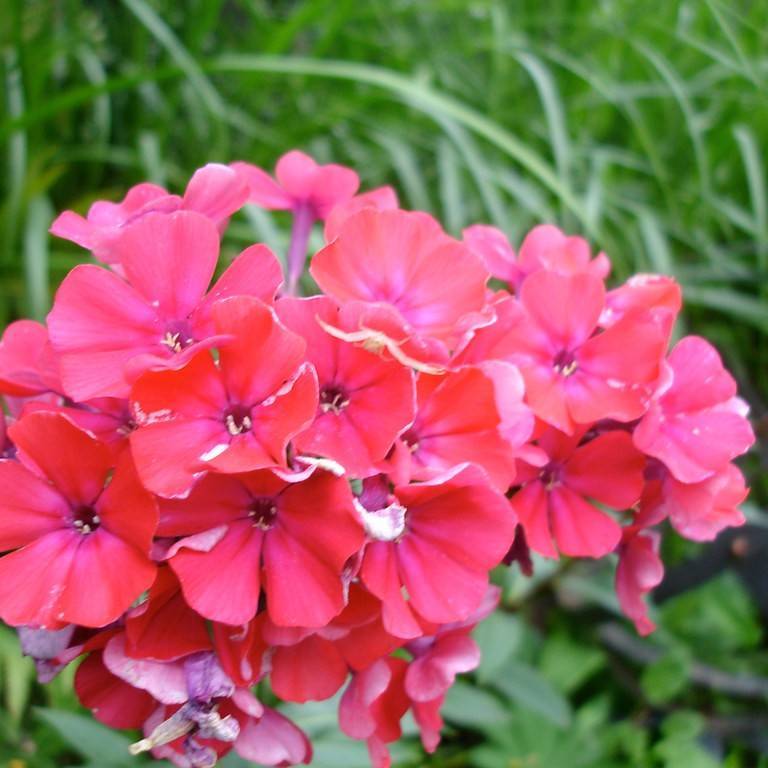
Garden Phlox
Phlox paniculata
Overview
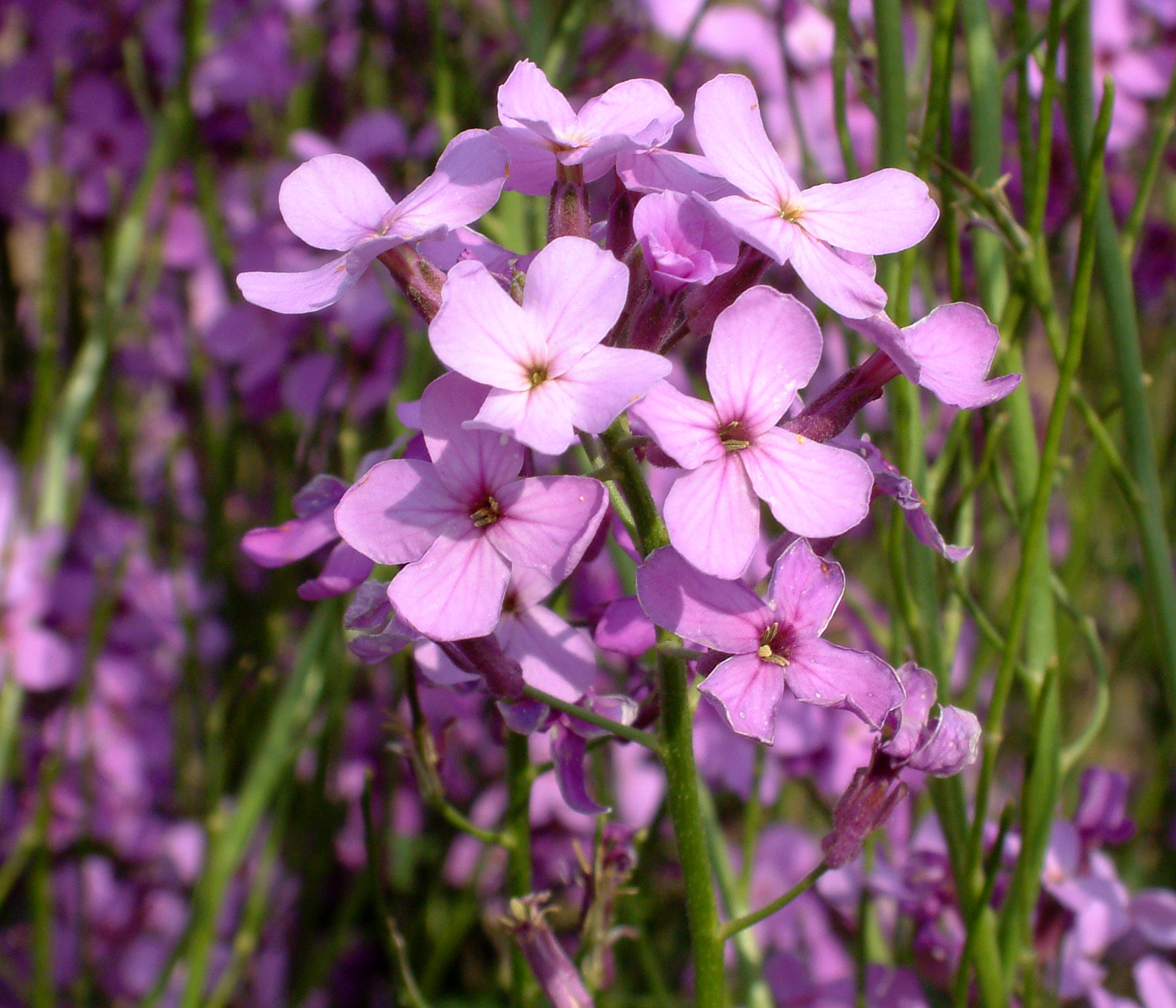
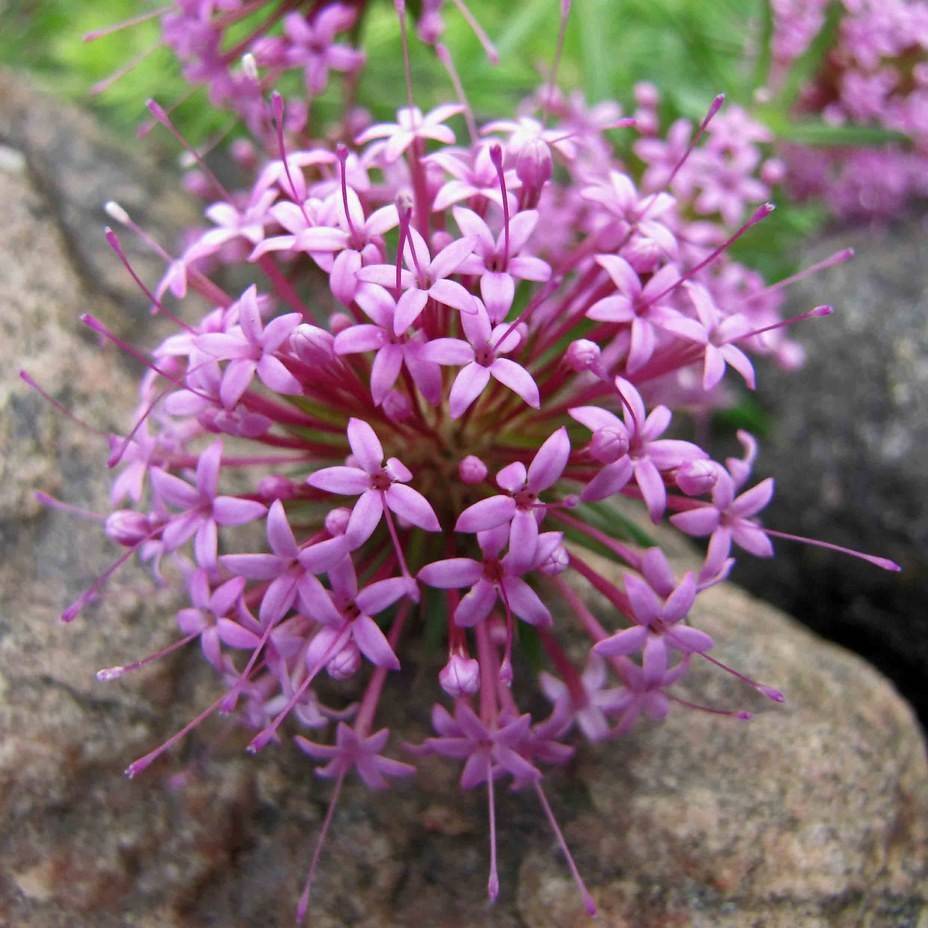
Garden phlox is a staple of temperate cottage gardens, forming upright, bushy clumps of lance-shaped, deep green foliage from mid-spring through fall. Its domed, 4-6 inch wide flower clusters bloom from mid to late summer, emitting a sweet, heady fragrance that attracts pollinators including butterflies, bees, and hummingbirds. Hundreds of cultivated varieties exist, offering bloom colors ranging from white, pink, and lavender to red, coral, and bicolored patterns, many with contrasting central eyes.
Care Guide
Watering
Garden phlox prefers consistent, evenly moist soil, requiring roughly 1 inch of water per week from rainfall or supplemental irrigation. Water at the base of the plant rather than overhead to minimize moisture on foliage, which can trigger powdery mildew outbreaks. Reduce watering frequency in late fall and winter once the plant goes dormant.
Light
This species thrives in full sun, which encourages the most abundant flowering and sturdy, upright growth that requires less staking. It can tolerate partial shade, particularly in regions with hot, intense midday summer sun, though too much shade will reduce bloom density and increase susceptibility to fungal diseases. Provide a minimum of 6 hours of direct sunlight daily for best performance.
Soil
Garden phlox grows best in rich, well-drained loamy soil with a neutral to slightly alkaline pH between 6.0 and 7.5. Amend heavy clay or sandy soils with compost or well-rotted manure before planting to improve moisture retention, drainage, and nutrient content. Avoid waterlogged soils, which can cause root rot and kill the plant over time.
Fertilizer
Feed established garden phlox in early spring just as new growth emerges, using a balanced, slow-release 10-10-10 fertilizer spread around the base of the clump. A second light application of diluted liquid fertilizer can be applied in early summer just as flower buds begin to form to support larger, longer-lasting blooms. Avoid over-fertilizing, as this can lead to lush, weak foliage that is more prone to fungal disease.
Temperature
Garden phlox is hardy in USDA zones 4 through 8, tolerating winter lows down to -30°F (-34°C) when the root zone is protected with a light layer of mulch. It thrives in summer temperatures between 65°F and 85°F (18°C and 29°C), though it may require extra watering during extended heatwaves to prevent wilting. In regions with hot, humid summers, select mildew-resistant cultivars to reduce disease pressure.
Pruning
Pinch back the top 1-2 inches of new growth in late spring when stems are 6-8 inches tall to encourage bushier, more compact growth and more flower stems. Deadhead spent flower clusters promptly after blooming to encourage a possible second lighter flush of flowers in early fall and prevent self-seeding if hybrid cultivars are grown. Cut all stems back to 1-2 inches above the soil line after the first hard frost in fall to remove overwintering fungal spores and pest eggs.
Propagation
The most common method of propagation is division, performed every 3-4 years in early spring or late fall to maintain plant vigor and reduce overcrowding. Dig up the entire clump, separate it into smaller sections with at least 3-5 healthy growth buds and a portion of the root system, and replant immediately at the same depth as the original plant. Garden phlox can also be grown from stem cuttings taken in early summer, rooted in moist potting mix under indirect light, though cuttings from hybrid cultivars may not retain the exact characteristics of the parent plant.
Humidity
This species prefers moderate to high humidity levels between 40% and 70%, which support healthy foliage and abundant flowering. Good air circulation around the plant is critical in high-humidity environments to reduce the risk of powdery mildew and other fungal leaf diseases. Avoid planting garden phlox in crowded, low-lying areas where stagnant, moist air can linger for extended periods.
Repotting
Garden phlox is primarily grown in landscape beds, but if planted in containers, repot every 2-3 years in early spring before new growth emerges. Choose a pot that is 2-3 inches larger in diameter than the current container, with ample drainage holes to prevent waterlogging. Use a high-quality, nutrient-rich potting mix amended with compost, and plant the root ball at the same depth it was growing in the previous container to avoid stem rot.
Uses & Symbolism
Garden phlox is a popular choice for perennial borders, cottage gardens, and pollinator gardens, where its vibrant, fragrant blooms add long-lasting summer color and support local beneficial insect populations. Its long, sturdy stems and long vase life make it an excellent cut flower for fresh floral arrangements, with blooms lasting up to 10 days in water when cut just as the first buds in the cluster open. Taller varieties can be planted as a temporary, colorful summer screen or backdrop for shorter flowering plants in mixed garden beds.
Diseases & Pests
Powdery mildew is the most common and problematic disease affecting garden phlox, appearing as a white, powdery coating on foliage in warm, humid conditions with poor air circulation; this can be mitigated by planting mildew-resistant cultivars, spacing plants appropriately, and avoiding overhead watering. Spider mites and aphids are common sap-sucking pests that can infest foliage, causing yellowing and stunted growth, and can be controlled with insecticidal soap or neem oil applications. Root rot can occur in poorly drained, waterlogged soils, so ensure proper soil amendment and avoid overwatering to prevent this fatal condition.
Related plants
Other plants you might like if you grow Garden Phlox.