Forget Me Not
Myosotis sylvatica
Overview
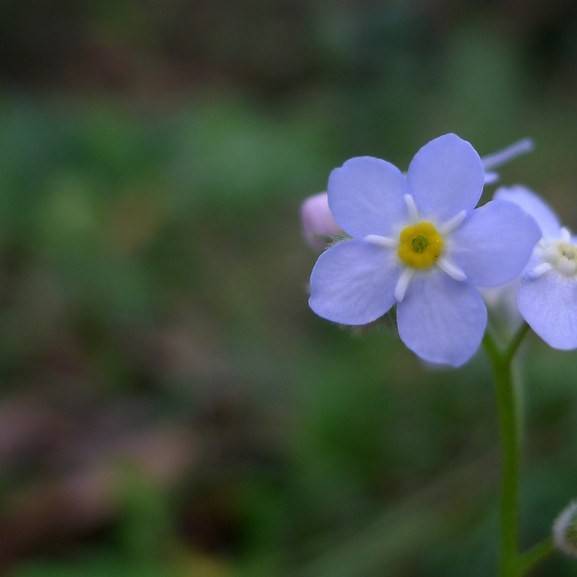
Forget-me-nots are beloved for their dainty, five-petaled blue blooms that appear en masse in spring, occasionally sporting white or pink natural variations. They thrive in cool, moist environments, often self-seeding generously to form soft, spreading carpets of foliage and flowers in ideal conditions. Their common name derives from ancient folklore linking the flower to remembrance, enduring love, and loyalty across many cultures.
Care Guide
Watering
Keep soil consistently moist but not waterlogged, watering 1-2 times per week during dry periods to prevent wilting. Avoid overhead watering to reduce the risk of foliar diseases, directing water at the base of the plant instead. Reduce watering frequency in fall and winter once the plant has finished blooming and enters dormancy.
Light
Grow best in partial shade, receiving 3-6 hours of dappled or morning sunlight per day for optimal flowering. They can tolerate full sun in cooler climates with consistent moisture, but will scorch easily in hot, intense afternoon sun. In warmer regions, plant them in full shade to protect them from excessive heat.
Soil
Prefer rich, loamy, well-draining soil with a slightly acidic to neutral pH between 6.0 and 7.0. Amend heavy clay soils with compost or peat moss to improve drainage and aeration before planting. They can adapt to poorer soils as long as moisture retention is sufficient and drainage is not compromised.
Fertilizer
Fertilize once in early spring with a balanced, slow-release 10-10-10 fertilizer diluted to half strength to support healthy foliage and bloom production. Avoid over-fertilizing, as excess nitrogen will encourage lush leaf growth at the expense of flowers. No additional fertilizer is needed for the remainder of the growing season.
Temperature
Thrive in cool temperatures between 60-70°F (15-21°C), and can tolerate light frosts down to 20°F (-7°C) without damage. They do not tolerate high heat well, and will die back once summer temperatures consistently exceed 80°F (27°C). In warm climates, they are often grown as cool-season annuals planted in fall for spring bloom.
Pruning
Deadhead spent blooms regularly to encourage extended flowering and prevent excessive self-seeding if you wish to control spread. Once plants have finished blooming for the season, you can cut back foliage to the ground to tidy up the garden bed. If you want plants to self-seed, leave a portion of spent flower heads to mature and release seed.
Propagation
Most commonly propagated from seed, which can be sown directly outdoors in late fall or early spring, or started indoors 8-10 weeks before the last frost date. Seeds require light to germinate, so press them gently into the soil surface without covering them. Established self-seeded plants can also be carefully divided in early spring and transplanted to new locations.
Humidity
Prefer moderate humidity levels between 40-60%, which is typical of most temperate spring environments. They do not require supplemental humidity in outdoor settings, but indoor potted specimens may benefit from occasional misting in very dry air. Avoid excessively high, stagnant humidity, which can increase the risk of fungal diseases.
Repotting
Potted forget-me-nots rarely need repotting during their short biennial lifespan, as they have shallow, compact root systems. If you are growing them in containers, use a pot with drainage holes filled with high-quality potting mix at planting time. Discard plants after they finish blooming, as they will not regrow for a third season.
Uses & Symbolism
Forget-me-nots are popular ornamental plants for cottage gardens, woodland borders, rock gardens, and ground cover in shady, moist areas, where their soft blue blooms complement spring bulbs and other shade-loving perennials. They are frequently included in memorial gardens and used in wedding bouquets and floral arrangements to symbolize remembrance and enduring love. Their small flowers are also a valuable early spring nectar source for pollinators including bees, butterflies, and hoverflies.
Diseases & Pests
The most common pests affecting forget-me-nots are aphids, which suck sap from new growth, and slugs and snails, which feed on tender foliage during cool, wet weather. Fungal diseases including powdery mildew, downy mildew, and rust can occur in overly humid conditions or if plants are spaced too closely with poor air circulation. Root rot may develop if plants are grown in poorly draining, waterlogged soil for extended periods.
Related plants
Other plants you might like if you grow Forget Me Not.
%22%2F%3E%0A%20%20%20%20%20%20%3Ccircle%20cx%3D%22920%22%20cy%3D%22180%22%20r%3D%2290%22%20fill%3D%22%23cfe8d5%22%2F%3E%0A%20%20%20%20%20%20%3Cpath%20d%3D%22M600%20590c-90-180-215-255-310-280%200%20165%20118%20296%20270%20296h40z%22%20fill%3D%22%2379b88e%22%2F%3E%0A%20%20%20%20%20%20%3Cpath%20d%3D%22M600%20590c80-150%20198-212%20302-228-8%20142-123%20255-270%20255h-32z%22%20fill%3D%22%235c9f73%22%2F%3E%0A%20%20%20%20%20%20%3Cpath%20d%3D%22M600%20610V360%22%20stroke%3D%22%234f8c64%22%20stroke-width%3D%2218%22%20stroke-linecap%3D%22round%22%2F%3E%0A%20%20%20%20%20%20%3Ctext%20x%3D%22600%22%20y%3D%22700%22%20text-anchor%3D%22middle%22%20font-family%3D%22Arial%2C%20sans-serif%22%20font-size%3D%2244%22%20fill%3D%22%23365c45%22%3E%0A%20%20%20%20%20%20%20%20Plant%20image%20coming%20soon%0A%20%20%20%20%20%20%3C%2Ftext%3E%0A%20%20%20%20%3C%2Fsvg%3E%0A%20%20)