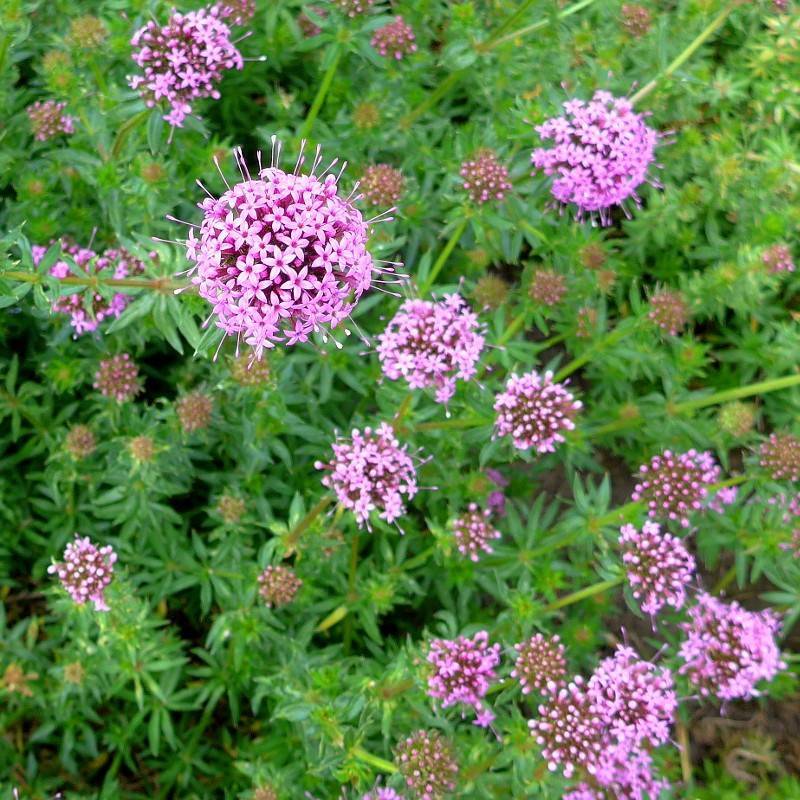
Large Styled Crosswort
Cruciata laevipes
Overview
Large Styled Crosswort, also called smooth bedstraw, is a creeping herb recognizable by its whorls of 4–6 oval, bright green leaves that give it a distinct cross-shaped appearance from above. From late spring to mid-summer, it produces dense clusters of tiny, four-petaled pale yellow flowers that emit a subtle, honey-like fragrance, attracting pollinators such as bees and small butterflies. It spreads via creeping rhizomes and self-seeding, forming dense, low mats that make it a gentle ground cover in informal garden settings.
Care Guide
Watering
Water regularly to keep soil consistently moist but not waterlogged, especially during extended dry periods; it tolerates brief drought once established but will grow more vigorously with consistent moisture. Avoid overwatering, as soggy soil can cause rhizome rot, particularly in heavy clay soils with poor drainage.
Light
Thrives in partial shade, such as dappled light under deciduous trees, but can adapt to full sun in cooler climates if soil moisture is maintained. Full, intense sun in hot regions will scorch leaves and slow growth, so provide afternoon shade in warmer growing zones.
Soil
Grows best in well-drained, loamy or sandy soil with a neutral to slightly alkaline pH, though it tolerates mildly acidic conditions. It will grow in poor, low-nutrient soils as long as drainage is adequate, but it struggles in heavy, compacted clay that holds excess water.
Fertilizer
Requires very little fertilizer; an annual light application of balanced, slow-release fertilizer in early spring is sufficient for healthy growth. Over-fertilization will cause excessive, leggy foliage growth at the expense of flowers and may reduce its natural low-growing, mat-forming habit.
Temperature
Prefers cool temperate climates with average summer temperatures between 60–75°F (15–24°C), and is hardy to USDA zones 4–8, tolerating winter temperatures as low as -30°F (-34°C) when established. It does not perform well in high heat and humidity above 85°F (29°C), and may go semi-dormant during extended summer heatwaves.
Pruning
Trim back foliage by up to one-third after flowering finishes to encourage fresh, compact new growth and prevent unwanted self-seeding if you wish to limit its spread. Remove any dead or yellowed foliage in early spring before new growth emerges to keep the planting looking neat and reduce the risk of fungal disease.
Propagation
Easiest to propagate by dividing established rhizome clumps in early spring or late autumn, ensuring each division has several healthy roots and growing points. It can also be grown from seed sown directly outdoors in autumn or cold-stratified for 4–6 weeks before sowing in spring; seeds germinate reliably in cool, moist soil.
Humidity
Tolerates average temperate humidity levels between 40–60% naturally found in its native range, and does not require additional humidity when grown outdoors. High humidity combined with poor air circulation can increase the risk of powdery mildew on foliage, so space plants to allow for adequate airflow.
Repotting
Rarely repotted, as it is primarily grown as an outdoor garden plant; if grown in containers, repot every 2–3 years in early spring to refresh soil and prevent rhizomes from becoming root-bound. Choose a wide, shallow container with ample drainage holes to accommodate its spreading root system, and use a well-drained loamy potting mix.
Uses & Symbolism
It is often planted as a low, informal ground cover in wildflower gardens, woodland edges, and pollinator habitats, as its flowers provide a valuable nectar source for early-season bees and small pollinators. Historically, it was used in traditional folk medicine to treat minor wounds, digestive issues, and rheumatism, though modern medicinal use is limited. It is also a useful component of seed mixes for meadow restoration projects, as it grows well alongside other native grassland species without outcompeting them.
Diseases & Pests
It is relatively pest and disease resistant, but may develop powdery mildew or leaf spot in humid, poorly ventilated conditions, which can be managed by improving air circulation and avoiding overhead watering. Slugs and snails may occasionally feed on young tender foliage, especially in damp, shaded spots; control with organic bait or barriers if damage becomes significant. Root rot can occur in waterlogged, heavy soil, so ensure proper drainage at planting time to prevent this issue.
Related plants
Other plants you might like if you grow Large Styled Crosswort.