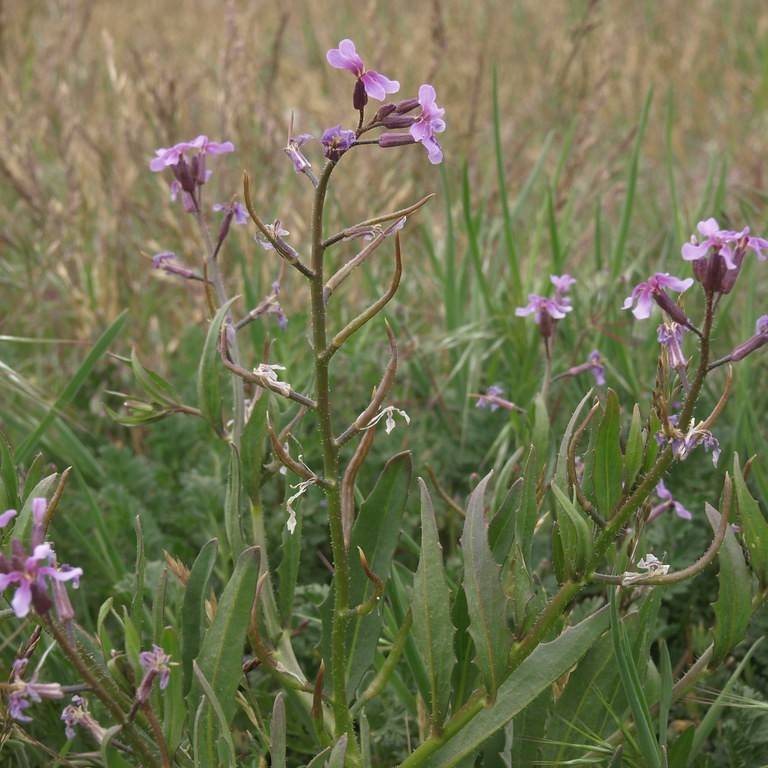
Blue Mustard
Chorispora tenella
Overview
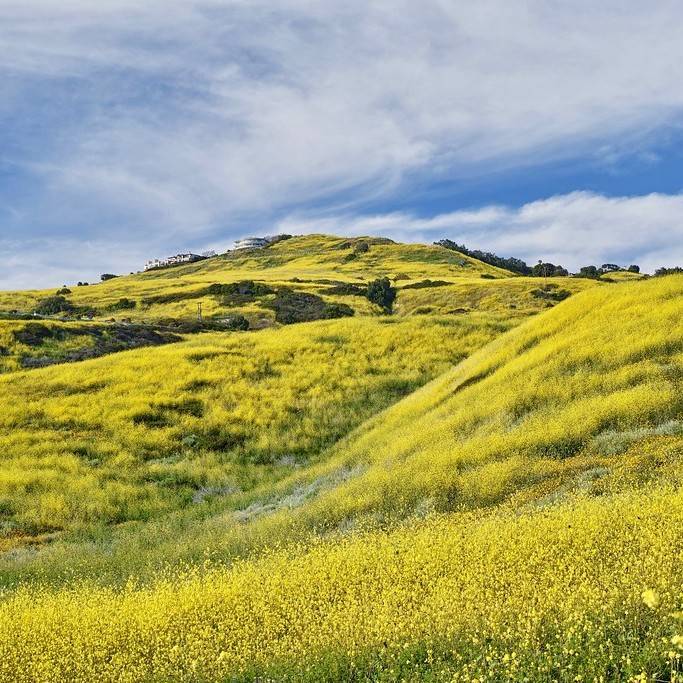
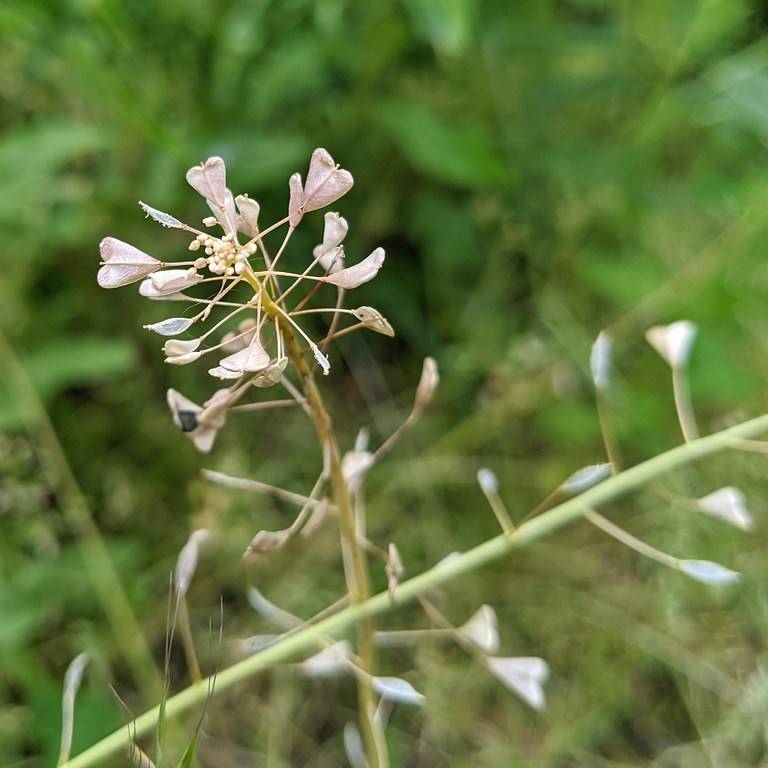
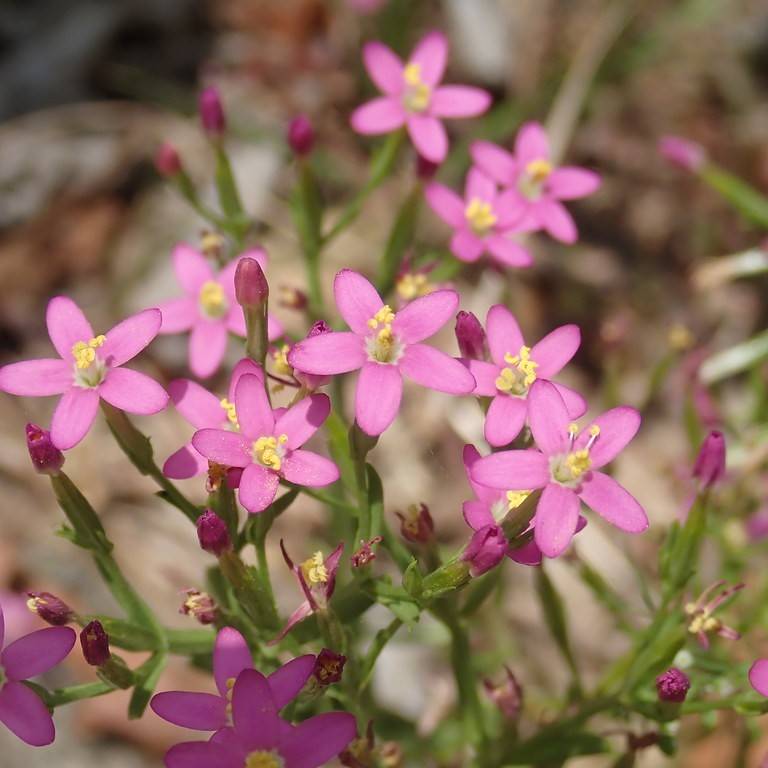
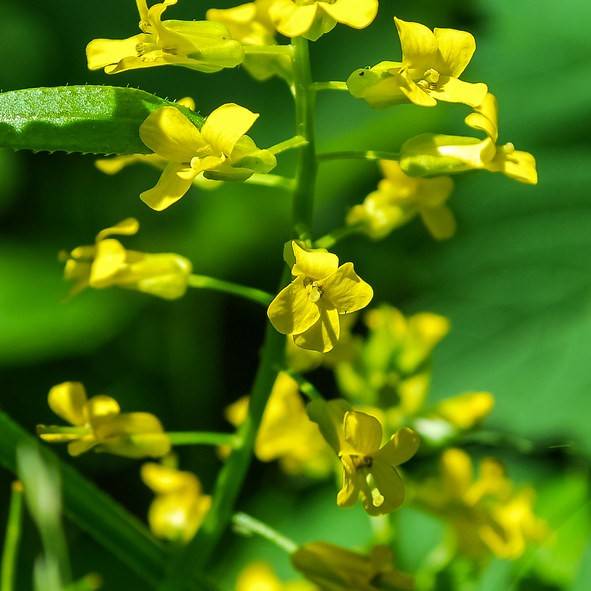
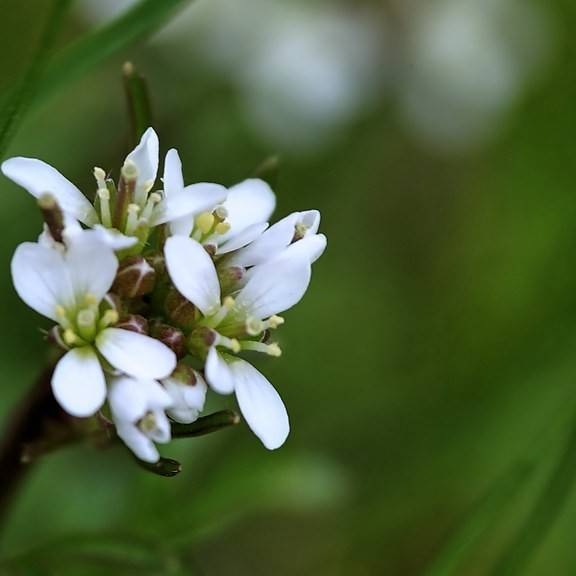
Blue mustard, also called purple mustard or crossflower, is a cool-season annual that thrives in disturbed soils, often colonizing roadsides, agricultural fields, and waste areas. Its delicate four-petaled blue-purple flowers bloom in early spring, emitting a subtle, sweet, clove-like fragrance that draws early-emerging pollinators like solitary bees and hoverflies. While classified as an invasive weed in some North American regions where it outcompetes native spring ephemerals, it is also cultivated on a small scale for culinary and ecological uses.
Care Guide
Watering
Blue mustard is drought-tolerant once established, requiring only occasional supplemental water during extended dry periods in spring; overwatering can lead to root rot and fungal leaf spot. Allow the top 1-2 inches of soil to dry out completely between waterings, and avoid wetting the foliage when irrigating to reduce disease risk. In garden settings, natural spring rainfall is usually sufficient to support healthy growth unless conditions are abnormally arid.
Light
This species grows best in full, direct sunlight, requiring a minimum of 6 hours of unobstructed light per day to produce abundant foliage and flowers. It can tolerate partial shade, but plants grown in low light will become leggy, produce fewer blooms, and have a weaker, less flavorful leaf profile. For indoor cultivation, place plants near a south-facing window or under grow lights set to 12-14 hour daily cycles.
Soil
Blue mustard adapts to a wide range of soil types, from sandy loam to heavy clay, as long as the substrate has good drainage to prevent standing water around the root system. It tolerates moderately alkaline to slightly acidic pH levels, ranging from 6.0 to 8.5, and does not require highly fertile soil to thrive. For potted cultivation, a standard all-purpose potting mix mixed with 10% perlite to improve drainage works perfectly.
Fertilizer
This low-maintenance plant rarely requires supplemental fertilization, as it can obtain all necessary nutrients from average garden soil. If grown in extremely poor, nutrient-depleted soil, a single application of balanced 10-10-10 granular fertilizer at half strength in early spring will support healthy growth without encouraging excessive, leggy foliage. Over-fertilization will lead to lush, bitter-tasting leaves and reduced flower production.
Temperature
Blue mustard is a cool-season annual that germinates best in soil temperatures between 40-50°F (4-10°C) in late fall or early spring. Mature plants can tolerate light frosts down to 25°F (-4°C) without damage, but will bolt, set seed, and die once temperatures consistently exceed 80°F (27°C) in late spring. It does not tolerate extreme heat, so it cannot be grown as a summer crop in warm climate regions.
Pruning
Pruning is rarely required for blue mustard, but you can snip off spent flower heads if you wish to prevent self-seeding and unwanted spread in garden beds. Regularly harvesting young outer leaves will encourage the plant to produce new, tender foliage, extending the harvest window before bolting occurs. Once plants begin to bolt and produce flower stalks, you can pull the entire plant and add it to compost if you do not plan to collect seeds.
Propagation
Blue mustard propagates exclusively from seed, which can be directly sown outdoors in late fall 4-6 weeks before the first expected frost, or in early spring as soon as the soil can be worked. Scatter seeds lightly on the soil surface and cover with 1/8 inch of fine soil, as seeds require light to germinate, which usually occurs within 7-14 days under cool, moist conditions. Plants readily self-seed in optimal growing conditions, producing volunteer seedlings the following growing season.
Humidity
Blue mustard adapts well to a wide range of humidity levels, thriving in both arid and moderately humid spring environments, as long as there is adequate air circulation around foliage. High humidity combined with warm temperatures can increase the risk of fungal diseases like downy mildew, so avoid overcrowding plants and ensure proper spacing to allow air flow. It does not require supplemental humidity when grown indoors, and tolerates the dry air of heated homes well during early spring growth.
Repotting
Since blue mustard is a fast-growing annual with a shallow root system, it rarely needs repotting if sown in a container of adequate size at planting time. If growing in a pot, choose a container at least 6 inches deep with drainage holes to accommodate root growth, and avoid disturbing the root system once plants are established. Once plants finish flowering and set seed, they will die back naturally, so repotting is unnecessary during their short lifecycle.
Uses & Symbolism
Young, tender blue mustard leaves have a mild, peppery, mustard-like flavor and are used raw in salads, added to stir-fries, or pickled as a tangy, nutrient-dense green. Its early spring flowers provide a critical nectar source for native pollinators emerging after winter, making it a valuable addition to pollinator gardens in regions where it is not considered invasive. In some traditional Central Asian cuisines, the seeds are ground into a mild mustard condiment, and the whole plant is used as a forage crop for livestock in low-fertility rangelands when consumed in moderation.
Diseases & Pests
Blue mustard is relatively resistant to most pests and diseases, but can be affected by aphids, which cluster on new growth and suck sap, leading to distorted leaves; these can be controlled with a strong jet of water or insecticidal soap. In high-humidity conditions, it may develop downy mildew or white rust, fungal diseases that cause yellow or white lesions on foliage; prevent these by avoiding overhead watering and ensuring adequate air circulation between plants. It is also a host for the cabbage root maggot and flea beetles, common pests of other brassica crops, so avoid planting it near cabbage, broccoli, or cauliflower if you are managing pest populations in a vegetable garden.
Related plants
Other plants you might like if you grow Blue Mustard.