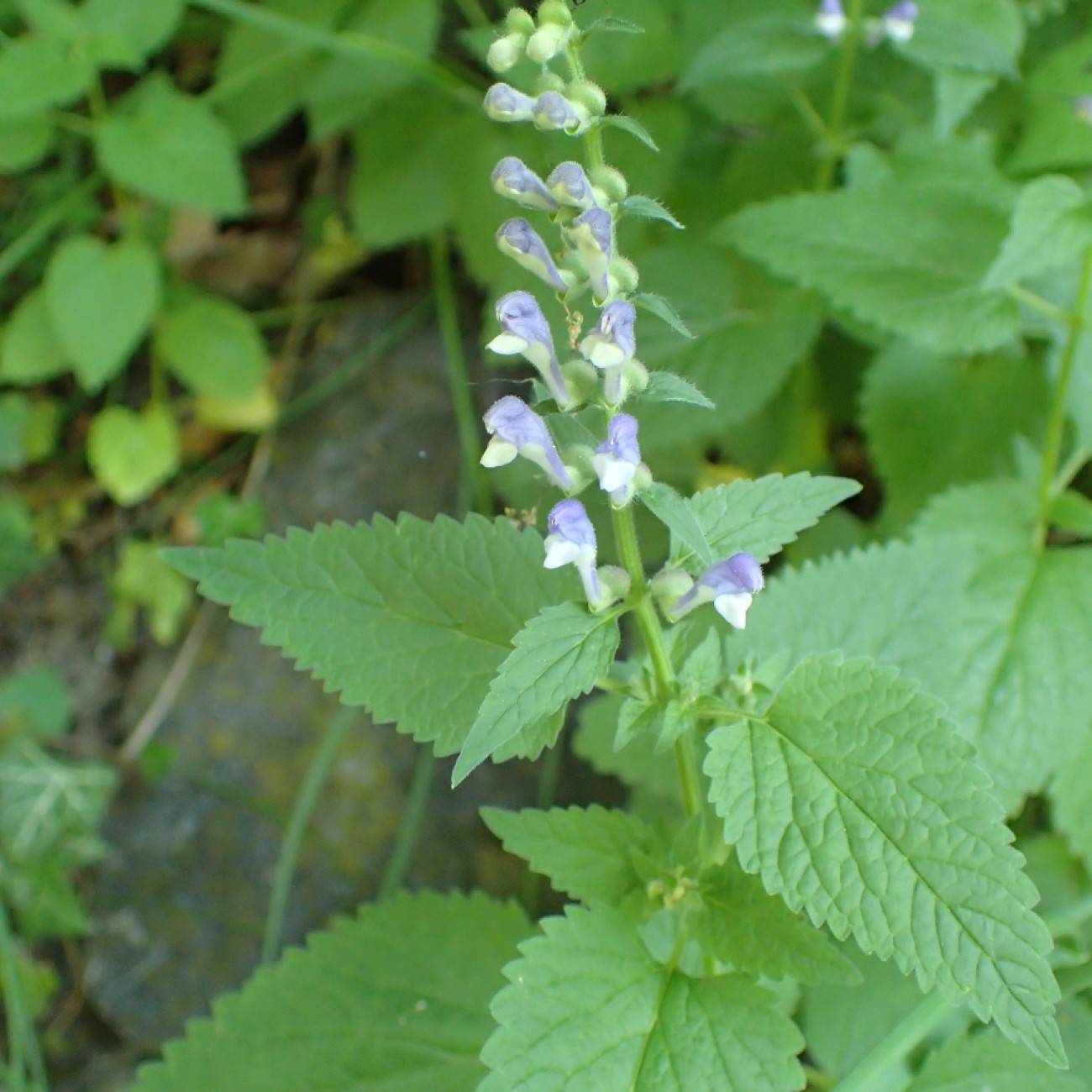
Heart Leaved Skullcap
Scutellaria ovata
Overview
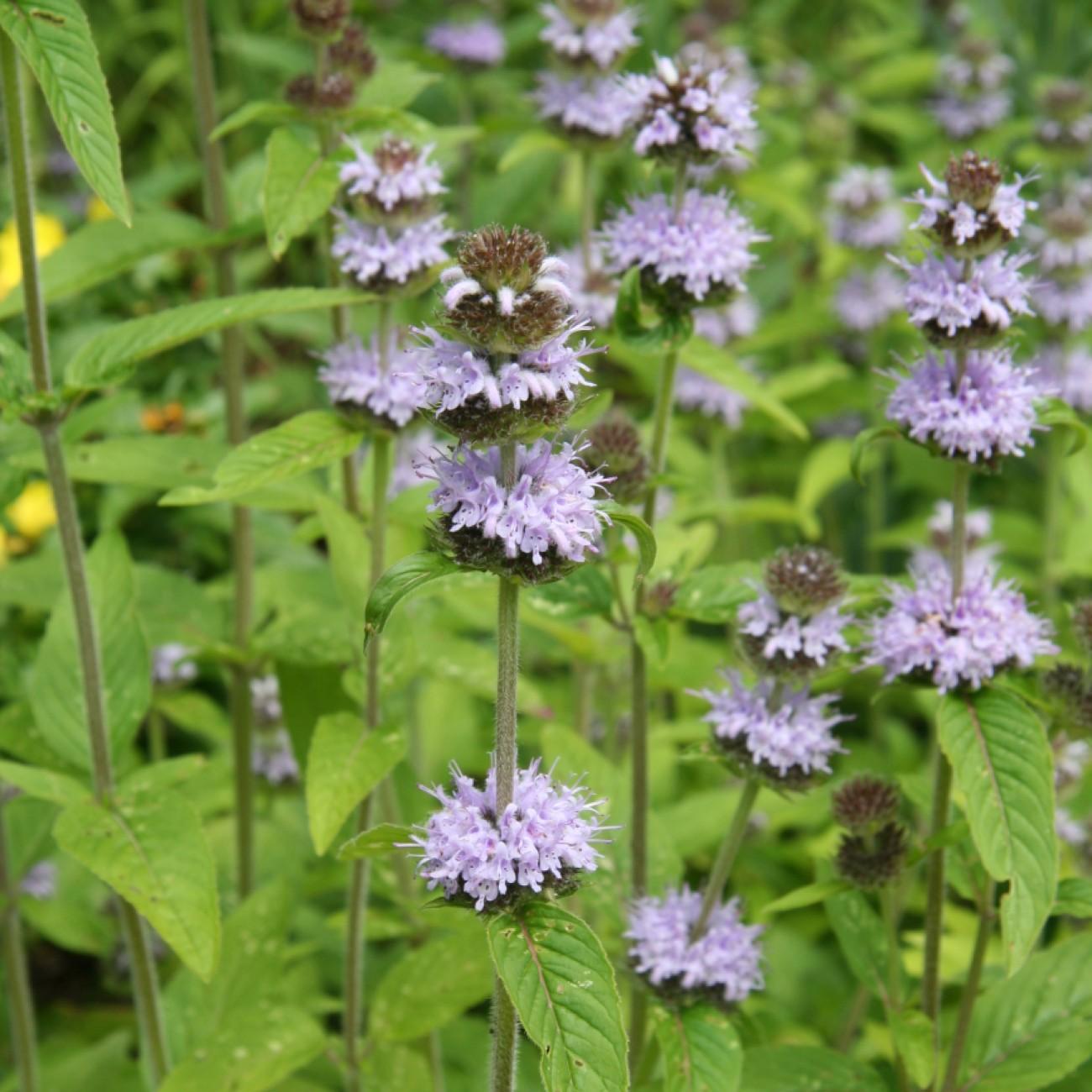
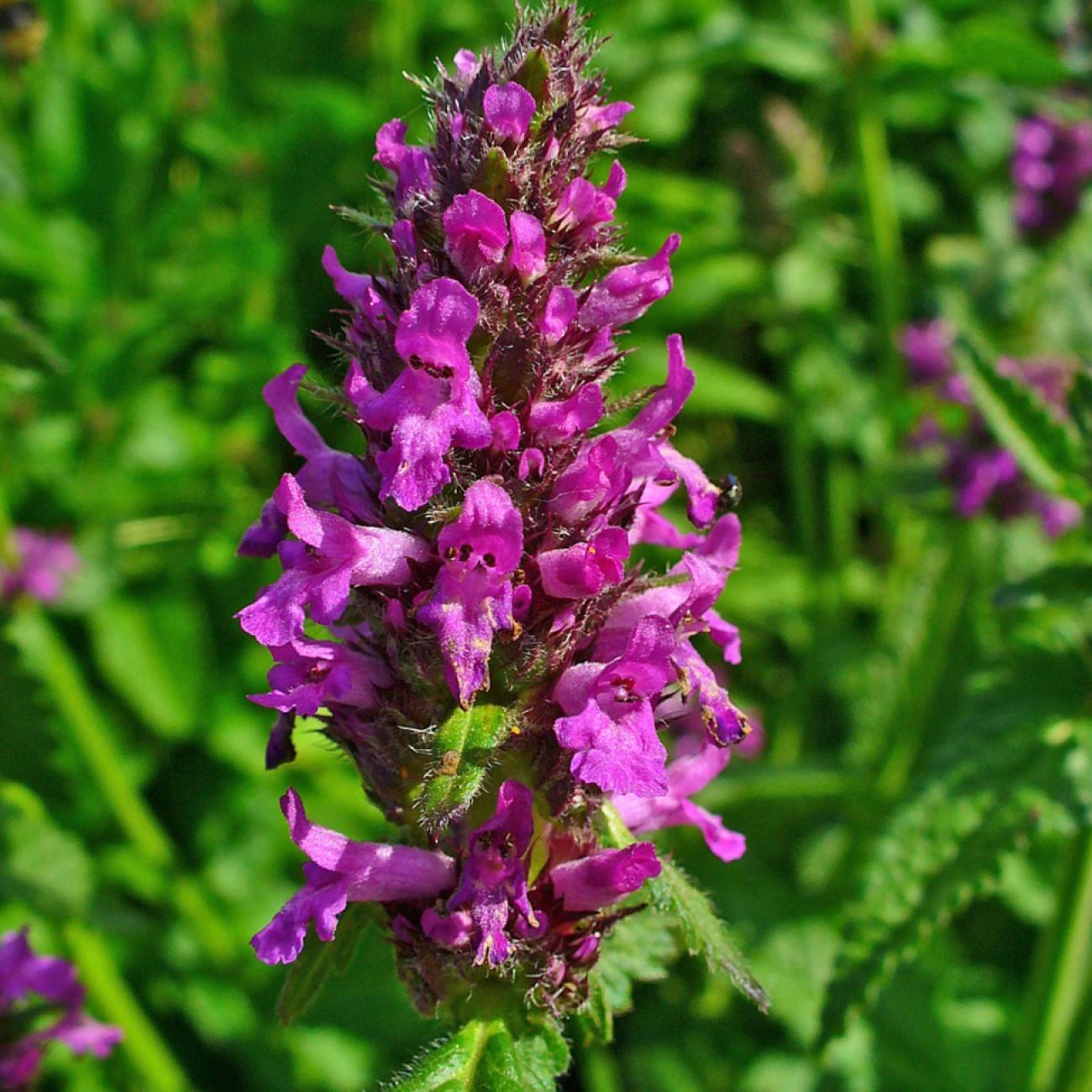
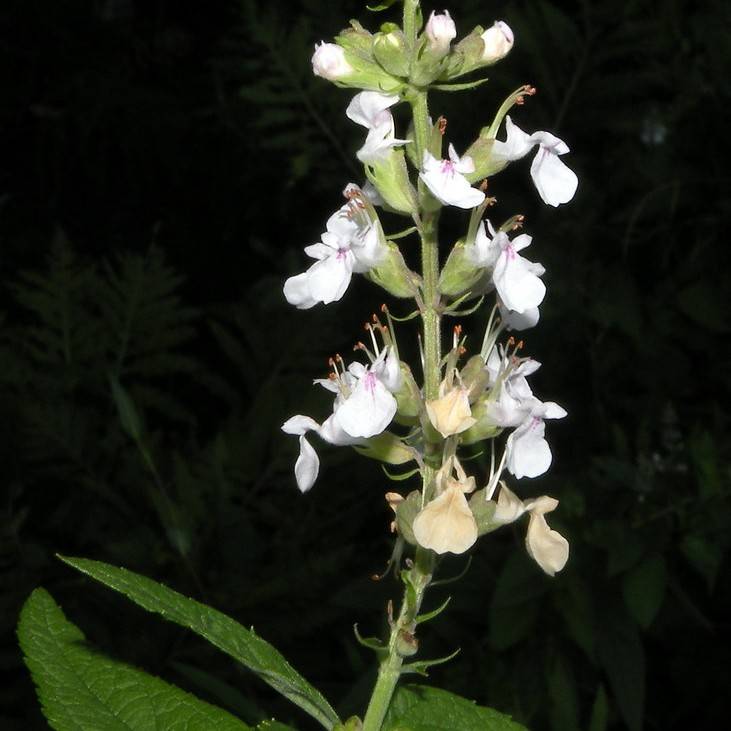
Heart Leaved Skullcap thrives in open woodlands, prairies, and rocky slopes across its native range, where it supports native pollinators including bumblebees and solitary bees. Its common name refers to the tiny, skull-shaped calyx that remains on the stem after flowers drop, a defining trait of the Scutellaria genus. The plant spreads slowly via short rhizomes to form loose clumps, making it a non-aggressive addition to wildflower and native plant gardens.
Care Guide
Watering
Water regularly during the first growing season to establish a deep, extensive root system, keeping soil consistently moist but not waterlogged. Once established, Heart Leaved Skullcap is moderately drought tolerant, requiring supplemental water only during extended periods of hot, dry weather. Avoid overhead watering to reduce the risk of foliar fungal diseases.
Light
Grows best in partial shade, where it receives 3-6 hours of direct sunlight per day, particularly morning sun with afternoon shade in hotter climates. It can tolerate full sun in cooler regions if provided with consistent moisture, but intense midday sun may scorch its leaves and reduce flowering. In deep shade, the plant may become leggy and produce fewer blooms.
Soil
Prefers well-drained, loamy or sandy soil with a neutral to slightly alkaline pH, though it adapts to a wide range of soil types including rocky or clay soils as long as drainage is adequate. It will not survive in consistently saturated, heavy clay soils that cause root rot. Amending heavy soil with organic matter such as compost or leaf mold will improve drainage and support healthier growth.
Fertilizer
Generally requires little to no fertilization, as it thrives in low to moderately fertile soils typical of its native habitat. Over-fertilization will cause excessive, leggy foliage growth at the expense of flower production. If grown in very poor soil, apply a thin layer of compost around the base of the plant in early spring to provide mild, slow-release nutrients.
Temperature
Hardy in USDA zones 4 through 8, tolerating winter temperatures as low as -30°F (-34°C) when established. It prefers moderate summer temperatures between 60-85°F (16-29°C), and may go dormant early if exposed to prolonged temperatures above 90°F (32°C) without sufficient moisture. Frost will kill back above-ground foliage, which can be cut to the ground in late fall or early spring.
Pruning
Prune back spent flower spikes after blooming to encourage a tidier growth habit and may promote a second, smaller flush of flowers in late summer. Cut back all dead foliage to the ground in late fall after the first frost, or leave it in place over winter to provide habitat for beneficial insects and protect the crown from extreme temperature fluctuations. Thin out overcrowded clumps every 3-4 years in early spring to improve air circulation and reduce disease risk.
Propagation
Most easily propagated by dividing established clumps in early spring before new growth emerges, or in fall after flowering has finished. It can also be grown from seed sown directly outdoors in fall, or stratified in the refrigerator for 30-60 days before sowing indoors in late winter for spring transplanting. Stem cuttings taken from new, soft growth in late spring or early summer will root readily in moist potting mix with high humidity.
Humidity
Adaptable to average ambient humidity levels between 40-60% common in its native range, requiring no special humidity adjustments when grown outdoors. In very arid climates, occasional misting or placing a layer of mulch around the base of the plant will help retain soil moisture and support modestly higher local humidity. High humidity combined with poor air circulation may increase the risk of powdery mildew on foliage.
Repotting
Rarely grown in containers, but if potted, repot every 2-3 years in early spring before new growth begins, using a well-drained potting mix amended with perlite or sand to improve drainage. Select a pot with ample drainage holes that is 1-2 inches larger in diameter than the current root ball to avoid excess soil moisture around the roots. After repotting, water thoroughly and place the plant in partial shade until new growth appears, indicating it has acclimated.
Uses & Symbolism
Heart Leaved Skullcap is a popular addition to native plant gardens, pollinator gardens, and woodland edges, where it provides a reliable nectar source for native bees and other beneficial insects. It has a long history of use in traditional Indigenous medicine as a mild nervine to support relaxation and reduce anxiety, though modern clinical research on its efficacy is limited. Its attractive foliage and long bloom period also make it suitable for low-maintenance cottage gardens and naturalized landscapes.
Diseases & Pests
Heart Leaved Skullcap is relatively pest and disease resistant, but may develop powdery mildew on foliage in conditions of high humidity and poor air circulation. Root rot can occur if the plant is grown in heavy, poorly drained soil that remains saturated for extended periods. Occasional pests include aphids and spider mites, which can be controlled with insecticidal soap or a strong spray of water to dislodge them from foliage.
Related plants
Other plants you might like if you grow Heart Leaved Skullcap.