Dense Longwood Thyme
Thymus serpyllum 'Dense Longwood'
Overview
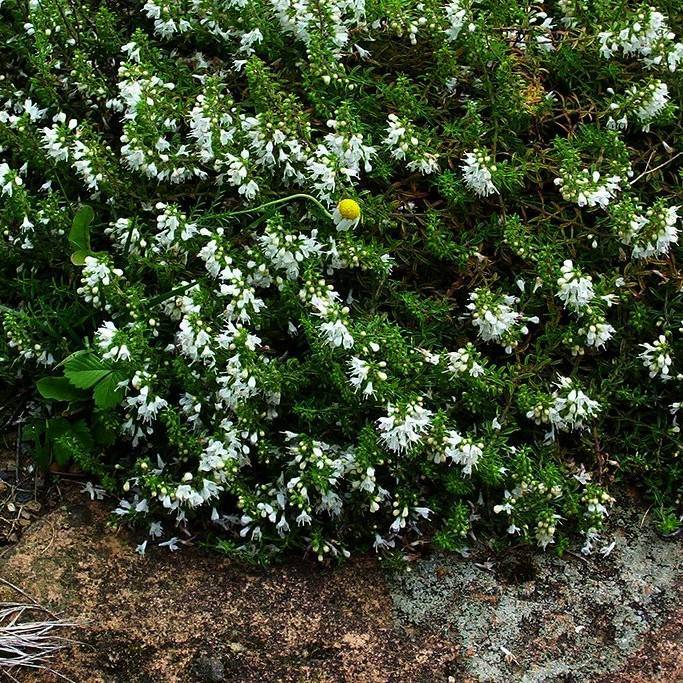
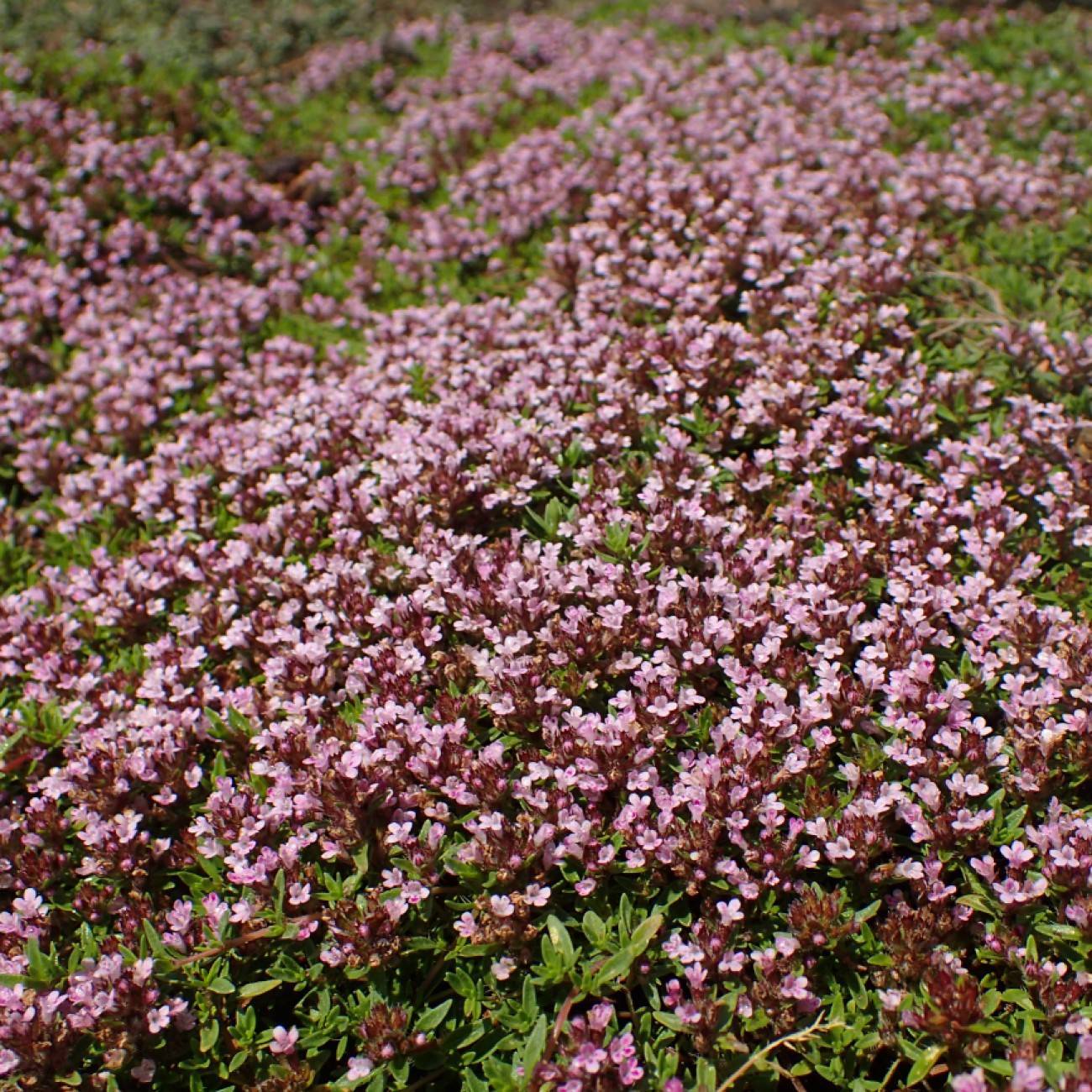
Dense Longwood is a compact creeping thyme cultivar developed for its exceptionally tight, uniform growth habit that suppresses weeds and tolerates light foot traffic. It produces clusters of tiny pale pink to lavender flowers throughout the summer that attract bees, butterflies, and other beneficial pollinators to the garden. Its small, oval, evergreen leaves release a rich, herbal thyme aroma when crushed, making it both a decorative and functional landscape plant.
Care Guide
Watering
Water newly planted Dense Longwood regularly to keep the top 1 inch of soil consistently moist until established, usually 2 to 4 weeks after planting. Once established, it is highly drought tolerant, requiring only occasional watering during extended periods of hot, dry weather to prevent foliage browning. Avoid overwatering or allowing the plant to sit in saturated soil, as this will quickly cause root rot and plant death.
Light
Dense Longwood thrives in full sun, requiring a minimum of 6 to 8 hours of direct, unfiltered sunlight per day to maintain its dense growth habit and abundant flowering. It can tolerate very light, dappled shade, but reduced sunlight will lead to leggy, sparse growth and fewer blooms, as well as increased susceptibility to fungal diseases. When grown indoors, place it in a south-facing window or under grow lights to meet its high light requirements.
Soil
This thyme cultivar prefers well-drained, sandy or gravelly soils with a neutral to slightly alkaline pH between 6.5 and 8.0, and it tolerates poor, low-nutrient soils that many other plants cannot thrive in. Heavy clay soils or soils that retain moisture for long periods are unsuitable, so amend heavy sites with coarse sand, grit, or perlite at planting time to improve drainage. It grows well in rock gardens, between paving stones, and in raised beds where drainage is naturally excellent.
Fertilizer
Dense Longwood has very low nutrient requirements and rarely needs fertilization, especially when planted in average garden soil. Overfertilization will cause the plant to produce soft, leggy growth that loses its tight, compact habit and reduces its cold hardiness and aromatic oil content. If grown in a container, apply a dilute, balanced, slow-release fertilizer at half the recommended strength once per year in early spring, avoiding high-nitrogen formulas.
Temperature
It is cold hardy in USDA zones 4 through 8, tolerating winter temperatures as low as -30°F (-34°C) when planted in well-drained soil with good air circulation. It thrives in average summer temperatures between 60°F and 85°F (15°C to 29°C), and tolerates high heat as long as it is not paired with prolonged excessive moisture. In regions with wet winters, provide a light mulch of gravel around the base of the plant to prevent crown rot from standing water and frost heave.
Pruning
Prune Dense Longwood lightly in early spring before new growth emerges, trimming back any dead or winter-damaged foliage to encourage fresh, dense new growth. After flowering finishes in late summer, shear the entire plant back by one-third to one-half of its height to prevent it from becoming woody and sparse in the center, and to promote a neat, compact form. Avoid heavy pruning into old, woody stems, as these often do not resprout reliably and can leave unsightly bare patches.
Propagation
The most reliable method of propagating Dense Longwood is through stem cuttings taken in late spring or early summer, using 3 to 4 inch long cuttings from healthy, non-flowering stems, stripped of lower leaves and rooted in moist, well-drained sand or perlite. It can also be propagated by division in early spring or early fall, carefully lifting established mats and separating them into smaller clumps with intact roots and foliage, then replanting immediately at the same depth they grew previously. While it produces seeds, seed-grown plants will not retain the unique dense growth habit of the cultivar, so sexual propagation is not recommended.
Humidity
Dense Longwood prefers low to moderate humidity levels between 30% and 50%, and it tolerates dry air much better than high humidity. High humidity, especially when paired with poor air circulation, increases the risk of fungal leaf spots and root rot, so avoid planting it in low-lying, sheltered sites where moist air gets trapped. When grown indoors, ensure the plant is placed in a well-ventilated area and avoid misting the foliage to prevent excess moisture buildup.
Repotting
If grown in containers, repot Dense Longwood every 2 to 3 years in early spring, or when roots begin to grow through the drainage holes of the pot. Use a well-drained, sandy potting mix formulated for cacti and succulents, or amend regular potting soil with 50% coarse sand or perlite to improve drainage. Choose a pot with multiple drainage holes, and avoid choosing a pot that is more than 1 to 2 inches larger than the current root ball to prevent excess soil from holding too much moisture around the roots.
Uses & Symbolism
Dense Longwood is most commonly used as a drought-tolerant, low-growing ground cover for rock gardens, slope stabilization, and planting between stepping stones and patio pavers, where it can withstand occasional light foot traffic. Its aromatic leaves are edible, suitable for use in culinary applications as a substitute for common thyme, adding a warm, earthy flavor to meats, soups, and stews. It is also planted in pollinator gardens to support bees and butterflies, and as a low-maintenance edging plant for herb gardens and perennial borders.
Diseases & Pests
Dense Longwood is relatively pest and disease resistant when grown in optimal conditions, but overwatering and poor drainage are the most common causes of root rot, a fungal disease that causes yellowing foliage, wilting, and eventual plant death. Fungal leaf spots and powdery mildew can occur in conditions of high humidity, poor air circulation, or when foliage remains wet for extended periods, and can be managed by improving air flow and avoiding overhead watering. Common pests include aphids and spider mites, which can be controlled with insecticidal soap or a strong spray of water to dislodge the insects from the foliage.
Related plants
Other plants you might like if you grow Dense Longwood Thyme.