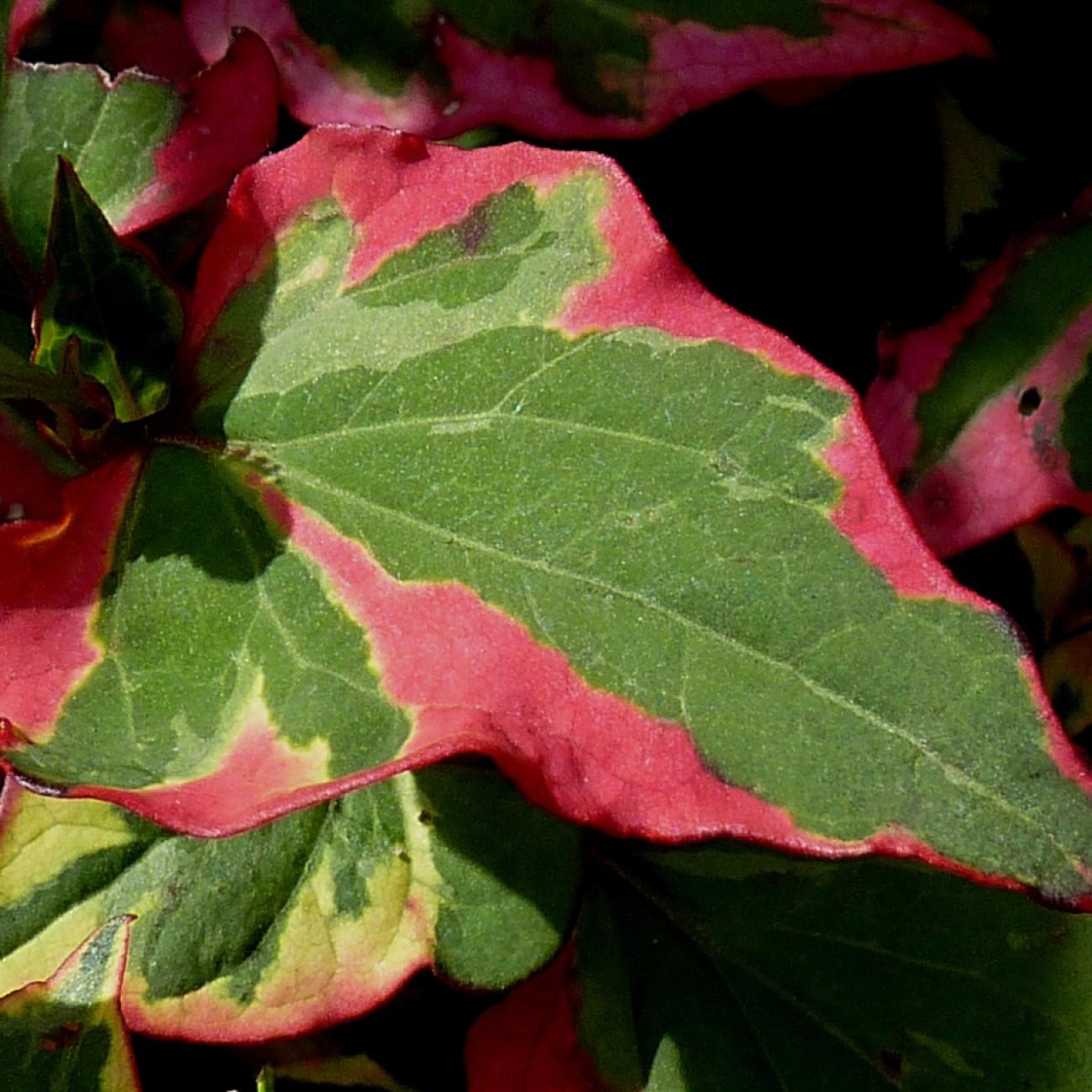
Houttuynia
Houttuynia cordata
Overview
Houttuynia cordata, also called fish mint or chameleon plant, is a vigorous spreading perennial known for its distinct pungent aroma when foliage is crushed. Variegated cultivars with red, green, and cream leaf mottling are popular ornamental ground covers, while the wild green form is widely used in East and Southeast Asian cuisines. It thrives in moist, partially shaded sites and can spread aggressively in ideal conditions, making it a low-maintenance but potentially invasive landscape plant.
Care Guide
Watering
Keep soil consistently moist at all times, as houttuynia tolerates even boggy, waterlogged conditions better than drought. Water deeply and frequently during hot, dry periods to prevent foliage wilting, reducing watering frequency only in cool winter months when growth slows. Avoid letting the root zone dry out completely, as this can cause stress and dieback.
Light
Grow best in partial shade, where foliage color remains vivid and scorching is prevented, though it tolerates full sun in cool, moist climates. Full sun exposure in hot regions will cause leaf browning and require more frequent watering, while deep shade will dull variegation and reduce the plant’s characteristic aroma. Provide 3-6 hours of dappled or morning sunlight daily for optimal growth and appearance.
Soil
Adaptable to a wide range of soil types, including clay, loam, and sandy soils, as long as moisture retention is high. A pH range of 6.0 to 7.5 is ideal, though it tolerates slightly acidic to slightly alkaline conditions. For potted specimens, use a rich, moisture-retentive potting mix amended with compost or peat moss to hold consistent moisture.
Fertilizer
Fertilize sparingly, as houttuynia grows vigorously even in low-nutrient soils. Apply a balanced, slow-release granular fertilizer once in early spring at half the recommended rate if growth appears stunted. Avoid overfertilizing, as this can lead to excessive, leggy spread and reduce the intensity of leaf variegation and aromatic oils.
Temperature
Thrives in temperatures between 55-85°F (13-29°C), and is hardy in USDA zones 4-9, tolerating winter lows down to -30°F (-34°C) when planted in the ground. Foliage dies back to the ground in freezing winter temperatures, resprouting from rhizomes in early spring. Potted specimens should be moved to a sheltered location if temperatures drop below 20°F (-7°C) to protect rhizomes from freezing.
Pruning
Prune back spreading growth regularly to contain the plant, as its aggressive rhizomatous spread can quickly overtake nearby garden beds. Cut back entire clumps to 2 inches above the soil line in late fall after foliage dies back for a tidy appearance and to reduce overwintering pest habitat. For variegated cultivars, remove any all-green stems as they appear, as these are more vigorous and will outcompete the variegated growth over time.
Propagation
Easiest to propagate via rhizome division in early spring or fall, when the plant is not actively growing. Dig up a section of the rhizome mat, separate into small clumps with at least one growing point, and replant immediately at the same depth as the original plant. It can also be grown from stem cuttings placed in moist soil or water, which will root quickly in warm, humid conditions with no rooting hormone required.
Humidity
Tolerates a wide range of humidity levels, thriving in average ambient household or garden humidity of 40-70%. High humidity is not required, but consistent moisture in the soil is far more important for healthy growth than air humidity. Indoor specimens do not need misting, as long as their watering needs are met.
Repotting
Potted houttuynia should be repotted every 1-2 years in early spring, before new growth emerges, to refresh soil and prevent rhizomes from becoming root-bound. Choose a pot with drainage holes that is 1-2 inches larger than the current container, or plant in a shallow, wide pot to accommodate its spreading growth habit. If you wish to restrict spread, keep the plant in a smaller pot to limit rhizome expansion, trimming away excess root growth during repotting as needed.
Uses & Symbolism
The fresh leaves and stems of green houttuynia are widely used in Vietnamese, Chinese, and Japanese cuisines, added raw to salads, soups, stir fries, and herb wraps for their tangy, peppery, slightly fishy flavor. In traditional East Asian medicine, the plant is used to treat inflammation, respiratory infections, and digestive issues, with modern research investigating its antimicrobial and antioxidant properties. Variegated cultivars are grown as ornamental ground covers for moist, shaded garden areas, pond edges, and container gardens, prized for their colorful foliage and ability to suppress weed growth.
Diseases & Pests
Houttuynia is largely pest and disease resistant, with few common issues in ideal growing conditions. Overly dry soil can attract spider mites, which cause stippling and yellowing of leaves, while prolonged standing water on foliage in cool, stagnant conditions can lead to fungal leaf spot. Aphids may occasionally cluster on new growth, which can be washed off with a strong stream of water or treated with insecticidal soap if infestations are severe.
Related plants
Other plants you might like if you grow Houttuynia.