Betony
Stachys officinalis
Overview
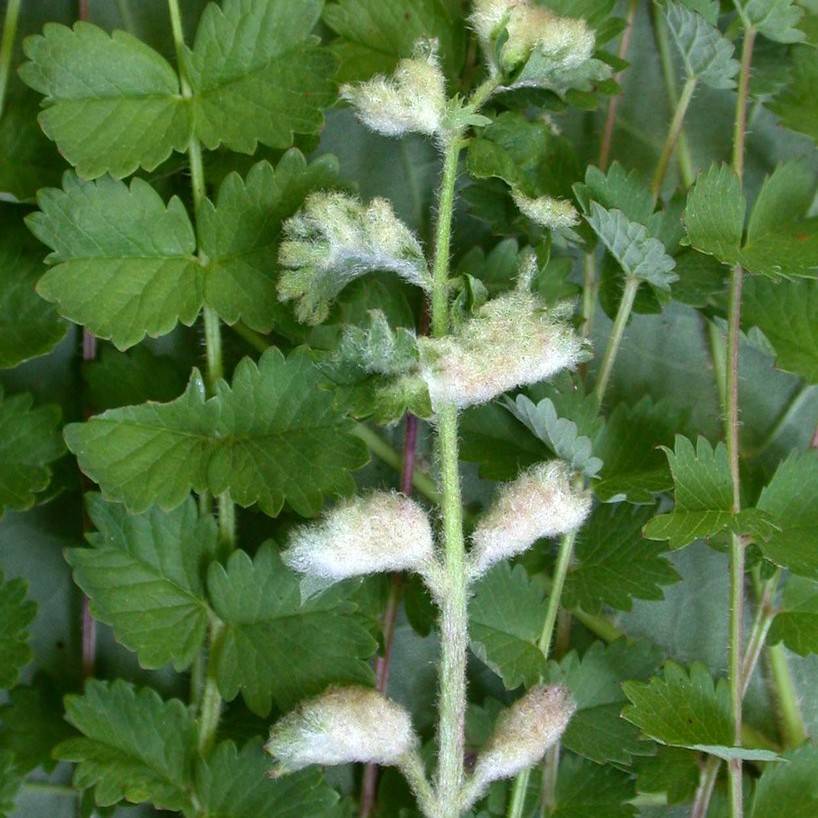
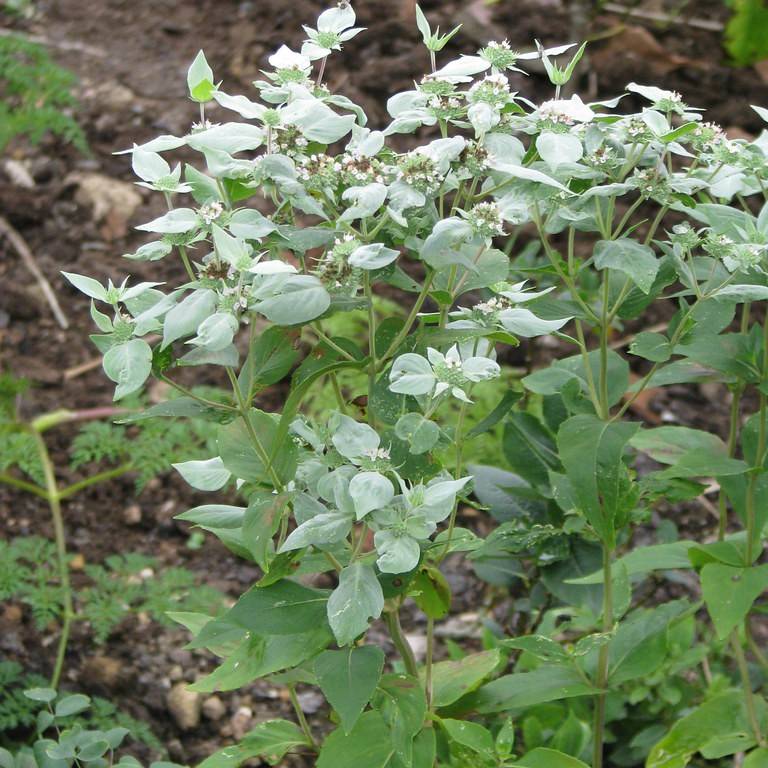
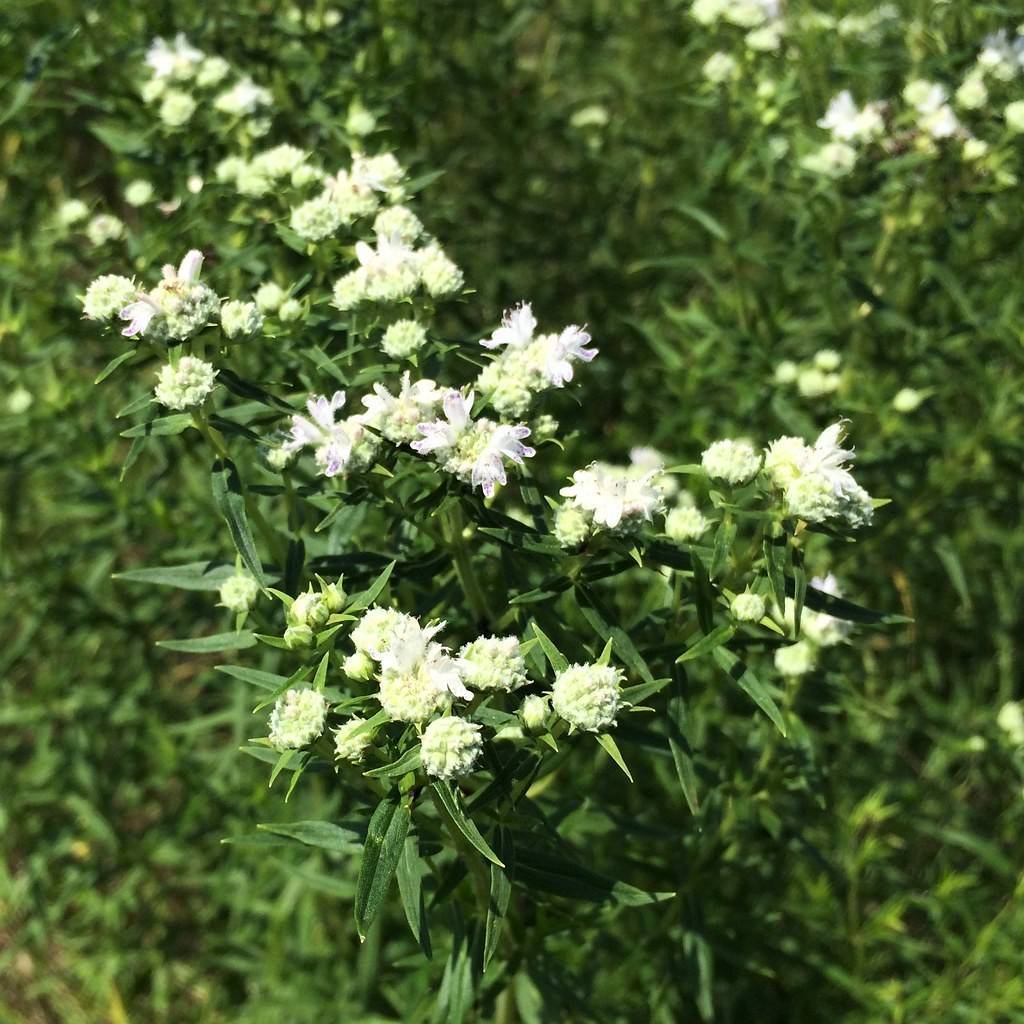
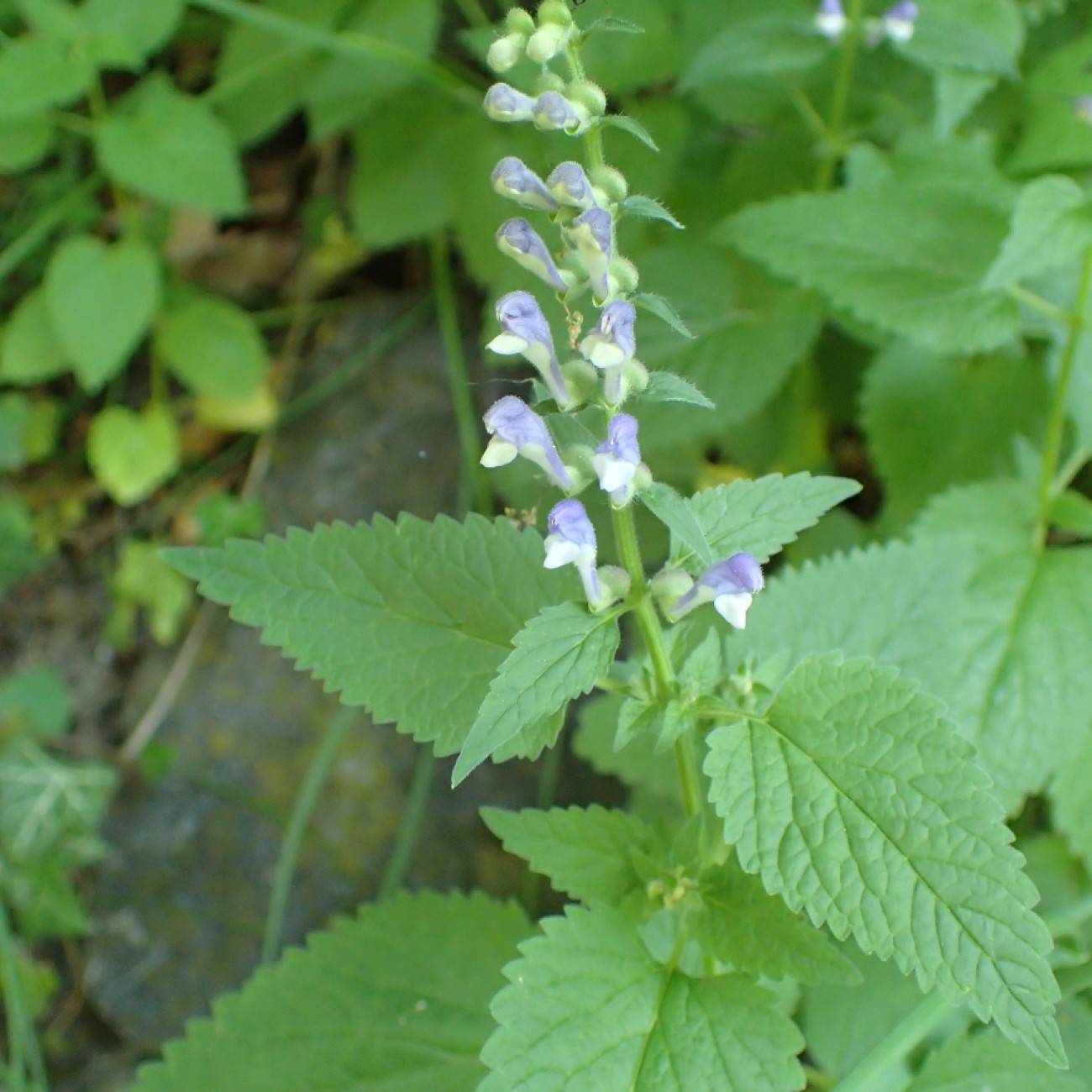
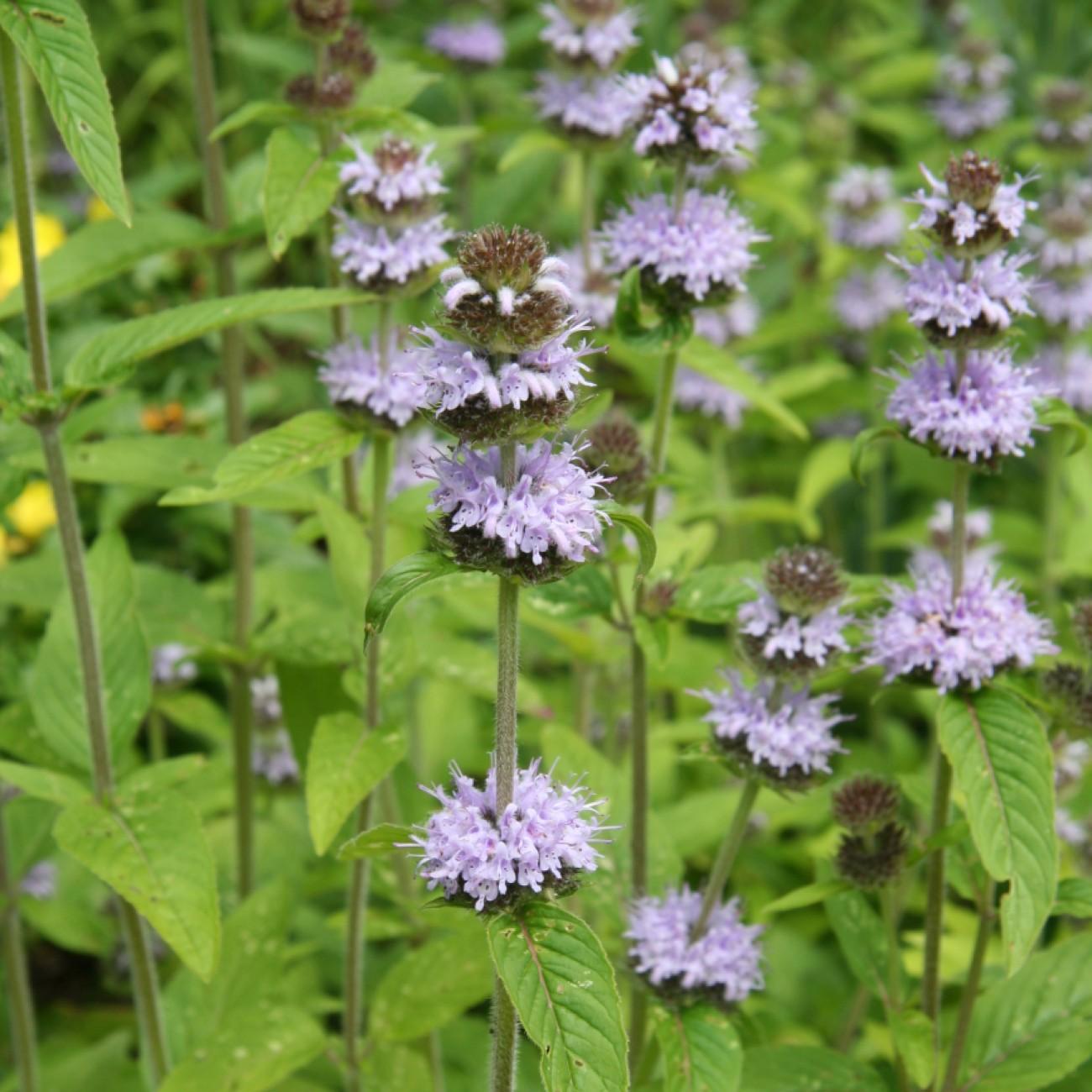
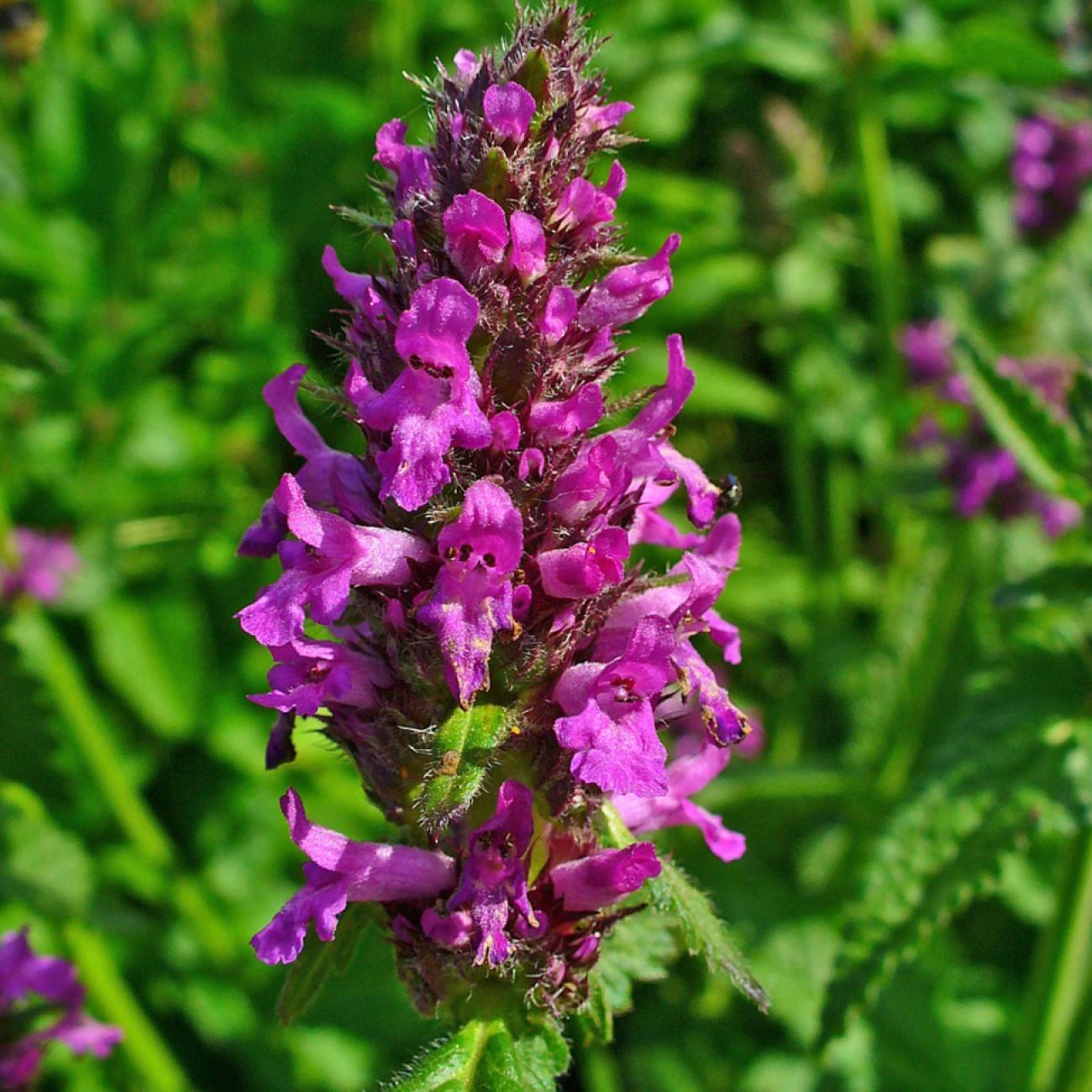
Betony, also known as wood betony, is a low-growing, herbaceous perennial that forms dense clumps of textured, ovate green leaves with scalloped edges. From mid to late summer, it produces upright spikes of small, tubular, purple-pink flowers that attract bees, butterflies, and other pollinators to garden spaces. It has been valued in traditional European herbalism for over 2,000 years, with historical uses ranging from treating headaches and digestive issues to use as a protective folk charm.
Care Guide
Watering
Betony has moderate water needs, preferring consistently moist but well-drained soil; water deeply when the top 1 to 2 inches of soil feel dry to the touch, typically once per week in average growing conditions. Reduce watering frequency in the fall and winter when the plant is dormant, taking care not to overwater as soggy soil can lead to root rot. Established plants have mild drought tolerance, making them suitable for low-maintenance garden beds.
Light
Betony thrives in partial shade, but can also tolerate full sun in cooler climates where summer temperatures do not regularly exceed 85°F (29°C). In regions with hot, intense summer sun, plant it in a location with dappled afternoon shade to prevent leaf scorch and reduce water stress. It can grow in full shade, though flowering will be less abundant and the plant may develop a looser, leggier growth habit.
Soil
This adaptable herb grows best in fertile, loamy, well-drained soil with a slightly acidic to neutral pH between 6.0 and 7.5. It can tolerate poor, sandy, or clay soils as long as excess water drains freely, making it suitable for a wide range of garden settings. Add a 2-inch layer of compost or well-rotted manure to the planting hole at the time of sowing or transplanting to boost nutrient content and improve soil structure.
Fertilizer
Betony is a light feeder that rarely requires supplemental fertilizer when grown in moderately fertile garden soil. If planted in very poor, nutrient-deficient soil, apply a balanced, slow-release 10-10-10 fertilizer once in early spring just as new growth emerges. Avoid over-fertilizing, as this can cause excessive, leggy foliage growth at the expense of flower production.
Temperature
Betony is cold-hardy in USDA zones 4 through 8, tolerating winter temperatures as low as -30°F (-34°C) when established. It prefers moderate summer temperatures between 60°F and 75°F (15°C and 24°C), and may go dormant early if exposed to extended periods of heat above 90°F (32°C). Mulch around the base of the plant in late fall to insulate roots from extreme temperature fluctuations and frost heave in cold climates.
Pruning
Deadhead spent flower spikes throughout the blooming season to encourage repeated flowering and prevent the plant from self-seeding excessively in garden beds. Cut back the entire plant to 2 to 3 inches above the soil line in late fall after foliage dies back, or in early spring before new growth emerges to promote fresh, compact growth. Trim back any damaged or yellowed foliage as needed throughout the growing season to maintain a tidy appearance.
Propagation
Betony is most commonly propagated by seed sown directly in the garden in fall, or started indoors 6 to 8 weeks before the last expected spring frost, with seeds germinating in 14 to 21 days under consistent moisture and temperatures between 65°F and 70°F (18°C and 21°C). Mature clumps can also be divided in early spring or late fall every 3 to 4 years to control spread, rejuvenate older plants, and produce new specimens. Stem cuttings taken from new, soft growth in late spring or early summer will root readily in moist potting mix with bottom heat.
Humidity
Betony adapts well to average outdoor humidity levels between 40% and 60%, which is typical of its native temperate grassland and woodland edge habitats. It does not require additional humidity when grown outdoors, though very dry, arid conditions may cause leaf browning at the edges. When grown as a potted indoor plant, mist the foliage occasionally or place the pot on a tray of pebbles filled with water to maintain moderate ambient humidity.
Repotting
If grown in containers, repot betony every 2 to 3 years in early spring, moving it to a pot one size larger with fresh, well-drained potting mix amended with compost. Choose a container with multiple drainage holes to prevent waterlogging, as excess moisture around the roots can quickly cause rot. Trim back any circling or damaged roots during repotting to encourage healthy new root growth, and water thoroughly after transplanting to help the plant settle into its new container.
Uses & Symbolism
Betony has a long history of use in traditional herbalism, with dried leaves and flowers brewed into teas, tinctures, and salves to soothe headaches, reduce inflammation, and support digestive health. Its mild, slightly bitter leaves can be added fresh to salads, soups, and pesto, or dried for use as an aromatic addition to herbal sachets and potpourri. In ornamental gardens, it is planted in pollinator beds, cottage gardens, and shaded borders for its long-lasting summer blooms and low-maintenance growth habit.
Diseases & Pests
Betony is relatively pest and disease resistant, though it can be susceptible to powdery mildew in humid, poorly ventilated growing conditions, which presents as a white, powdery coating on leaf surfaces. Root rot may occur if the plant is grown in heavy, waterlogged soil with poor drainage, so avoid overwatering and amend dense soil with compost or sand to improve drainage. Slugs and snails may occasionally feed on young, tender foliage, particularly in damp, shaded locations, and can be controlled with handpicking, copper barriers, or organic slug bait.
Related plants
Other plants you might like if you grow Betony.