Downy Wood Mint
Blephilia ciliata
Overview
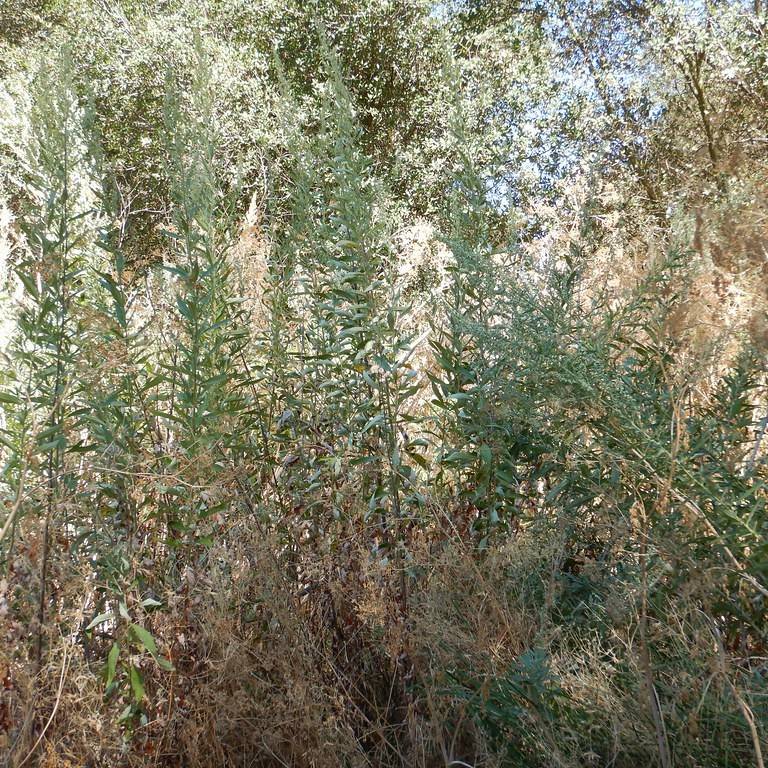
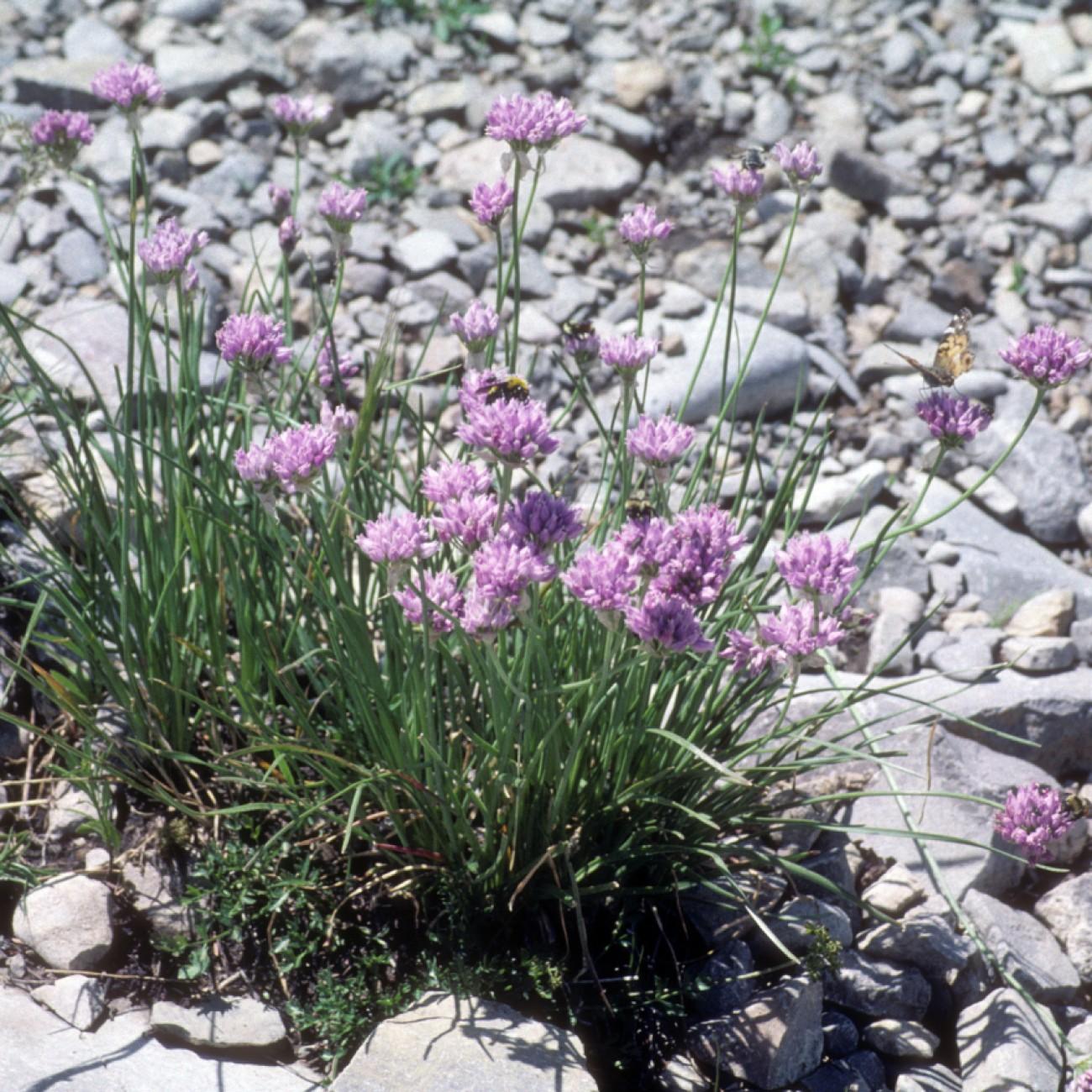
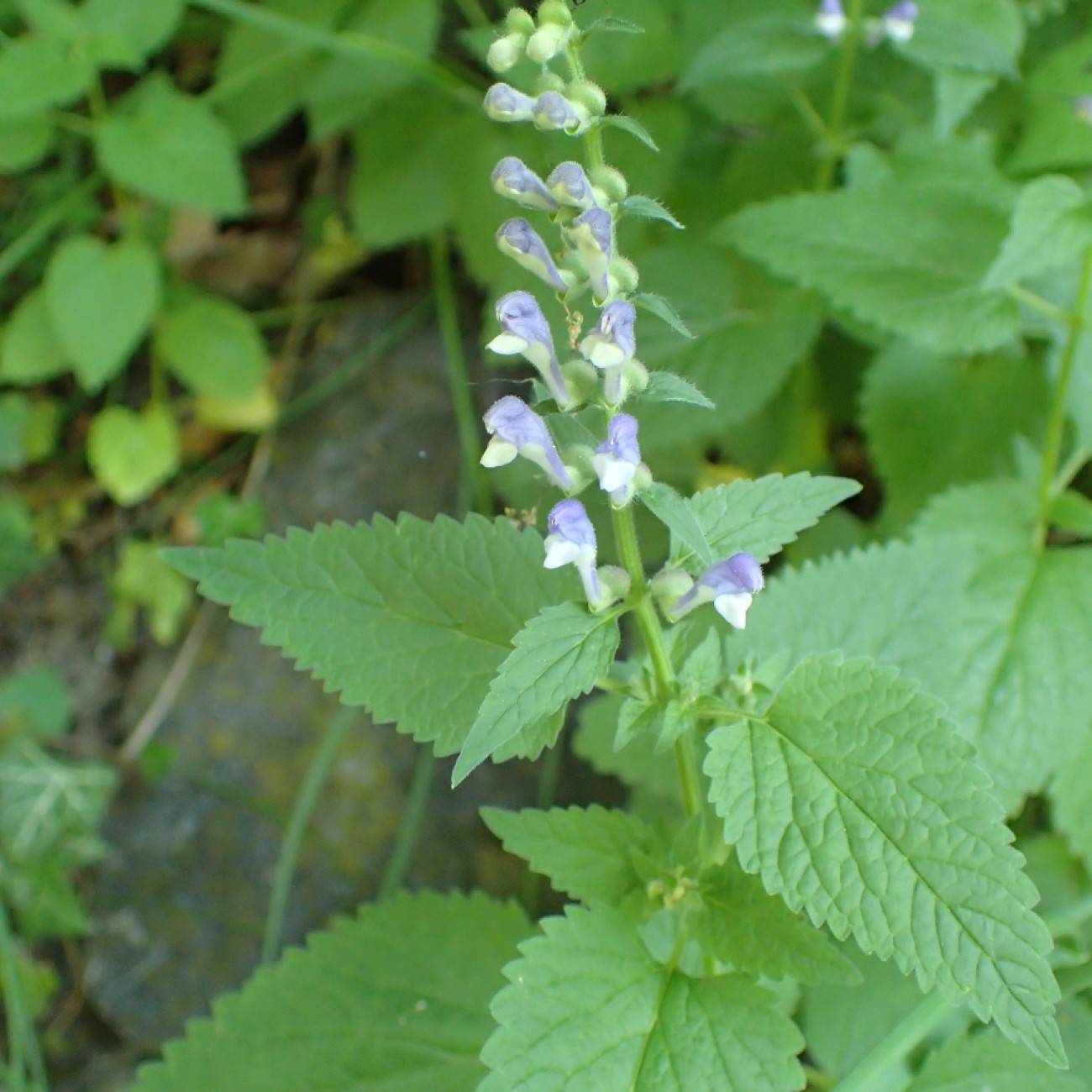
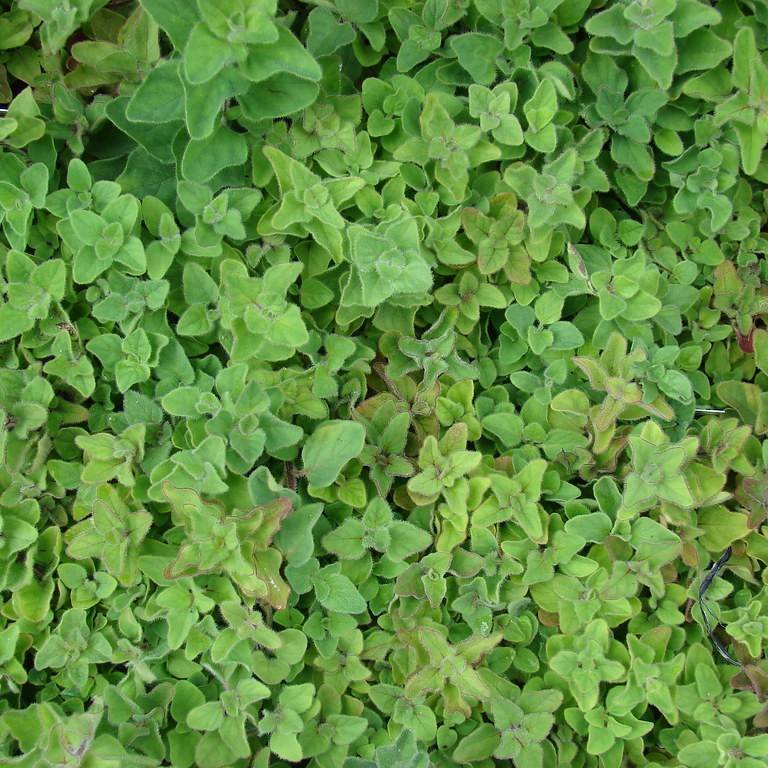
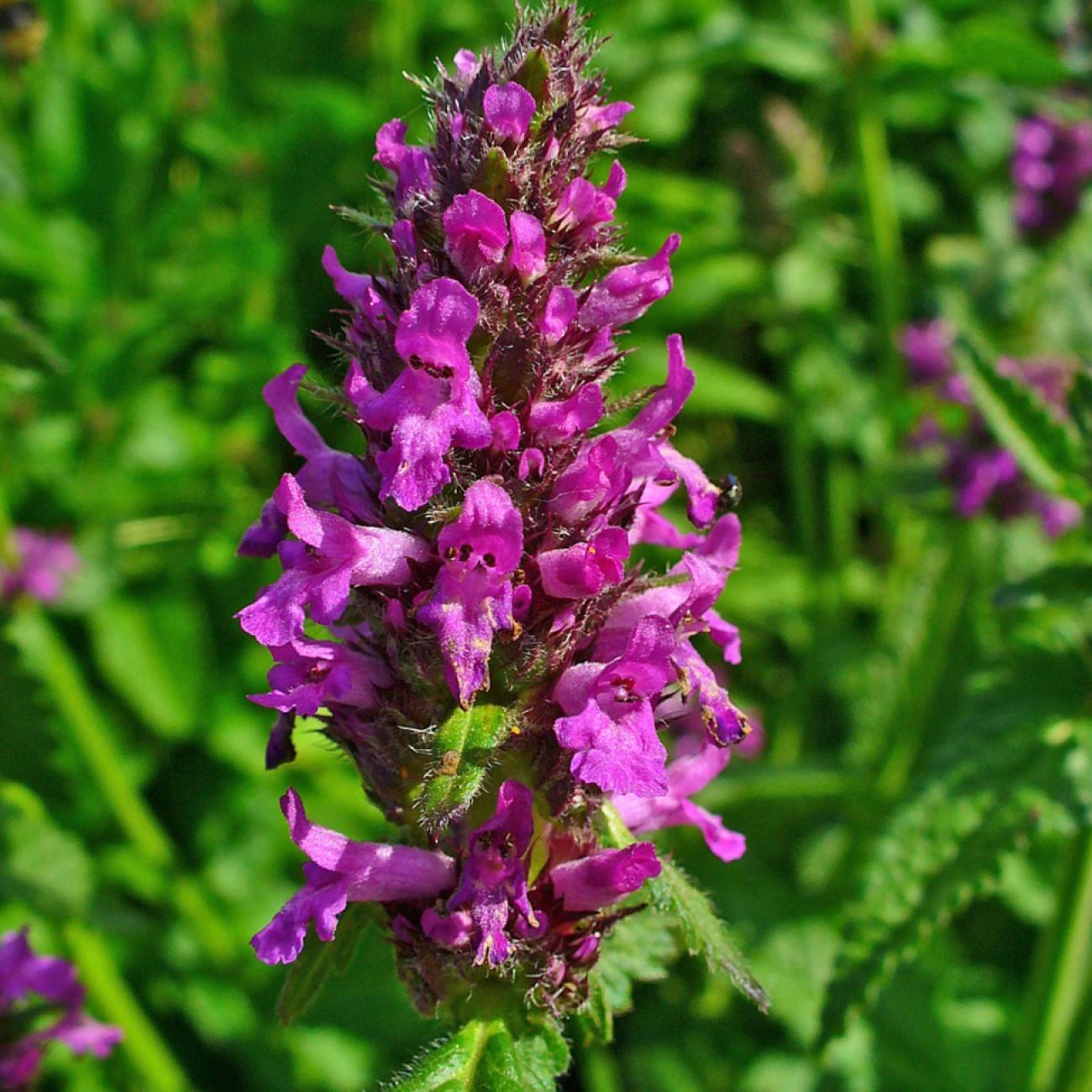
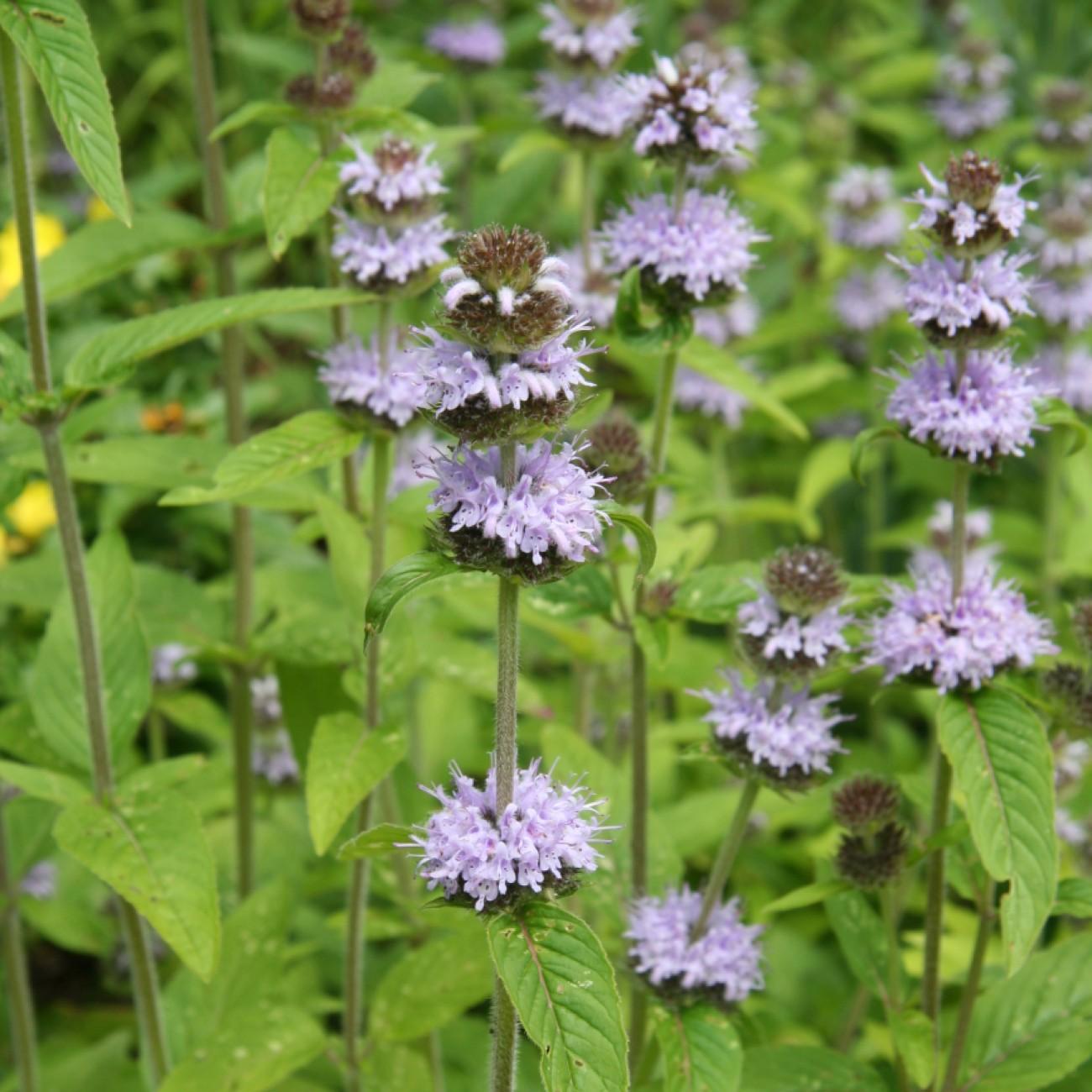
Downy Wood Mint is a herbaceous perennial in the mint family, known for its soft, fuzzy, lance-shaped foliage that emits a mild, minty aroma when crushed. It produces dense, whorled spikes of pale lavender to purple tubular flowers from late spring through mid-summer, which are highly attractive to bees, butterflies, and hummingbirds. Adapted to dry, open woodlands and prairies, it forms neat, non-aggressive clumps unlike many spreading mint species, making it a low-fuss addition to native and pollinator gardens.
Care Guide
Watering
Downy Wood Mint is drought-tolerant once established, requiring only occasional watering during prolonged dry spells; avoid overwatering, as soggy soil can cause root rot. Newly planted specimens should be watered regularly for the first 2-3 months to help them develop a strong root system, after which they can rely mostly on natural rainfall. It is well-suited to xeriscaping and low-water garden designs.
Light
This species thrives in full sun to partial shade, with the most abundant flowering occurring in locations that receive at least 6 hours of direct sunlight daily. In hotter southern portions of its range, it benefits from light afternoon shade to prevent foliage scorch during the peak of summer. Too much deep shade will cause it to grow leggy and produce fewer flowers.
Soil
Downy Wood Mint prefers well-drained, loamy or sandy soils with a neutral to slightly alkaline pH, though it is adaptable to poor, rocky, or dry soils that many other plants cannot tolerate. It does not do well in heavy, compacted clay soils that hold standing water for extended periods. Amending heavy soils with sand or compost before planting will improve drainage and support healthier growth.
Fertilizer
This native wildflower requires very little supplemental fertilization, as it is adapted to low-nutrient soils. Over-fertilizing will cause excessive, leggy foliage growth at the expense of flowers, and may reduce its natural drought tolerance. A light topdressing of compost in early spring is sufficient to provide all the nutrients it needs for the growing season.
Temperature
It is hardy in USDA zones 4 through 8, tolerating winter lows as low as -30°F (-34°C) and summer highs up to 100°F (38°C) when established. Frost will kill back above-ground foliage in fall, and the plant will regrow from its underground root system in spring once soil temperatures warm consistently above 50°F (10°C). It does not require winter protection in most of its native range, though a light layer of mulch can help insulate roots in colder zone 4 locations.
Pruning
Pruning is minimal for Downy Wood Mint; spent flower spikes can be deadheaded in late summer to encourage a small second flush of blooms, or left standing through winter to provide seed for native birds. Cut back all dead, dried foliage to just above ground level in late winter or early spring before new growth emerges to keep the clump looking tidy. Thinning overcrowded clumps every 3-4 years in early spring will improve air circulation and reduce the risk of foliar diseases.
Propagation
Downy Wood Mint is most easily propagated by division in early spring, when new growth first appears; carefully dig up established clumps, split them into smaller sections with healthy roots and shoots, and replant immediately at the same depth they were growing. It can also be grown from seed sown directly outdoors in fall, or stratified for 30 days and sown indoors 6-8 weeks before the last frost date. Softwood cuttings taken in late spring or early summer will root readily in moist, well-drained potting mix with bottom heat.
Humidity
This species is adaptable to a wide range of humidity levels, thriving in the moderate humidity of its native eastern North American range as well as the drier conditions of central prairie regions. It does not require any supplemental humidity, and good air circulation around the foliage helps prevent fungal issues in areas with high summer humidity. Excessively humid, stagnant conditions can lead to powdery mildew on leaves if the plant is grown in too much shade.
Repotting
When grown in containers, Downy Wood Mint should be repotted every 2-3 years in early spring, before new growth begins, to refresh the soil and prevent root binding. Choose a pot with ample drainage holes, and use a well-drained, sandy potting mix to avoid waterlogged roots. Container-grown specimens may require more frequent watering than those planted in the ground, as potted soil dries out faster in warm weather.
Uses & Symbolism
Downy Wood Mint is a popular choice for native pollinator gardens, rain gardens, and dry prairie plantings, as it supports a wide range of beneficial insects and requires very little maintenance. Its mild, minty leaves can be used fresh or dried to make herbal teas, or added to salads and cold beverages for a subtle, refreshing flavor. The dried foliage and flowers also make attractive, fragrant additions to dried flower arrangements and potpourri mixes.
Diseases & Pests
Downy Wood Mint is relatively pest and disease resistant, though it can develop powdery mildew on foliage if grown in too much shade or in areas with poor air circulation and high humidity. Root rot may occur if the plant is grown in heavy, poorly drained soil that stays consistently wet. It is occasionally bothered by common mint pests such as aphids and spider mites, which can be controlled with a strong spray of water or insecticidal soap if infestations become severe.
Related plants
Other plants you might like if you grow Downy Wood Mint.