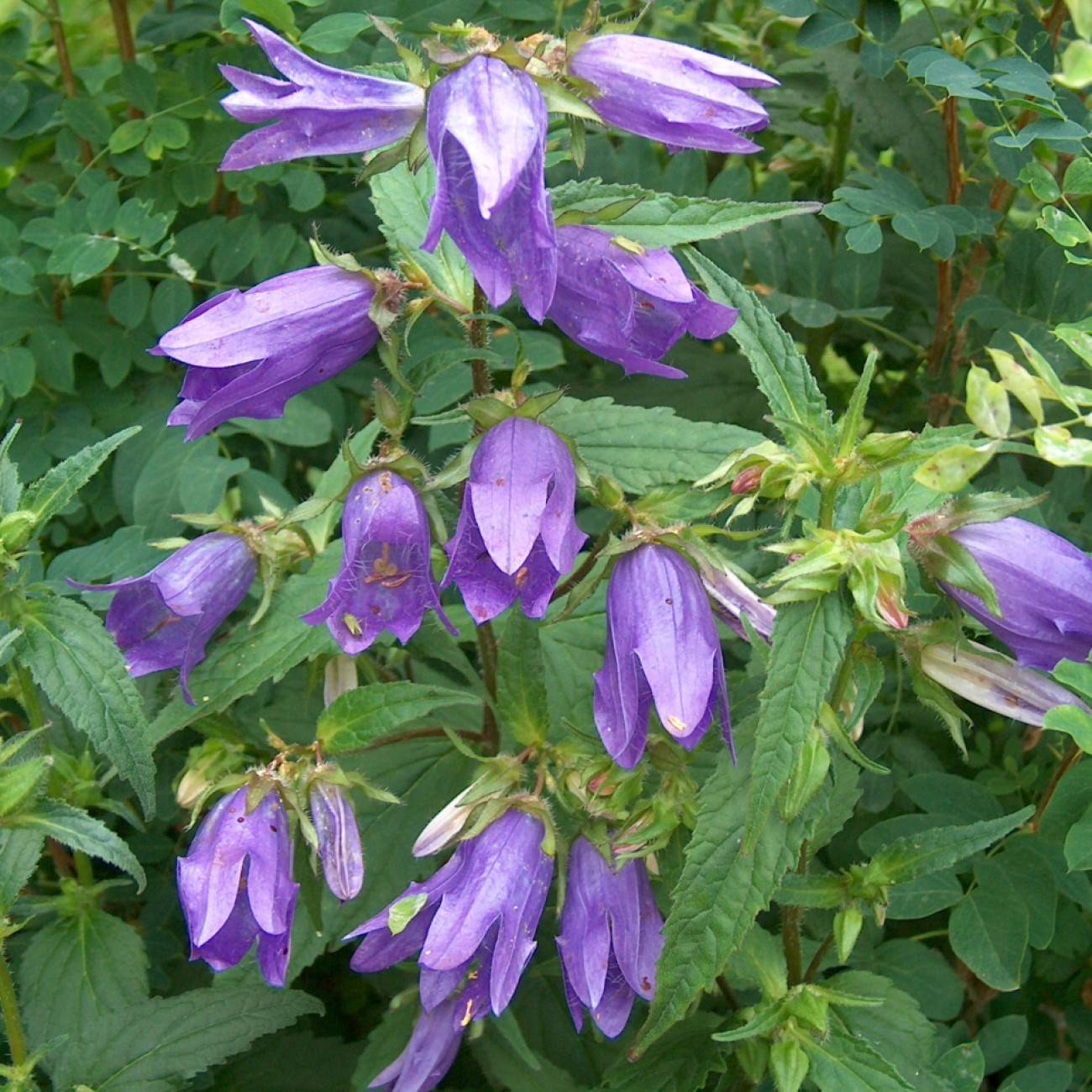
Giant Bellflower
Campanula latifolia 'Gantel E'
Overview
Giant Bellflower 'Gantel E' is a popular cultivar of the wild giant bellflower, selected for its extra large, vivid lavender-blue flowers and sturdy, upright growth habit. Unlike many smaller campanula varieties, it does not spread aggressively, making it well-suited for mixed perennial borders and wildflower gardens. Its blooms are highly attractive to bees, butterflies, and other pollinating insects, supporting local biodiversity through the summer months.
Care Guide
Watering
Water regularly to keep soil consistently moist but not waterlogged, providing roughly 1 inch of water per week during active growth. Reduce watering frequency in late fall and winter once foliage dies back, as dormant roots are prone to rot in saturated soil.
Light
Thrives in full sun to partial shade, with dappled afternoon shade recommended in regions with hot, intense summer sun to prevent leaf scorch and extend bloom duration. In cooler northern climates, full sun exposure will produce the most abundant flower displays.
Soil
Prefers fertile, well-drained loamy soil with a neutral to slightly alkaline pH, though it will adapt to most average garden soils as long as they do not stay waterlogged. Amend heavy clay soils with compost or well-rotted manure before planting to improve drainage and nutrient content.
Fertilizer
Apply a balanced, slow-release granular fertilizer in early spring as new growth emerges to support robust foliage and bloom development. A light topdressing of compost in mid-summer can provide extra nutrients to sustain blooms through the season, with no additional fertilization needed in fall or winter.
Temperature
Cold hardy in USDA zones 3 to 8, tolerating winter temperatures as low as -40°F (-40°C) without extra protection. It prefers mild summer temperatures between 60–75°F (15–24°C), and may go dormant early if exposed to prolonged heat above 90°F (32°C).
Pruning
Deadhead spent flower spikes regularly throughout the blooming period to encourage reblooming and prevent unwanted self-seeding. Cut back all foliage to ground level in late fall after it yellows and dies back, to reduce overwintering pest and disease habitat.
Propagation
Easily propagated by division in early spring or late fall, splitting mature clumps every 3–4 years to maintain vigor and produce new plants. It can also be grown from seed sown directly in the garden in fall or started indoors 8–10 weeks before the last spring frost, though seed-grown plants may not retain the exact cultivar traits.
Humidity
Adaptable to average outdoor humidity levels between 40–60%, requiring no extra humidity when grown in garden settings. Avoid planting in overly humid, poorly ventilated areas to reduce risk of fungal leaf diseases.
Repotting
When grown in containers, repot every 2–3 years in early spring, moving to a slightly larger pot with fresh, fertile potting mix to accommodate root growth. Ensure containers have ample drainage holes to prevent root rot, and avoid overpotting to reduce excess soil moisture retention.
Uses & Symbolism
Giant Bellflower 'Gantel E' is a staple of cottage and wildflower gardens, planted in mixed borders, cottage garden beds, and naturalized meadows for its showy summer blooms. Its long, sturdy stems make it an excellent cut flower for fresh floral arrangements, with blooms lasting up to a week in vases. It is also frequently planted in pollinator gardens to support bees, butterflies, and hummingbirds throughout the summer months.
Diseases & Pests
The most common issues affecting this cultivar are fungal diseases such as powdery mildew and rust, which occur most often in humid, poorly ventilated conditions with overhead watering. Slugs and snails may feed on young foliage in spring, particularly in damp, shaded areas. Root rot can occur in poorly drained, waterlogged soils, especially during the dormant winter period.
Related plants
Other plants you might like if you grow Giant Bellflower.
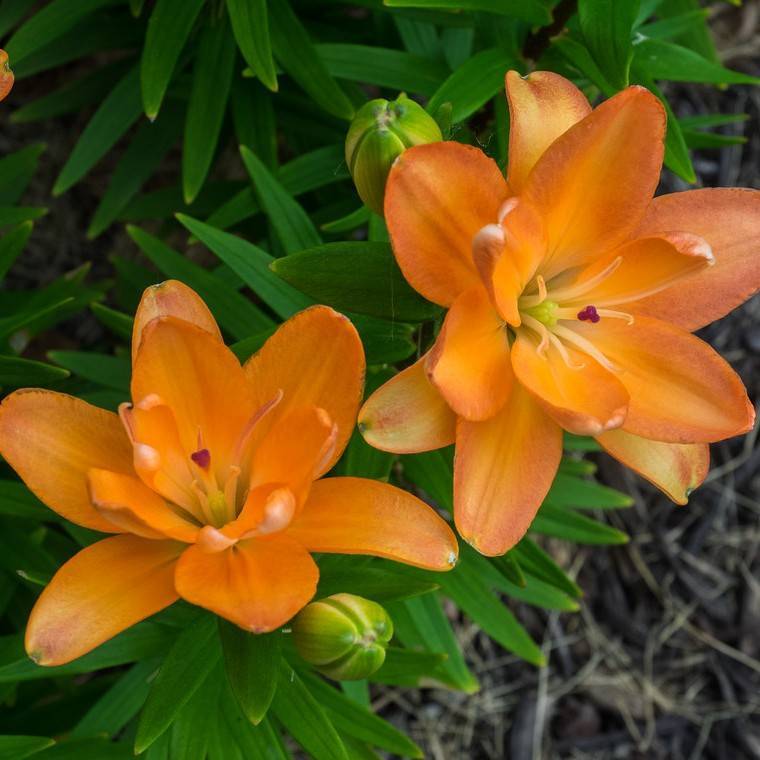
Dwarf Asiatic Lily
Lilium asiaticum 'Dwarf Hybrid'
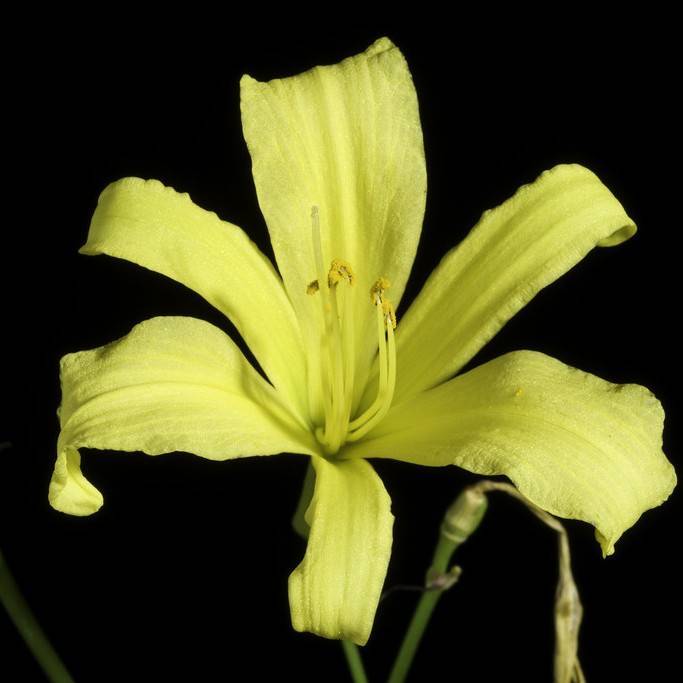
Citron Daylily
Hemerocallis citrina
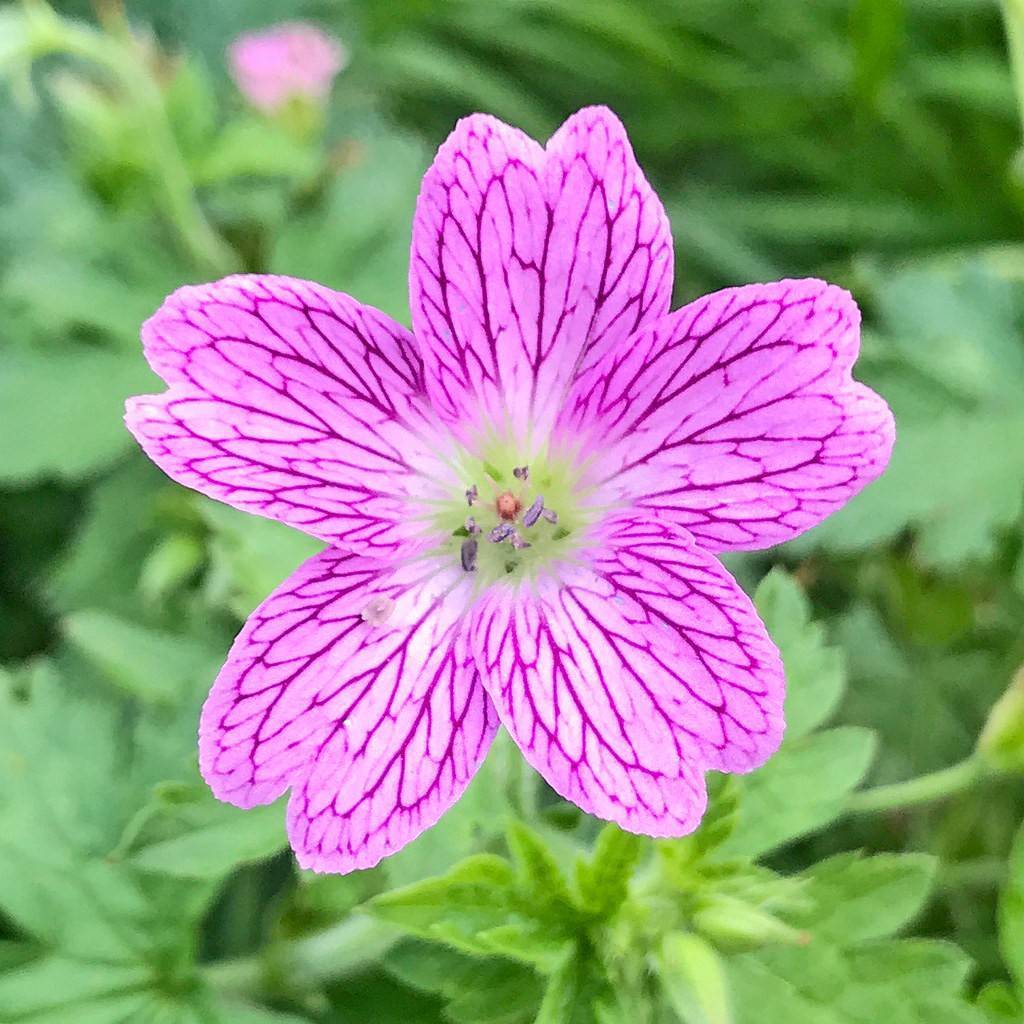
Endres's Cranesbill
Geranium endressii
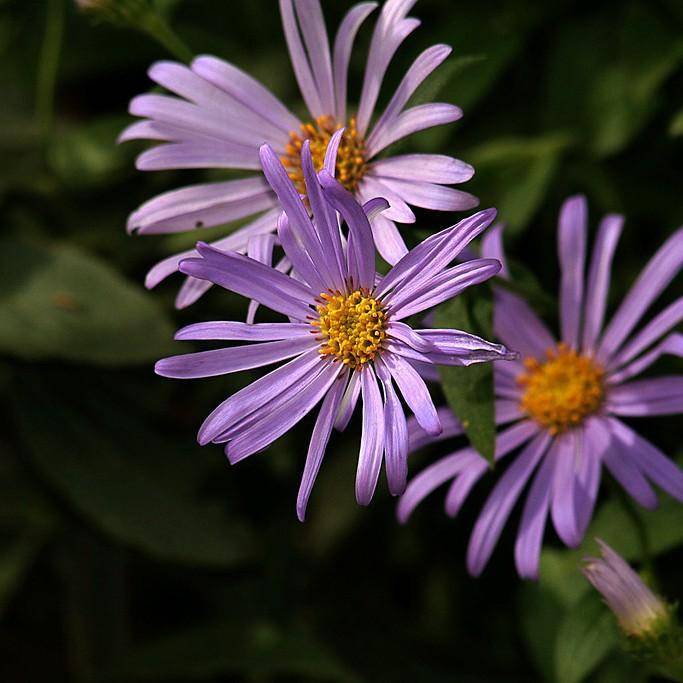
Frikart Aster
Aster × frikartii
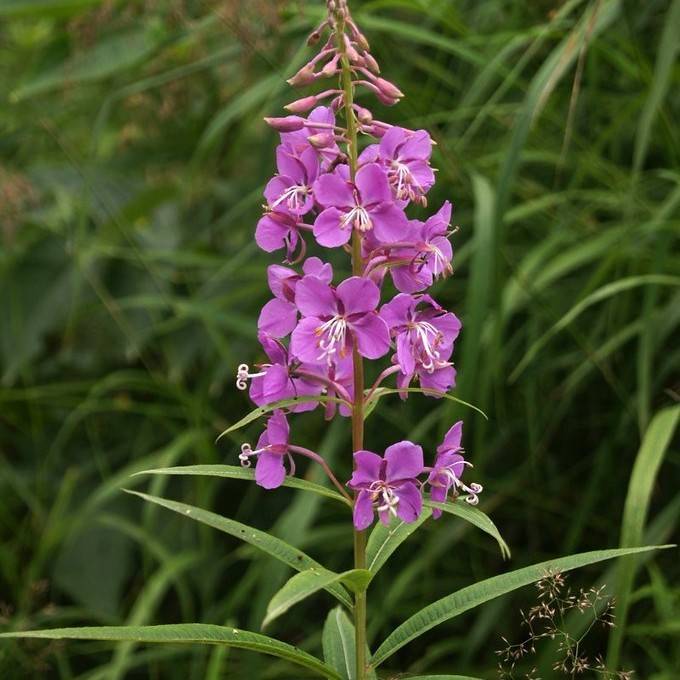
Hybrid Fireweed
Chamerion angustifolium 'Album' or interspecific Chamerion hybrids

Kalimeris
Kalimeris indica
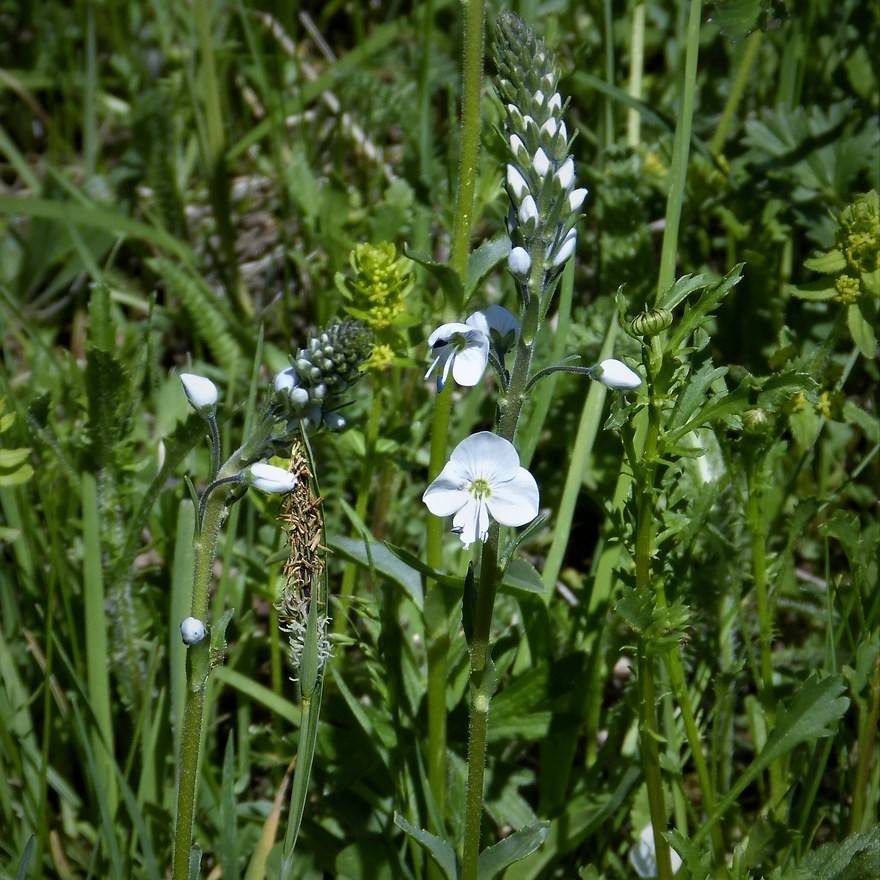
Gentian Speedwell
Veronica gentianoides
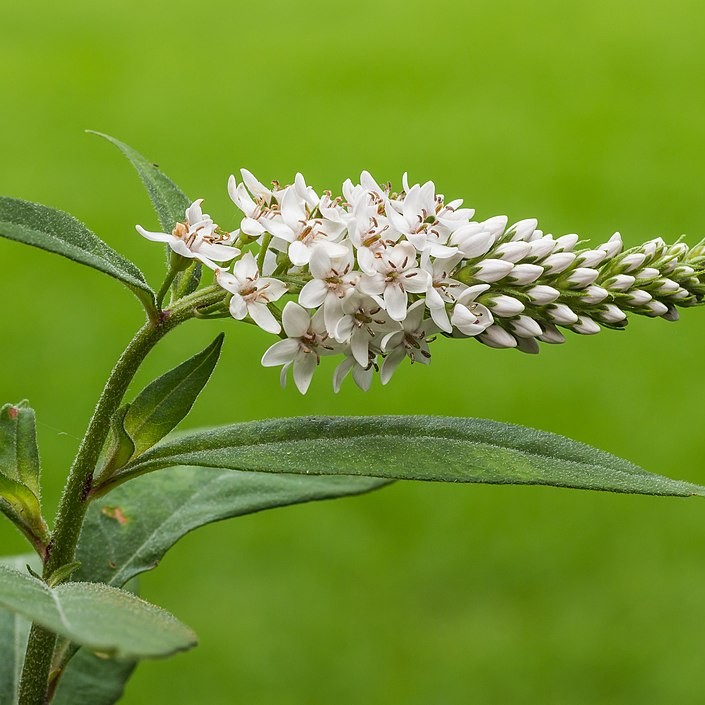
Gooseneck Loosestrife
Lysimachia clethroides