%22%2F%3E%0A%20%20%20%20%20%20%3Ccircle%20cx%3D%22920%22%20cy%3D%22180%22%20r%3D%2290%22%20fill%3D%22%23cfe8d5%22%2F%3E%0A%20%20%20%20%20%20%3Cpath%20d%3D%22M600%20590c-90-180-215-255-310-280%200%20165%20118%20296%20270%20296h40z%22%20fill%3D%22%2379b88e%22%2F%3E%0A%20%20%20%20%20%20%3Cpath%20d%3D%22M600%20590c80-150%20198-212%20302-228-8%20142-123%20255-270%20255h-32z%22%20fill%3D%22%235c9f73%22%2F%3E%0A%20%20%20%20%20%20%3Cpath%20d%3D%22M600%20610V360%22%20stroke%3D%22%234f8c64%22%20stroke-width%3D%2218%22%20stroke-linecap%3D%22round%22%2F%3E%0A%20%20%20%20%20%20%3Ctext%20x%3D%22600%22%20y%3D%22700%22%20text-anchor%3D%22middle%22%20font-family%3D%22Arial%2C%20sans-serif%22%20font-size%3D%2244%22%20fill%3D%22%23365c45%22%3E%0A%20%20%20%20%20%20%20%20Plant%20image%20coming%20soon%0A%20%20%20%20%20%20%3C%2Ftext%3E%0A%20%20%20%20%3C%2Fsvg%3E%0A%20%20)
Large Flowered Climbing Rose
Rosa 'Large Flowered Climbing' (hybrid group)
Overview
Large Flowered Climbing Roses are a diverse group of hybrid roses bred for long, flexible canes that cling to supports and produce exceptionally large, often fragrant blooms across a wide range of colors including red, pink, yellow, white, and bi-colors. Most varieties are repeat bloomers, producing flushes of flowers from late spring through frost, unlike older once-blooming climbing rose cultivars. These roses are widely cultivated in temperate regions worldwide for their ornamental value and ability to cover vertical garden structures with lush, flowering foliage.
Care Guide
Watering
Water deeply 1-2 times per week, allowing the top 2 inches of soil to dry out between waterings to prevent root rot; avoid wetting foliage to reduce fungal disease risk. Increase watering frequency during extended hot, dry periods, and reduce watering in late fall to prepare the plant for winter dormancy.
Light
Plant in full sun, receiving a minimum of 6 hours of direct, unfiltered sunlight daily to promote abundant flowering and strong, disease-resistant growth. Partial shade may be tolerated in very hot climates, but will reduce bloom production and increase susceptibility to fungal issues.
Soil
Grow in fertile, well-drained loamy soil with a slightly acidic pH between 6.0 and 6.5 for optimal nutrient uptake. Amend heavy clay soils with compost and coarse sand to improve drainage, and amend sandy soils with well-rotted manure to increase water and nutrient retention.
Fertilizer
Apply a balanced, slow-release rose fertilizer in early spring just as new growth emerges, followed by a second application after the first flush of blooms to support repeat flowering. Avoid fertilizing after late summer, as this can stimulate tender new growth that will be damaged by winter frost.
Temperature
Thrive in temperatures between 60-75°F (15-24°C), with most varieties hardy to USDA zones 5-9; some cold-hardy cultivars can tolerate zone 4 conditions with winter protection. Provide afternoon shade in regions with consistent summer temperatures above 90°F (32°C) to prevent flower scorch and reduce water stress.
Pruning
Prune in late winter or early spring before new growth begins, removing dead, damaged, or diseased canes first, then thinning overcrowded growth to improve air circulation. Tie new, flexible canes to their support horizontally to encourage more flower buds to form along the length of the cane, rather than just at the tip; remove spent blooms regularly to promote repeat flowering.
Propagation
Most commonly propagated via semi-hardwood cuttings taken in mid to late summer, using 6-8 inch stem sections with at least 3 leaf nodes, dipped in rooting hormone and placed in moist, well-drained potting mix under high humidity. Grafting onto hardy rootstock is used commercially to produce plants with improved disease resistance and vigor, though home gardeners typically have success with stem cuttings for most cultivars.
Humidity
Prefer moderate humidity levels between 40-60%; high humidity combined with poor air circulation increases the risk of common fungal diseases like black spot and powdery mildew. Avoid overhead watering and space plants appropriately to allow air flow around foliage, even in more humid growing regions.
Repotting
Container-grown specimens should be repotted every 2-3 years in late winter, moving to a pot 2 inches larger in diameter with fresh, nutrient-rich rose potting mix. Prune back up to one-third of the root ball during repotting to encourage new root growth, and ensure the pot has ample drainage holes to prevent waterlogging.
Uses & Symbolism
Large Flowered Climbing Roses are primarily used ornamentally to cover trellises, arbors, pergolas, fences, and building walls, adding vertical interest and abundant, often fragrant blooms to garden landscapes. Cut flowers are popular for floral arrangements due to their large size, long vase life, and wide range of colors and fragrances. Ripe rose hips from many cultivars are high in vitamin C and used to make jams, jellies, teas, and herbal remedies.
Diseases & Pests
The most common diseases affecting large flowered climbing roses are fungal infections including black spot, powdery mildew, and downy mildew, which thrive in humid, poorly ventilated conditions and cause foliage discoloration and defoliation. Common pests include aphids, spider mites, Japanese beetles, and rose thrips, which feed on new growth, flower buds, and foliage, weakening the plant and distorting blooms. Preventive measures including proper spacing, full sun exposure, avoiding overhead watering, and regular fungicide/pesticide applications as needed can reduce most pest and disease issues.
Related plants
Other plants you might like if you grow Large Flowered Climbing Rose.
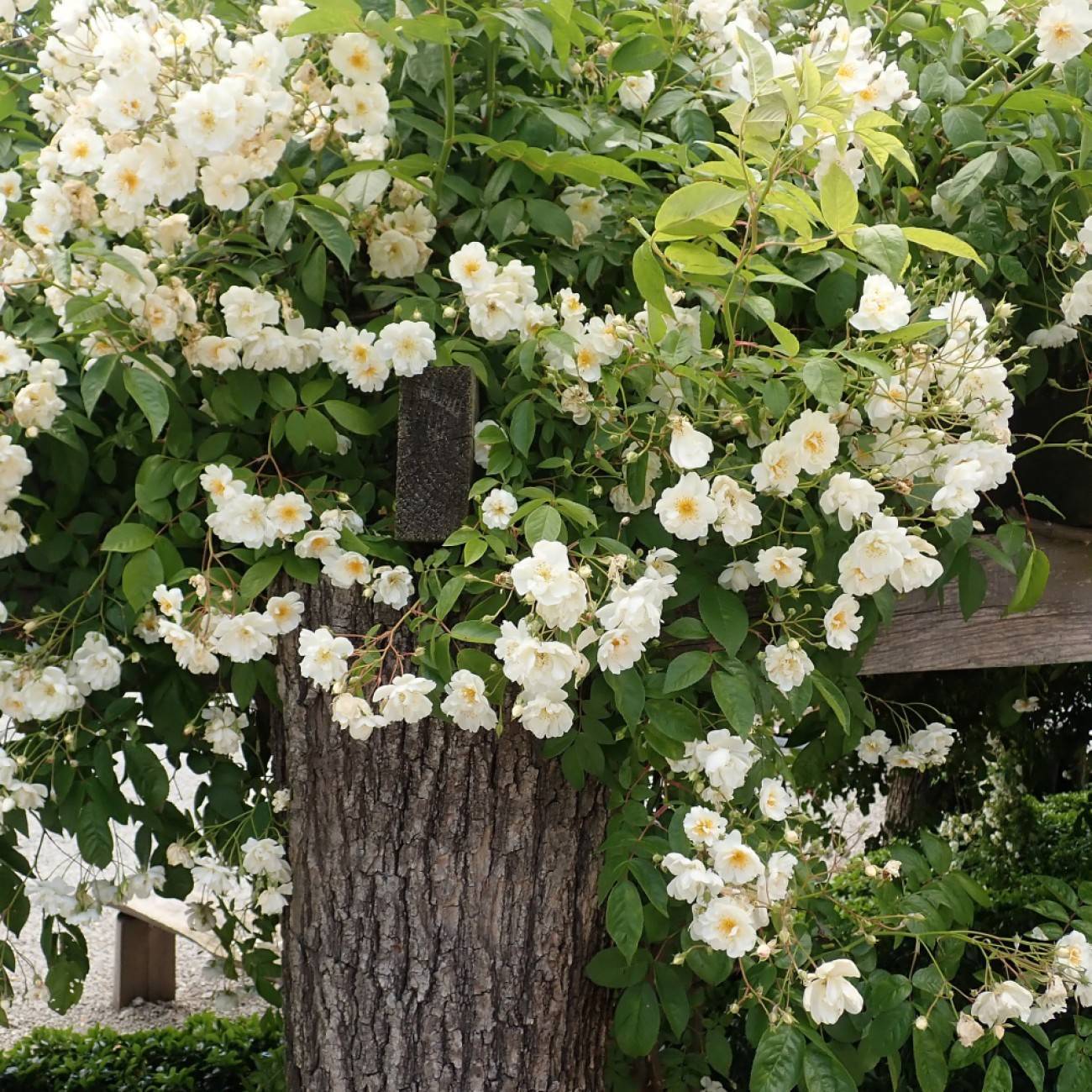
Hybrid Wichurana Rose
Rosa × wichurana
Hybrid Perpetual Rose
Rosa × hybrida perpetua
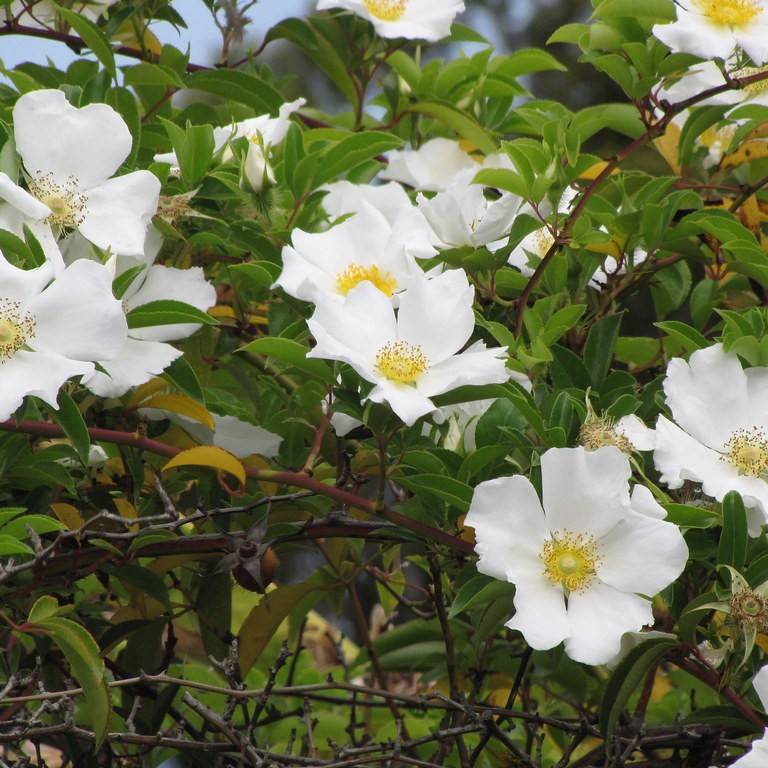
Cherokee Rose
Rosa laevigata
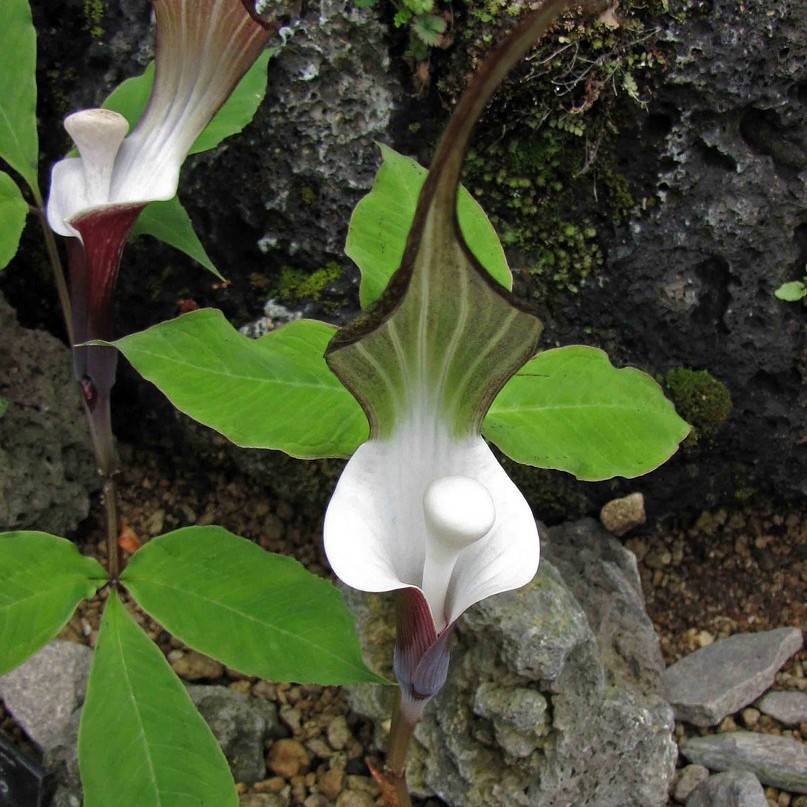
Japanese Jack In The Pulpit
Arisaema sikokianum
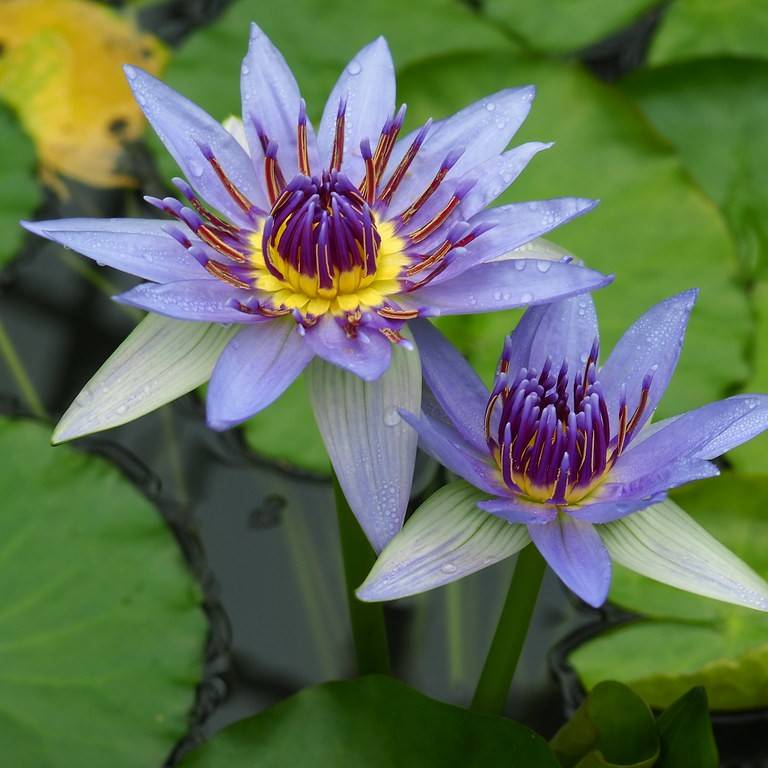
Egyptian Blue Water Lily
Nymphaea caerulea
Grandiflora Rose
Rosa 'Grandiflora' group
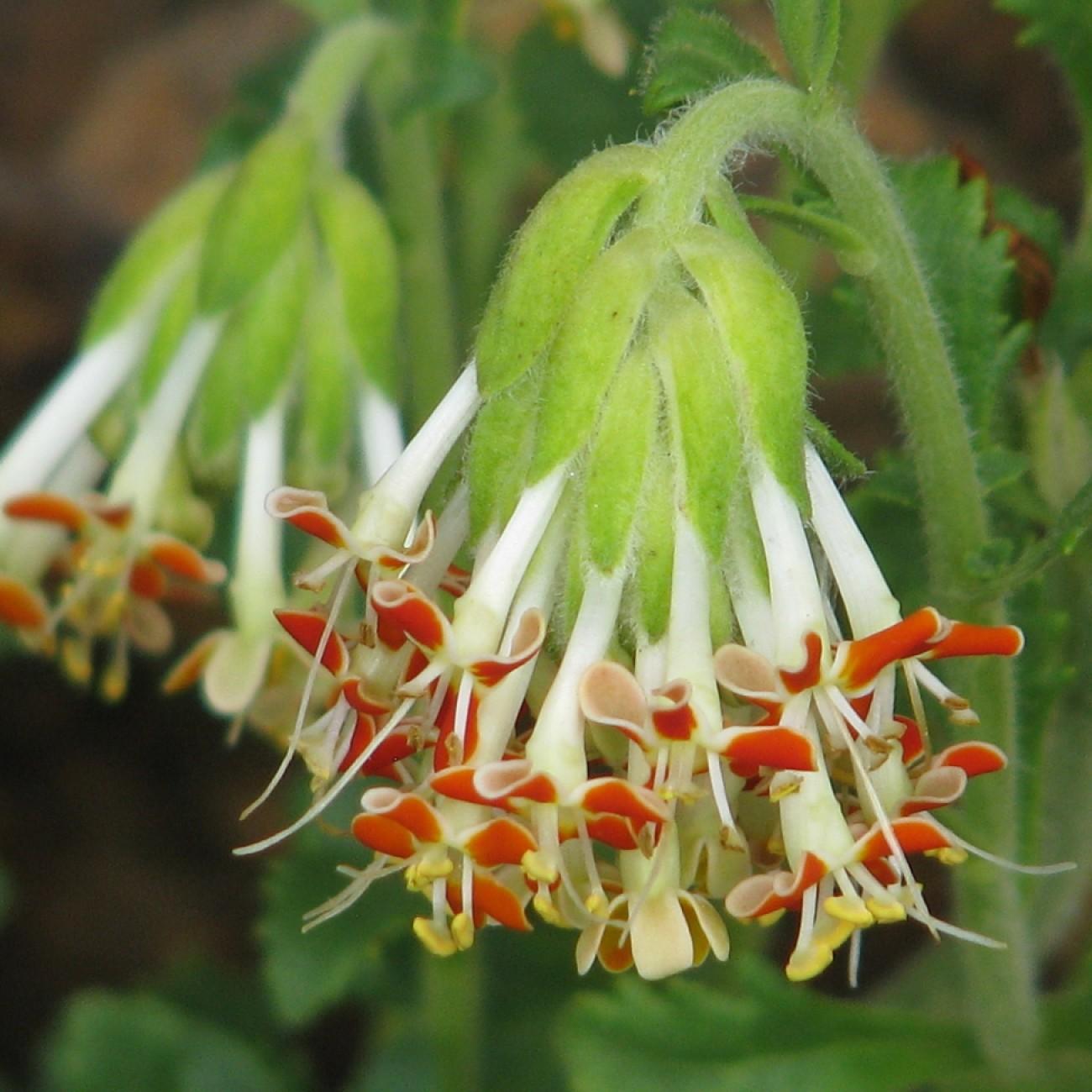
Glumicalyx
Glumicalyx spp.
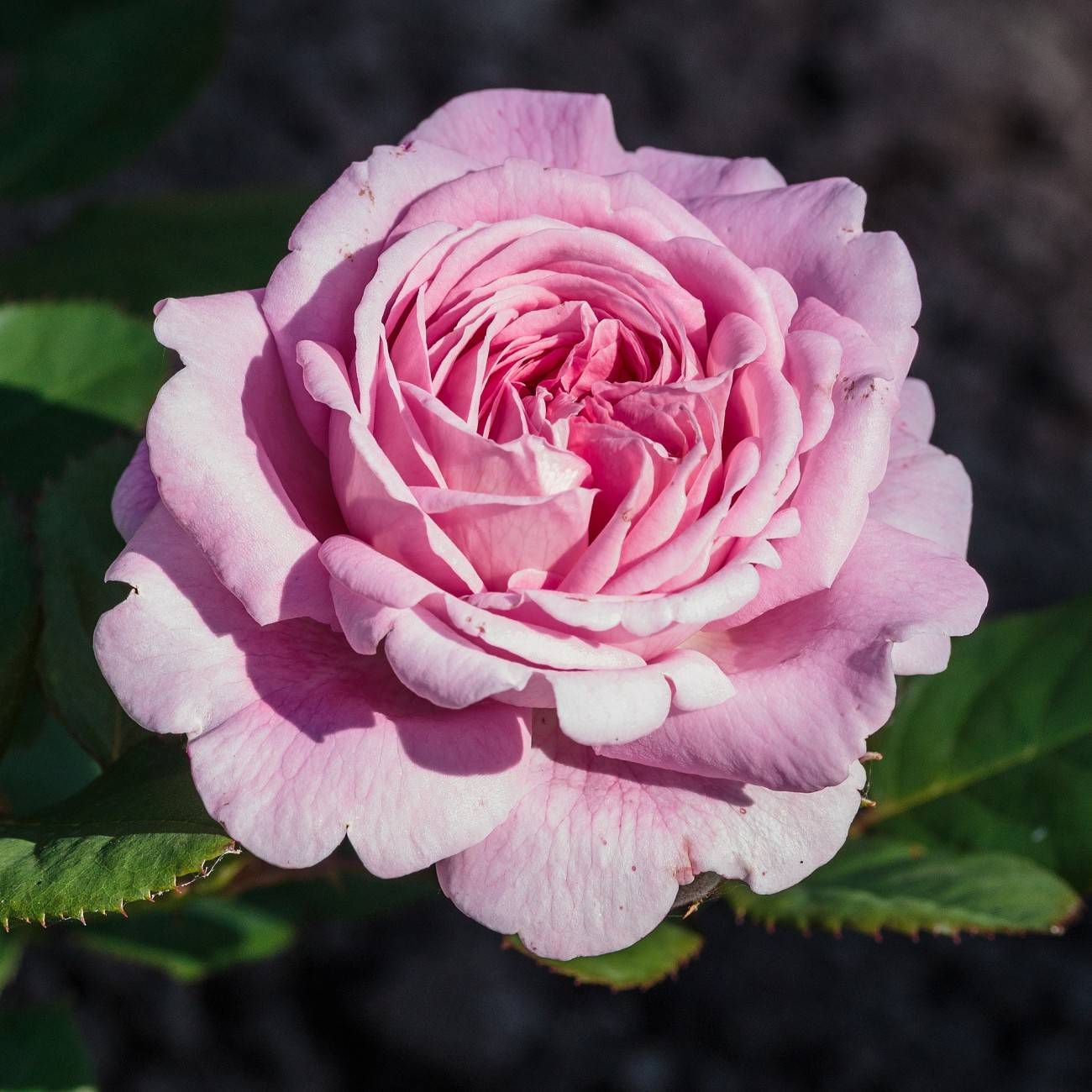
Hybrid Tea Rose
Rosa hybrida (Hybrid Tea Group)