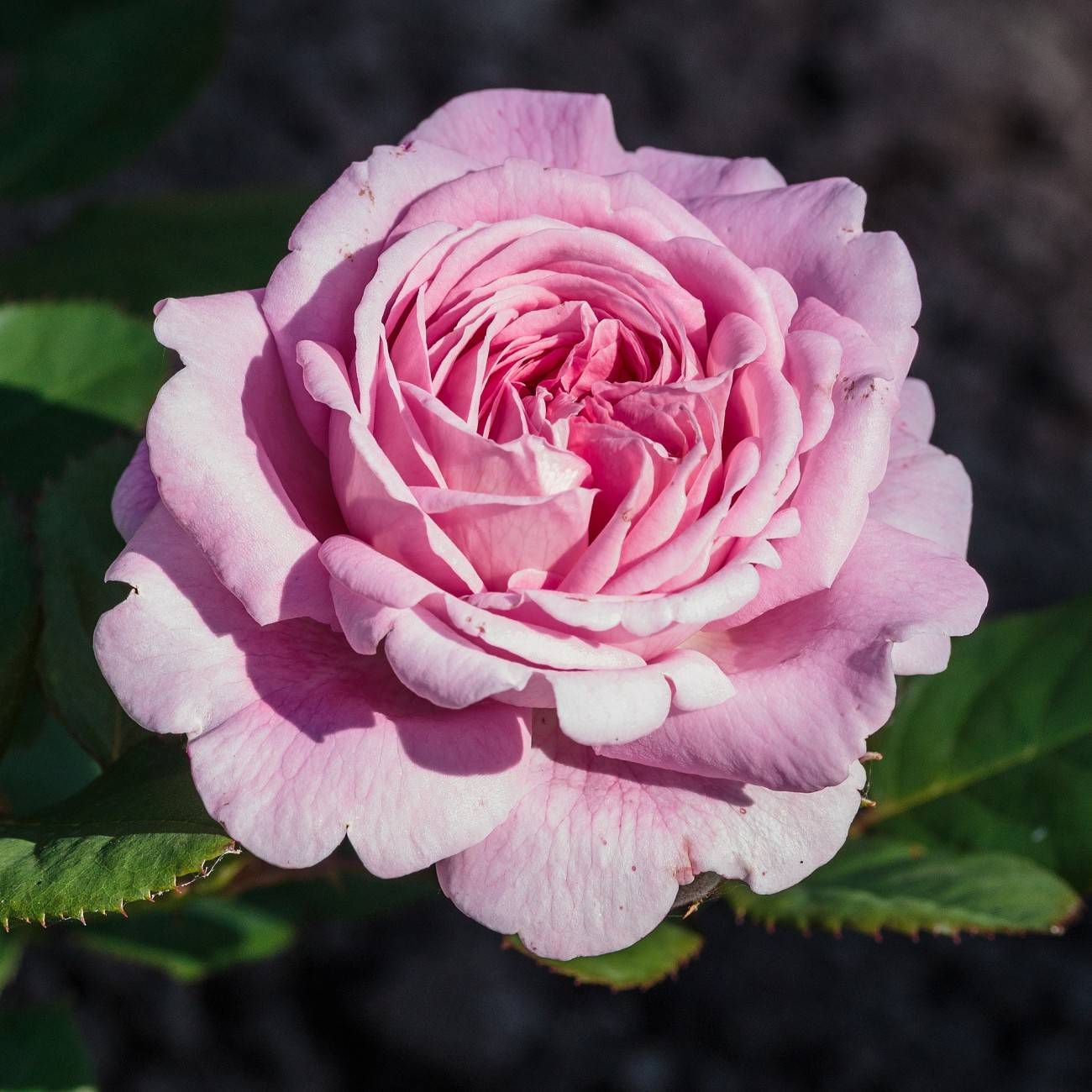
Hybrid Tea Rose
Rosa hybrida (Hybrid Tea Group)
Overview
Hybrid tea roses emerged in the 1860s as the first modern rose class, created by crossbreeding fragrant, heat-tolerant tea roses with hardy, repeat-blooming hybrid perpetual roses. They are the most widely cultivated cut flower globally, prized for their symmetrical, long-lasting blooms and extended flowering season from late spring to frost. Thousands of cultivars exist, spanning nearly every color except true blue, with varying levels of fragrance from subtle to intensely sweet.
Care Guide
Watering
Water hybrid tea roses deeply once or twice per week, delivering 1-2 inches of water directly to the root zone to avoid wetting foliage and reduce fungal disease risk. Reduce watering frequency in fall as growth slows, and avoid overwatering in poorly drained soil to prevent root rot.
Light
Plant in a location that receives a minimum of 6 hours of direct, unfiltered sunlight daily to promote abundant blooming and strong, disease-resistant growth. Morning sun is particularly beneficial, as it dries dew from foliage quickly to minimize fungal spore germination.
Soil
Grow in well-drained, loamy soil with a slightly acidic pH between 6.0 and 6.5, amended with compost or well-rotted manure to improve nutrient content and soil structure. Heavy clay soils can be amended with perlite or sand to enhance drainage, while sandy soils benefit from added organic matter to retain moisture and nutrients.
Fertilizer
Feed established hybrid tea roses every 4-6 weeks during the active growing season, using a balanced rose fertilizer with a 10-10-10 or 12-12-12 NPK ratio to support foliage growth and bloom production. Stop fertilizing 6-8 weeks before the first expected fall frost to prevent tender new growth from being damaged by cold temperatures.
Temperature
Hybrid tea roses grow best in temperatures between 60 and 75°F (15 and 24°C), and most cultivars are hardy in USDA zones 5 to 9. In colder zones, protect plants in winter by mounding soil or mulch 8-12 inches around the base after the first hard frost, and remove the mound in early spring before new growth emerges.
Pruning
Prune hybrid tea roses heavily in late winter or early spring before bud break, cutting back canes to 12-24 inches above the soil surface to encourage strong, upright growth and large blooms. Deadhead spent flowers regularly by cutting the stem back to a 5-leaflet node to stimulate continuous reblooming throughout the growing season.
Propagation
Hybrid tea roses are most commonly propagated via hardwood cuttings taken in late fall or winter, or through T-budding onto hardy rootstock to ensure consistent cultivar traits and improved disease resistance. Growing hybrid tea roses from seed is not recommended, as seeds will not produce plants identical to the parent cultivar.
Humidity
Hybrid tea roses prefer moderate humidity levels between 40 and 60 percent; high humidity paired with poor air circulation increases risk of fungal diseases like powdery mildew and black spot. If grown in a greenhouse or indoor space, provide consistent air flow with fans to reduce excess moisture on foliage.
Repotting
Potted hybrid tea roses should be repotted every 2-3 years in early spring, moving to a container 2 inches larger in diameter than the current pot to accommodate root growth. Use a high-quality, well-drained potting mix formulated for roses, and trim any circling or damaged roots before planting to encourage healthy root development.
Uses & Symbolism
Hybrid tea roses are the most popular cut flower for floral arrangements, bouquets, and special events, prized for their long vase life of 7-14 days and elegant, classic bloom shape. They are widely planted in formal rose gardens, border plantings, and container displays for ornamental value, and many fragrant cultivars are used in the production of rose essential oils, perfumes, and cosmetic products.
Diseases & Pests
Hybrid tea roses are highly susceptible to fungal diseases including black spot, powdery mildew, and rust, which thrive in warm, humid conditions with poor air circulation and wet foliage. Common pests include aphids, spider mites, thrips, and Japanese beetles, which feed on foliage, buds, and blooms, and can be controlled with insecticidal soap, neem oil, or targeted pesticide applications.
Related plants
Other plants you might like if you grow Hybrid Tea Rose.
%22%2F%3E%0A%20%20%20%20%20%20%3Ccircle%20cx%3D%22920%22%20cy%3D%22180%22%20r%3D%2290%22%20fill%3D%22%23cfe8d5%22%2F%3E%0A%20%20%20%20%20%20%3Cpath%20d%3D%22M600%20590c-90-180-215-255-310-280%200%20165%20118%20296%20270%20296h40z%22%20fill%3D%22%2379b88e%22%2F%3E%0A%20%20%20%20%20%20%3Cpath%20d%3D%22M600%20590c80-150%20198-212%20302-228-8%20142-123%20255-270%20255h-32z%22%20fill%3D%22%235c9f73%22%2F%3E%0A%20%20%20%20%20%20%3Cpath%20d%3D%22M600%20610V360%22%20stroke%3D%22%234f8c64%22%20stroke-width%3D%2218%22%20stroke-linecap%3D%22round%22%2F%3E%0A%20%20%20%20%20%20%3Ctext%20x%3D%22600%22%20y%3D%22700%22%20text-anchor%3D%22middle%22%20font-family%3D%22Arial%2C%20sans-serif%22%20font-size%3D%2244%22%20fill%3D%22%23365c45%22%3E%0A%20%20%20%20%20%20%20%20Plant%20image%20coming%20soon%0A%20%20%20%20%20%20%3C%2Ftext%3E%0A%20%20%20%20%3C%2Fsvg%3E%0A%20%20)
Grandiflora Rose
Rosa 'Grandiflora' group
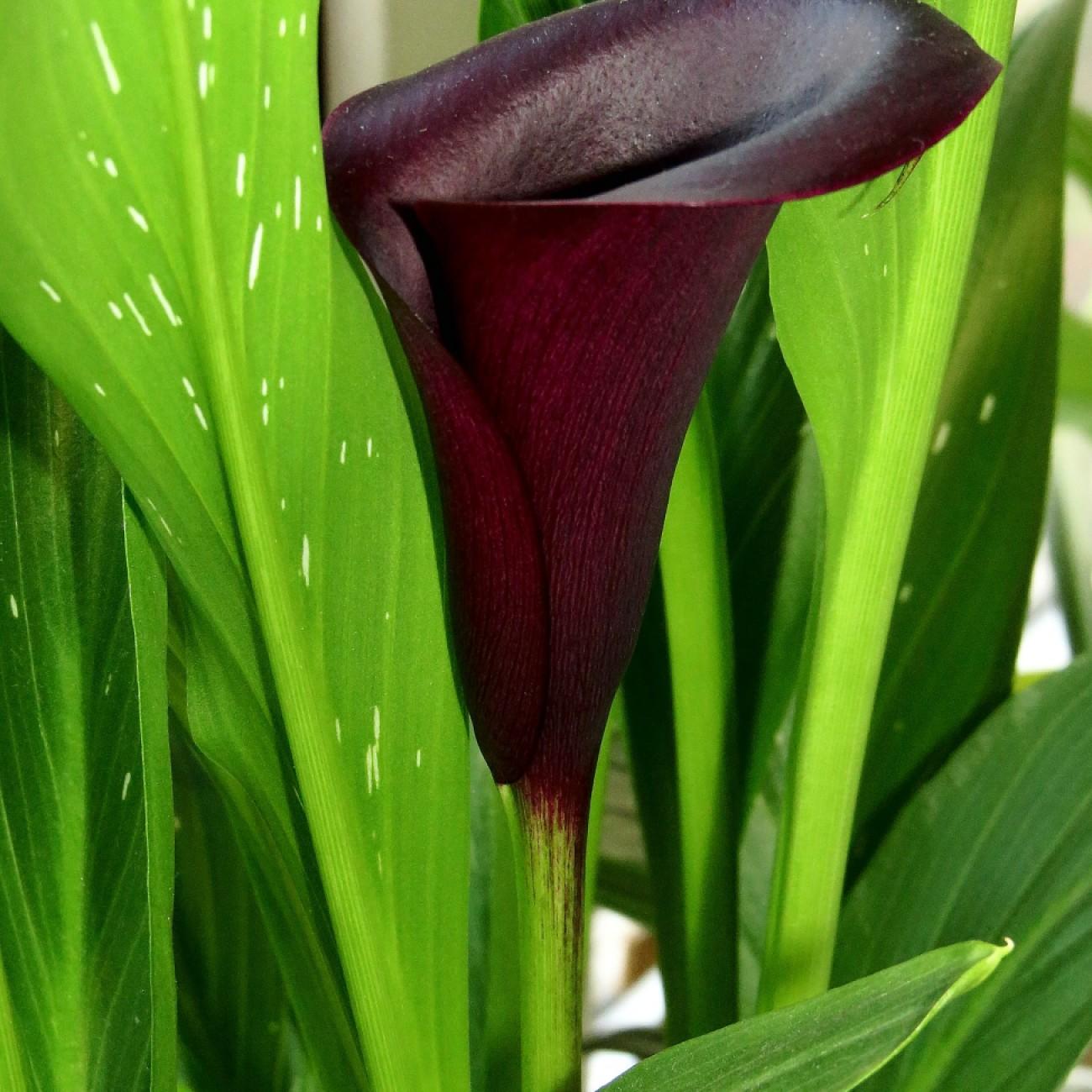
Calla Lily
Zantedeschia aethiopica
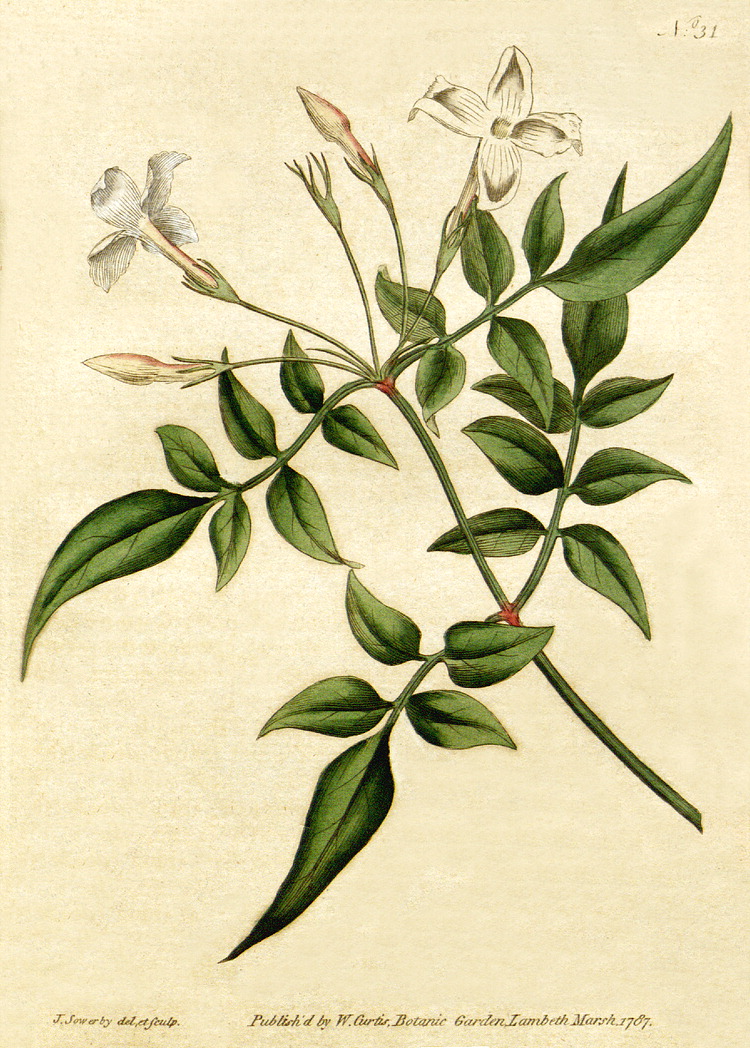
Common Jasmine
Jasminum officinale
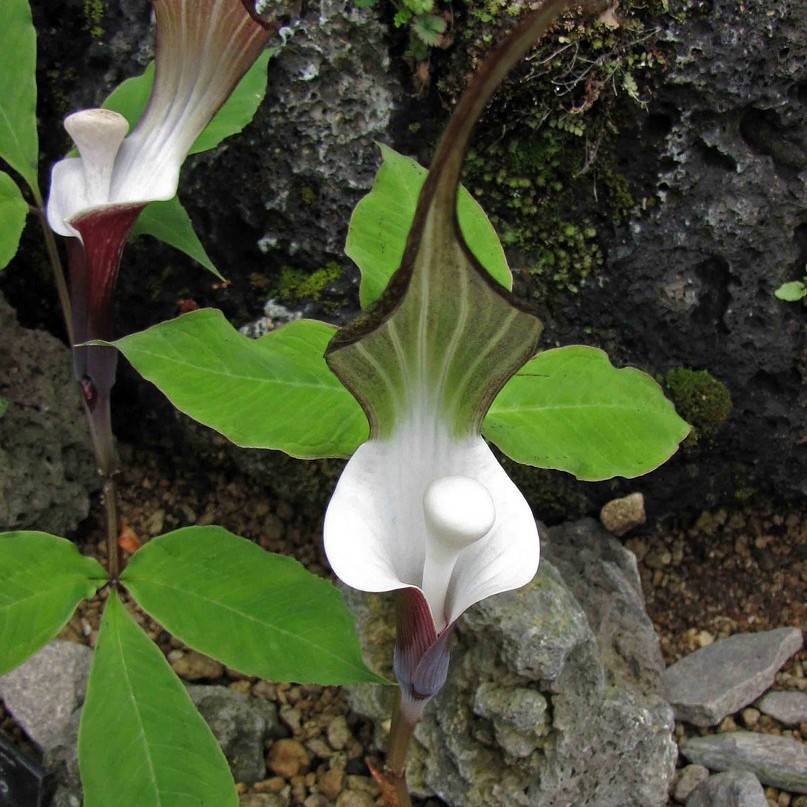
Japanese Jack In The Pulpit
Arisaema sikokianum
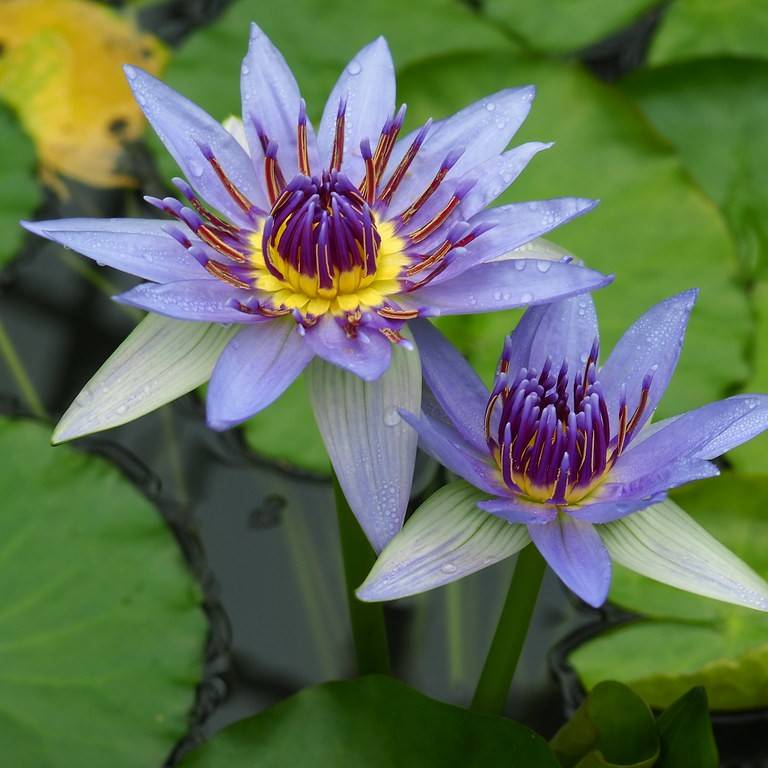
Egyptian Blue Water Lily
Nymphaea caerulea
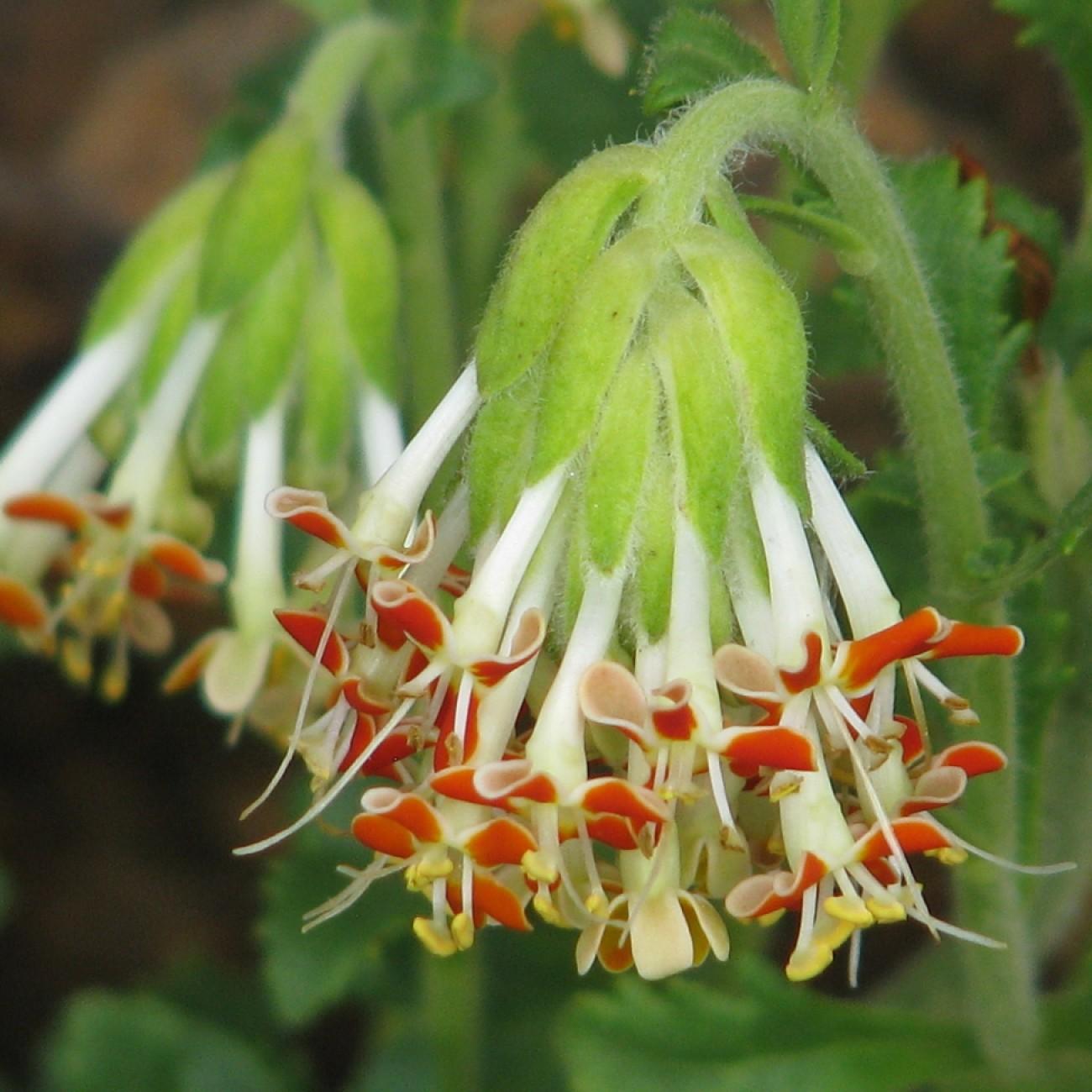
Glumicalyx
Glumicalyx spp.
Large Flowered Climbing Rose
Rosa 'Large Flowered Climbing' (hybrid group)
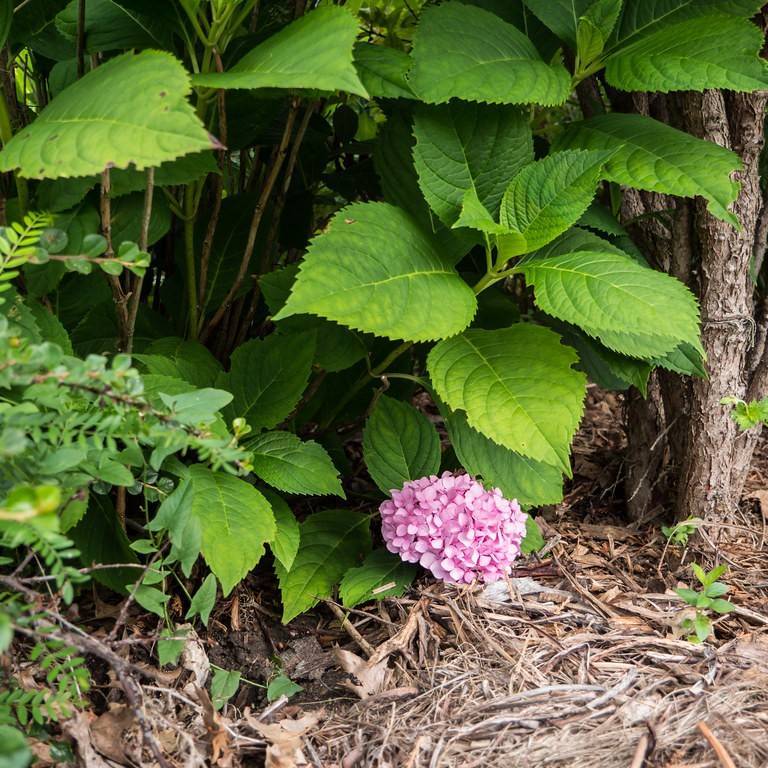
Bigleaf Hydrangea
Hydrangea macrophylla