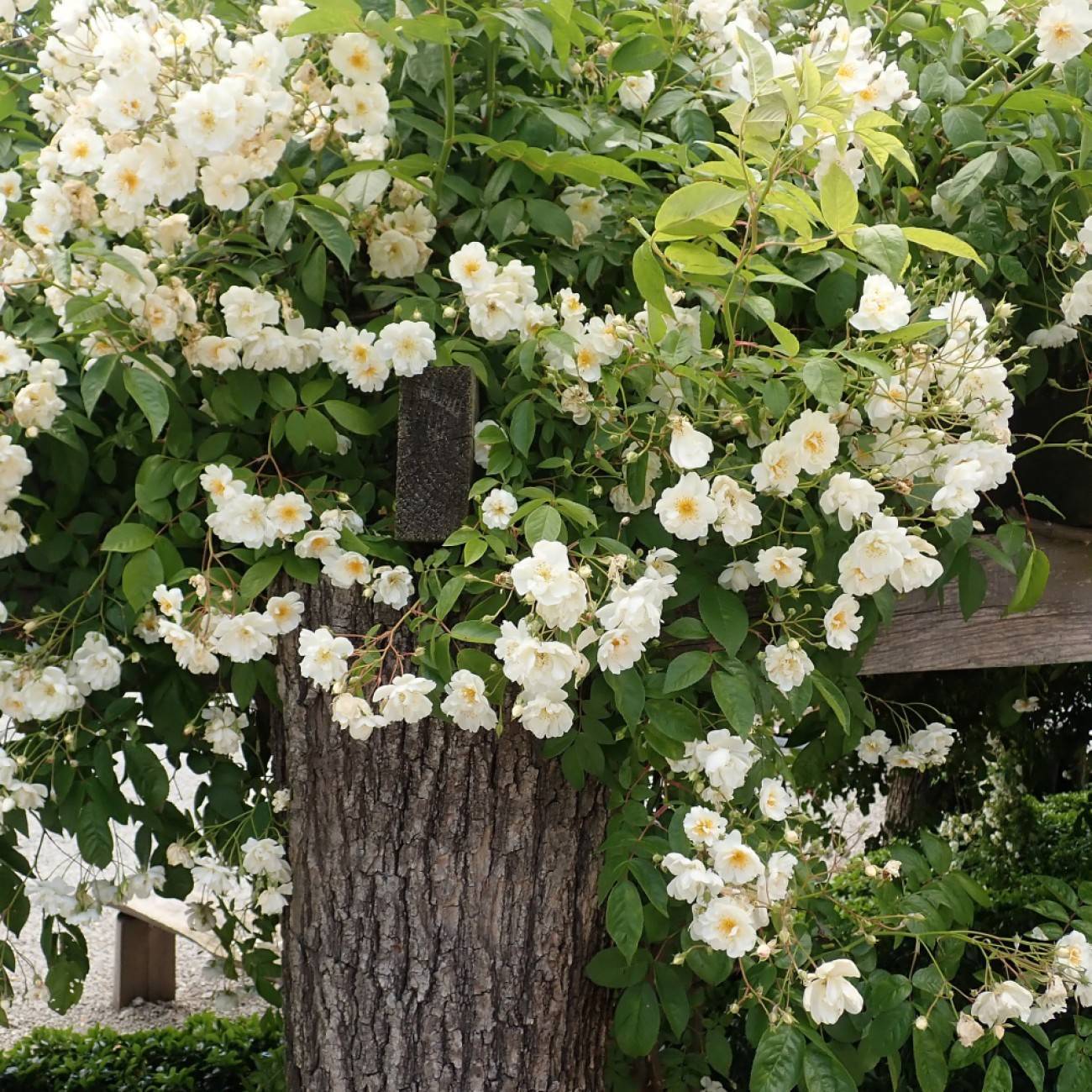
Hybrid Wichurana Rose
Rosa × wichurana
Overview
Hybrid Wichurana roses are crosses between the trailing East Asian Rosa wichurana and hybrid tea or other garden rose varieties, first developed in the late 19th century. They produce cascading stems lined with glossy, dark green semi-evergreen leaves, and clusters of small, usually double or semi-double blooms in shades of white, pink, red, or yellow. Many varieties release a soft, sweet fragrance during their summer flowering period, and they are prized for their high disease resistance compared to many other rose types.
Care Guide
Watering
Water deeply 1-2 times per week during the growing season, allowing the top 2 inches of soil to dry out between waterings to prevent fungal root rot. Avoid overhead watering that wets foliage, as this can increase the risk of black spot and powdery mildew; water at the base of the plant instead. Reduce watering frequency in fall and winter, only providing moisture when the soil is very dry to avoid overwatering dormant plants.
Light
Plant in full sun, receiving a minimum of 6 hours of direct sunlight per day to encourage abundant flowering and strong, disease-resistant growth. Partial shade is tolerated in very hot climates, but too little light will result in sparse blooms, leggy growth, and increased susceptibility to fungal diseases. Morning sun is particularly beneficial as it dries dew from foliage quickly, reducing fungal spore germination.
Soil
Grows best in well-draining, loamy soil with a slightly acidic pH between 6.0 and 6.5, amended with organic matter such as compost or well-rotted manure to improve nutrient content and drainage. Avoid heavy clay soils that hold standing water, as this will cause root rot and kill the plant quickly. If growing in a container, use a premium rose potting mix with added perlite or pumice to enhance drainage.
Fertilizer
Feed in early spring just as new growth emerges with a balanced, slow-release rose fertilizer formulated for flowering shrubs, following package dosage instructions to avoid overfertilizing which can burn roots. Apply a second dose of fertilizer immediately after the first flush of blooms fades in mid-summer to support continued flowering throughout the season. Stop fertilizing 6-8 weeks before the first expected frost date to prevent tender new growth that will be damaged by cold winter temperatures.
Temperature
Thrives in temperatures between 60-85°F (15-29°C) during the active growing season, and is winter hardy in USDA zones 5 through 9, tolerating minimum temperatures down to -20°F (-29°C) when properly mulched. In colder zones outside its hardiness range, protect trailing stems with a thick layer of straw or leaf mulch in late fall, or potted specimens can be moved to a cool, frost-free location for winter. Extreme summer temperatures above 90°F (32°C) may cause temporary bloom drop, so provide light afternoon shade in regions with very hot summers to mitigate stress.
Pruning
Prune in late winter or early spring before new growth begins, removing any dead, damaged, or diseased stems first, then thinning overcrowded growth to improve air circulation through the plant. Cut back remaining healthy stems by 1/3 to 1/2 to encourage strong new flowering growth, and train trailing stems along supports or trellises as needed to maintain the desired shape. Deadhead spent blooms regularly throughout the flowering season by cutting just above a leaf node with five leaflets to stimulate repeated flushes of flowers.
Propagation
Most commonly propagated via softwood cuttings taken in early summer, selecting 4-6 inch long stem tips with no flower buds, removing the lower leaves, dipping the cut end in rooting hormone, and planting in a well-draining propagation mix. Cuttings root best in high humidity under bright, indirect light, and usually develop a strong root system within 4-6 weeks, at which point they can be transplanted to larger containers or the garden. Hybrid varieties will not grow true from seed, so seed propagation is only used for breeding new cultivars, not for replicating established Hybrid Wichurana varieties.
Humidity
Prefers moderate humidity levels between 40-60%, which supports healthy growth and reduces the risk of fungal leaf diseases when paired with good air circulation. Very low humidity below 30% can cause leaf edges to brown and bud drop, so mist the foliage occasionally during extended dry periods if growing in an arid climate. High humidity above 70% combined with poor air circulation greatly increases the risk of black spot and powdery mildew, so space plants adequately and thin crowded stems regularly to promote airflow.
Repotting
Potted Hybrid Wichurana roses should be repotted every 2-3 years in early spring before new growth emerges, selecting a pot 2-3 inches larger than the current container with ample drainage holes. Gently loosen the root ball when repotting, trim any circling or dead roots, and refresh the potting mix with compost and slow-release rose fertilizer to provide nutrients for the growing season. Large, mature climbing specimens may not need frequent repotting, but topdress the soil with 1-2 inches of compost annually to replenish nutrients without disturbing the root system.
Uses & Symbolism
Hybrid Wichurana roses are widely used as groundcover on slopes and banks to control erosion, as their trailing stems root as they spread, creating a dense, low-maintenance flowering mat. They are also popular for training over arbors, trellises, fences, and garden walls, where their cascading stems and abundant blooms create a romantic, lush display during the summer months. Some varieties produce small, red rose hips in fall that provide food for birds and add winter interest to the garden, while the fragrant blooms are sometimes used for cut flower arrangements and potpourri.
Diseases & Pests
Hybrid Wichurana roses have strong natural disease resistance, but they can still be affected by common rose diseases including black spot, powdery mildew, and rust, especially in humid, poorly ventilated conditions. Common pests include aphids, spider mites, Japanese beetles, and rose slugs, which feed on foliage and sap, weakening the plant and reducing flowering if infestations are left untreated. Preventative measures including proper spacing, avoiding overhead watering, and regular pruning to improve air circulation significantly reduce the risk of both pest and disease issues, and minor infestations can be treated with insecticidal soap or horticultural oil.
Related plants
Other plants you might like if you grow Hybrid Wichurana Rose.
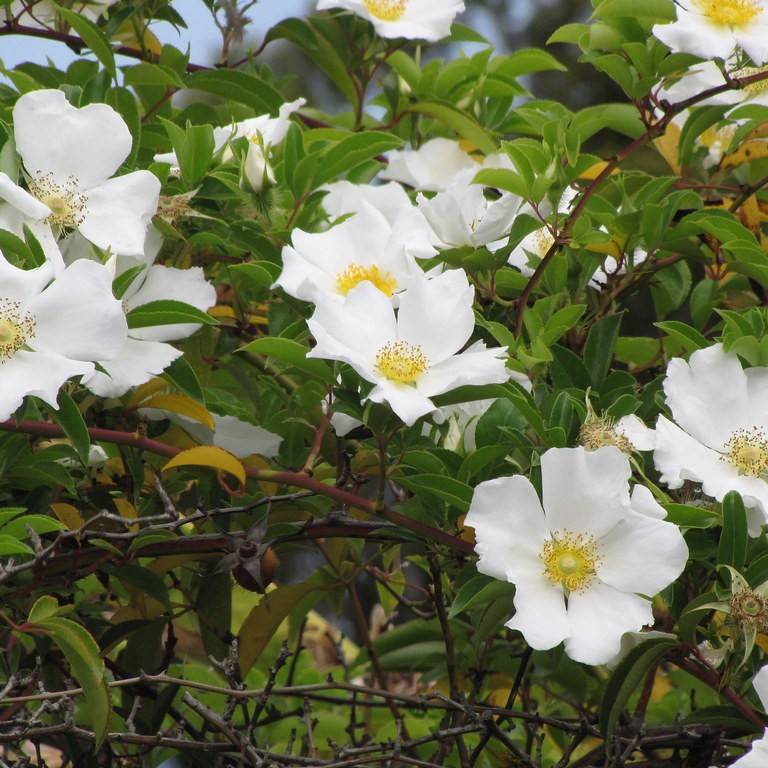
Cherokee Rose
Rosa laevigata
%22%2F%3E%0A%20%20%20%20%20%20%3Ccircle%20cx%3D%22920%22%20cy%3D%22180%22%20r%3D%2290%22%20fill%3D%22%23cfe8d5%22%2F%3E%0A%20%20%20%20%20%20%3Cpath%20d%3D%22M600%20590c-90-180-215-255-310-280%200%20165%20118%20296%20270%20296h40z%22%20fill%3D%22%2379b88e%22%2F%3E%0A%20%20%20%20%20%20%3Cpath%20d%3D%22M600%20590c80-150%20198-212%20302-228-8%20142-123%20255-270%20255h-32z%22%20fill%3D%22%235c9f73%22%2F%3E%0A%20%20%20%20%20%20%3Cpath%20d%3D%22M600%20610V360%22%20stroke%3D%22%234f8c64%22%20stroke-width%3D%2218%22%20stroke-linecap%3D%22round%22%2F%3E%0A%20%20%20%20%20%20%3Ctext%20x%3D%22600%22%20y%3D%22700%22%20text-anchor%3D%22middle%22%20font-family%3D%22Arial%2C%20sans-serif%22%20font-size%3D%2244%22%20fill%3D%22%23365c45%22%3E%0A%20%20%20%20%20%20%20%20Plant%20image%20coming%20soon%0A%20%20%20%20%20%20%3C%2Ftext%3E%0A%20%20%20%20%3C%2Fsvg%3E%0A%20%20)
Large Flowered Climbing Rose
Rosa 'Large Flowered Climbing' (hybrid group)
Climbing Polyantha Rose
Rosa 'Climbing Polyantha'
Climbing Miniature Rose
Rosa hybrida 'Climbing Miniature'
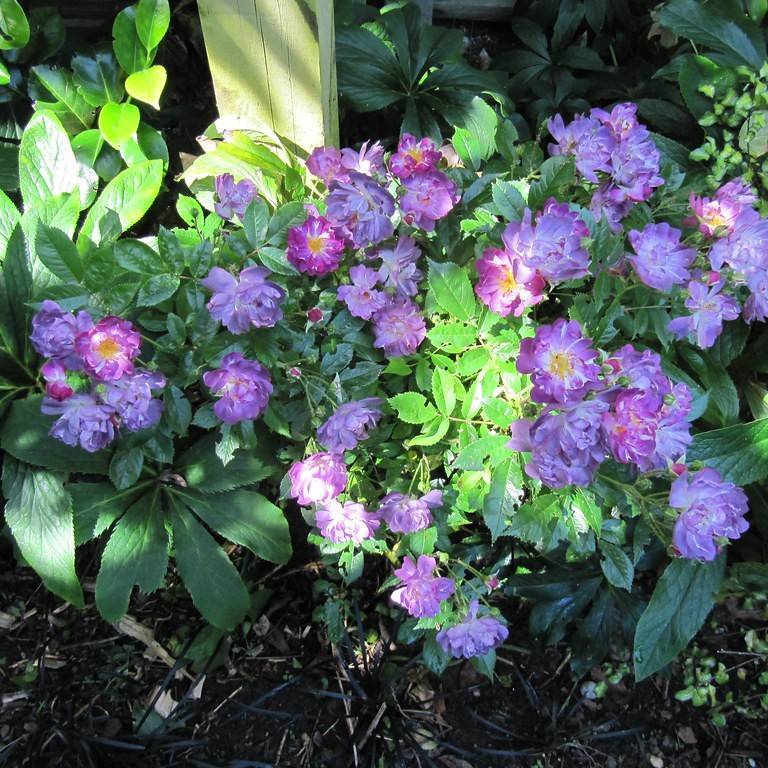
Hybrid Multiflora Rose
Rosa multiflora 'Hybrida'
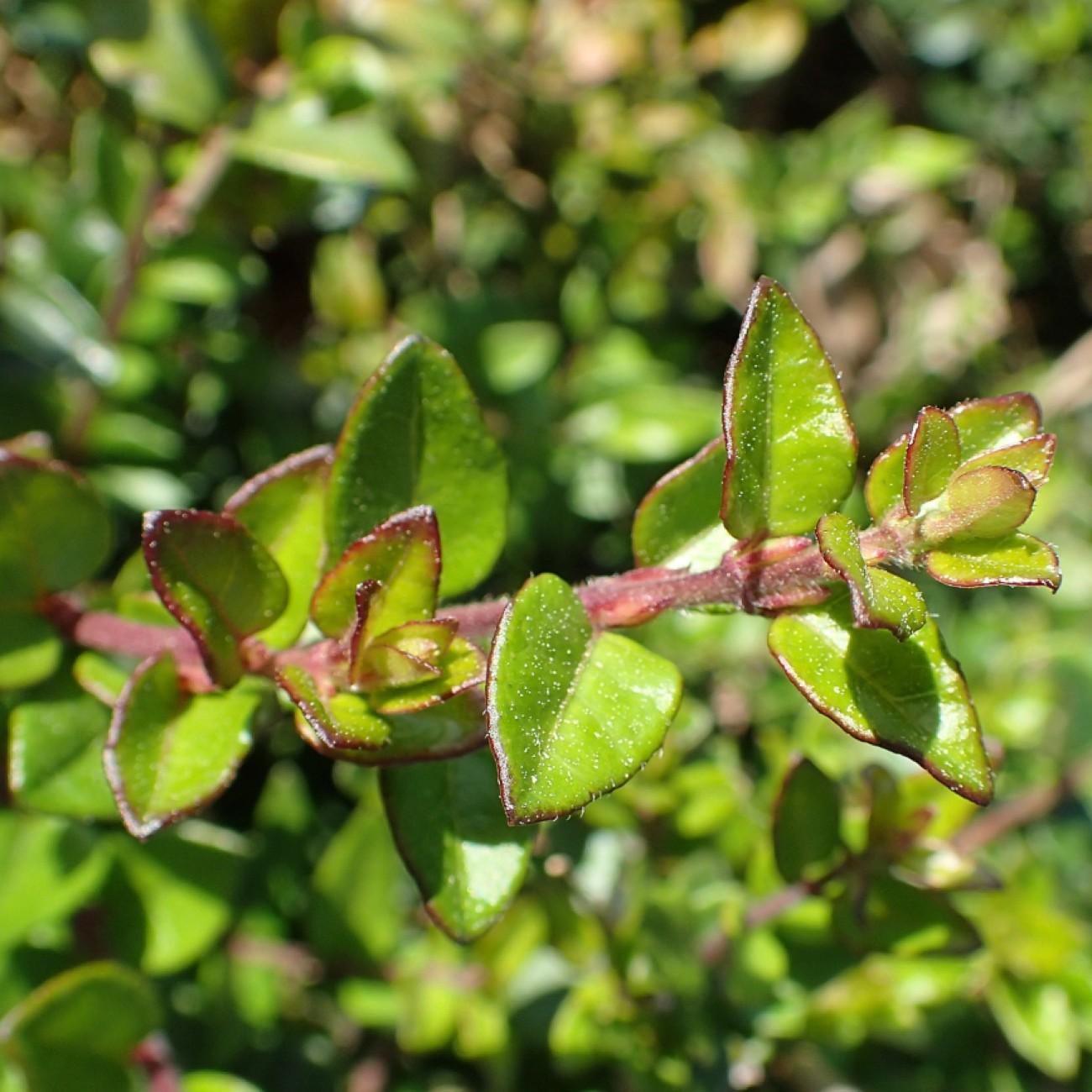
Honeysuckle
Lonicera spp.
Blue Trumpet Vine
Thunbergia grandiflora
Drumstick Primula
Primula denticulata