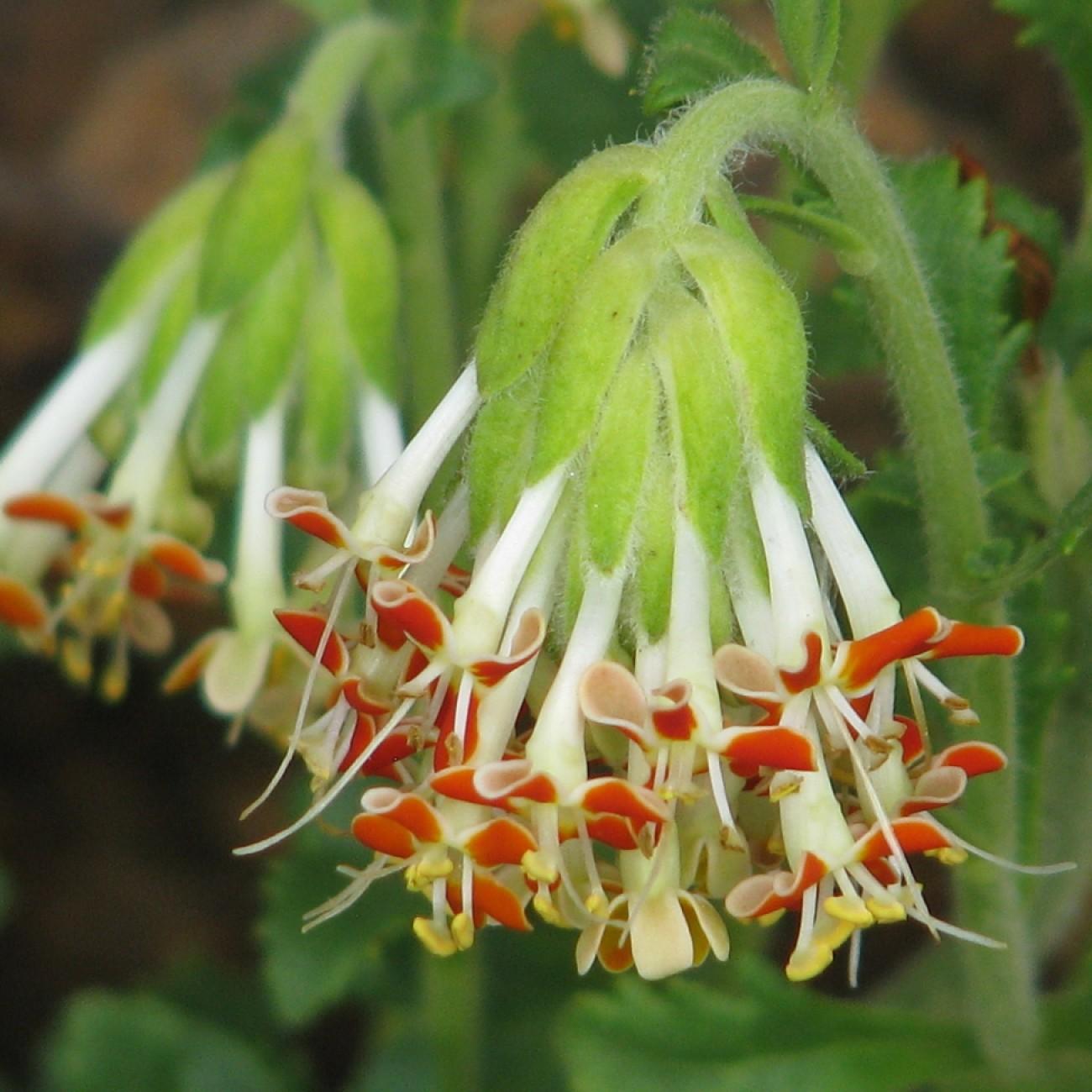
Glumicalyx
Glumicalyx spp.
Overview
Glumicalyx is a small genus of perennial herbs native to the montane grasslands, rocky slopes, and semi-arid regions of southern Africa, recognized for their compact, mat-forming or clumping growth habits. They produce clusters of delicate, tubular five-lobed flowers in shades of yellow, orange, or pale purple, which are adapted to attract pollinators including bees and sunbirds. Most species are adapted to well-drained, nutrient-poor soils and seasonal rainfall patterns, making them drought-tolerant once established.
Care Guide
Watering
Water Glumicalyx regularly during the active growing season in spring and summer, allowing the top 2 inches of soil to dry out between waterings to prevent root rot. Reduce watering significantly in fall and winter, providing only enough moisture to keep the rootball from completely drying out during the plant’s dormant period. Avoid overhead watering to minimize fungal growth on foliage, directing water to the base of the plant instead.
Light
Glumicalyx thrives in full sun, requiring at least 6 hours of direct sunlight daily to produce abundant blooms and maintain a compact growth habit. In regions with extremely hot, intense summer sun, it can tolerate partial afternoon shade to prevent foliage scorch, though too much shade will lead to leggy growth and reduced flowering. When grown indoors, place it in a south-facing window or under full-spectrum grow lights to meet its light requirements.
Soil
Plant Glumicalyx in sharply draining, sandy or gravelly soil with a slightly acidic to neutral pH range of 6.0 to 7.5, mimicking its native rocky grassland habitat. Avoid heavy, compacted clay soils that retain excess moisture, as these will quickly cause root rot in this drought-adapted genus. For container cultivation, use a cactus and succulent potting mix amended with perlite or coarse sand to improve drainage further.
Fertilizer
Fertilize Glumicalyx sparingly only once at the start of the growing season in early spring, using a balanced, slow-release fertilizer diluted to half the recommended strength. Over-fertilization will cause excessive soft, leggy foliage growth and reduce flowering, as the species is adapted to low-nutrient native soils. Do not fertilize during fall and winter when the plant is dormant, as this can damage sensitive root systems.
Temperature
Glumicalyx prefers mild to warm temperatures between 60°F and 80°F (15°C and 27°C) during its active growing season, and can tolerate light frost down to 25°F (-4°C) for short periods once established. In regions with harsh, prolonged winter freezes, it should be grown in containers that can be moved indoors, or mulched heavily to protect root systems from cold damage. Avoid exposing the plant to temperatures above 90°F (32°C) for extended periods without occasional shade and supplemental watering.
Pruning
Prune Glumicalyx lightly after flowering ends in late summer to remove spent bloom stalks and trim back any leggy or damaged growth, encouraging a denser, more compact form for the next growing season. Remove any yellowed or dead foliage throughout the year to improve air circulation and reduce the risk of fungal disease. No heavy pruning is required, as the plant naturally maintains a small, clumping habit.
Propagation
Glumicalyx is most commonly propagated from seed sown in early spring, with seeds requiring light to germinate so they should be pressed lightly into the soil surface rather than covered. It can also be propagated via division of mature clumps in early spring, carefully separating root sections with at least one growing shoot and replanting immediately in well-draining soil. Take softwood cuttings from new growth in late spring, rooting them in a perlite and peat mix under high humidity for 3 to 4 weeks before transplanting.
Humidity
Glumicalyx adapts well to moderate to low humidity levels between 30% and 50%, matching the semi-arid and montane conditions of its native range. It does not require extra humidity when grown indoors, and high humidity above 60% can increase the risk of fungal leaf and root diseases. Ensure good air circulation around the plant at all times to reduce moisture buildup on foliage.
Repotting
Repot container-grown Glumicalyx only every 2 to 3 years, as it prefers being slightly root-bound and grows slowly. Repot in early spring before new growth begins, selecting a container only 1 to 2 inches larger in diameter than the current one to avoid excess soil that holds unnecessary moisture. After repotting, water lightly and avoid fertilizing for 4 to 6 weeks to allow roots to establish in the new soil without stress.
Uses & Symbolism
Glumicalyx is primarily used as an ornamental plant in rock gardens, alpine gardens, xeriscape landscapes, and container displays, valued for its long-lasting colorful blooms and low-water requirements. It is also sometimes planted in pollinator gardens to attract native bees and sunbirds in its native southern African range. Some local indigenous communities use small amounts of certain species in traditional herbal remedies for minor inflammatory ailments, though medicinal use is not widespread.
Diseases & Pests
Glumicalyx is relatively pest and disease resistant when grown in proper conditions, but is highly susceptible to root rot caused by overwatering or poorly draining soil. It may occasionally be affected by fungal leaf spots if grown in high humidity with poor air circulation, which can be treated by removing affected foliage and adjusting watering practices. Aphids and spider mites may infest stressed plants, particularly when grown indoors, and can be controlled with insecticidal soap or neem oil applications.
Related plants
Other plants you might like if you grow Glumicalyx.
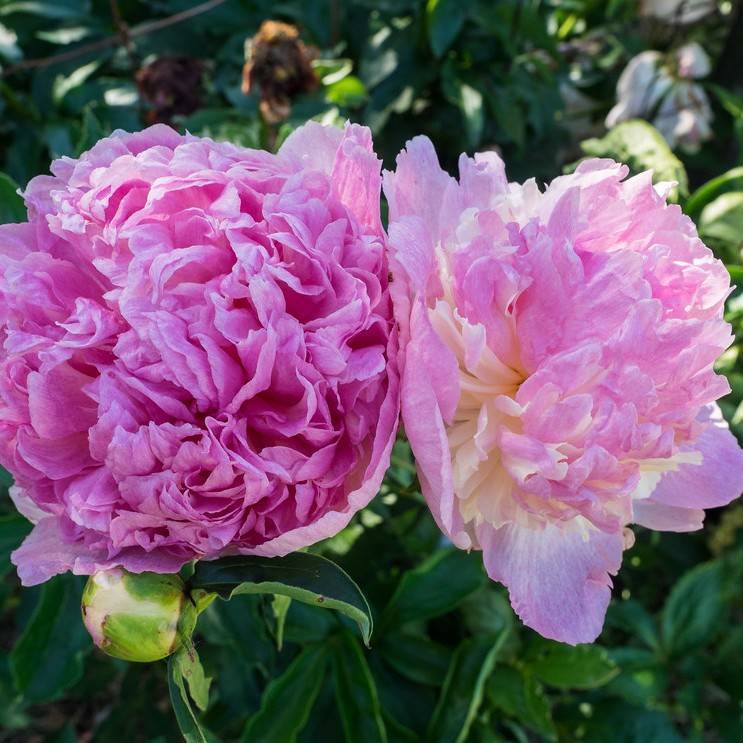
Fernleaf Peony
Paeonia tenuifolia
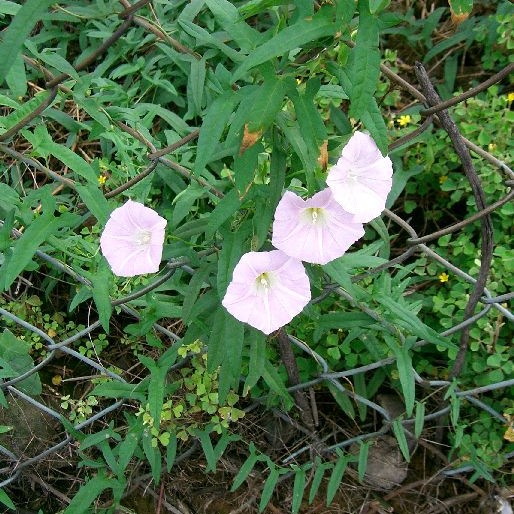
Hairy False Bindweed
Calystegia pubescens
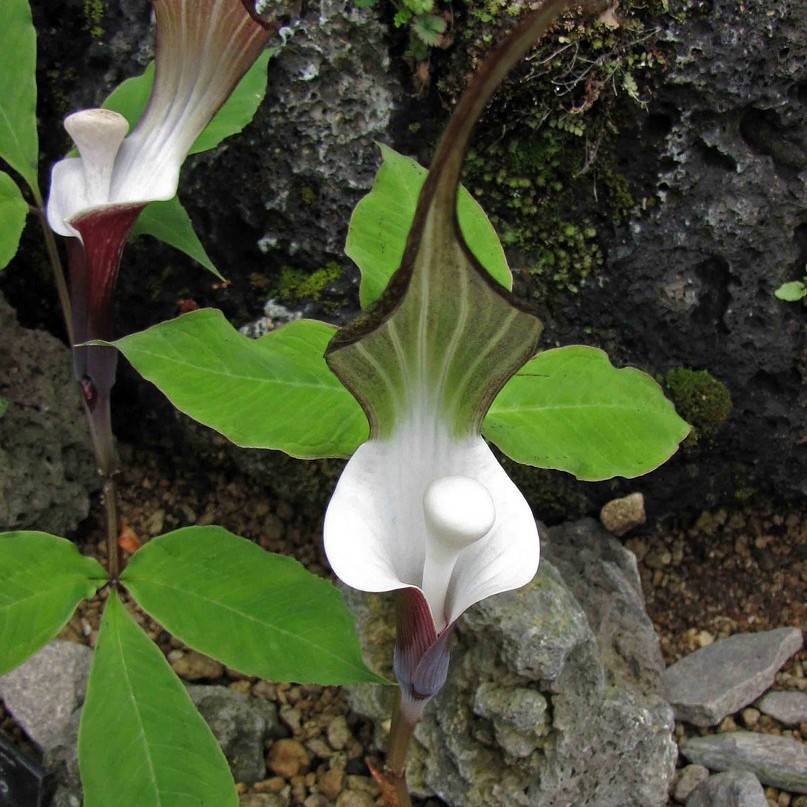
Japanese Jack In The Pulpit
Arisaema sikokianum
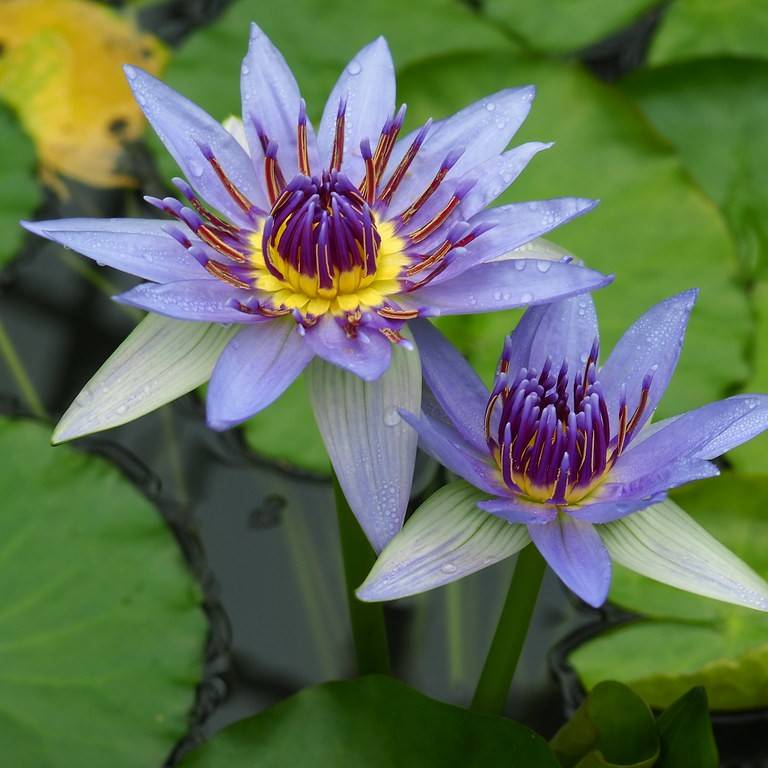
Egyptian Blue Water Lily
Nymphaea caerulea
%22%2F%3E%0A%20%20%20%20%20%20%3Ccircle%20cx%3D%22920%22%20cy%3D%22180%22%20r%3D%2290%22%20fill%3D%22%23cfe8d5%22%2F%3E%0A%20%20%20%20%20%20%3Cpath%20d%3D%22M600%20590c-90-180-215-255-310-280%200%20165%20118%20296%20270%20296h40z%22%20fill%3D%22%2379b88e%22%2F%3E%0A%20%20%20%20%20%20%3Cpath%20d%3D%22M600%20590c80-150%20198-212%20302-228-8%20142-123%20255-270%20255h-32z%22%20fill%3D%22%235c9f73%22%2F%3E%0A%20%20%20%20%20%20%3Cpath%20d%3D%22M600%20610V360%22%20stroke%3D%22%234f8c64%22%20stroke-width%3D%2218%22%20stroke-linecap%3D%22round%22%2F%3E%0A%20%20%20%20%20%20%3Ctext%20x%3D%22600%22%20y%3D%22700%22%20text-anchor%3D%22middle%22%20font-family%3D%22Arial%2C%20sans-serif%22%20font-size%3D%2244%22%20fill%3D%22%23365c45%22%3E%0A%20%20%20%20%20%20%20%20Plant%20image%20coming%20soon%0A%20%20%20%20%20%20%3C%2Ftext%3E%0A%20%20%20%20%3C%2Fsvg%3E%0A%20%20)
Grandiflora Rose
Rosa 'Grandiflora' group
Large Flowered Climbing Rose
Rosa 'Large Flowered Climbing' (hybrid group)
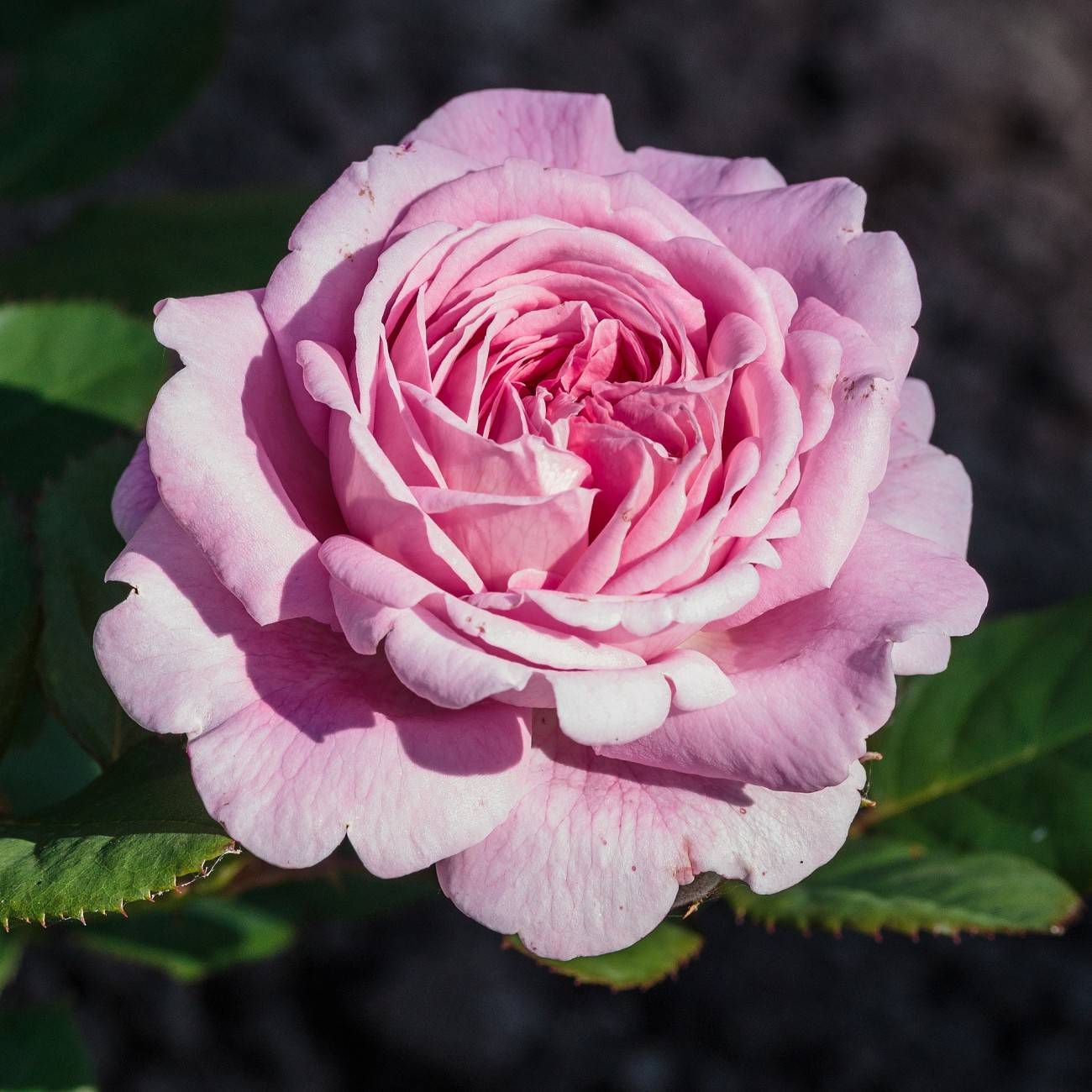
Hybrid Tea Rose
Rosa hybrida (Hybrid Tea Group)
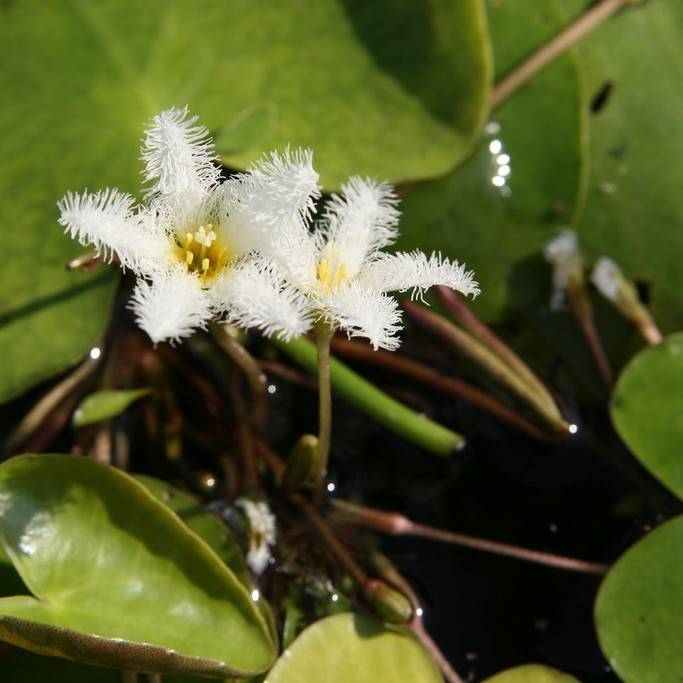
Crested Floatingheart
Nymphoides cristata