Cherokee Rose
Rosa laevigata
Overview
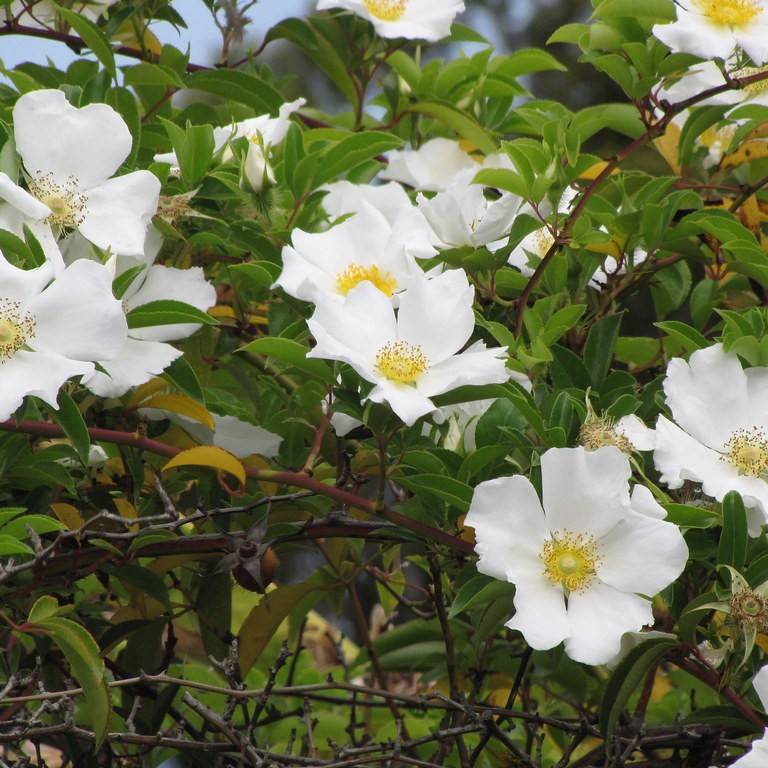
Rosa laevigata is a vigorous, thorny evergreen climbing rose known for its glossy, leathery dark green foliage and large, solitary white blooms that emit a soft, sweet fragrance. Though native to East Asia, it naturalized widely across the southeastern U.S. by the 18th century, earning its common name and designation as Georgia's official state flower in 1916. It is culturally tied to the Cherokee Nation, where it symbolizes the pain and resilience of the 1838 Trail of Tears forced relocation.
Care Guide
Watering
Water deeply once per week during active growth, allowing the top 2 inches of soil to dry out between waterings to prevent root rot. Reduce frequency in winter when the plant is semi-dormant, watering only during extended dry spells to keep the root zone lightly moist. Avoid overhead watering to minimize fungal disease risk on foliage.
Light
Grow in full sun for maximum flower production, requiring at least 6 hours of direct, unfiltered sunlight daily. It can tolerate light partial shade, though extended shade will reduce blooming and make the plant more susceptible to pest infestations. In hot southern climates, light afternoon shade can prevent scorch on young foliage.
Soil
Prefers well-drained, loamy, slightly acidic soil with a pH between 5.5 and 6.5, though it adapts to most average garden soils as long as they do not stay waterlogged. Amend heavy clay soils with compost or aged pine bark to improve drainage before planting. Add a 2-inch layer of organic mulch around the base to retain moisture and regulate soil temperature.
Fertilizer
Apply a balanced, slow-release rose fertilizer in early spring just as new growth emerges to support foliage and bloom development. Feed a second time after the first flush of flowers fades to encourage occasional repeat blooming through the summer. Avoid fertilizing after mid-fall, as this can stimulate tender new growth that will be damaged by frost.
Temperature
Thrives in USDA hardiness zones 7 through 9, tolerating winter temperatures as low as 0°F (-18°C) when planted in a sheltered location. Young plants may require winter protection, such as burlap wrapping or a layer of straw over the root zone, in the coldest parts of its range. It tolerates high summer heat and humidity well, as long as it has adequate air circulation.
Pruning
Prune in late winter or early spring before new growth begins, removing dead, diseased, or crossing canes to improve air flow and structure. Cut back overgrown canes by up to one-third to control size and encourage branching, which will produce more blooms the following season. Remove spent flowers promptly to keep the plant looking tidy, though deadheading is not required for bloom production.
Propagation
Most commonly propagated via hardwood cuttings taken in late fall or winter, using 6- to 8-inch segments of mature, dormant cane planted in a well-drained rooting medium. It can also be propagated via softwood cuttings taken in early summer, treated with rooting hormone to speed up root development. Growing from seed is possible but slow, requiring cold stratification for 3 to 4 months before germination, and seedlings may not retain the exact characteristics of the parent plant.
Humidity
Prefers moderate to high humidity levels between 50% and 70%, which supports its evergreen foliage and healthy bloom development. It tolerates average outdoor humidity in most of its growing range, but prolonged dry air can cause leaf browning and reduce flowering. Ensure proper spacing between plants and consistent air circulation to prevent fungal issues in high-humidity environments.
Repotting
If grown in containers, repot every 2 to 3 years in late winter, moving to a pot one size larger with fresh, well-drained rose potting mix. Gently loosen the root ball before planting to encourage outward root growth, and water thoroughly after repotting to settle the soil. Mature container-grown specimens can be root-pruned every 3 to 4 years to keep them at a manageable size instead of moving to a larger pot.
Uses & Symbolism
Widely planted as an ornamental climbing rose for arbors, fences, and trellises, valued for its large, fragrant white blooms and glossy evergreen foliage. In traditional Chinese medicine, its fruits, roots, and leaves are used to treat a range of ailments including diarrhea, frequent urination, and minor skin irritations. It is also planted as a dense, thorny security hedge due to its vigorous sprawling growth and sharp prickles.
Diseases & Pests
Susceptible to common rose diseases including black spot, powdery mildew, and rust, which are most prevalent in humid conditions with poor air circulation. Common pests include aphids, spider mites, Japanese beetles, and rose scale, which feed on foliage and sap, weakening the plant if left untreated. Root rot can occur in poorly drained, waterlogged soils, so proper site preparation is critical to avoid this fatal condition.
Related plants
Other plants you might like if you grow Cherokee Rose.
Hybrid Wichurana Rose
Rosa × wichurana
%22%2F%3E%0A%20%20%20%20%20%20%3Ccircle%20cx%3D%22920%22%20cy%3D%22180%22%20r%3D%2290%22%20fill%3D%22%23cfe8d5%22%2F%3E%0A%20%20%20%20%20%20%3Cpath%20d%3D%22M600%20590c-90-180-215-255-310-280%200%20165%20118%20296%20270%20296h40z%22%20fill%3D%22%2379b88e%22%2F%3E%0A%20%20%20%20%20%20%3Cpath%20d%3D%22M600%20590c80-150%20198-212%20302-228-8%20142-123%20255-270%20255h-32z%22%20fill%3D%22%235c9f73%22%2F%3E%0A%20%20%20%20%20%20%3Cpath%20d%3D%22M600%20610V360%22%20stroke%3D%22%234f8c64%22%20stroke-width%3D%2218%22%20stroke-linecap%3D%22round%22%2F%3E%0A%20%20%20%20%20%20%3Ctext%20x%3D%22600%22%20y%3D%22700%22%20text-anchor%3D%22middle%22%20font-family%3D%22Arial%2C%20sans-serif%22%20font-size%3D%2244%22%20fill%3D%22%23365c45%22%3E%0A%20%20%20%20%20%20%20%20Plant%20image%20coming%20soon%0A%20%20%20%20%20%20%3C%2Ftext%3E%0A%20%20%20%20%3C%2Fsvg%3E%0A%20%20)
Climbing Polyantha Rose
Rosa 'Climbing Polyantha'
Large Flowered Climbing Rose
Rosa 'Large Flowered Climbing' (hybrid group)
Damask Rose
Rosa × damascena
Emperor's Candlesticks
Senna alata
Climbing Miniature Rose
Rosa hybrida 'Climbing Miniature'
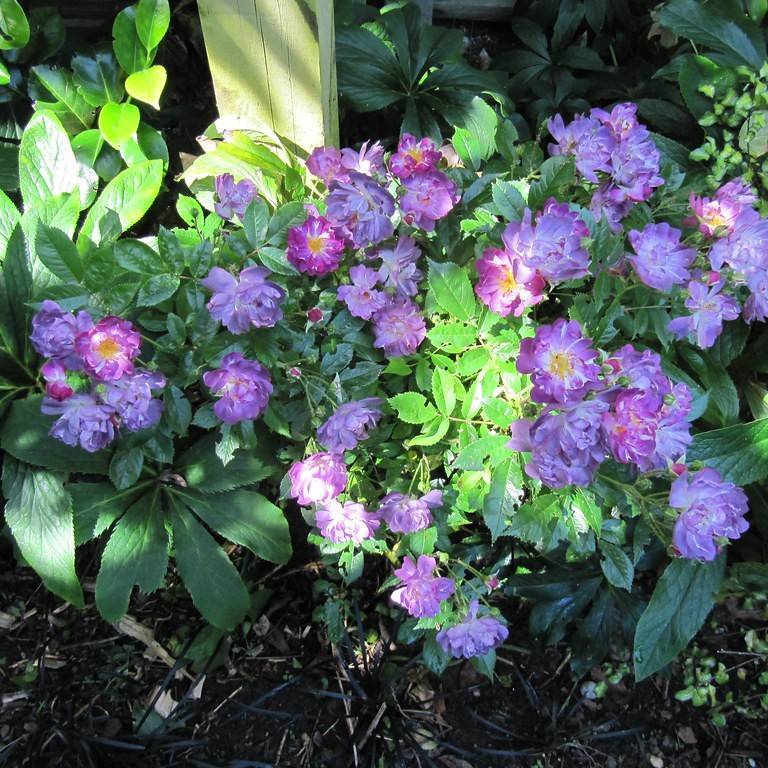
Hybrid Multiflora Rose
Rosa multiflora 'Hybrida'
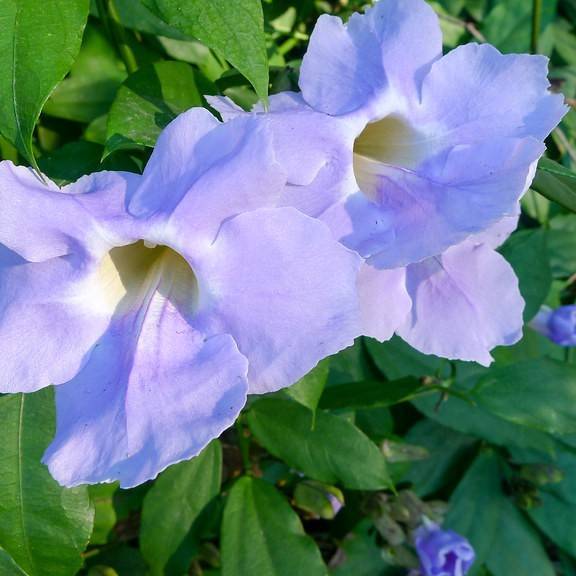
Blue Trumpet Vine
Thunbergia grandiflora