%22%2F%3E%0A%20%20%20%20%20%20%3Ccircle%20cx%3D%22920%22%20cy%3D%22180%22%20r%3D%2290%22%20fill%3D%22%23cfe8d5%22%2F%3E%0A%20%20%20%20%20%20%3Cpath%20d%3D%22M600%20590c-90-180-215-255-310-280%200%20165%20118%20296%20270%20296h40z%22%20fill%3D%22%2379b88e%22%2F%3E%0A%20%20%20%20%20%20%3Cpath%20d%3D%22M600%20590c80-150%20198-212%20302-228-8%20142-123%20255-270%20255h-32z%22%20fill%3D%22%235c9f73%22%2F%3E%0A%20%20%20%20%20%20%3Cpath%20d%3D%22M600%20610V360%22%20stroke%3D%22%234f8c64%22%20stroke-width%3D%2218%22%20stroke-linecap%3D%22round%22%2F%3E%0A%20%20%20%20%20%20%3Ctext%20x%3D%22600%22%20y%3D%22700%22%20text-anchor%3D%22middle%22%20font-family%3D%22Arial%2C%20sans-serif%22%20font-size%3D%2244%22%20fill%3D%22%23365c45%22%3E%0A%20%20%20%20%20%20%20%20Plant%20image%20coming%20soon%0A%20%20%20%20%20%20%3C%2Ftext%3E%0A%20%20%20%20%3C%2Fsvg%3E%0A%20%20)
Hybrid Perpetual Rose
Rosa × hybrida perpetua
Overview
Developed in 19th-century Europe as one of the first repeat-flowering garden roses, Hybrid Perpetuals dominated Victorian rose collections before the rise of Hybrid Teas. They produce large, fully double blooms in shades of pink, red, white, and purple, often with a rich, classic rose fragrance. Most varieties are extremely cold-hardy, thriving in regions where more tender modern rose cultivars struggle to survive winter freezes.
Care Guide
Watering
Water deeply 1-2 times per week, allowing the top 1-2 inches of soil to dry out between waterings to prevent root rot. Avoid wetting foliage when watering to reduce the risk of fungal diseases, and use drip irrigation or soaker hoses for best results. During periods of extreme heat or drought, increase watering frequency to prevent wilting and flower drop.
Light
Plant in full sun, receiving a minimum of 6 hours of direct unfiltered sunlight daily to support robust growth and abundant flowering. Partial shade may be tolerated in very hot, arid climates, but will result in fewer blooms and increased susceptibility to fungal pathogens. Ensure the planting site has good air circulation to reduce moisture buildup on leaves.
Soil
Grow in loamy, well-drained soil with a slightly acidic pH between 6.0 and 6.5 for optimal nutrient uptake. Amend heavy clay soils with compost, well-rotted manure, and perlite to improve drainage, and amend sandy soils with organic matter to increase moisture and nutrient retention. Avoid waterlogged sites, as standing water will quickly cause root rot and plant death.
Fertilizer
Apply a balanced, slow-release rose fertilizer in early spring just as new growth emerges, following package dosage instructions to avoid over-fertilization. Feed again after the first flush of blooms to support repeat flowering, and stop fertilizing 6-8 weeks before the first expected fall frost to prevent tender new growth from being damaged by cold. Add a 2-inch layer of well-rotted compost around the base of the plant annually to boost soil organic content.
Temperature
Thrives in temperate climates with average summer temperatures between 60-80°F (15-27°C), and is cold-hardy to USDA zones 4-9, with some varieties surviving down to -30°F (-34°C) with proper winter protection. Provide winter mulch around the base of the plant in colder zones to insulate roots, and avoid planting in areas with excessive late spring frost that can damage new growth. High temperatures above 90°F (32°C) may cause temporary bloom drop, so provide afternoon shade in extremely hot regions if possible.
Pruning
Prune in late winter or early spring before new bud break, removing dead, diseased, or crossing canes first to improve air circulation. Cut back remaining healthy canes by 1/3 to 1/2 of their height to encourage strong, upright new growth and larger blooms. Remove spent flowers regularly throughout the growing season to stimulate additional flowering and prevent the plant from expending energy on seed production.
Propagation
Most commonly propagated via hardwood cuttings taken in late fall or early winter, using 8-10 inch sections of healthy, mature canes from the current year's growth. Dip cut ends in rooting hormone, plant in a well-drained propagating medium, and keep in a cool, sheltered location until roots develop the following spring. Grafting onto hardy rootstock is also used commercially to improve disease resistance and cold hardiness, while seed propagation is not recommended as it will not produce plants true to the parent cultivar.
Humidity
Prefers moderate humidity levels between 40-60% for optimal growth, but can tolerate lower humidity levels if watered appropriately. High humidity combined with poor air circulation increases the risk of common rose fungal diseases such as black spot and powdery mildew, so space plants adequately to allow air flow around foliage. Avoid overhead watering in humid climates to keep leaf surfaces dry.
Repotting
If grown in containers, repot every 2-3 years in late winter, moving to a pot one size larger with fresh, well-drained rose potting mix. Prune back any circling or damaged roots during repotting to encourage healthy root growth, and ensure the container has adequate drainage holes to prevent waterlogging. Potted specimens may require more frequent watering and fertilization than in-ground plants due to limited soil volume.
Uses & Symbolism
Hybrid Perpetual Roses are widely planted in formal rose gardens, mixed perennial borders, and as specimen plants for their striking, fragrant blooms and cold hardiness. Cut flowers have a long vase life, making them popular for floral arrangements and cut flower gardens, while their strong fragrance makes them a common ingredient in potpourri and rose oil production. Some varieties also work well trained as short climbing roses or hedges for garden privacy.
Diseases & Pests
The most common diseases affecting Hybrid Perpetual Roses are black spot, powdery mildew, and rust, all fungal issues exacerbated by wet foliage, high humidity, and poor air circulation. Common pests include aphids, spider mites, Japanese beetles, and rose slugs, which feed on foliage and flower buds, weakening the plant if left untreated. Regular monitoring, proper cultural practices such as avoiding overhead watering, and targeted organic or synthetic fungicides and insecticides can prevent and control most issues.
Related plants
Other plants you might like if you grow Hybrid Perpetual Rose.
Large Flowered Climbing Rose
Rosa 'Large Flowered Climbing' (hybrid group)
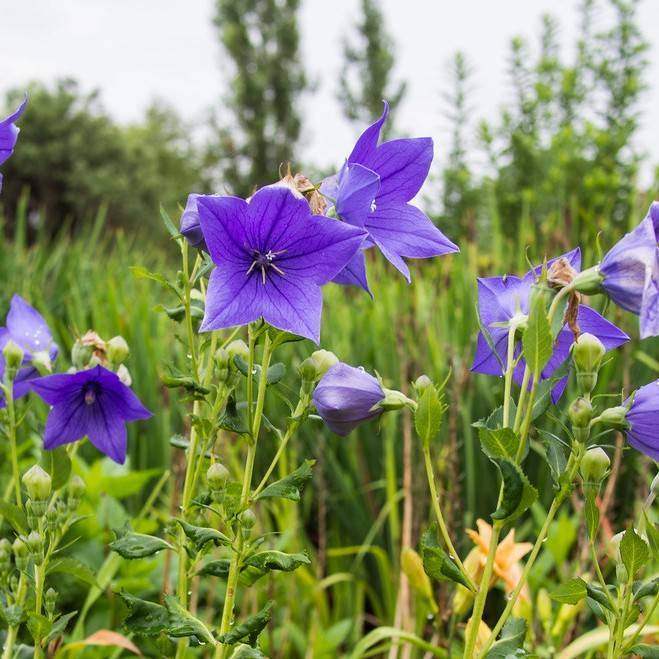
Balloon Flower
Platycodon grandiflorus
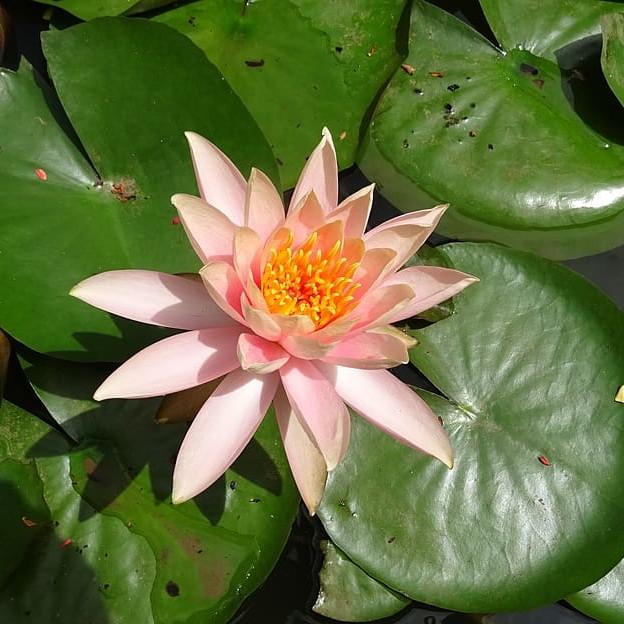
Hardy Water Lily
Nymphaea spp. (hardy cultivars)
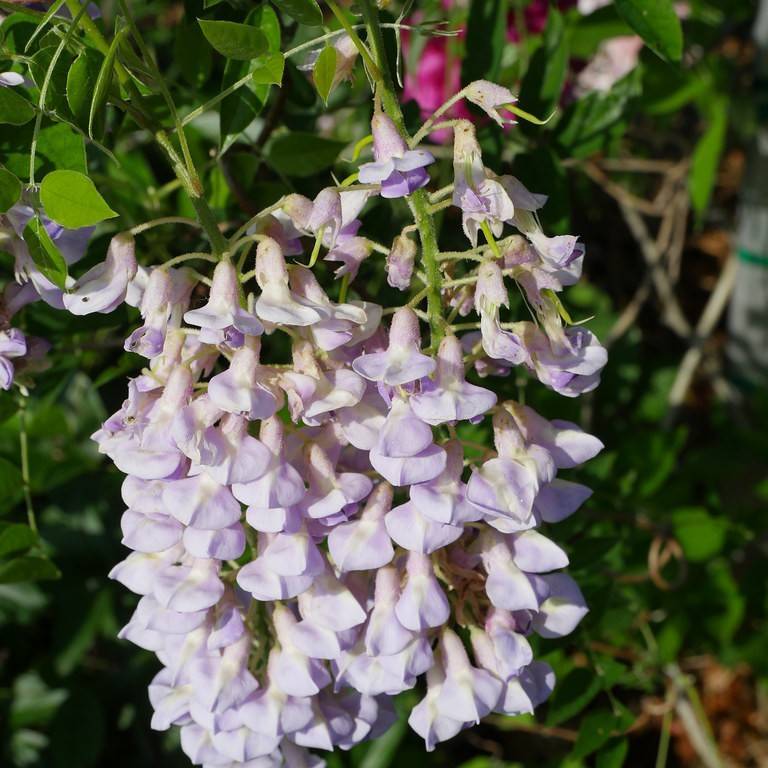
American Wisteria
Wisteria frutescens
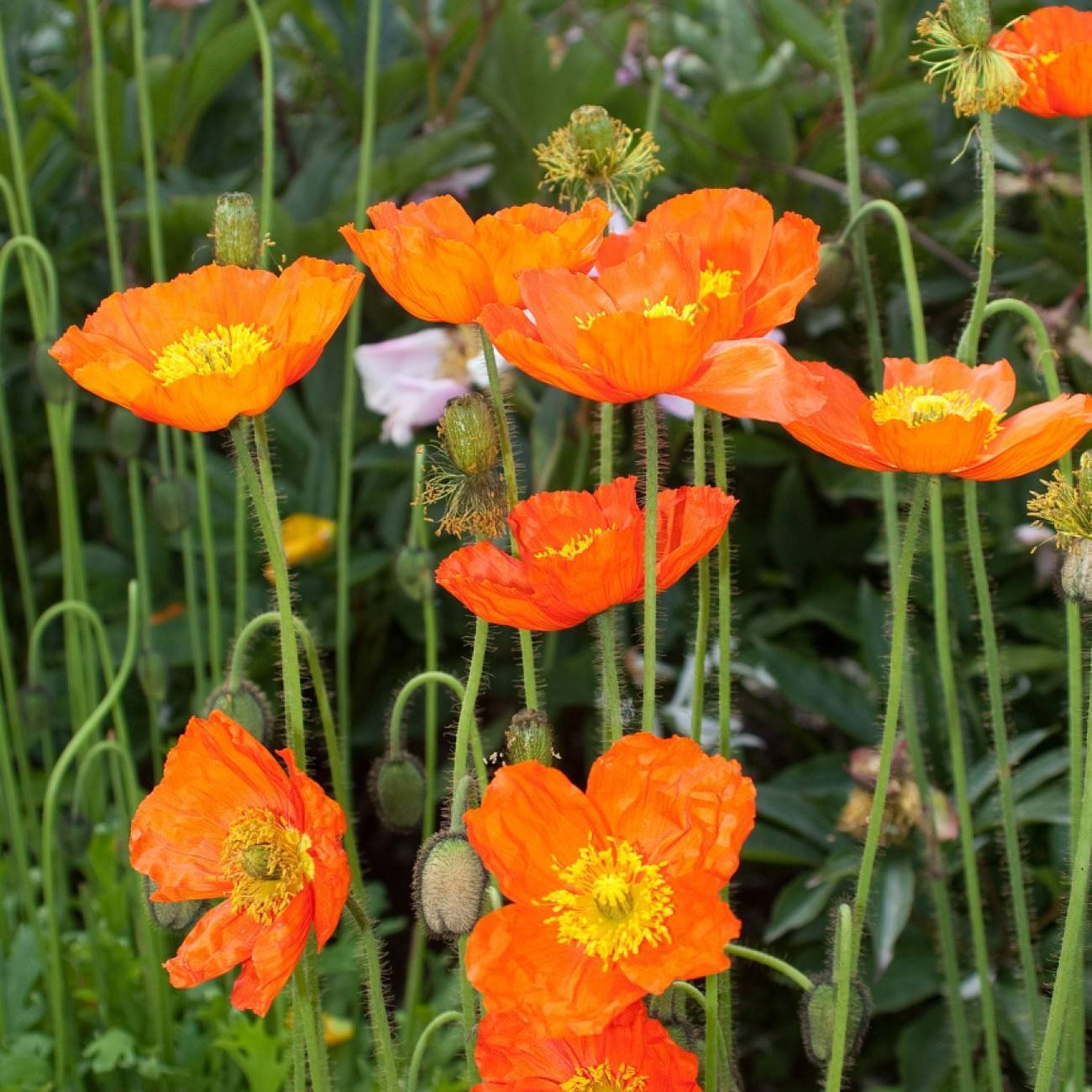
Arctic Poppy
Papaver radicatum
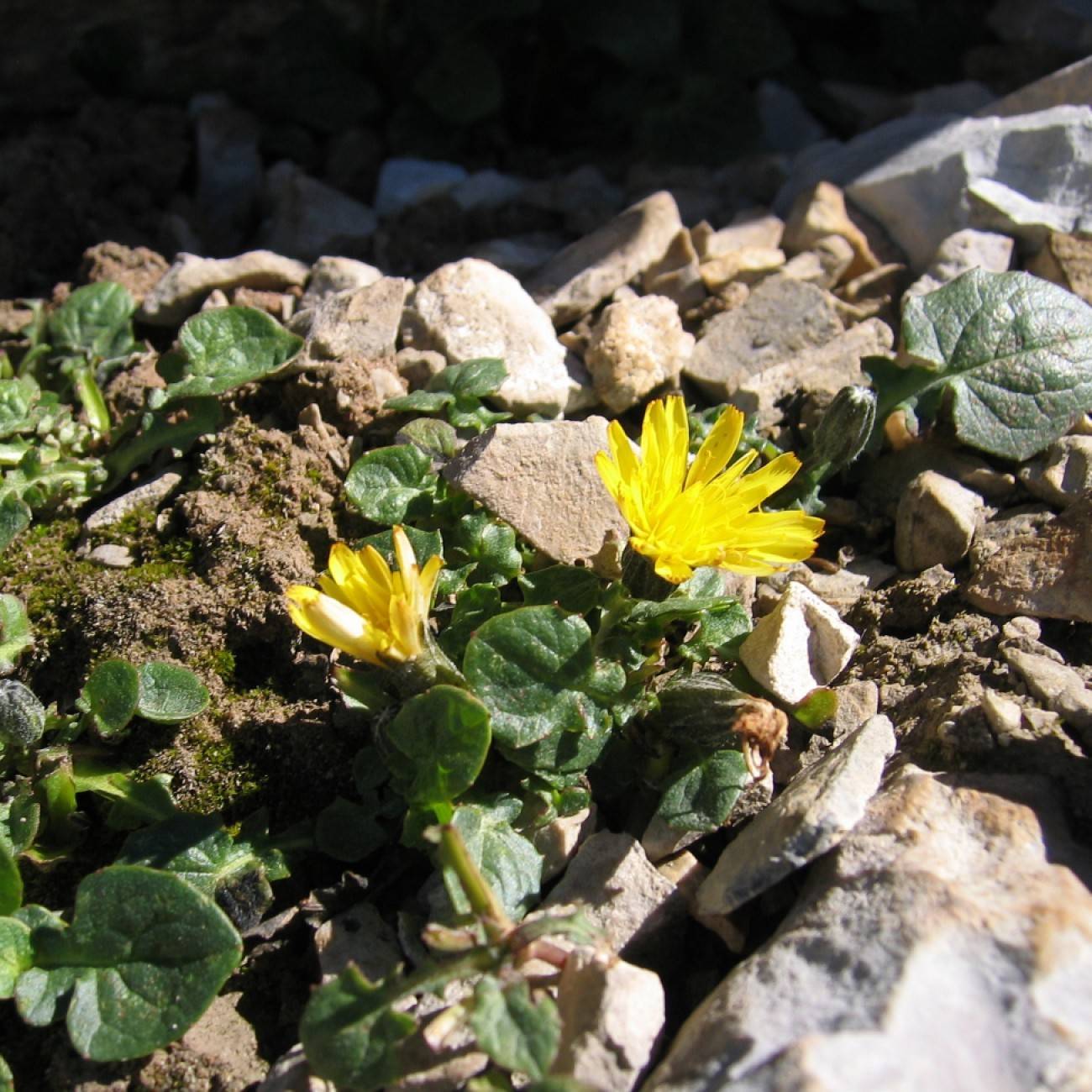
Dwarf Alpine Hawksbeard
Crepis pygmaea
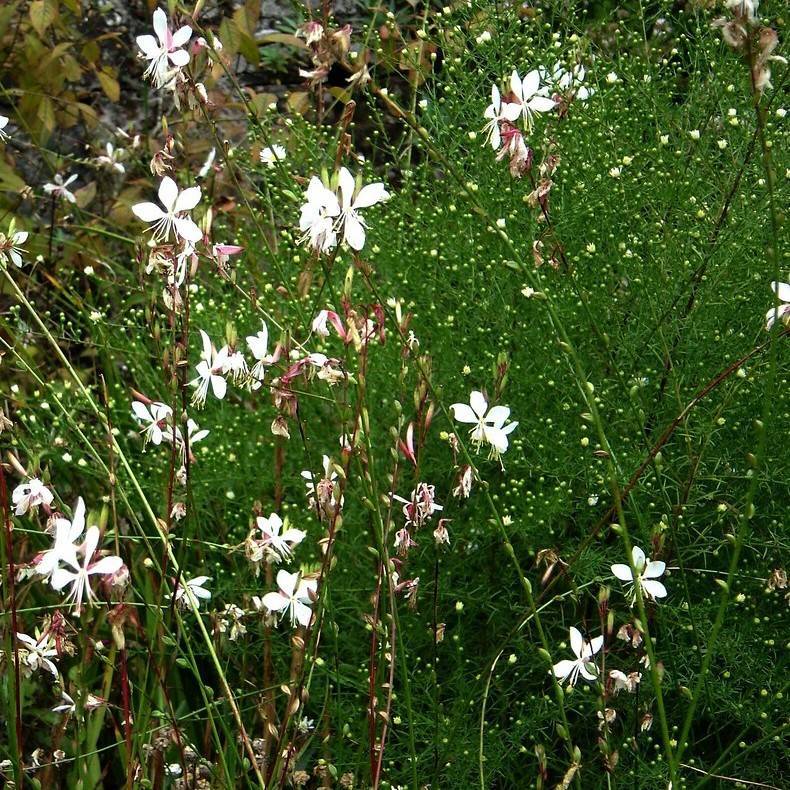
Gaura
Oenothera lindheimeri
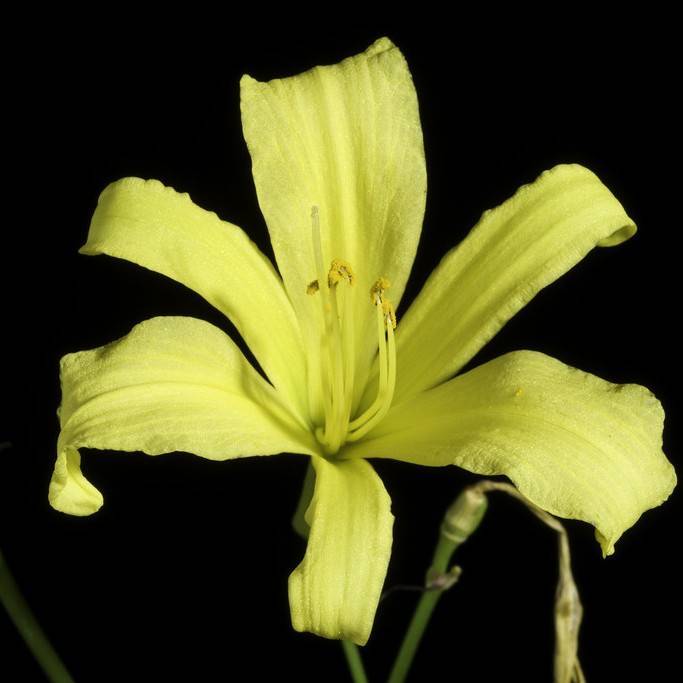
Citron Daylily
Hemerocallis citrina