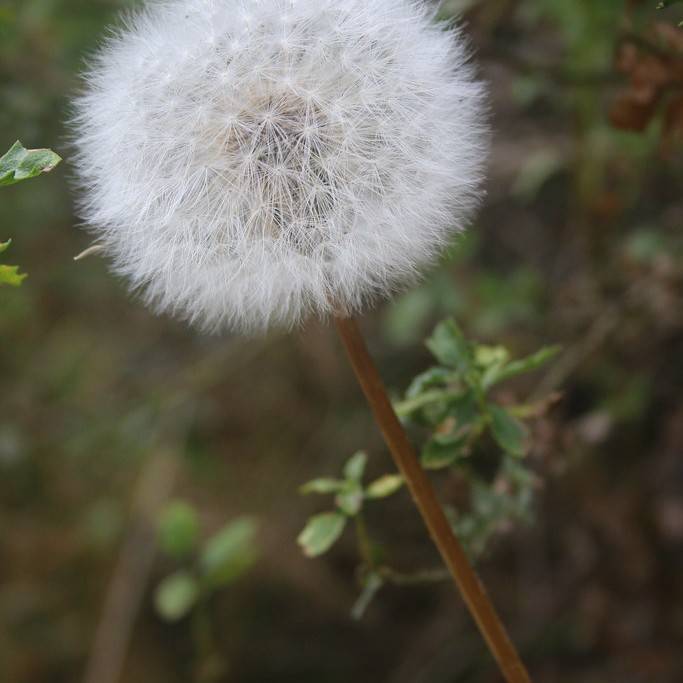
Large Flowered Agoseris
Agoseris grandiflora
Overview
Large Flowered Agoseris, also called mountain dandelion, is a herbaceous perennial native to open, well-drained slopes, meadows, and coniferous forest clearings of western North America. It produces a basal rosette of narrow, fuzzy green leaves, with leafless stalks that support bright yellow flower heads up to 2 inches wide, resembling common dandelions but larger and more robust. After blooming, it forms fluffy, wind-dispersed seed heads similar to dandelion puffs, supporting local pollinators and seed-eating wildlife in its native range.
Care Guide
Watering
This drought-tolerant species prefers infrequent, deep watering once established, and is highly adapted to dry summer conditions in its native range. Overwatering, especially in heavy, poorly drained soils, will cause root rot, so allow the top several inches of soil to dry completely between waterings. Young plants may need occasional supplemental water to establish root systems, but mature specimens thrive on minimal moisture.
Light
Large Flowered Agoseris requires full sun to perform best, needing at least 6 hours of direct, unfiltered sunlight daily to produce abundant blooms. It can tolerate very light, dappled shade, but plants grown in shadier conditions will become leggy, produce fewer flowers, and be more susceptible to fungal issues. In hot, arid climates, it can benefit from a small amount of afternoon shade to prevent leaf scorch during peak summer heat.
Soil
This species thrives in well-drained, sandy or loamy soils with a neutral to slightly acidic pH, and is well adapted to poor, low-nutrient rocky soils common in its native mountain habitats. It will not tolerate heavy clay soils or sites that hold standing water after rain, which will quickly lead to root rot and plant death. Amending heavy soils with sand or gravel to improve drainage is recommended before planting.
Fertilizer
Large Flowered Agoseris is adapted to low-nutrient soils and rarely requires supplemental fertilization, which can cause excessive leaf growth at the expense of flowers. If grown in extremely poor, barren soil, a single application of low-nitrogen, balanced slow-release fertilizer in early spring is sufficient to support growth. Avoid high-nitrogen fertilizers entirely, as they will reduce flowering and weaken the plant’s natural drought tolerance.
Temperature
This hardy perennial tolerates a wide range of temperatures, thriving in USDA hardiness zones 3 through 8, and can withstand winter temperatures as low as -40°F (-40°C). It is highly tolerant of hot, dry summer conditions common in its native range, as long as it has well-drained soil and full sun. Extended periods of high humidity combined with warm temperatures can increase the risk of foliar fungal diseases.
Pruning
Pruning is minimal for this low-maintenance species; spent flower stalks can be deadheaded to encourage additional blooming and prevent unwanted self-seeding if desired. At the end of the growing season after the first frost, dead foliage can be cut back to the ground to tidy the planting area and reduce overwintering sites for pests. Avoid pruning healthy green leaves during the growing season, as they support the plant’s root system and energy storage.
Propagation
Large Flowered Agoseris is most easily propagated from seed, which can be sown directly outdoors in fall or cold-stratified for 30 days before sowing in spring. Seeds require light to germinate, so they should be scattered on the soil surface and lightly pressed in, not covered with soil. It can also be propagated by division of mature basal rosettes in early spring before flowering begins, though the plant has a deep taproot that can make division difficult.
Humidity
This species prefers low to moderate humidity levels, as it is native to dry mountain and prairie habitats. High humidity above 70% for extended periods can lead to powdery mildew and other foliar fungal infections on the leaves. Ensure plants have adequate air circulation around the foliage to reduce humidity buildup and prevent disease issues.
Repotting
Large Flowered Agoseris is rarely grown in containers, as it develops a deep taproot that requires ample space to grow, making it best suited for in-ground planting. If grown in a pot, use a deep, wide container at least 12 inches deep to accommodate the taproot, and repot only when roots begin to emerge from the drainage holes, which will typically occur every 2 to 3 years. Repot in early spring before new growth begins, using a well-drained, sandy potting mix to avoid waterlogged roots.
Uses & Symbolism
Large Flowered Agoseris is widely used in native wildflower gardens, xeriscaping, and pollinator habitat restoration projects, as it provides nectar for native bees, butterflies, and other beneficial insects. Its deep taproot helps break up compacted soil and cycle nutrients, making it a valuable addition to low-maintenance, ecologically focused landscapes. Historically, some Indigenous groups of western North America used the young leaves raw in salads or cooked as a potherb, and the roots were roasted as a coffee substitute.
Diseases & Pests
The most common diseases affecting Large Flowered Agoseris are foliar fungal issues such as powdery mildew and rust, which occur in high humidity or poor air circulation conditions. Root rot is a serious risk in heavy, poorly drained soils or with overwatering, and will quickly kill the plant if not addressed. Common pests include aphids, which may feed on young flower stalks and leaves, and slugs, which can damage the soft basal foliage in damp, shaded locations.
Related plants
Other plants you might like if you grow Large Flowered Agoseris.