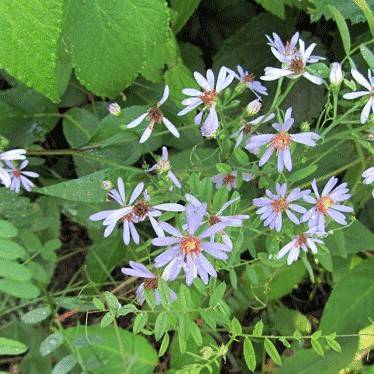
Drummond Aster
Symphyotrichum drummondii
Overview
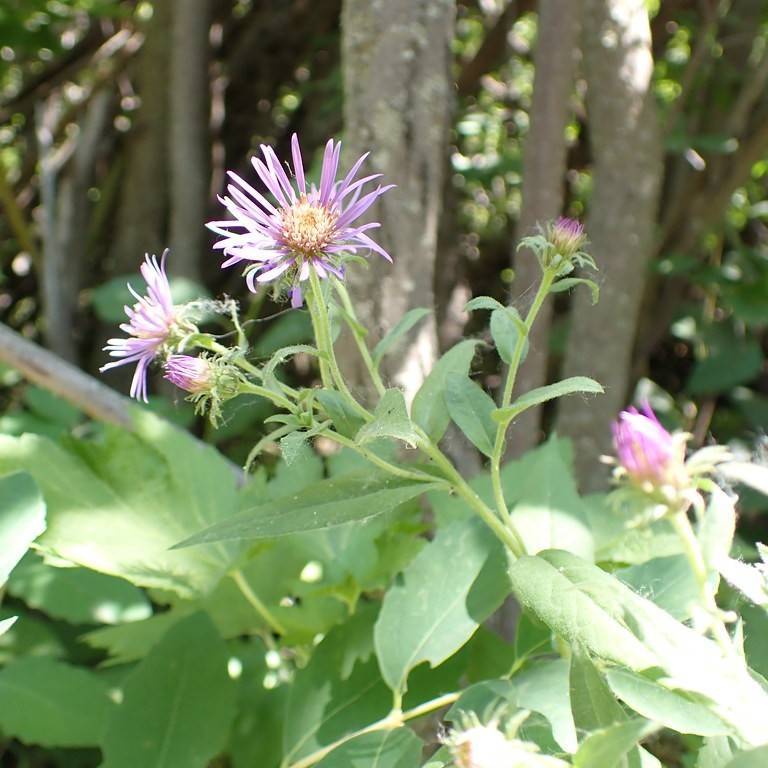
Drummond Aster is a hardy, herbaceous perennial that naturally occurs in prairies, open woodlands, and roadside meadows across its native range. It forms upright, branching clumps of fuzzy, lance-shaped green foliage, with blooms appearing as other summer flowers begin to fade, extending seasonal garden interest. It is highly attractive to native bees, butterflies, and other pollinators, making it a staple of pollinator-friendly and native plant gardens.
Care Guide
Watering
Water newly planted Drummond Asters regularly to keep soil evenly moist for the first growing season as they establish deep root systems. Once established, they are highly drought-tolerant, only requiring supplemental watering during extended periods of extreme heat or prolonged dryness. Avoid overwatering, as soggy soil can lead to root rot.
Light
Thrives in full sun, requiring a minimum of 6 hours of direct sunlight daily to produce the densest foliage and most abundant flower displays. It can tolerate light partial shade, though plants grown in shadier conditions may become leggy, flop over, and produce fewer blooms. Plant in an open, unshaded location for best performance.
Soil
Adaptable to a wide range of soil types, including sandy, loamy, and clay soils, as long as the site has good drainage. It tolerates poor, low-nutrient soils and dry conditions better than many other aster species, making it suitable for challenging garden spots. A neutral to slightly alkaline soil pH is ideal, though it will grow in slightly acidic conditions as well.
Fertilizer
Generally requires very little fertilization, as overly rich soil can cause excessive, leggy growth that is prone to flopping. If growing in extremely poor, nutrient-depleted soil, apply a balanced, slow-release fertilizer in early spring just as new growth emerges. Avoid high-nitrogen fertilizers, which prioritize foliage growth over flower production.
Temperature
Hardy in USDA zones 3 through 8, tolerating winter lows as low as -40°F (-40°C) and summer highs well above 90°F (32°C). It thrives in temperate climates with distinct seasonal changes, requiring a period of cold winter dormancy to regrow vigorously the following spring. Late spring frosts rarely damage new growth, as it emerges relatively late in the season.
Pruning
Pinch back the top 1-2 inches of new growth in late spring or early summer to encourage bushier, more compact growth and more abundant flowering stems later in the season. After blooming finishes in late fall, cut the entire plant back to 2-3 inches above the soil line to prevent overwintering pest and disease pathogens. Deadheading spent flowers during the bloom period can extend flowering, though leaving some seed heads will provide food for seed-eating birds over winter.
Propagation
Easiest to propagate by dividing mature clumps every 2-3 years in early spring just as new growth emerges, or in late fall after blooming has finished. It can also be grown from seed sown directly outdoors in fall, or started indoors 6-8 weeks before the last expected spring frost, with seeds requiring a 30-day cold stratification period for good germination. Softwood stem cuttings taken in late spring or early summer will also root readily when placed in moist, well-draining potting mix.
Humidity
Adaptable to a wide range of humidity levels, thriving in the moderate humidity common across its native North American range. It tolerates both dry, arid conditions in its southern range and more humid conditions in the eastern United States without issue. No extra humidity is required when growing it in garden settings.
Repotting
Primarily grown in outdoor garden beds, so repotting is rarely necessary unless being grown in a container. If growing in a pot, repot every 2-3 years in early spring, moving to a slightly larger container with fresh, well-draining potting mix. Ensure containers have adequate drainage holes to prevent waterlogged soil, which can cause root rot.
Uses & Symbolism
Drummond Aster is a popular addition to native plant gardens, pollinator gardens, meadow plantings, and cottage gardens, where it provides late-season color when most other flowers have finished blooming. Its long, sturdy stems make it suitable for cut flower arrangements, with blooms lasting up to a week in a vase. It is also used in ecological restoration projects to stabilize soil and provide habitat and food for native pollinators and wildlife.
Diseases & Pests
Drummond Aster is relatively resistant to most common aster pests and diseases, though it can occasionally be affected by powdery mildew in humid conditions with poor air circulation. Aster yellows, a bacterial disease spread by leafhoppers, can cause distorted, stunted growth and greenish, abnormal flowers, requiring affected plants to be removed and destroyed to prevent spread. Aphids and spider mites may occasionally infest foliage, which can be treated with insecticidal soap or a strong stream of water to dislodge the pests.
Related plants
Other plants you might like if you grow Drummond Aster.