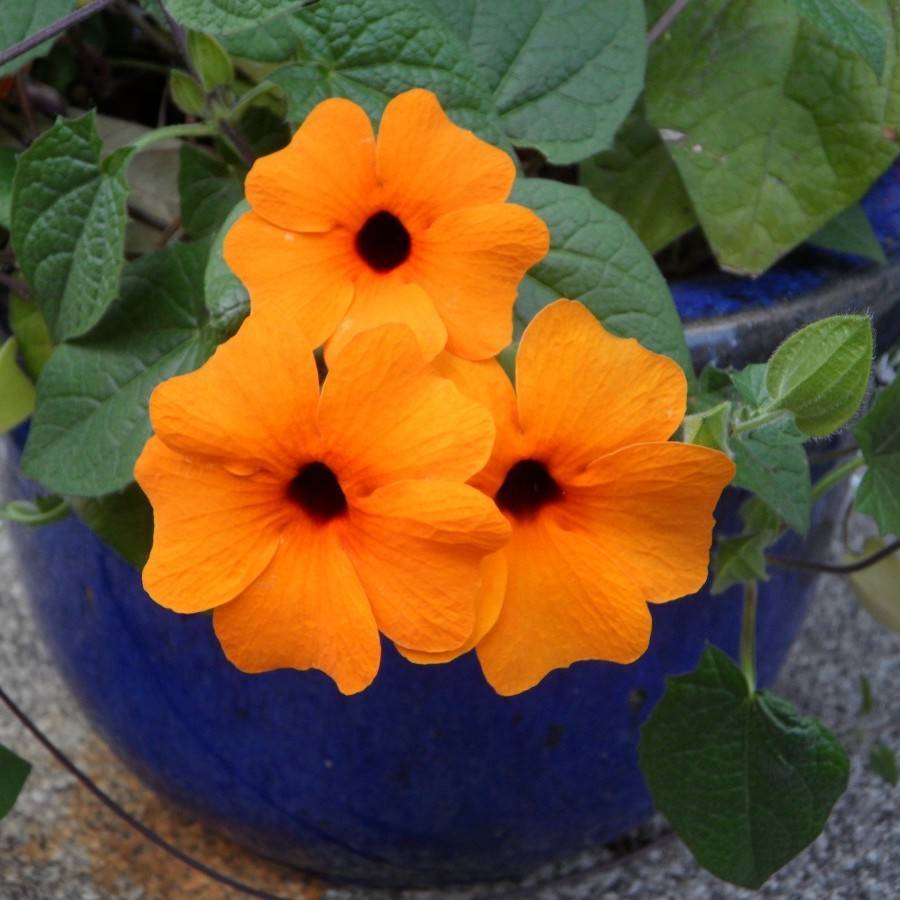
Black Eyed Susan
Rudbeckia hirta
Overview
Black Eyed Susan is a widely beloved wildflower common to prairies, meadows, and roadside edges across its native range. It is often grown as an annual in cooler climates where it does not reliably overwinter, producing abundant blooms from mid-summer through fall. The showy flower heads are a major food source for pollinators, including bees, butterflies, and native beetles, while seed heads feed songbirds through the winter months.
Care Guide
Watering
Water newly planted Black Eyed Susans regularly for the first growing season to establish a deep, extensive root system. Once established, the plant is highly drought-tolerant, requiring only occasional watering during extended periods of extreme heat or prolonged dryness. Avoid overwatering or planting in poorly drained sites, as excess moisture can lead to root rot.
Light
Black Eyed Susan thrives in full sun, requiring a minimum of 6 hours of direct, unfiltered sunlight per day to produce the most abundant, vibrant blooms. It can tolerate partial shade, but plants grown in shadier conditions will become leggy, produce fewer flowers, and be more prone to flopping over. Full sun exposure also reduces the risk of foliar fungal diseases by improving air circulation around the foliage.
Soil
This adaptable wildflower grows well in a wide range of soil types, including poor, dry, or rocky soils, as long as the site provides good drainage. It prefers a neutral to slightly acidic soil pH between 6.0 and 7.0, but can tolerate slightly alkaline conditions as well. Heavy clay soils should be amended with compost or sand to improve drainage before planting to prevent root rot.
Fertilizer
Black Eyed Susan is a low-maintenance plant that rarely requires fertilization, especially when grown in average garden soil. Over-fertilizing will lead to excessive, lush foliage growth at the expense of flower production, and may cause stems to become weak and flop over. If grown in extremely poor, nutrient-depleted soil, apply a balanced, slow-release general purpose fertilizer once in early spring at half the recommended rate.
Temperature
Black Eyed Susan is well-adapted to a wide range of climates, growing reliably in USDA hardiness zones 3 through 9. It tolerates high summer temperatures and humidity well, and established plants can withstand light frosts in early fall without damage. In colder zones outside its perennial range, it is commonly grown as a warm-season annual planted after the last frost date in spring.
Pruning
Deadhead spent flower heads regularly throughout the blooming season to encourage continuous flowering and prevent unwanted self-seeding in garden beds. If self-seeding is desired, leave a portion of the spent flower heads in place in late summer and fall to mature and release seed for the following growing season. Cut back the entire plant to 2-3 inches above the soil line in late fall after foliage dies back, or leave seed heads standing through winter to provide food for songbirds.
Propagation
Black Eyed Susan is most easily propagated from seed, which can be sown directly outdoors in fall or early spring, or started indoors 6-8 weeks before the last expected frost date. Seeds require light to germinate, so they should be pressed lightly into the soil surface rather than covered. It can also be propagated by dividing established clumps in early spring or late fall, though the plant has a short lifespan and division is rarely necessary.
Humidity
Black Eyed Susan tolerates a wide range of humidity levels, from dry arid conditions to high summer humidity common in its native eastern North American range. Good air circulation around the plants is important in high humidity areas to reduce the risk of foliar fungal diseases like powdery mildew. Avoid overhead watering to keep foliage dry, especially in humid climates, to prevent disease development.
Repotting
Black Eyed Susan is rarely grown in containers for extended periods, as it develops a deep taproot and performs best when planted directly in the ground. If grown in containers, use a well-draining potting mix and select a pot at least 12 inches deep to accommodate its root system. Repot only when roots begin to grow out of the drainage holes, and refresh the potting mix annually in early spring to replenish nutrients.
Uses & Symbolism
Black Eyed Susan is a staple in wildflower meadows, pollinator gardens, cottage gardens, and naturalized landscapes, where it provides long-lasting summer color and supports local ecosystems. Its long, sturdy stems make it an excellent cut flower for fresh arrangements, with blooms lasting 7-10 days in a vase. Historically, some Indigenous North American tribes used the plant for medicinal purposes to treat colds, infections, and swelling, though it is not widely used in modern herbalism.
Diseases & Pests
Black Eyed Susan is relatively pest and disease resistant, though it can be affected by powdery mildew, leaf spot, and rust in conditions of high humidity, poor air circulation, or excessive moisture on foliage. Common pests include aphids, spider mites, and Japanese beetles, which can be controlled with insecticidal soap, neem oil, or manual removal in small infestations. Overwatering or planting in poorly drained soil can lead to root rot, which is usually fatal for affected plants.
Related plants
Other plants you might like if you grow Black Eyed Susan.