Canada Aster
Symphyotrichum canadense
Overview
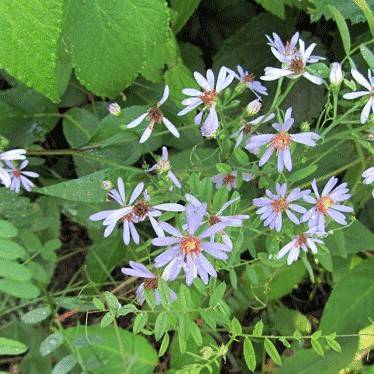
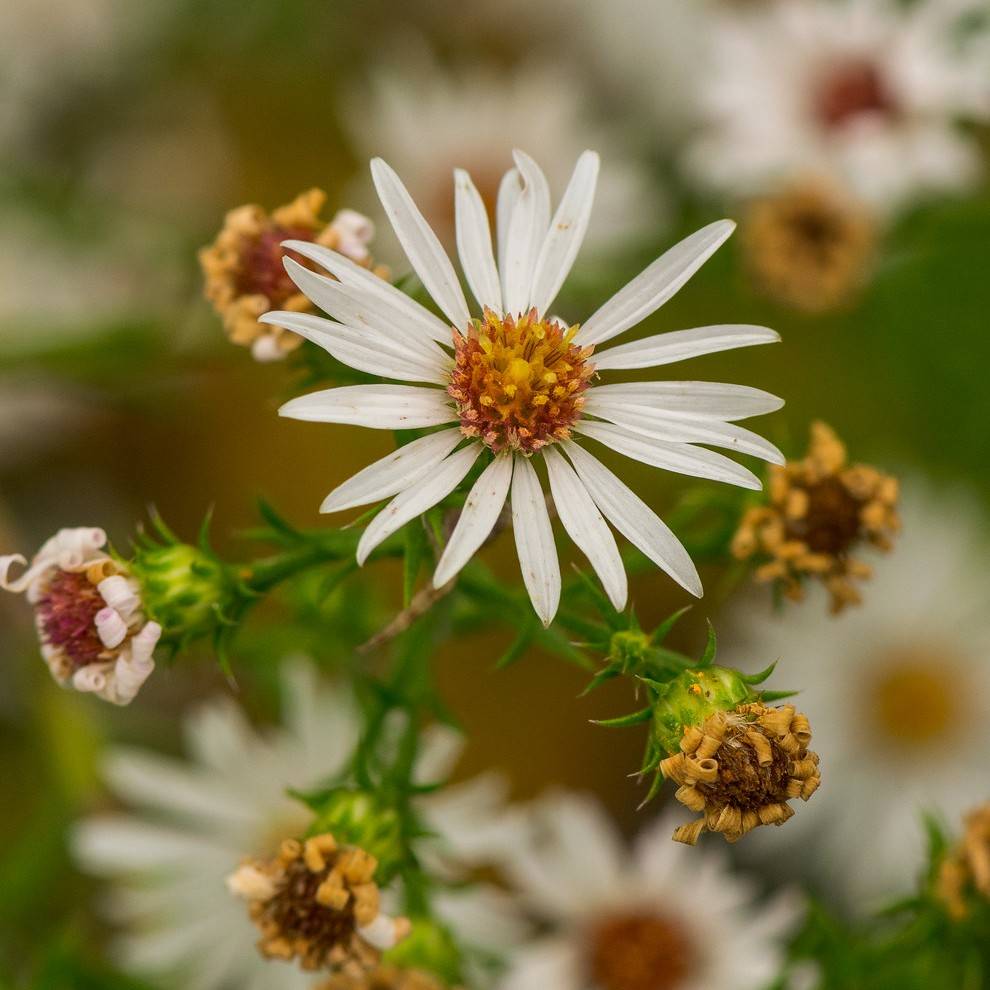
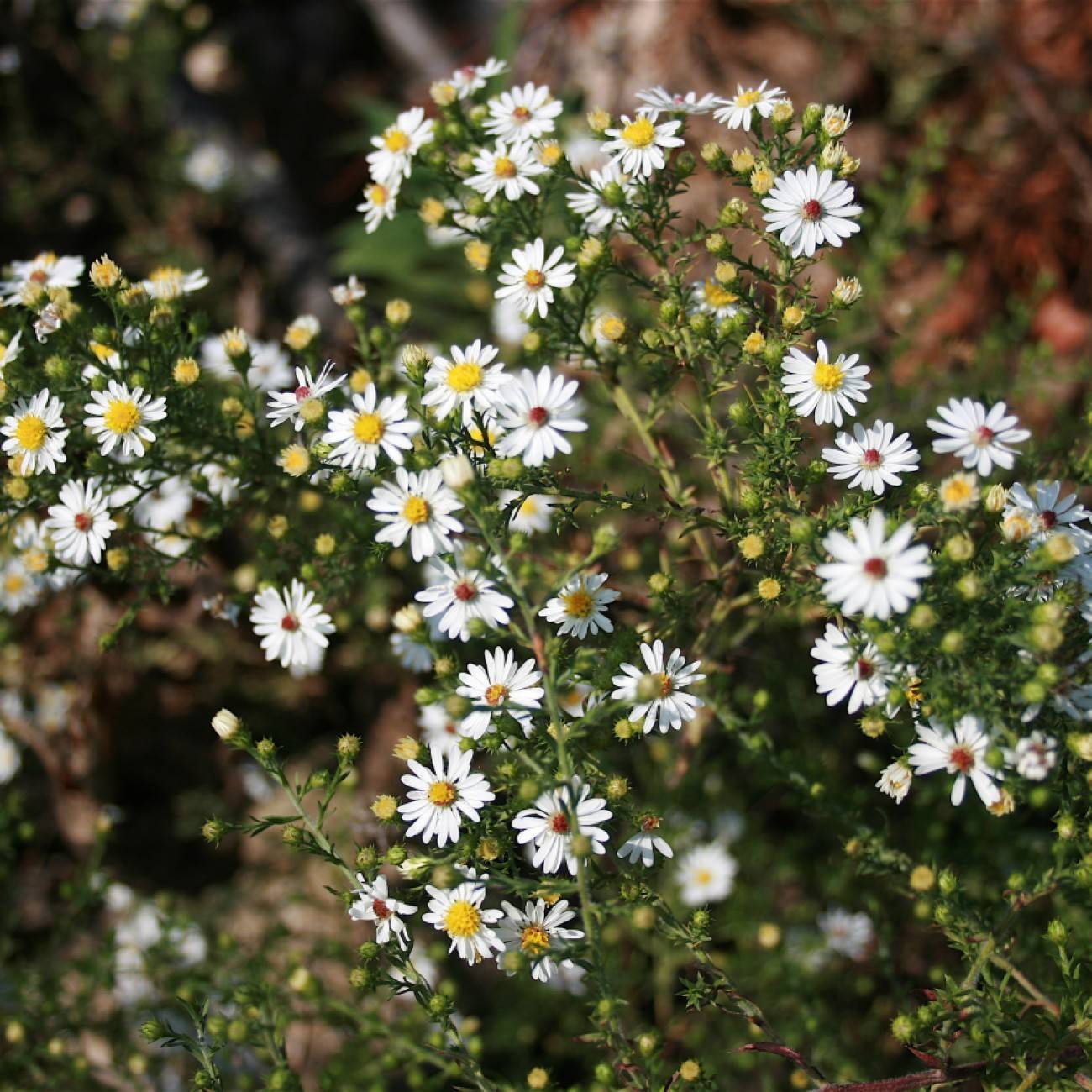
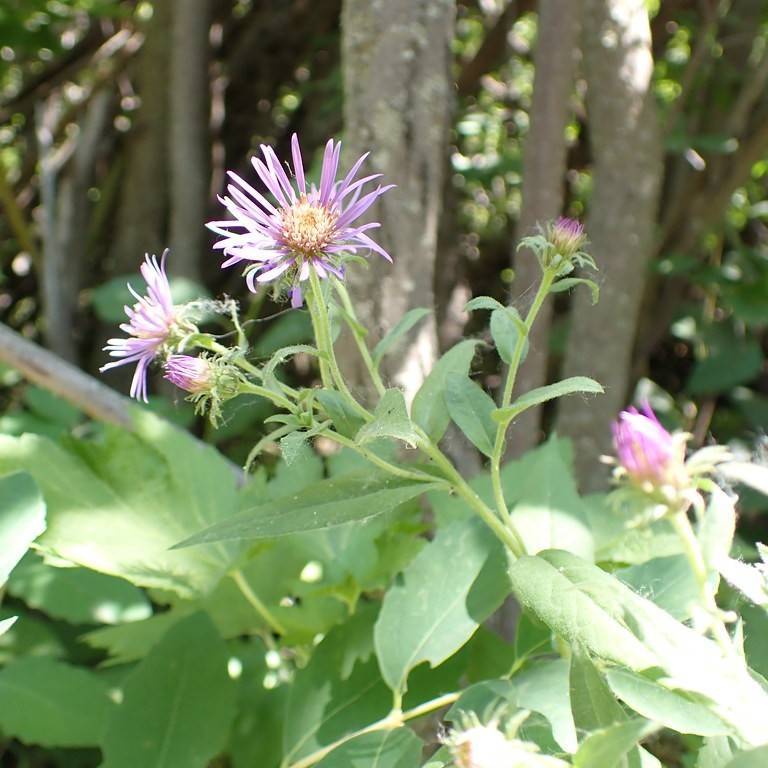
Canada aster, also known as lanceleaf aster, is a hardy, rhizomatous wildflower that forms dense colonies in meadows, prairies, and open woodland edges. Its narrow, lance-shaped leaves grow along sturdy, upright stems, topped with clusters of tiny, daisy-like flowers with yellow centers that bloom from August to October. This adaptable plant supports a wide range of native pollinators, including bees, butterflies, and beetles, making it a staple of pollinator garden designs.
Care Guide
Watering
Canada aster prefers evenly moist, well-drained soil but tolerates occasional drought once established. Water deeply during prolonged dry spells, aiming for 1 inch of water per week, and avoid overwatering to prevent root rot. It adapts well to both average and moderately dry growing conditions in its native range.
Light
Thrives in full sun, requiring at least 6 hours of direct sunlight daily for optimal flowering. It can tolerate partial shade, though plants grown in shadier spots may become leggy and produce fewer blooms. In hot southern climates, light afternoon shade can help prevent foliage scorch.
Soil
Adaptable to a wide range of soil types, including sandy, loamy, and clay soils, as long as they drain well. It tolerates slightly acidic to slightly alkaline pH levels, and thrives in poor, low-fertility soils where many other ornamental plants struggle. Avoid heavy, waterlogged soils that can cause root rot.
Fertilizer
Fertilization is rarely necessary, as Canada aster grows well in low-nutrient soils. If grown in extremely poor soil, apply a balanced, slow-release fertilizer in early spring at half the recommended rate to avoid encouraging excessive, leggy growth. Over-fertilization can lead to weak stems that require staking.
Temperature
Hardy in USDA zones 3 through 8, tolerating winter temperatures as low as -40°F (-40°C). It thrives in moderate summer temperatures between 60-85°F (15-29°C), and can withstand short periods of heat above 90°F (32°C) if provided with adequate moisture. Frost will kill back above-ground growth in late fall, with new shoots emerging in early spring.
Pruning
Prune back stems by one-third in late spring to encourage bushier growth and reduce the need for staking. Deadhead spent blooms throughout the flowering season to prolong blooming, though leaving some seed heads in fall provides food for native songbirds. Cut back all dead foliage to the ground in late fall or early spring before new growth emerges.
Propagation
Easily propagated by division in early spring or late fall, splitting mature clumps into smaller sections with healthy roots and shoots, then replanting immediately. It can also be grown from seed sown directly outdoors in fall or cold-stratified for 30-60 days before sowing indoors in early spring. Plants self-seed readily in ideal growing conditions, forming dense colonies over time.
Humidity
Adaptable to a wide range of humidity levels, thriving in the moderate to high humidity of its native eastern North American range. It tolerates low humidity conditions in drier midwestern regions as long as soil moisture is adequate. Good air circulation around plants helps prevent foliar fungal diseases in high-humidity areas.
Repotting
Rarely needed for plants grown in garden beds, as Canada aster spreads readily via rhizomes in open ground. If grown in containers, repot every 2-3 years in early spring, dividing overcrowded clumps and using a well-draining all-purpose potting mix. Ensure containers have adequate drainage holes to prevent waterlogging.
Uses & Symbolism
Canada aster is a popular addition to native pollinator gardens, meadow plantings, and rain gardens, where it provides late-season nectar for bees, butterflies, and other beneficial insects. Its upright growth habit makes it suitable for the back of perennial borders, where its masses of pale blooms contrast nicely with other fall-flowering plants like goldenrod and sedum. Indigenous peoples historically used parts of the plant for medicinal purposes, including treating fevers and respiratory ailments.
Diseases & Pests
Canada aster is relatively pest and disease resistant, though it can be susceptible to powdery mildew in humid, poorly ventilated conditions, which causes a white powdery coating on foliage. Aster yellows, a phytoplasma disease spread by leafhoppers, can cause stunted growth and distorted, yellowed flowers, requiring removal of infected plants to prevent spread. Aphids and spider mites may occasionally infest new growth, which can be controlled with insecticidal soap or a strong stream of water.
Related plants
Other plants you might like if you grow Canada Aster.