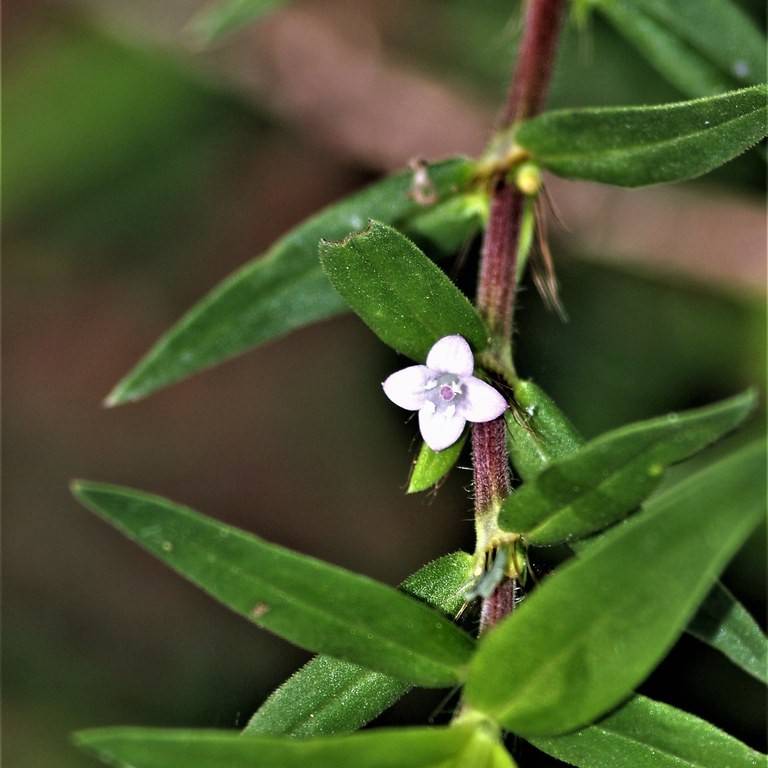
Diamondflowers
Stenaria nigricans
Overview
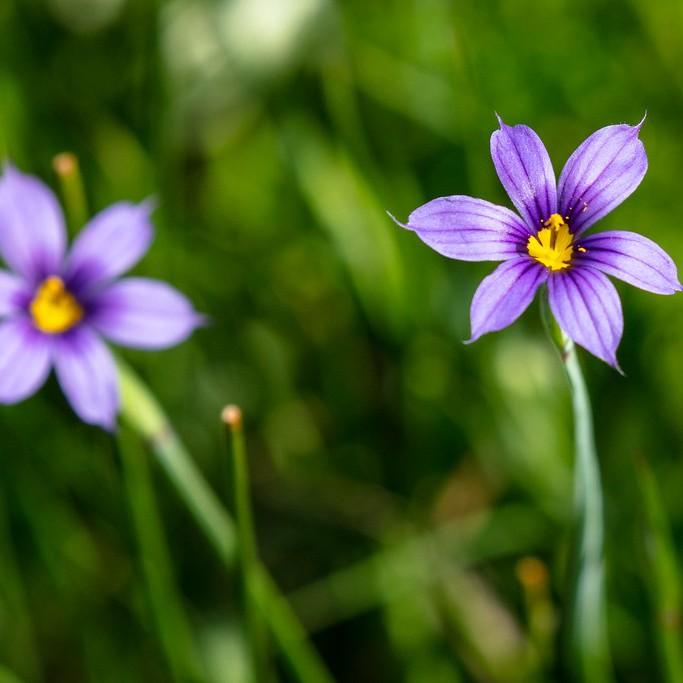
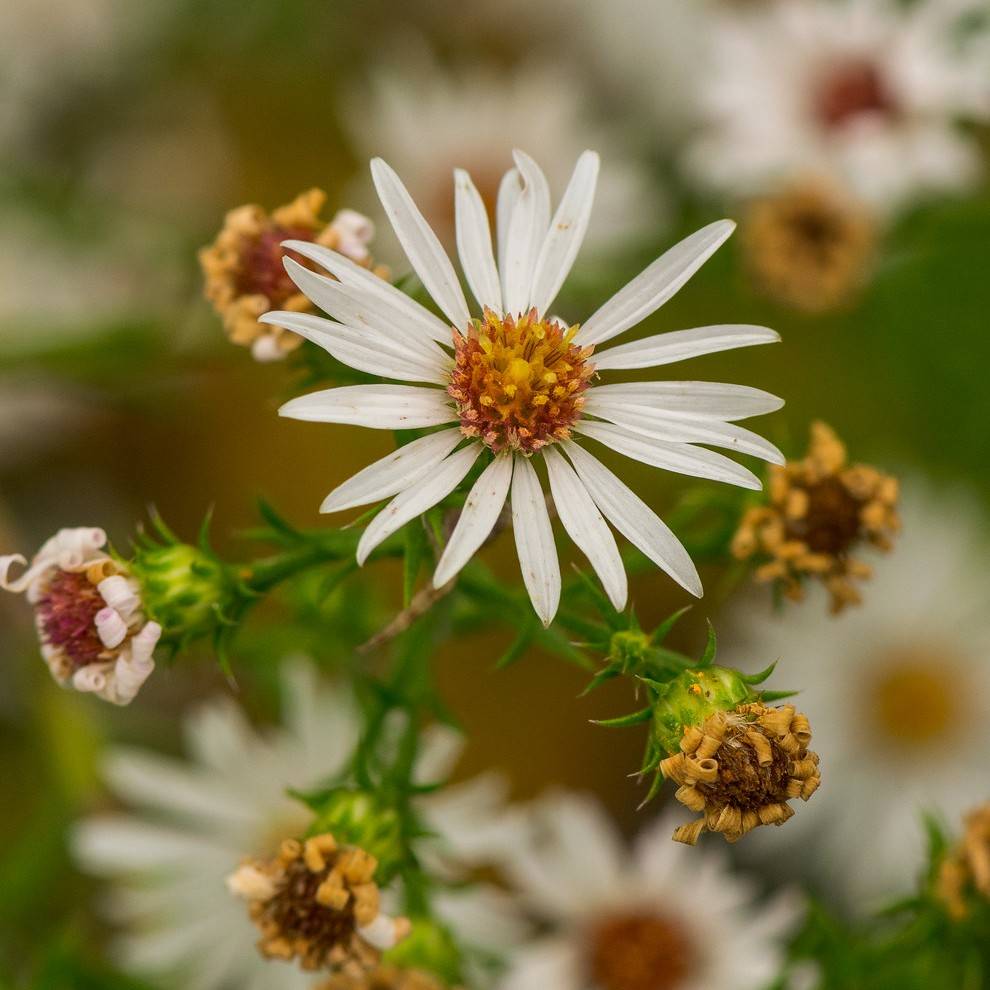
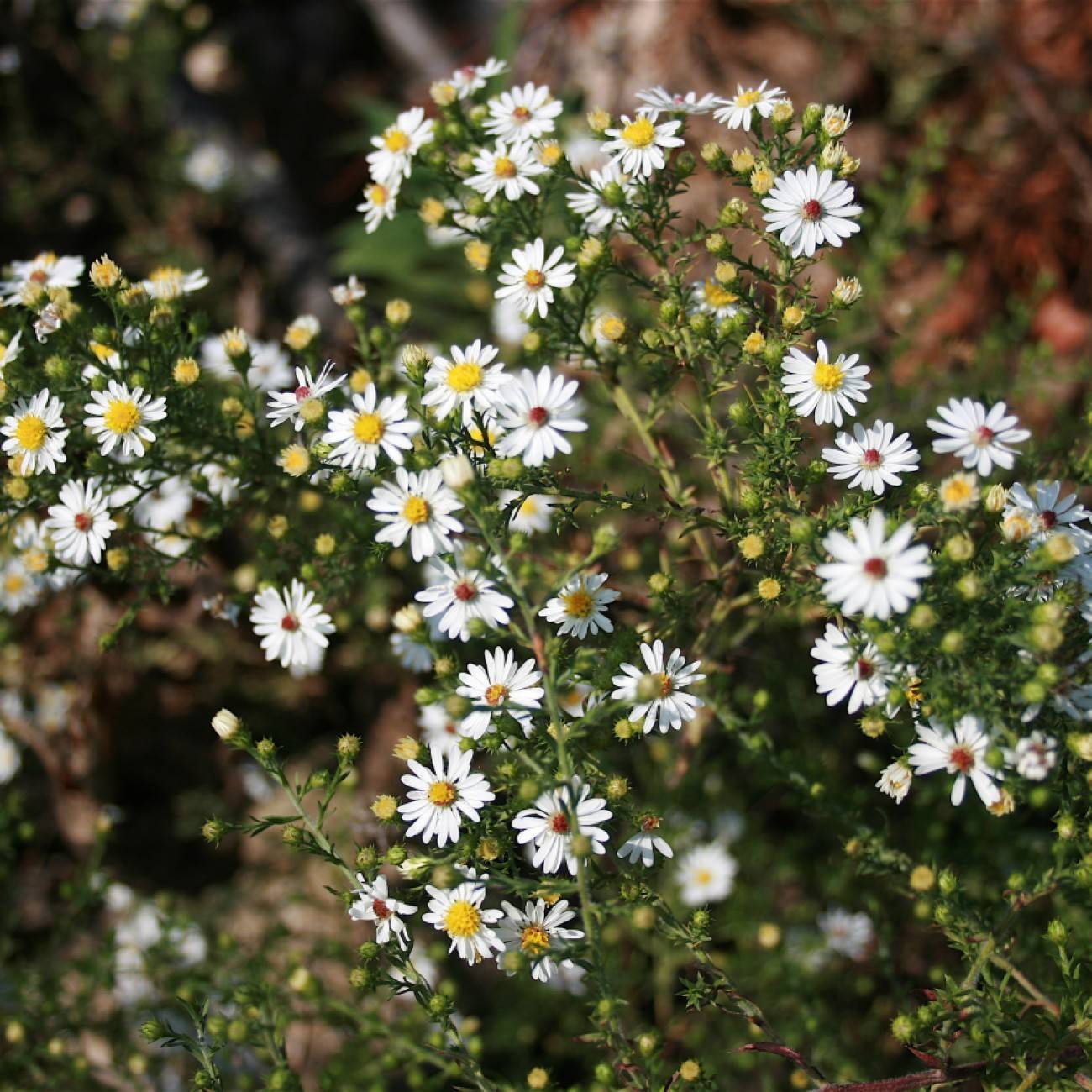
Diamondflowers, also called narrowleaf bluet, earned its common name from the glistening, diamond-like appearance of its dense clusters of small white flowers when caught in sunlight. This low, spreading plant forms a lush, ground-hugging mat of narrow, dark green foliage that stays semi-evergreen in mild winter climates. It is a hardy, adaptable native species often used to add delicate, long-lasting color to rock gardens, border edges, and pollinator habitats.
Care Guide
Watering
Diamondflowers prefer consistent, moderate moisture during their first growing season to establish a deep root system, and are highly drought-tolerant once mature. Water only when the top 1-2 inches of soil feel dry to the touch, avoiding overwatering that can lead to root rot in poorly drained sites. During extended periods of summer heat, a light supplemental watering every 7-10 days will support continuous blooming.
Light
This species thrives in full sun, requiring at least 6 hours of direct sunlight daily to produce the densest floral display and maintain a compact growth habit. It can tolerate partial shade, though flowering will be less abundant and the foliage may become leggy in overly shaded locations. In regions with extremely hot, intense midday sun, light afternoon shade can prevent leaf scorch without inhibiting bloom production.
Soil
Diamondflowers grow best in well-drained, sandy or loamy soils with a neutral to slightly alkaline pH, though they adapt to a wide range of soil types including poor, rocky substrates. Heavy clay soils should be amended with compost or coarse sand to improve drainage, as standing water will quickly damage the plant’s shallow root system. It tolerates dry, low-nutrient soils far better than overly rich, water-retentive mixes.
Fertilizer
This low-maintenance wildflower requires very little fertilization, and excessive nutrients will cause leggy growth and reduced flowering. A light application of balanced, slow-release fertilizer in early spring is sufficient for plants growing in very poor, nutrient-depleted soils. For garden-grown specimens in average soil, an annual topdressing of compost provides all the nutrients needed for healthy growth.
Temperature
Diamondflowers are cold hardy in USDA zones 4 through 9, tolerating winter temperatures as low as -30°F (-34°C) once established. They thrive in warm summer temperatures between 65-85°F (18-29°C), and can tolerate short periods of heat above 90°F (32°C) if provided with adequate root moisture. Frost will kill back top growth in colder climates, but the root system will regrow new foliage the following spring.
Pruning
Pruning is rarely required for diamondflowers, though a light shearing after the first major flush of blooms in mid-summer will encourage denser growth and a second wave of flowering. In late winter or early spring, remove any dead or damaged foliage to make way for new growth and improve air circulation around the plant. Sprawling or overgrown specimens can be trimmed back by up to one-third of their height to maintain a neat, compact shape.
Propagation
Diamondflowers are most easily propagated by seed, which can be sown directly outdoors in late fall or cold-stratified for 30 days and sown in early spring. Established clumps can also be divided in early spring before new growth emerges, carefully separating the root mass into smaller sections and replanting them at the same depth as the original plant. Softwood cuttings taken in early summer will root readily in moist, well-drained rooting medium under indirect light.
Humidity
This species adapts well to a wide range of humidity levels, thriving in the moderate humidity of its native central and southeastern North American habitats. It tolerates both low-humidity conditions in arid regions and high summer humidity in the southeastern U.S., as long as adequate soil drainage is provided to prevent fungal issues. Extra humidity is not required for either outdoor or potted specimens.
Repotting
Potted diamondflowers should be repotted every 2-3 years in early spring, before new growth begins, to refresh the soil and prevent root binding. Use a well-drained potting mix formulated for succulents or native wildflowers, and select a pot that is 1-2 inches larger in diameter than the current container to accommodate its spreading root system. Ensure the pot has ample drainage holes to prevent water from pooling at the bottom.
Uses & Symbolism
Diamondflowers are a popular choice for low-water rock gardens, border edging, ground cover in sunny areas, and native pollinator gardens, where they attract bees, butterflies, and other beneficial insects with their nectar-rich blooms. Their compact, spreading growth habit makes them ideal for spilling over retaining walls or filling gaps between stepping stones, and they work well in container gardens paired with taller sun-loving plants. Because of their high drought tolerance, they are frequently used in xeriscaping projects and low-maintenance landscape designs.
Diseases & Pests
Diamondflowers are largely pest and disease resistant when grown in suitable conditions, though overwatering or poorly drained soil can lead to root rot and fungal leaf spot diseases. Aphids and spider mites may occasionally infest stressed plants, especially those grown in overly shaded or dry conditions, and can be controlled with a strong spray of water or insecticidal soap. Poor air circulation around dense clumps in high-humidity regions can encourage powdery mildew, which can be prevented by spacing plants properly and avoiding overhead watering.
Related plants
Other plants you might like if you grow Diamondflowers.