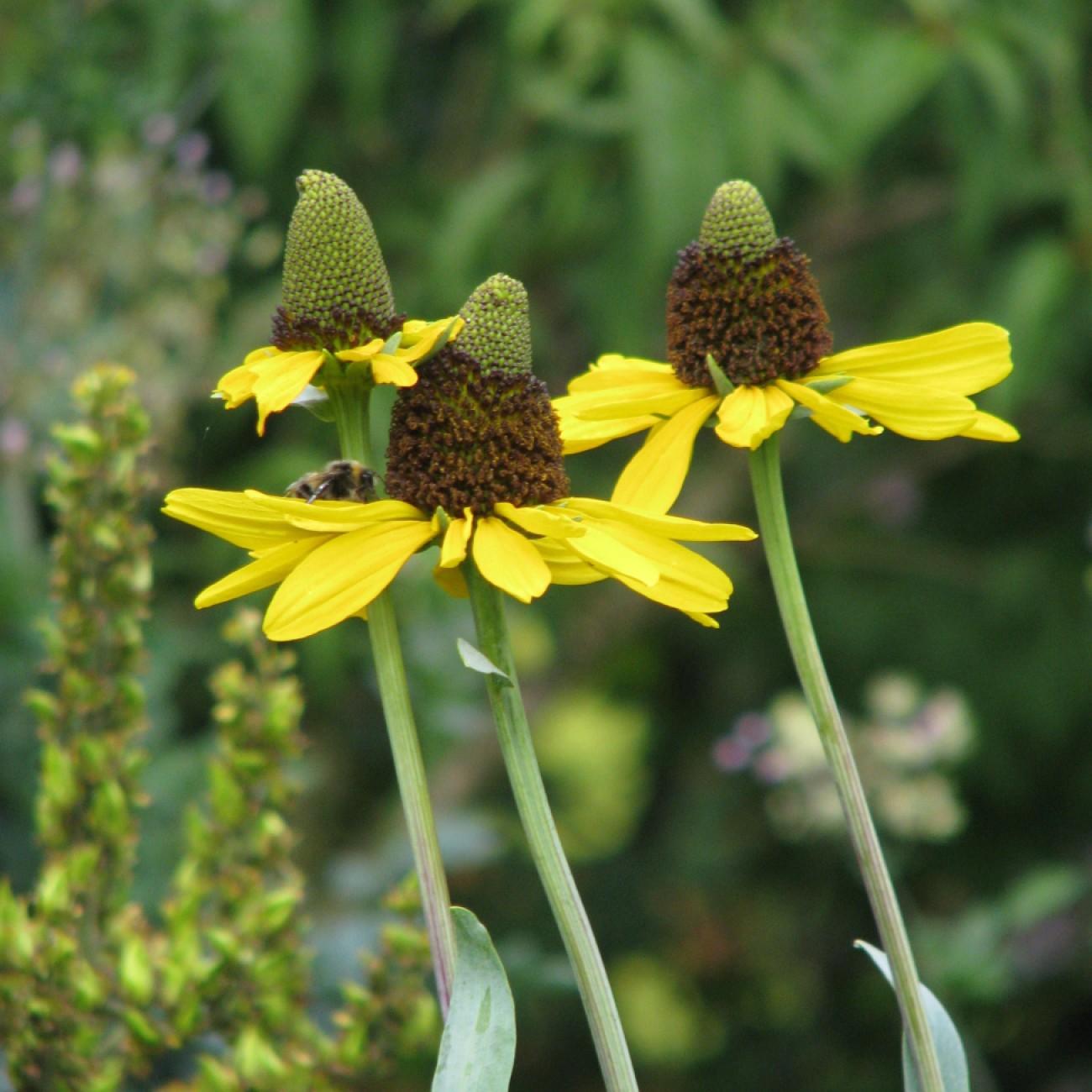
Large Coneflower
Rudbeckia maxima
Overview
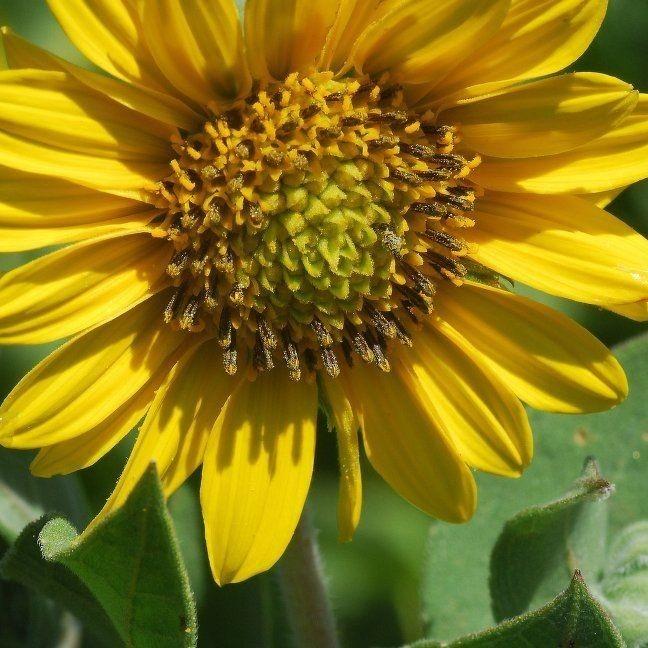
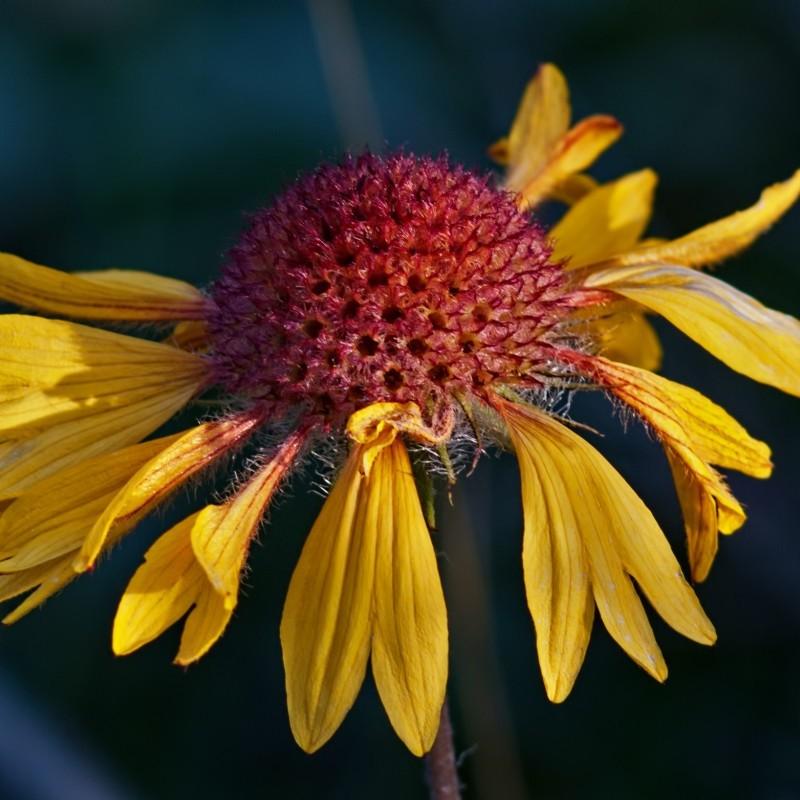
Large coneflower, also called giant coneflower, is a striking herbaceous perennial valued for its dramatic stature and low-maintenance nature. It produces broad, waxy, blue-gray basal leaves that form a dense rosette, before sending up rigid, unbranched flower stalks in mid-summer. Each stalk bears a single daisy-like flower with drooping bright yellow petals surrounding a prominent, dark brown to black conical central disk that can grow up to 4 inches tall.
Care Guide
Watering
Large coneflower is highly drought-tolerant once established, requiring only occasional deep watering during extended periods of hot, dry weather. Overwatering or saturated soil will quickly lead to root rot, so allow the top several inches of soil to dry out completely between waterings. Newly planted specimens need regular, light watering for the first 2-3 months to help establish a robust root system.
Light
This species thrives in full, direct sunlight, requiring a minimum of 6 hours of unobstructed sun per day to produce strong stalks and abundant blooms. It can tolerate very light partial shade, but too much shade will cause weak, leggy growth, floppy stalks, and reduced flowering. Plant in an open, south-facing location for best performance.
Soil
Large coneflower adapts to a wide range of soil types, including sandy, loamy, clay, and rocky soils, as long as the site has excellent drainage. It prefers neutral to slightly alkaline pH levels, but can tolerate mildly acidic conditions as well. Avoid heavy, waterlogged soils, as these will cause fatal root rot even in mature plants.
Fertilizer
This low-maintenance plant rarely needs supplemental fertilization, as it thrives in poor to moderately fertile soils. Over-fertilizing will cause excessive, soft foliage growth and weak, floppy flower stalks that require staking. If growth is particularly stunted, apply a balanced, slow-release granular fertilizer once in early spring at half the recommended dosage.
Temperature
Large coneflower is extremely cold-hardy, tolerating winter temperatures as low as -30°F (-34°C) in USDA hardiness zones 4 through 9. It thrives in hot summer temperatures, tolerating highs above 100°F (38°C) without stress as long as it is not overwatered. It is not suited for tropical or subtropical climates with year-round high humidity and rainfall.
Pruning
Prune spent flower stalks back to the basal foliage after blooming if you prefer a tidier appearance, or leave them standing through the winter to provide food for finches and other seed-eating birds. Cut back the entire plant to 2-3 inches above the soil line in late winter or early spring before new growth emerges to encourage fresh, vigorous foliage. Remove any damaged or yellowed leaves throughout the growing season as needed.
Propagation
Large coneflower is most easily propagated by seed, which can be sown directly outdoors in fall or stratified for 30 days and sown indoors in late winter for spring planting. It can also be propagated by dividing mature clumps in early spring before new growth begins, or in fall after flowering has finished. Plants grown from seed will typically bloom in their second year of growth.
Humidity
This species tolerates a wide range of humidity levels, thriving in the dry to moderate humidity of its native central U.S. range. It can tolerate moderate summer humidity, but prolonged periods of high humidity combined with poor air circulation and wet soil increase the risk of fungal diseases. Ensure plants are spaced at least 2-3 feet apart to promote good air flow around the foliage.
Repotting
Large coneflower is rarely grown in containers due to its large size and deep taproot, but if potted, use a deep, wide container with drainage holes to accommodate its root system. Repot only when the plant has become severely root-bound, typically every 3-4 years, in early spring before new growth emerges. Use a well-draining, sandy or loamy potting mix and avoid overpacking the soil to prevent water retention.
Uses & Symbolism
Large coneflower is a popular choice for native plant gardens, pollinator gardens, meadow plantings, and back-of-border perennial displays, where its tall stature adds vertical interest. Its flowers attract bees, butterflies, and other beneficial pollinators, while the seed heads provide food for songbirds through the fall and winter months. It is also well-suited for xeriscaping and low-water landscaping projects due to its exceptional drought tolerance.
Diseases & Pests
Large coneflower is relatively pest and disease resistant when grown in suitable conditions, with root rot from overwatering or poorly drained soil being the most common issue. Fungal diseases such as powdery mildew and leaf spot may occur in areas with high humidity, poor air circulation, or prolonged wet foliage. Aphids and Japanese beetles may occasionally feed on the foliage and flowers, but infestations are rarely severe and can be treated with insecticidal soap or manual removal.
Related plants
Other plants you might like if you grow Large Coneflower.