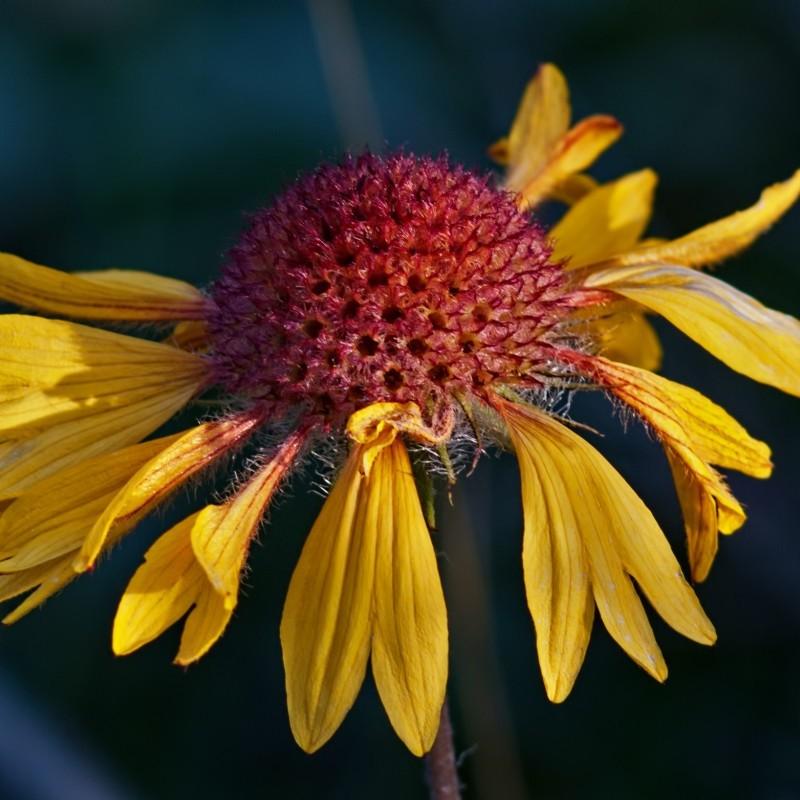
Lance Leaf Blanket Flower
Gaillardia aristata
Overview
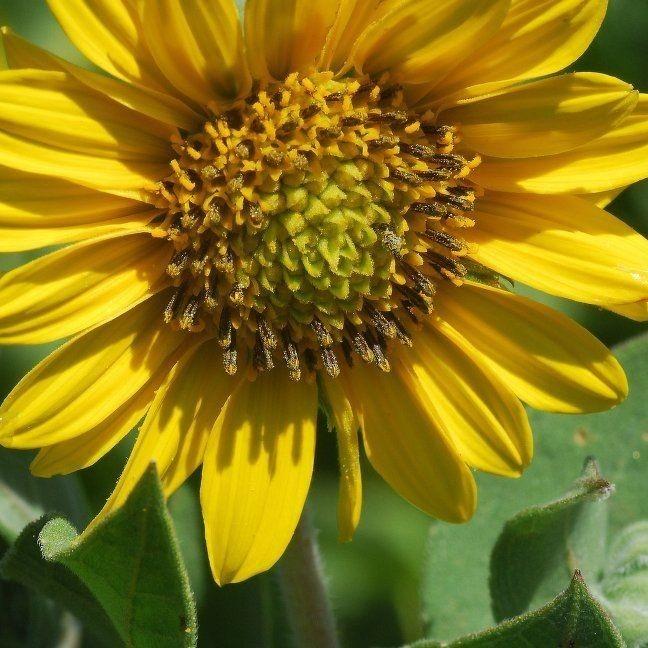
Lance Leaf Blanket Flower is a clumping herbaceous perennial named for its narrow, fuzzy, lance-shaped foliage and vibrant, blanket-patterned composite blooms. It evolved in dry prairie ecosystems, so it is highly adapted to poor soils, full sun, and periodic drought, making it a staple in low-maintenance native landscaping. Flowers appear for months from early summer to fall, attracting a wide range of pollinators including bees, butterflies, and beneficial wasps.
Care Guide
Watering
Water newly planted lance leaf blanket flowers deeply once or twice a week for the first growing season to establish a robust root system. Once established, it is extremely drought tolerant, requiring only occasional supplemental water during extended periods of high heat or no rainfall, as overwatering leads to root rot. Avoid overhead watering to reduce fungal disease risk, directing water at the base of the plant instead.
Light
This species thrives in full sun, requiring a minimum of 6 hours of direct, unfiltered sunlight per day to produce the most abundant blooms and maintain a compact, upright growth habit. It can tolerate very light partial shade, but plants grown in shadier conditions will become leggy, produce fewer flowers, and be more susceptible to foliar diseases. In extremely hot, arid climates, light afternoon shade is acceptable to prevent leaf scorch without impacting bloom performance.
Soil
Lance leaf blanket flower prefers well-draining, sandy or loamy soils with a neutral to slightly alkaline pH, though it is highly adaptable to poor, rocky, or low-nutrient soils that would hinder most other garden plants. It cannot tolerate heavy, waterlogged clay soils, so amend heavy planting sites with coarse sand or gravel to improve drainage before planting. Avoid amending soil with large amounts of compost or organic matter, as overly rich soils lead to excessive foliage growth and reduced flowering.
Fertilizer
This low-maintenance perennial requires very little fertilization, and excessive nutrients will do more harm than good, leading to leggy growth and reduced bloom production. A single light application of a balanced, slow-release granular fertilizer in early spring, applied at half the recommended rate for flowering perennials, is sufficient for the entire growing season. Avoid liquid fertilizers high in nitrogen, as these prioritize leaf growth over flower development.
Temperature
Lance leaf blanket flower is exceptionally cold hardy, surviving winter temperatures as low as -30°F (-34°C) in USDA hardiness zones 3 through 9. It tolerates high summer temperatures up to 100°F (38°C) with ease, as long as it is planted in well-draining soil and not overwatered. Unusually wet winter conditions are more damaging to this species than cold temperatures, so ensure planting sites have excellent drainage to prevent root freeze and rot in cold, damp climates.
Pruning
Deadhead spent blooms regularly throughout the flowering season by snipping flower stems back to the nearest set of healthy leaves to encourage continuous reblooming and prevent self-seeding if spread is unwanted. In late fall after the first hard frost, you can cut back the entire plant to 2-3 inches (5-8 cm) above the soil line to tidy the garden bed, or leave foliage and seed heads intact to provide winter food for seed-eating birds and shelter for beneficial insect larvae. Thin out overcrowded clumps every 2-3 years in early spring to improve air circulation and reduce disease risk.
Propagation
Lance leaf blanket flower can be propagated easily by seed, division, or stem cuttings for home garden use. Seeds can be sown directly outdoors after the last frost date or started indoors 6-8 weeks before the last frost, with germination occurring in 10-20 days at 70-75°F (21-24°C); seeds require light to germinate, so do not cover them with soil. Divide mature clumps every 2-3 years in early spring as new growth emerges, separating root sections into smaller clumps with at least 2-3 growing points each and replanting immediately in well-draining soil.
Humidity
This prairie native prefers low to moderate humidity levels, thriving in the dry air of grassland and semi-arid regions. High humidity, especially when paired with poor air circulation, increases the risk of fungal foliar diseases such as powdery mildew and rust, so space plants adequately to allow air flow around foliage. It does not require misting or supplemental humidity, even in dry indoor growing conditions.
Repotting
When grown in containers, lance leaf blanket flower should be repotted every 1-2 years in early spring before new growth begins, or when roots begin to emerge from the drainage holes of the pot. Use a well-draining potting mix formulated for cacti and succulents, or amend standard potting mix with 30% perlite or coarse sand to improve drainage, and select a pot with multiple drainage holes to prevent waterlogging. After repotting, water lightly and place the container in full sun, resuming regular watering once new growth appears.
Uses & Symbolism
Lance leaf blanket flower is a popular choice for native pollinator gardens, xeriscapes, rock gardens, and border plantings, where its long bloom period provides consistent color from summer to fall. Cut flowers have a long vase life of 7-10 days, making them a practical addition to cut flower gardens for fresh arrangements. Historically, Indigenous peoples of the Great Plains used the plant to make medicinal teas for treating minor digestive issues and topical poultices for skin irritations, though medicinal use is not common today.
Diseases & Pests
Lance leaf blanket flower is relatively pest and disease resistant when grown in optimal conditions, but it can be susceptible to fungal diseases like powdery mildew, downy mildew, and rust if grown in shaded, poorly ventilated sites or overwatered. Common pests include aphids, which cluster on new growth and flower buds, and spider mites, which appear in hot, dry conditions; both can be controlled with insecticidal soap or a strong spray of water to dislodge them. Root rot is the most serious issue for this species, occurring almost exclusively in poorly draining soils or with excessive watering, so proper site selection and irrigation practices are the best prevention methods.
Related plants
Other plants you might like if you grow Lance Leaf Blanket Flower.