Ashy Sunflower
Helianthus mollis
Overview
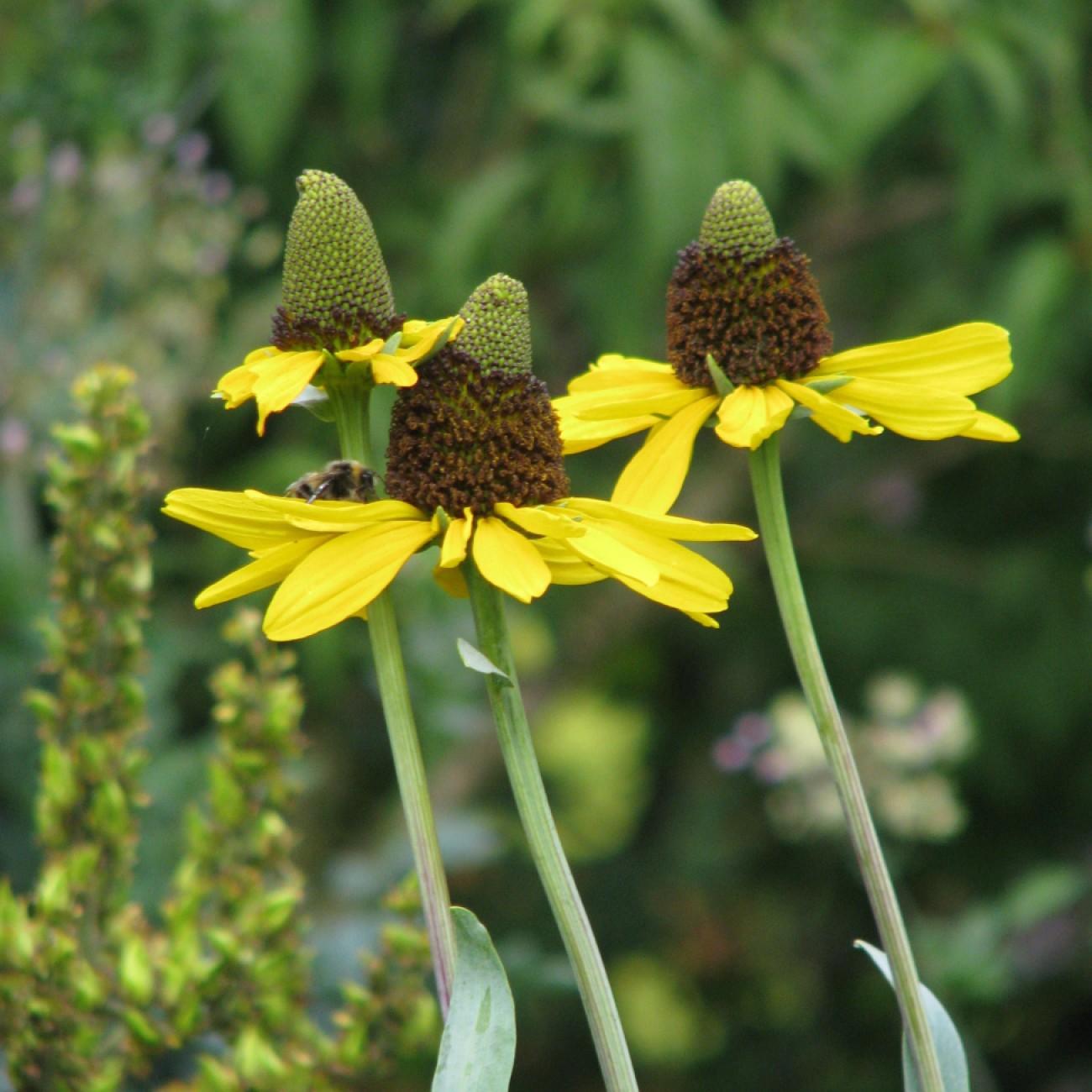
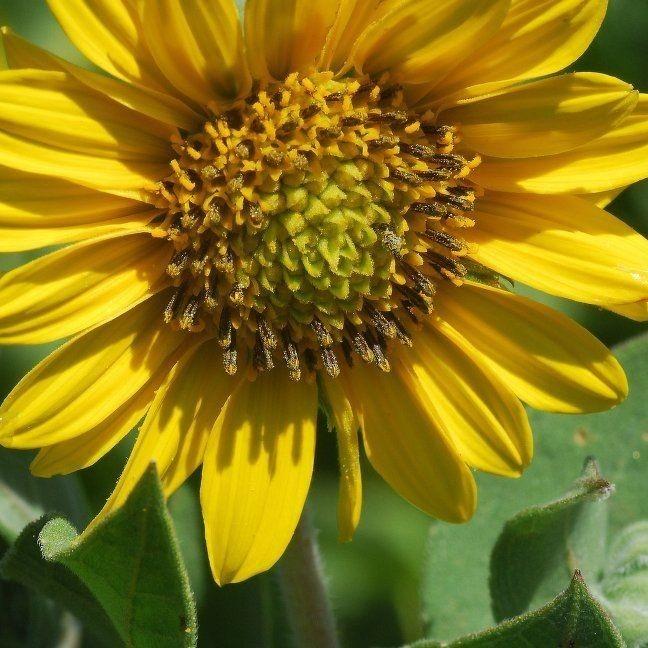
Ashy sunflower gets its common name from the soft, silvery-gray, downy fuzz covering its stems and oval to lance-shaped leaves, giving the foliage a muted, ashy appearance. It forms dense, slowly spreading clumps via shallow rhizomes, making it a good choice for naturalized areas and pollinator gardens. From mid to late summer, it produces 2-3 inch wide bright yellow flower heads with dark yellow centers, which are highly attractive to bees, butterflies, and seed-eating birds once mature.
Care Guide
Watering
Ashy sunflower is highly drought-tolerant once established, requiring only occasional deep watering during extended periods of no rainfall, as overwatering can lead to root rot. Newly planted specimens need regular, moderate watering for the first 2-3 months to help them develop a strong root system, after which they can thrive on natural precipitation in most of its native range.
Light
This sunflower thrives in full sun, requiring at least 6 hours of direct, unfiltered sunlight per day to produce the most abundant blooms and maintain a sturdy, upright growth habit. It can tolerate partial shade, but plants grown in low light will become leggy, produce fewer flowers, and may be more prone to flopping over as they mature.
Soil
Ashy sunflower adapts well to a wide range of soil types, including poor, dry, sandy, or rocky soils that are often too infertile for other flowering perennials. It prefers well-drained soil with a neutral to slightly alkaline pH, and it will not tolerate consistently wet, waterlogged conditions, which can quickly damage its root system.
Fertilizer
This hardy perennial rarely needs supplemental fertilization, as it is adapted to low-nutrient soils, and excessive fertilizer will cause lush, weak foliage growth at the expense of flower production. If grown in extremely poor, depleted soil, a light application of balanced, slow-release fertilizer in early spring can support healthy growth without overstimulating unwanted foliage.
Temperature
Ashy sunflower is cold-hardy in USDA zones 3 through 8, tolerating winter temperatures as low as -40°F (-40°C) once established, with its above-ground growth dying back completely to the ground each fall. It thrives in warm summer temperatures between 70-90°F (21-32°C), and its high heat tolerance makes it well-suited for growing in areas with hot, dry summer conditions.
Pruning
Pruning is minimal for ashy sunflower; spent flower heads can be deadheaded throughout the blooming season to encourage additional flower production, or left in place through fall to provide food for seed-eating birds like goldfinches. In late fall or early spring, cut back all dead, dried above-ground stems to just above the soil line to make room for new, fresh growth to emerge in the spring.
Propagation
Ashy sunflower is most easily propagated by division in early spring, just as new growth begins to emerge, by digging up established clumps and splitting the rhizomatous root mass into smaller sections that each have at least one growing shoot. It can also be grown from seed, which should be sown directly outdoors in fall or stratified in the refrigerator for 30 days before sowing in spring to break seed dormancy and improve germination rates.
Humidity
This plant is highly adaptable to a wide range of humidity levels, thriving in both the dry, continental climates of the central US and the more humid conditions of the eastern coastal plains. It has no specific humidity requirements, and high humidity does not typically cause issues as long as the plant is grown in well-drained soil and receives adequate air circulation around its foliage.
Repotting
Ashy sunflower is rarely grown in containers, as its spreading rhizomatous root system prefers to grow freely in the ground, and it can quickly outgrow most standard pot sizes. If grown in a large container, repot every 2-3 years in early spring, moving it to a pot at least 2 inches wider than the previous one, and refresh the soil with a well-drained, sandy potting mix to prevent waterlogging.
Uses & Symbolism
Ashy sunflower is a popular addition to native pollinator gardens, meadow plantings, and drought-tolerant landscapes, where its bright blooms support native bees, butterflies, and beneficial insects throughout the summer. Its dried seed heads provide a natural food source for songbirds in fall and winter, and its dense, clumping growth habit makes it effective for erosion control on slopes and sunny, disturbed sites. It is also sometimes used in cut flower arrangements, as its sturdy stems and long-lasting blooms hold up well in vases for up to a week after cutting.
Diseases & Pests
Ashy sunflower is relatively pest and disease resistant, but it can occasionally be affected by powdery mildew, especially when grown in shaded, humid conditions with poor air circulation around its foliage. Aphids and sunflower beetles may feed on its leaves and stems, though infestations are rarely severe and can be controlled with insecticidal soap or by attracting natural predators like ladybugs to the garden. Root rot can occur if the plant is grown in poorly drained, consistently wet soil, so ensuring proper drainage is the best preventative measure for this issue.
Related plants
Other plants you might like if you grow Ashy Sunflower.