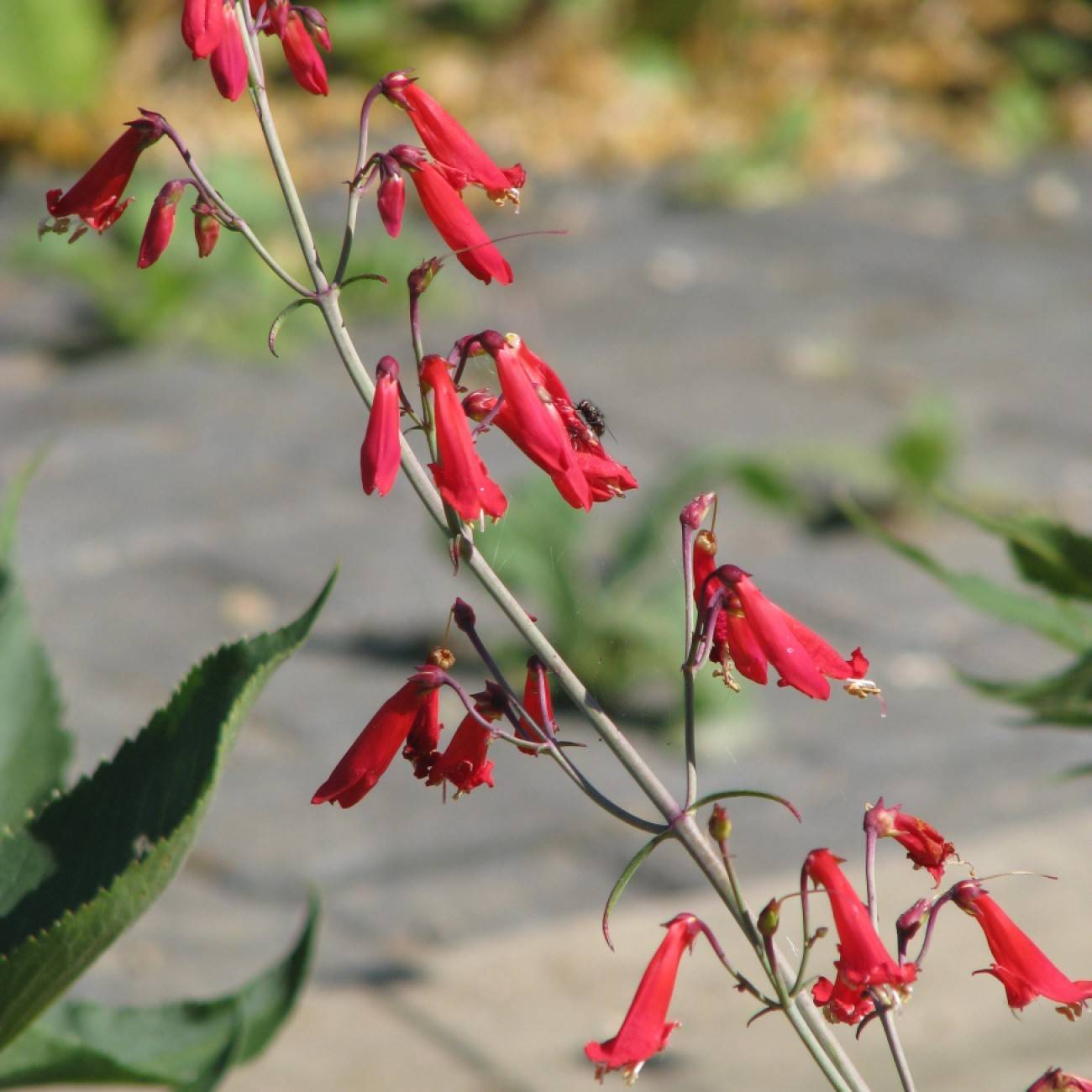
Bearded Penstemon
Penstemon barbatus
Overview
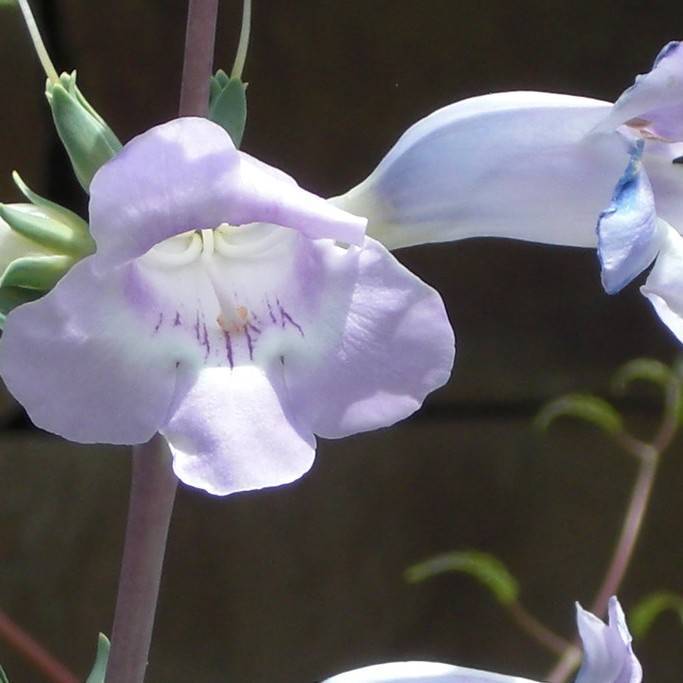
Bearded penstemon is a herbaceous perennial named for the fuzzy, hair-like staminode visible inside its two-lipped tubular flowers, which resemble small snapdragons. It is adapted to dry, rocky slopes and semi-arid environments, making it a staple of xeriscape and native pollinator gardens. Its upright, clumping growth habit and long bloom period make it a popular low-maintenance addition to sunny landscape beds.
Care Guide
Watering
Bearded penstemon is highly drought-tolerant once established, requiring only occasional deep watering during extended periods of no rainfall. Overwatering, especially in heavy or poorly draining soils, is the most common cause of root rot and plant death, so allow the top several inches of soil to dry completely between waterings. Newly planted specimens need regular, light watering for the first 2 to 3 months to help their root systems establish.
Light
This species thrives in full, direct sun, requiring a minimum of 6 hours of unobstructed sunlight per day to produce abundant blooms and maintain a compact, upright growth habit. It can tolerate very light, dappled shade, but too much shade will cause lanky, floppy growth and reduce flowering significantly. In extremely hot, arid climates, it can benefit from light afternoon shade to prevent leaf scorch.
Soil
Bearded penstemon requires well-draining, gritty or sandy soil with a neutral to slightly alkaline pH to thrive. Heavy clay soils that hold moisture for long periods are unsuitable, as they will quickly cause root rot in this drought-adapted species. Amending garden soil with coarse sand, gravel, or pumice before planting will improve drainage enough to support healthy growth.
Fertilizer
This low-feeding species rarely requires supplemental fertilization, as excess nutrients will cause lanky, lush growth that is prone to flopping and more susceptible to pest damage. If planted in very poor, nutrient-depleted soil, a single light application of balanced, slow-release fertilizer in early spring is sufficient to support growth for the entire growing season. Avoid high-nitrogen fertilizers entirely, as they promote excessive foliage growth at the expense of flowers.
Temperature
Bearded penstemon is well-adapted to a wide range of temperatures, with cold hardiness down to USDA zone 3, tolerating winter temperatures as low as -40°F (-40°C). It thrives in hot, dry summer conditions, withstanding temperatures over 100°F (38°C) without damage as long as it is not overwatered. Extended periods of cold, wet winter conditions are far more damaging to this species than extreme cold or heat.
Pruning
Deadhead spent flower spikes regularly throughout the bloom period to encourage the production of new flower buds and extend the flowering season by several weeks. In late fall or early spring, cut back the entire clump of foliage to 2 to 3 inches above the soil line to remove dead, woody growth and promote fresh, healthy new growth in the spring. Thinning out overcrowded clumps every 3 to 4 years will improve air circulation and reduce the risk of fungal disease.
Propagation
Bearded penstemon can be easily propagated from seed sown directly in the garden in fall or stratified in the refrigerator for 4 to 6 weeks before sowing indoors in early spring. Mature clumps can also be divided in early spring before new growth begins, carefully separating the root ball into smaller sections with at least one healthy growing point each, then replanting immediately. Softwood cuttings taken from new growth in late spring or early summer will root readily in well-draining medium under bright, indirect light.
Humidity
This species prefers low to moderate humidity levels, making it well-suited to arid and semi-arid climates. High humidity, especially when combined with warm temperatures and poor air circulation, can increase the risk of powdery mildew and other fungal leaf diseases. It does not require any supplemental misting or humidity adjustments when grown in its preferred outdoor conditions.
Repotting
Bearded penstemon is most commonly grown directly in garden beds, but when grown in containers, it should be repotted every 2 to 3 years in early spring before new growth emerges. Use a well-draining cactus or succulent potting mix amended with extra grit or perlite to ensure adequate drainage, and select a pot with multiple drainage holes to prevent standing water at the root zone. Avoid using pots that are significantly larger than the root ball, as excess potting soil will hold unnecessary moisture and increase the risk of root rot.
Uses & Symbolism
Bearded penstemon is a popular choice for xeriscape, native plant, and pollinator gardens, as its nectar-rich flowers are a major food source for hummingbirds, bees, and butterflies. It makes an excellent cut flower, with sturdy stems and long-lasting blooms that hold up well in floral arrangements. It is also used in ecological restoration projects to stabilize dry, rocky slopes and provide habitat for native pollinator species in disturbed areas.
Diseases & Pests
The most common issues affecting bearded penstemon are root rot and fungal leaf diseases such as powdery mildew and rust, almost always caused by overwatering, poor drainage, or poor air circulation around the foliage. Common pests include aphids, spider mites, and slugs, which tend to target young, tender new growth in spring, especially on plants that are overfertilized or grown in too much shade. Deer and rabbits rarely browse on this species, as its slightly bitter foliage is unpalatable to most large herbivores.
Related plants
Other plants you might like if you grow Bearded Penstemon.