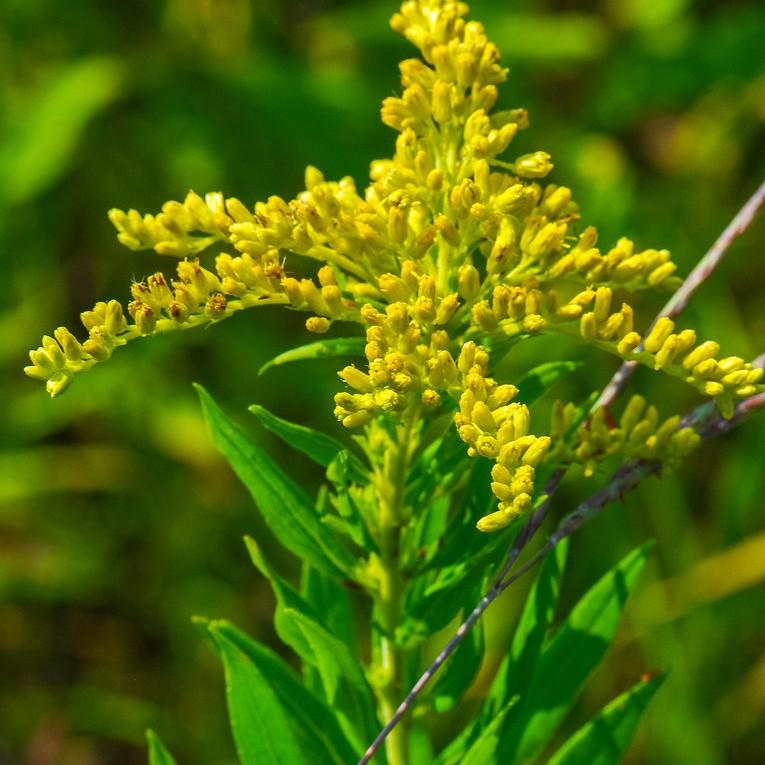
Goldenrod
Solidago canadensis
Overview
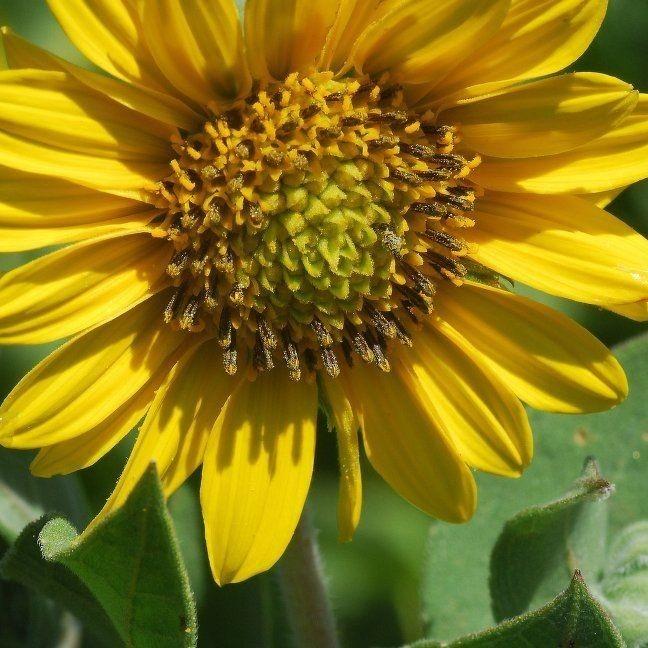
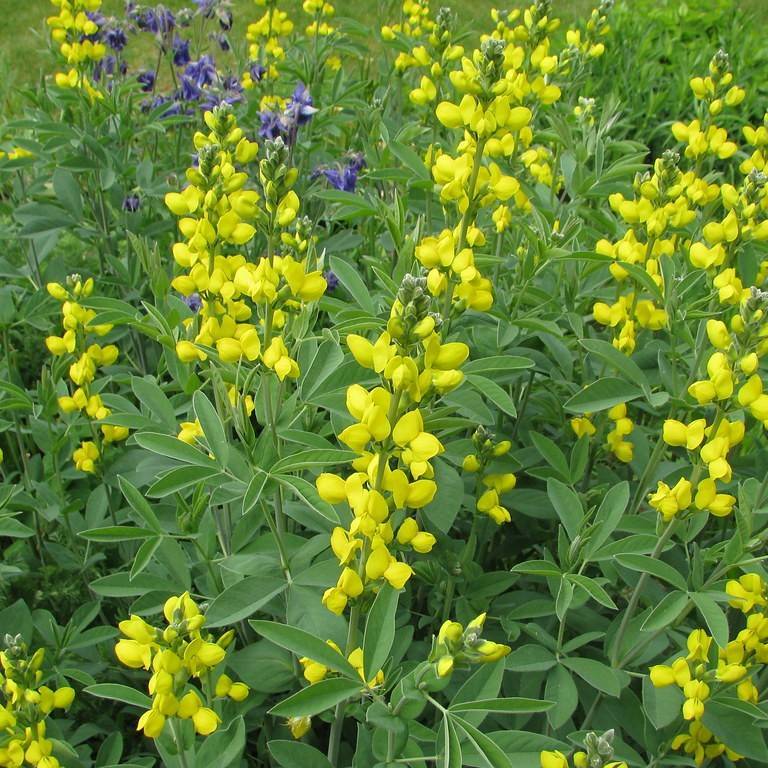
Goldenrod is a clump-forming herbaceous perennial that produces tall, upright stems lined with narrow, serrated green leaves, topped by dense, arching plumes of tiny, bright yellow flowers from late summer to early fall. Often incorrectly blamed for causing hay fever (its pollen is too heavy to be windborne), it is actually a critical food source for bees, butterflies, and other beneficial pollinators when many other flowering plants have finished blooming. Many cultivated varieties are less aggressive than wild stands, making them suitable for managed garden landscapes.
Care Guide
Watering
Goldenrod is highly drought-tolerant once established, requiring only occasional deep watering during extended periods of no rainfall; avoid overwatering, as soggy soil will quickly cause root rot. Newly planted specimens should be watered regularly for the first 1-2 growing seasons to help them develop a strong, extensive root system before they become self-sufficient.
Light
This plant thrives in full sun, requiring at least 6 hours of direct, unfiltered sunlight per day to produce the most abundant, vibrant flower displays and maintain sturdy, upright stems that do not flop over. It can tolerate partial shade, but shaded plants will produce fewer flowers, develop leggy growth, and may need staking to stay upright.
Soil
Goldenrod adapts to a very wide range of soil types, including poor, dry, sandy, or clay soils, as long as the site has good drainage; it will not survive in consistently waterlogged, heavy soils. A neutral to slightly alkaline soil pH between 6.0 and 7.5 is ideal, though it will tolerate slightly acidic conditions without issue.
Fertilizer
Goldenrod rarely needs supplemental fertilization, as it thrives even in low-nutrient soils; excessive fertilization will lead to leggy, weak growth and fewer flowers, so it is best to avoid feeding it in most garden settings. If planted in extremely poor, depleted soil, a single light application of balanced, slow-release fertilizer in early spring is sufficient to support healthy growth for the entire growing season.
Temperature
This hardy perennial grows well in USDA zones 3 through 9, tolerating extreme winter lows down to -40°F (-40°C) and summer highs well above 90°F (32°C) without damage. It is highly tolerant of both heat and cold, with established plants surviving short-term drought and light frost with no adverse effects.
Pruning
In late fall after flowering finishes, cut stems back to 2-3 inches above the soil line to prevent self-seeding and keep the planting area tidy, if desired; leaving spent flower heads up over winter provides food for seed-eating birds and shelter for beneficial insect larvae. In early summer, pinching back young stems by half will encourage bushier, more compact growth and more flower plumes later in the season, while also reducing the need for staking.
Propagation
Goldenrod is most easily propagated by division in early spring or late fall, when the plant is dormant; dig up mature clumps, separate them into smaller sections with healthy roots and at least one growing shoot, and replant immediately at the same depth they were growing previously. It can also be grown from seed sown directly outdoors in fall or stratified and sown indoors 6-8 weeks before the last expected spring frost, though seed-grown plants may take 1-2 years to reach full flowering size.
Humidity
Goldenrod adapts well to a wide range of humidity levels, thriving in both the dry conditions of western North America and the humid summers of the eastern United States with no extra care. High humidity combined with poor air circulation can increase the risk of foliar fungal diseases, so space plants adequately to allow air flow around the stems and leaves.
Repotting
Goldenrod is rarely grown in containers, but if potted, it will need to be repotted every 1-2 years in early spring to accommodate its fast-spreading root system, or divided when it becomes root-bound. Use a well-draining potting mix and a container with ample drainage holes, and avoid overpotting, as excess soil will hold too much moisture and increase the risk of root rot.
Uses & Symbolism
Goldenrod is a popular addition to pollinator gardens, native plant landscapes, meadow plantings, and cut flower arrangements, as its bright golden plumes add late-season color and last well in vases. Historically, it has been used in traditional herbal medicine to treat inflammation, urinary tract issues, and sore throats, and its flowers can be used to make yellow dye. It also provides critical habitat and food for beneficial insects, including the caterpillars of several moth and butterfly species, and seed for birds in winter.
Diseases & Pests
Goldenrod is relatively pest and disease resistant, though it can occasionally be affected by powdery mildew, rust, and leaf spot fungal diseases, especially in humid, shaded conditions with poor air circulation. Common pests include aphids, leaf miners, and goldenrod gall flies, which form distinctive round galls on stems; these rarely cause serious damage, and can be controlled by removing affected stems or spraying with insecticidal soap for severe infestations. Overwatering or planting in poorly drained soil will quickly lead to fatal root rot, so proper site selection is the best prevention for this issue.
Related plants
Other plants you might like if you grow Goldenrod.