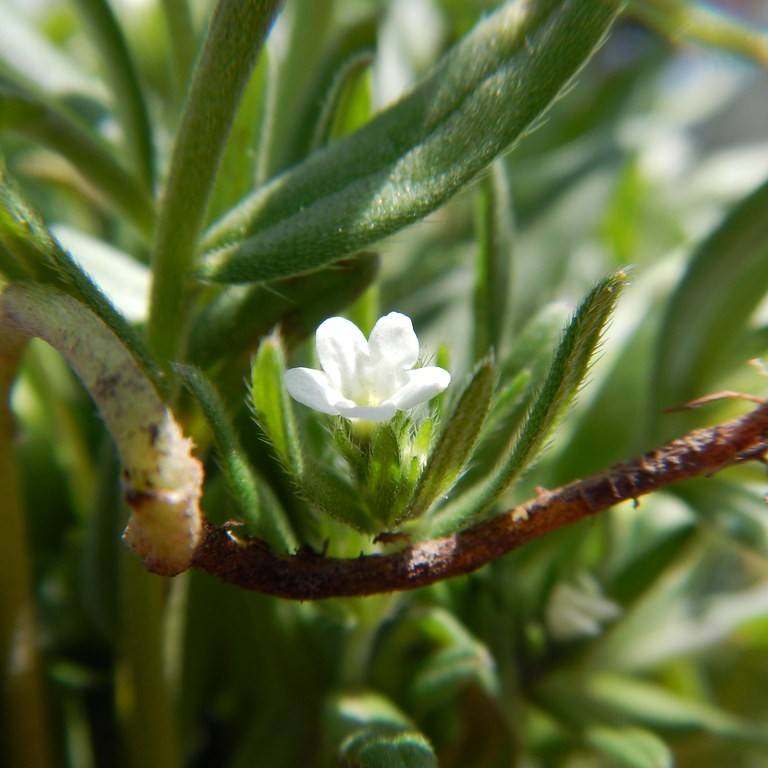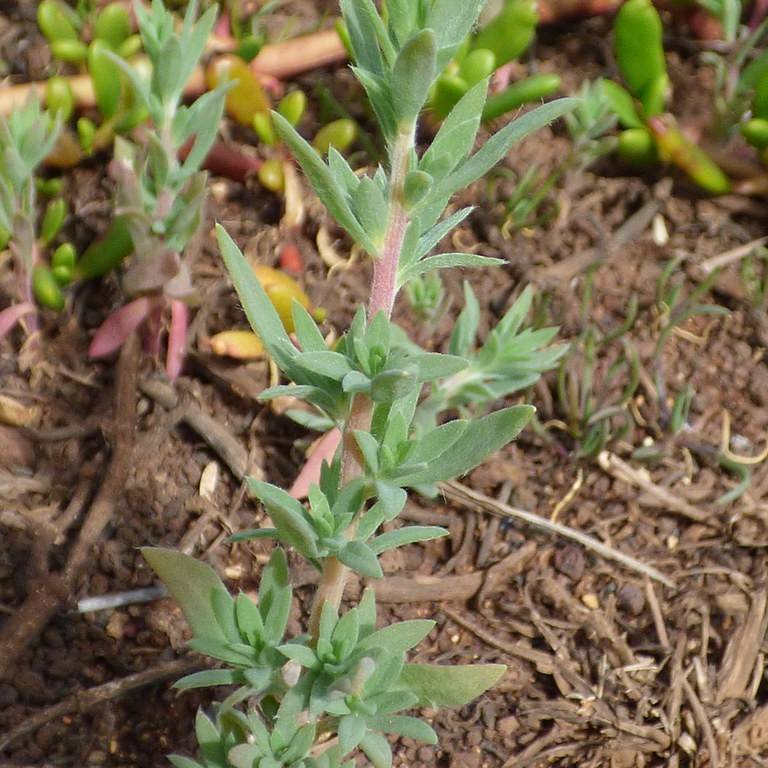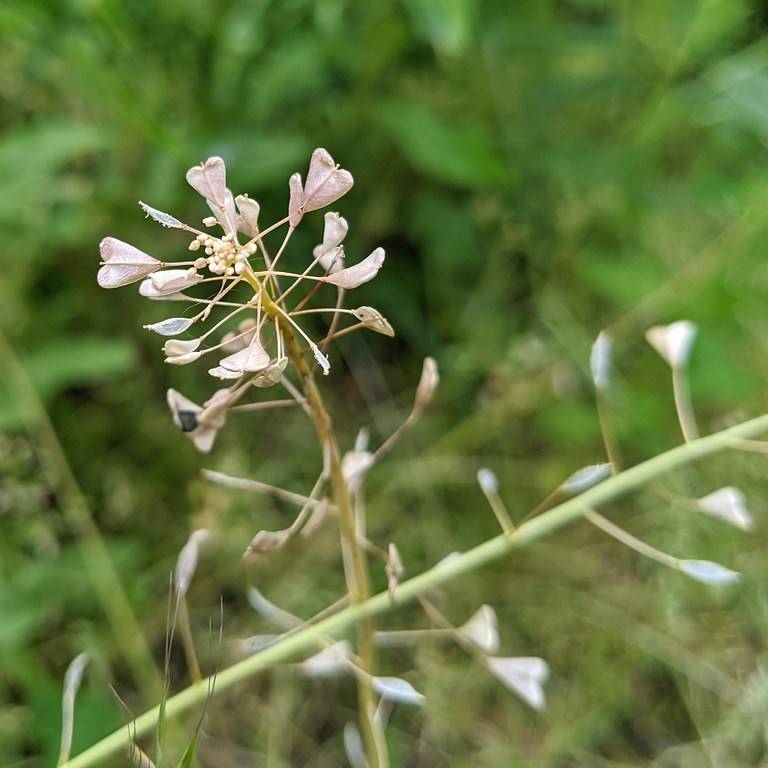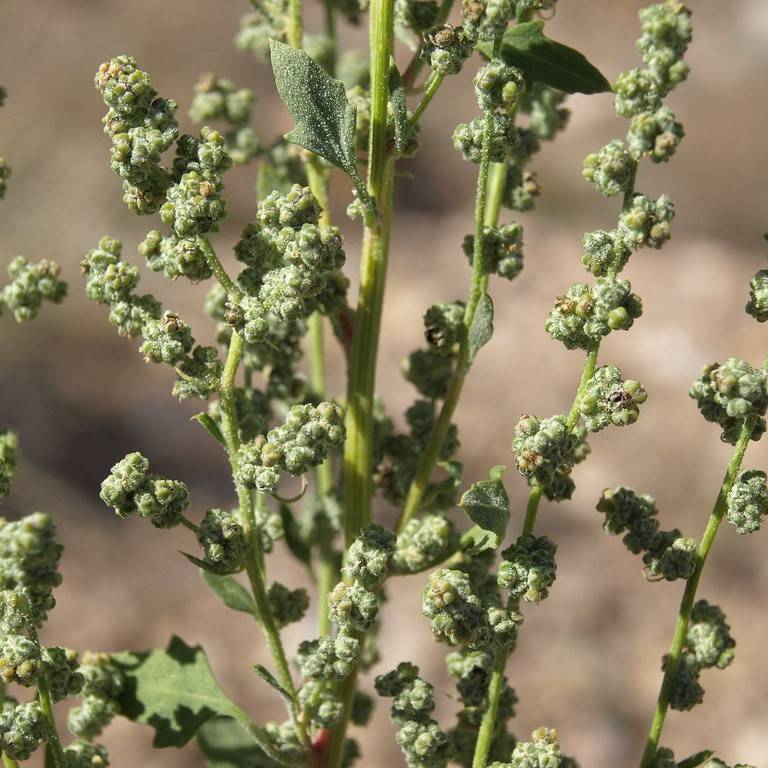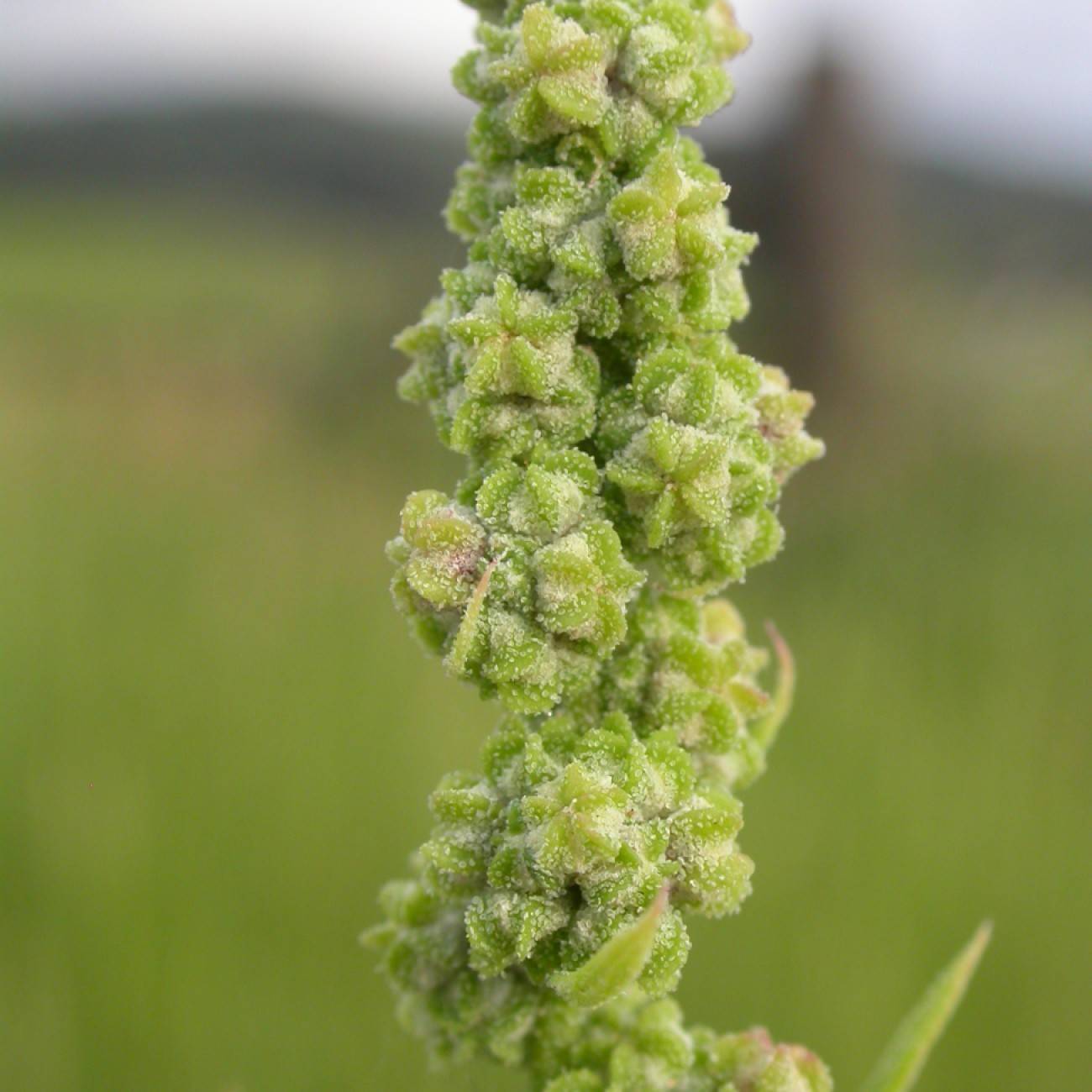
Large Calyx Goosefoot
Chenopodium macrospermum
Overview
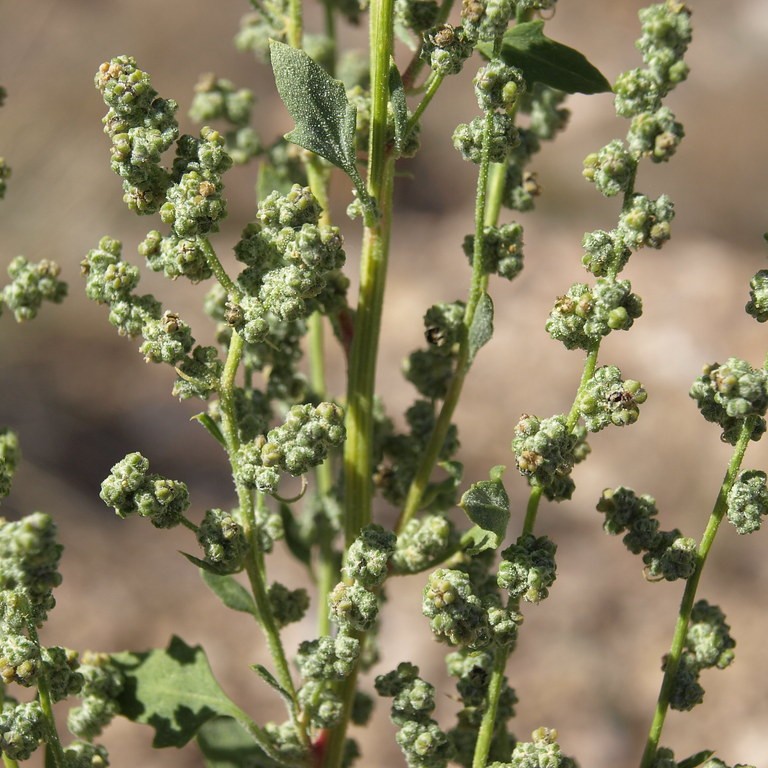
Large calyx goosefoot is a hardy annual herb that thrives in disturbed soils, roadsides, and semi-arid grasslands across its native range. It is distinguished by its triangular, slightly mealy-textured leaves and distinctive inflated, papery calyxes that persist around mature seeds, giving the plant its common name. While sometimes considered a minor agricultural weed, it is also studied for its drought tolerance and potential as a hardy seed crop for marginal environments.
Care Guide
Watering
This drought-tolerant annual requires minimal supplemental watering, thriving in dry to moderately moist soil; overwatering can lead to root rot and weak, floppy growth. Allow the top 2-3 inches of soil to dry out completely between waterings, and reduce irrigation entirely once the plant reaches maturity and begins setting seed. In its native wild habitat, it survives on seasonal rainfall with no additional watering.
Light
Large calyx goosefoot requires full, direct sunlight for at least 6 hours per day to produce robust foliage and abundant seed heads. It can tolerate partial shade, but growth will be stunted and seed production will be significantly reduced. Avoid planting it in heavily shaded locations, as it will struggle to compete with taller, more aggressive vegetation.
Soil
It adapts to a wide range of soil types, including sandy, loamy, and even clay soils, as long as drainage is good. It prefers neutral to slightly alkaline soil pH between 6.5 and 8.0, and tolerates moderately saline soils that many other crop plants cannot. It will not grow well in waterlogged, poorly drained soils, which promote root and stem rot.
Fertilizer
This low-maintenance plant requires little to no supplemental fertilizer, as it thrives in low-nutrient, marginal soils. Over-fertilization, particularly with high-nitrogen products, will encourage excessive leafy growth at the expense of seed production and may make the plant more susceptible to pest damage. If grown in extremely poor soil, a single light application of balanced, slow-release fertilizer at planting time is sufficient.
Temperature
It is adapted to temperate climates, growing best in temperatures between 60-85°F (15-29°C) during its active growing season. It can tolerate light frosts in early spring and late fall, but hard freezes will kill the plant entirely. Seeds germinate readily once soil temperatures consistently stay above 50°F (10°C) in the spring.
Pruning
Pruning is generally unnecessary for large calyx goosefoot, as it has a naturally compact, branching growth habit. If grown as a seed crop, you can remove weak, spindly lower branches to improve air circulation and reduce the risk of fungal disease. Deadheading spent flower heads is not recommended if you wish to harvest seeds or allow the plant to self-sow for the following growing season.
Propagation
It is easily propagated from seed, sown directly outdoors in early spring after the last frost date has passed. Scatter seeds lightly on the soil surface and cover with a thin 1/8-inch layer of soil, as seeds require light to germinate successfully. It self-sows readily in suitable growing conditions, often returning year after year in the same location without intentional planting.
Humidity
Large calyx goosefoot prefers low to moderate humidity levels between 30-60%, typical of its native semi-arid and temperate grassland habitats. It can tolerate short periods of high humidity, but prolonged humid conditions combined with poor air circulation increase the risk of powdery mildew and other fungal leaf diseases. No extra humidity is required when growing this plant in outdoor or indoor settings.
Repotting
As an annual plant grown primarily outdoors in garden beds or wild settings, repotting is almost never required. If grown in containers for research or ornamental purposes, it does not need repotting during its single growing season, as it completes its full life cycle in less than a year. Use a well-draining potting mix if growing in containers, and select a pot at least 12 inches deep to accommodate its taproot.
Uses & Symbolism
Historically, indigenous communities have harvested the small, nutrient-dense seeds of large calyx goosefoot as a wild grain source, similar to related quinoa and amaranth species, grinding them into flour or cooking them whole. It is sometimes planted for erosion control in disturbed or marginal lands, as its deep root system stabilizes soil and it tolerates poor growing conditions that many other plants cannot. It is also used in ecological restoration projects to provide habitat and food for small seed-eating birds and beneficial insects.
Diseases & Pests
Large calyx goosefoot is relatively resistant to most pests and diseases, but can occasionally be affected by powdery mildew in humid, poorly ventilated conditions, which appears as a white, powdery coating on leaf surfaces. Aphids and leaf miners may feed on young foliage, though infestations are rarely severe enough to require treatment. Root rot can occur if the plant is grown in consistently waterlogged soil, so proper drainage is critical to prevent this issue.
Guides that mention Large Calyx Goosefoot
Related plants
Other plants you might like if you grow Large Calyx Goosefoot.