Common Shepherd's Purse
Capsella bursa-pastoris
Overview
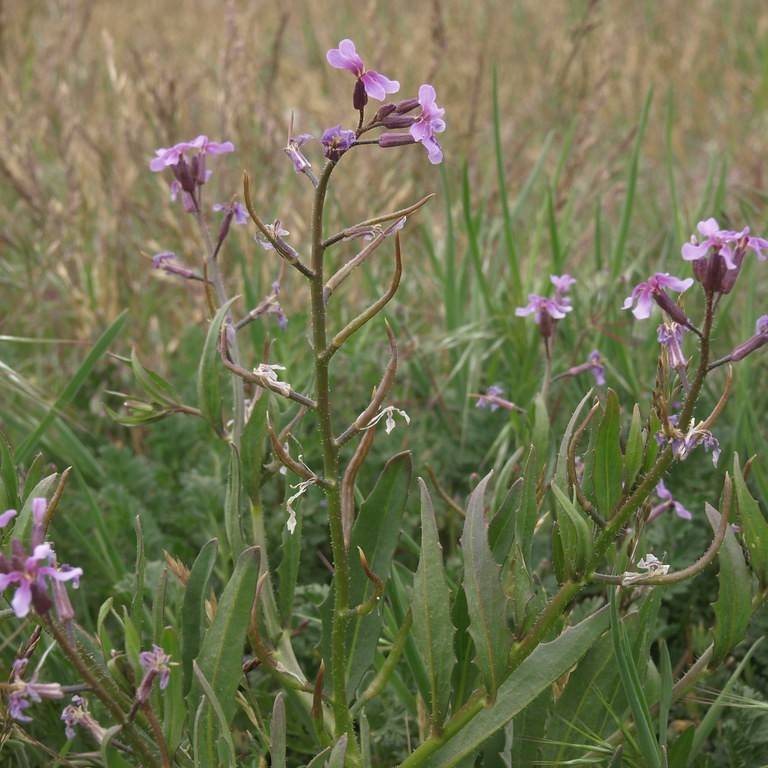
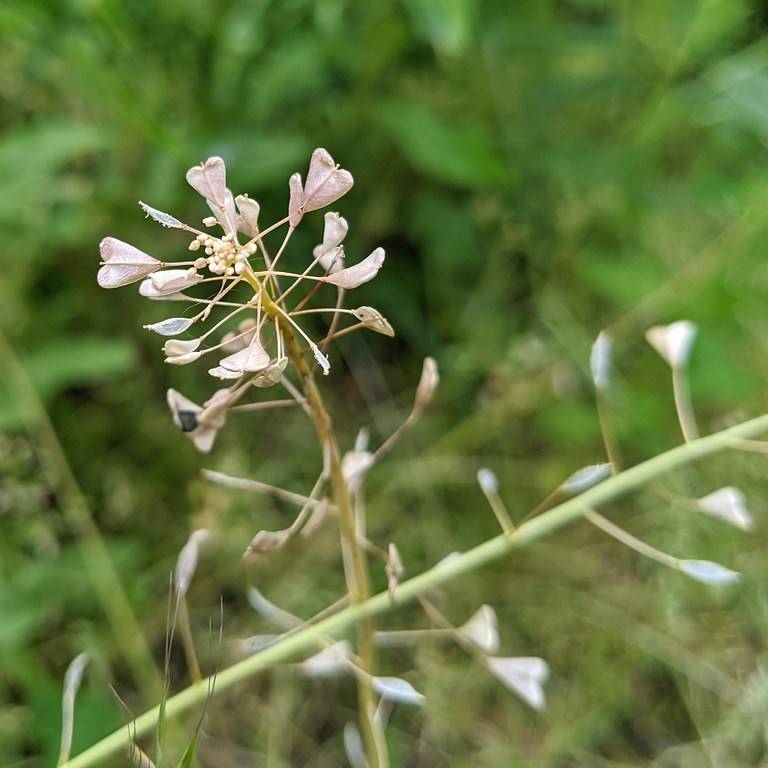
Common shepherd's purse is a prolific, adaptable annual that thrives in disturbed soils, lawns, roadsides, and garden beds across most temperate climates. It produces clusters of tiny white flowers on upright stalks from early spring through late fall, followed by its signature flat, triangular seed pods that resemble traditional leather shepherd's purses. It is often considered a common weed but has a long history of culinary and medicinal use across many cultures.
Care Guide
Watering
Common shepherd's purse is highly drought-tolerant, requiring only occasional rainfall or supplemental watering in extended dry periods, as overwatering can lead to root rot. It thrives in evenly moist but well-drained soil, and will self-sow readily if seed pods are allowed to mature and drop.
Light
This plant grows best in full sun, receiving 6 or more hours of direct sunlight daily, but can tolerate partial shade, though it may produce fewer flowers and seed pods in lower light conditions. It is adaptable to a wide range of light exposures, making it able to colonize both open fields and partially shaded garden edges.
Soil
Common shepherd's purse is not fussy about soil type, growing well in poor, compacted, sandy, loamy, or even clay soils, as long as drainage is adequate. It prefers a neutral to slightly alkaline soil pH between 6.0 and 7.8, but can survive in moderately acidic or alkaline conditions as well.
Fertilizer
Fertilizer is rarely required for this hardy plant, as it can extract sufficient nutrients from even low-quality soils. If grown intentionally for harvest, a light application of balanced, all-purpose fertilizer once in early spring can boost foliage growth, but over-fertilization will lead to leggy, weak stalks.
Temperature
It thrives in cool to moderate temperatures between 50-75°F (10-24°C), and can tolerate light frosts down to 20°F (-7°C), allowing it to grow from early spring well into late fall in most temperate regions. In extremely hot summer temperatures above 90°F (32°C), it will bolt and set seed quickly, often dying back once extreme heat persists.
Pruning
Pruning is generally unnecessary for wild-growing shepherd's purse, but if you wish to prevent self-sowing, cut off flower stalks before seed pods mature and split open. If harvested for culinary use, snip young leaves and upper stalks at the base, leaving lower foliage intact to allow regrowth for multiple harvests.
Propagation
Common shepherd's purse propagates easily from seed, which can be sown directly outdoors in early spring as soon as the soil can be worked, or in fall for overwintering in mild climates. Seeds require no stratification, germinating in 7-14 days when kept moist, and the plant will self-sow aggressively if allowed to go to seed, often returning year after year in the same area.
Humidity
This plant tolerates a wide range of humidity levels, from dry inland climates to humid coastal regions, with no specific humidity requirements. Excessively high humidity combined with poor air circulation can increase risk of foliar fungal diseases, but this is rarely a significant issue for the hardy species.
Repotting
Repotting is almost never required, as common shepherd's purse is typically grown outdoors in garden beds or wild areas, and has a shallow, small root system that does not often outgrow its space. If grown in containers, it only needs repotting if roots are visibly draining from the bottom of the pot, using a standard all-purpose potting mix with good drainage.
Uses & Symbolism
Young, tender leaves of common shepherd's purse are eaten raw in salads, cooked as a potherb, or added to soups and stir-fries, with a mild, peppery flavor similar to other mustard greens. It has a long history of use in traditional herbal medicine, particularly to address minor bleeding, digestive issues, and urinary tract discomfort, though clinical evidence supporting these uses is limited. It is also valued as a food source for pollinators, supporting small bees, butterflies, and other beneficial insects early in the growing season.
Diseases & Pests
Common shepherd's purse is relatively resistant to most pests and diseases, though it may occasionally be affected by common brassica pests such as aphids, flea beetles, and cabbage loopers, which can be controlled with insecticidal soap or manual removal. Fungal diseases including downy mildew, white rust, and powdery mildew may occur in overly wet, poorly ventilated conditions, which can be prevented by avoiding overhead watering and spacing plants to improve air flow. It can also act as a host for turnip mosaic virus and clubroot, which may spread to other cultivated brassica crops if left uncontrolled in garden areas.
Related plants
Other plants you might like if you grow Common Shepherd's Purse.