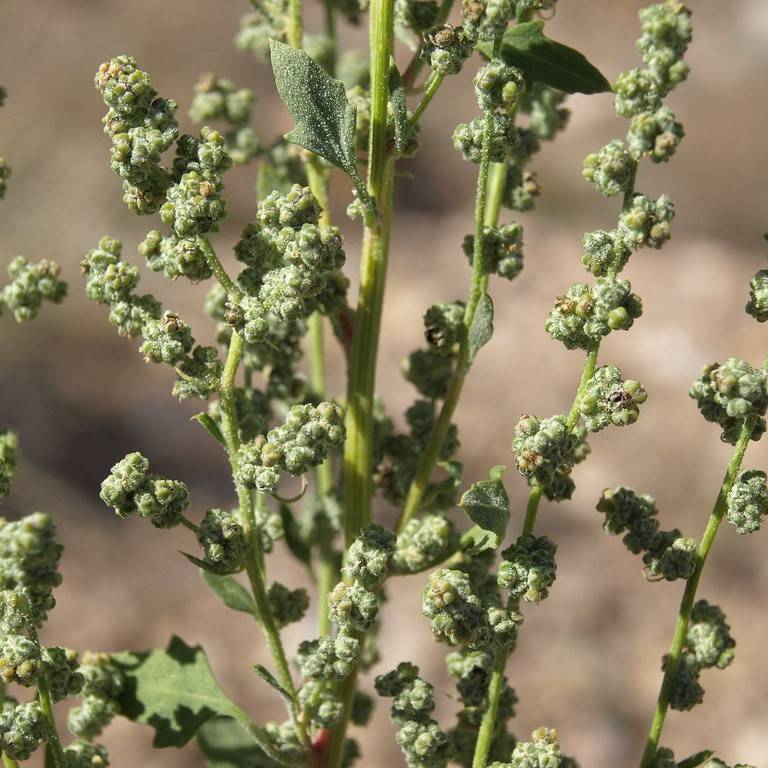
Fogg's Goosefoot
Chenopodium foggii
Overview
Chenopodium foggii, commonly called Fogg's Goosefoot, is a little-studied member of the goosefoot genus named for 20th-century botanist John M. Fogg Jr. It is endemic to open, sandy coastal habitats including dunes, pine barrens, and disturbed sandy roadsides, where it often grows alongside other stress-tolerant coastal plain species. Its foliage is covered in a fine, whitish powdery coating (farina) that gives it a muted gray-green appearance, helping it reflect harsh coastal sunlight and reduce water loss.
Care Guide
Watering
Fogg's Goosefoot is drought-tolerant once established, requiring only occasional deep watering during extended dry periods; overwatering will quickly lead to root rot in its preferred sandy growing medium. Allow the top 2 to 3 inches of soil to dry out completely between waterings, and avoid letting water pool around the base of the plant. It is adapted to the low, infrequent rainfall of coastal plain habitats, so it requires far less moisture than most garden annuals.
Light
This species thrives in full, direct sunlight, requiring a minimum of 6 hours of unobstructed sun per day to maintain healthy growth and flower production. It can tolerate very light, dappled shade for short periods, but prolonged shade will cause leggy, weak growth and reduce its ability to produce viable seed. Its natural coastal habitat exposes it to unfiltered sun and high light intensity, so it performs poorly in low-light conditions.
Soil
Fogg's Goosefoot requires extremely well-drained, sandy, low-nutrient soil to thrive, mimicking its native coastal dune and pine barren habitats. It tolerates slightly acidic to neutral pH levels (5.5 to 7.2) and cannot survive in heavy clay or compacted soils that hold excess moisture. It does not require rich, amended soil, and high nutrient levels will actually lead to overly lush, weak growth that is prone to collapse.
Fertilizer
This species is adapted to nutrient-poor sandy soils and generally requires no supplemental fertilizer to grow successfully. If grown in an overly rich garden bed, it will produce excessive foliage at the expense of flower and seed production, and may develop weak stems that fall over. If grown in a container, a single, very dilute application of balanced all-purpose fertilizer once at the start of the growing season is more than sufficient.
Temperature
Fogg's Goosefoot is adapted to the temperate coastal climate of eastern North America, thriving in average summer temperatures between 65°F and 85°F (18°C to 29°C). It can tolerate occasional short dips to 32°F (0°C) but is killed by hard frost, completing its full life cycle in a single growing season before cold winter temperatures arrive. It is highly tolerant of coastal heat, wind, and salt spray that would damage many other annual species.
Pruning
Pruning is generally unnecessary for Fogg's Goosefoot, as it has a naturally compact, upright growth habit in its preferred full-sun, low-nutrient conditions. If plants become leggy due to excess shade or fertilizer, you can pinch back the top 1 to 2 inches of growth in early summer to encourage bushier, more robust growth. Remove any dead or damaged foliage as needed to improve air circulation and reduce the risk of fungal issues.
Propagation
Fogg's Goosefoot propagates exclusively from seed, which is produced in small, clustered green flower spikes from mid-summer to early fall. Collect mature seed from dried flower heads in late fall, and sow directly outdoors in early spring after the last frost date, pressing seeds lightly into the surface of sandy soil as they require light to germinate. It will often self-seed readily in suitable growing conditions, producing new plants the following growing season without intervention.
Humidity
This species tolerates a wide range of humidity levels, from the dry inland edges of its range to the high, salty humidity of coastal dune habitats. It has no specific humidity requirements, and its powdery foliage coating helps it retain moisture even in very dry, windy conditions. High humidity combined with poorly drained soil is the primary risk, as this can lead to foliar fungal diseases.
Repotting
As an annual species, Fogg's Goosefoot is rarely grown in containers and does not require repotting during its single growing season. If sown in a container, use a sandy, well-drained cactus or succulent potting mix, and sow seeds at their final spacing to avoid disturbing the shallow root system later. Discard plants after they complete their life cycle and die back in late fall, and sow fresh seed the following spring if desired.
Uses & Symbolism
Fogg's Goosefoot is primarily of conservation and botanical interest, as it is a rare endemic species limited to a narrow coastal plain range, making it a target for habitat restoration projects in its native region. Like many other goosefoot species, its young leaves are edible when cooked, though it is not widely harvested for food due to its relative rarity and limited distribution. It is occasionally grown in native plant gardens and coastal restoration plantings to support local pollinators and preserve regional plant diversity.
Diseases & Pests
Fogg's Goosefoot has very few common pest or disease issues, thanks to its stress-tolerant adaptations and preference for dry, sandy habitats. Overwatering or poorly drained soil can lead to root rot and foliar fungal diseases such as powdery mildew, especially in high-humidity conditions with poor air circulation. Aphids and leaf miners may occasionally feed on its foliage, but infestations are rarely severe and can be managed with insecticidal soap or by removing affected leaves.
Related plants
Other plants you might like if you grow Fogg's Goosefoot.
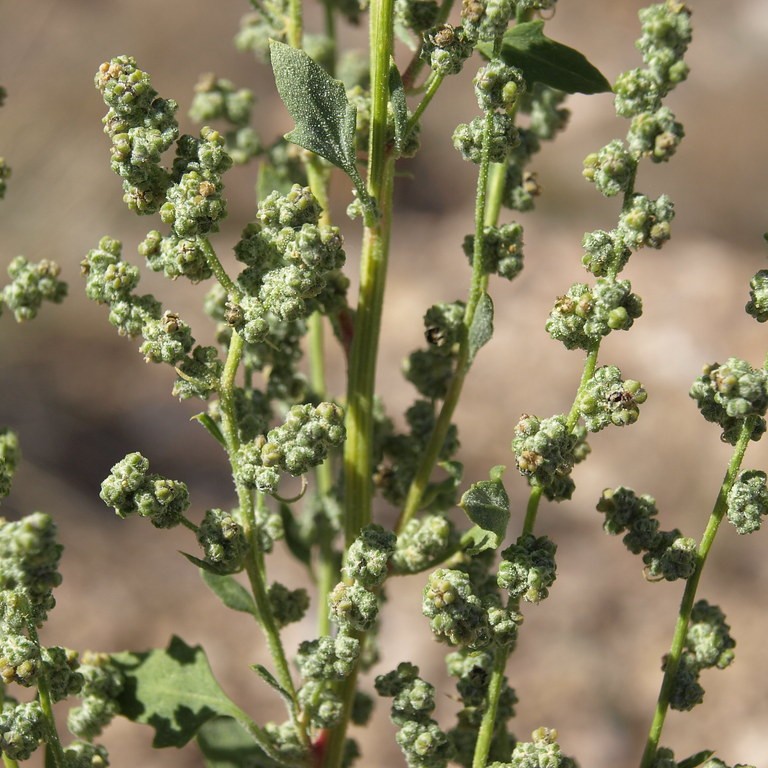
Bush S Goosefoot
Chenopodium bushianum
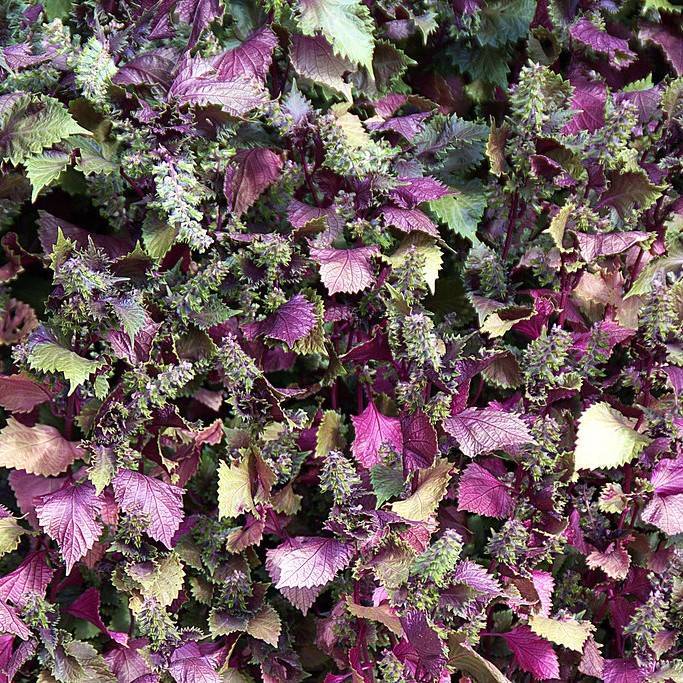
Beefsteak Plant
Perilla frutescens var. crispa
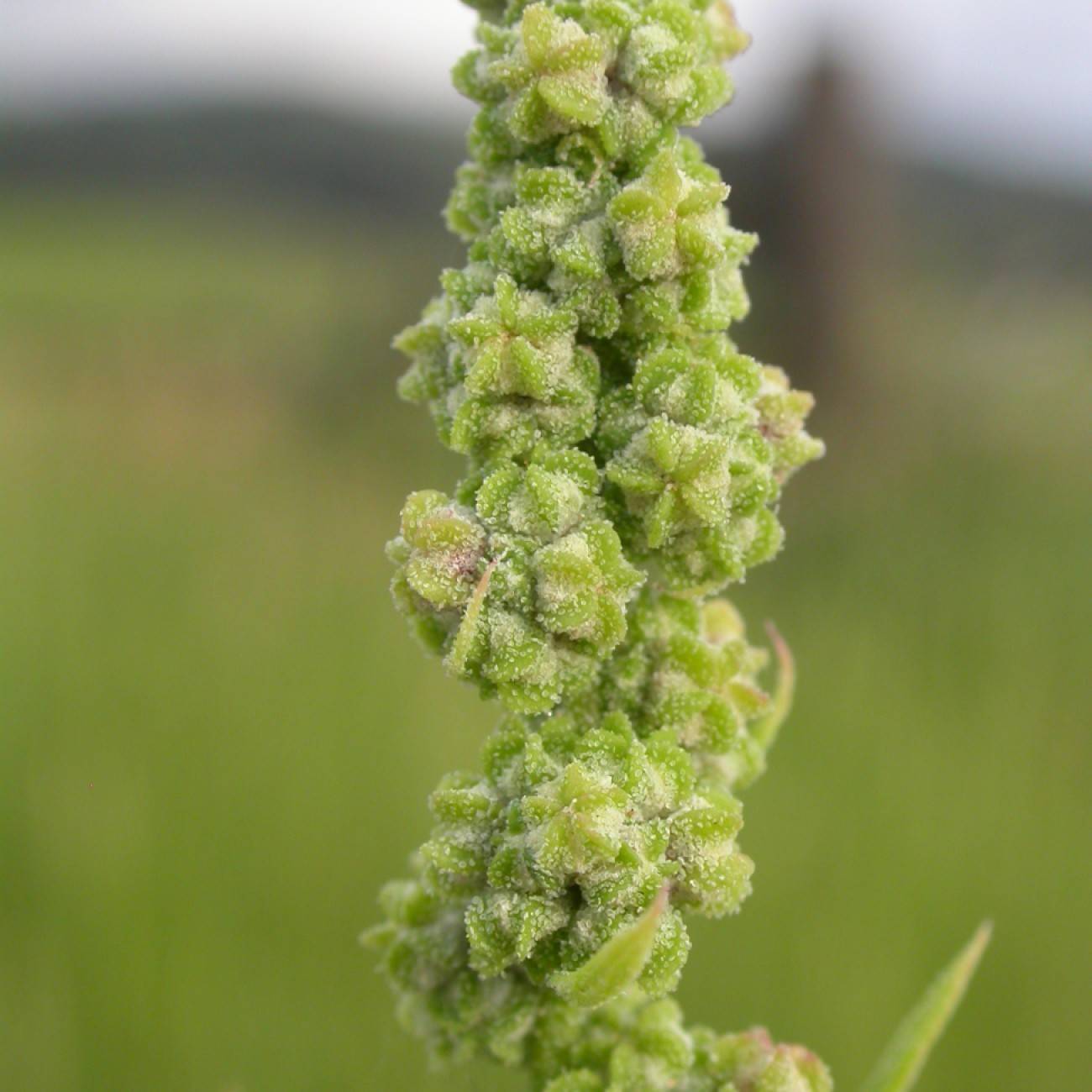
Large Calyx Goosefoot
Chenopodium macrospermum
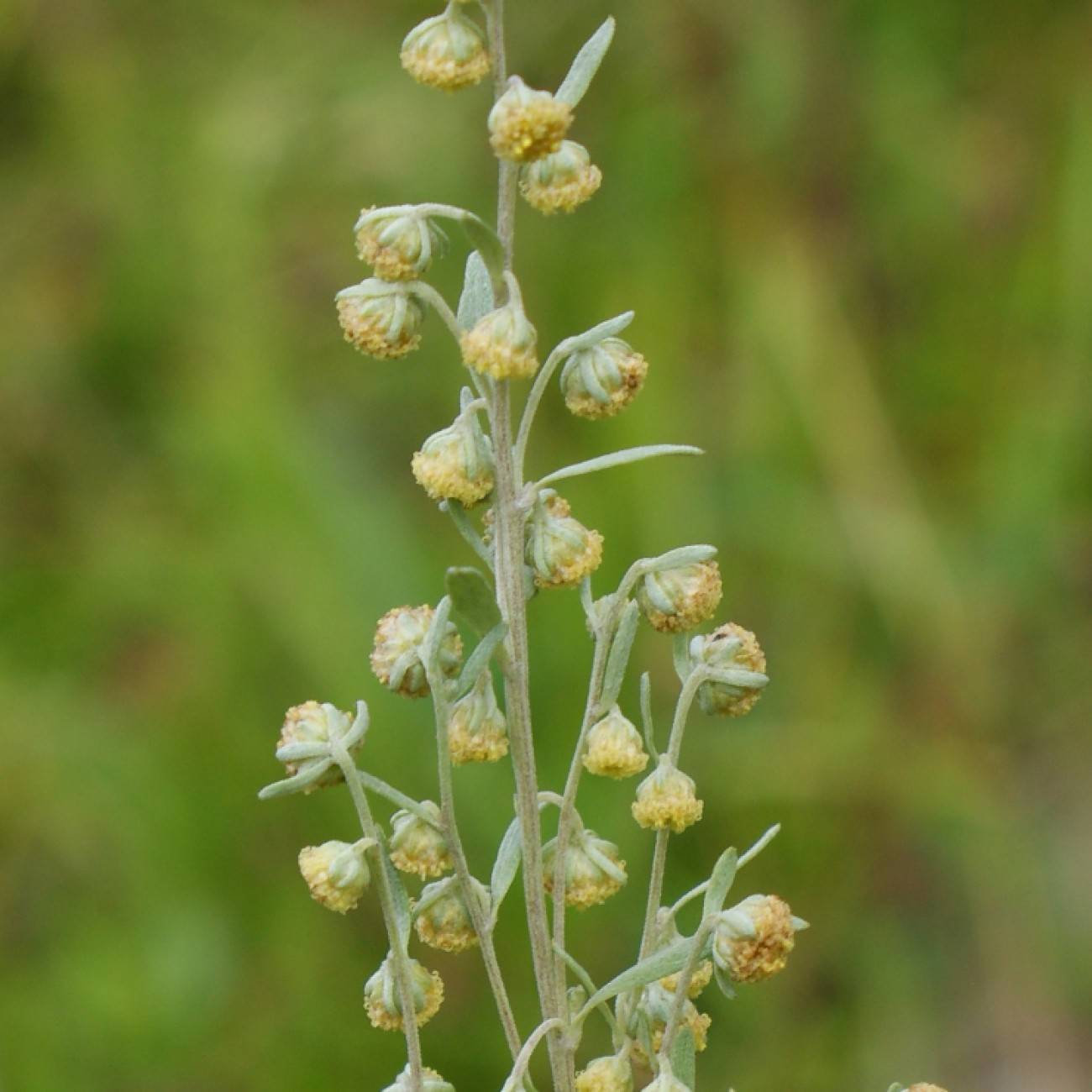
Desert Goosefoot
Chenopodium pratericola
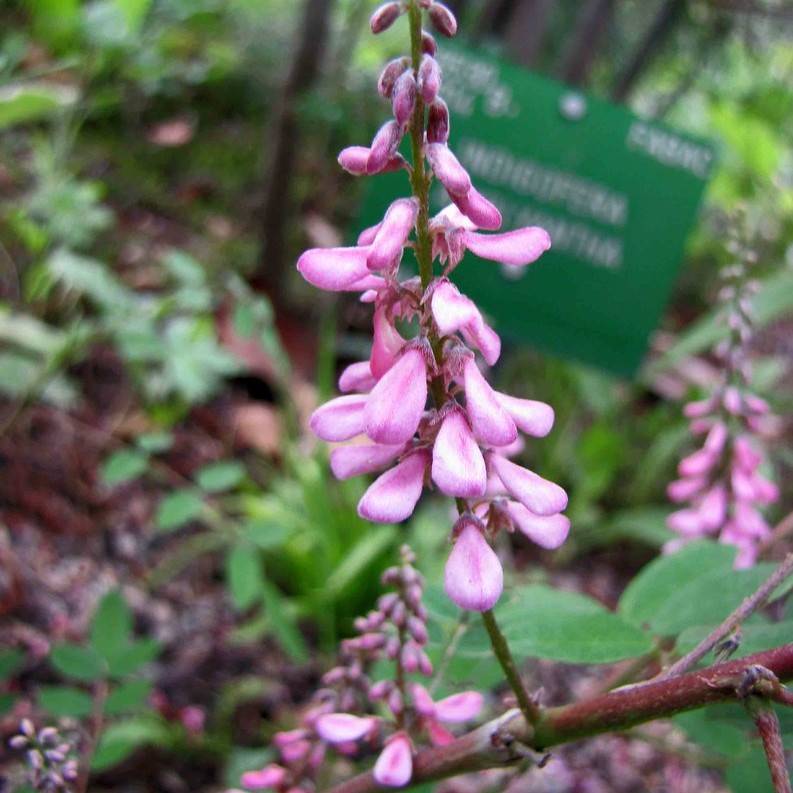
Chinese Indigo
Persicaria tinctoria
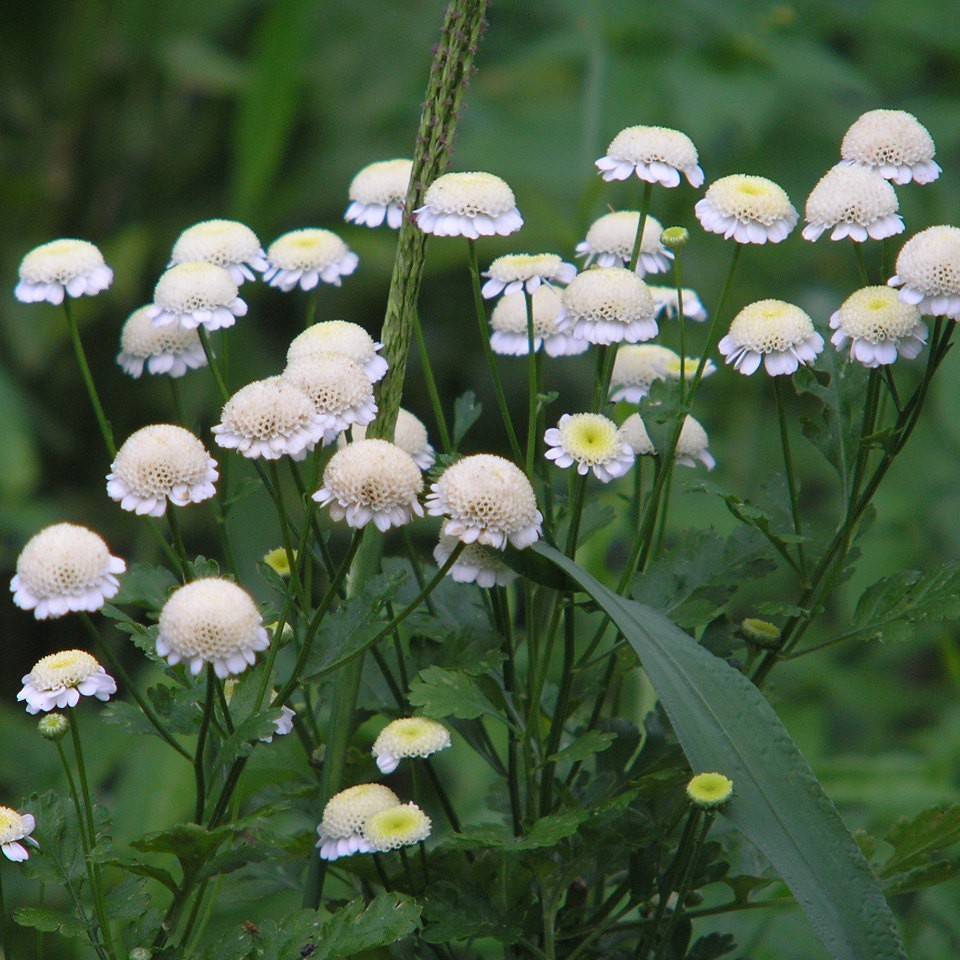
Feverfew
Tanacetum parthenium
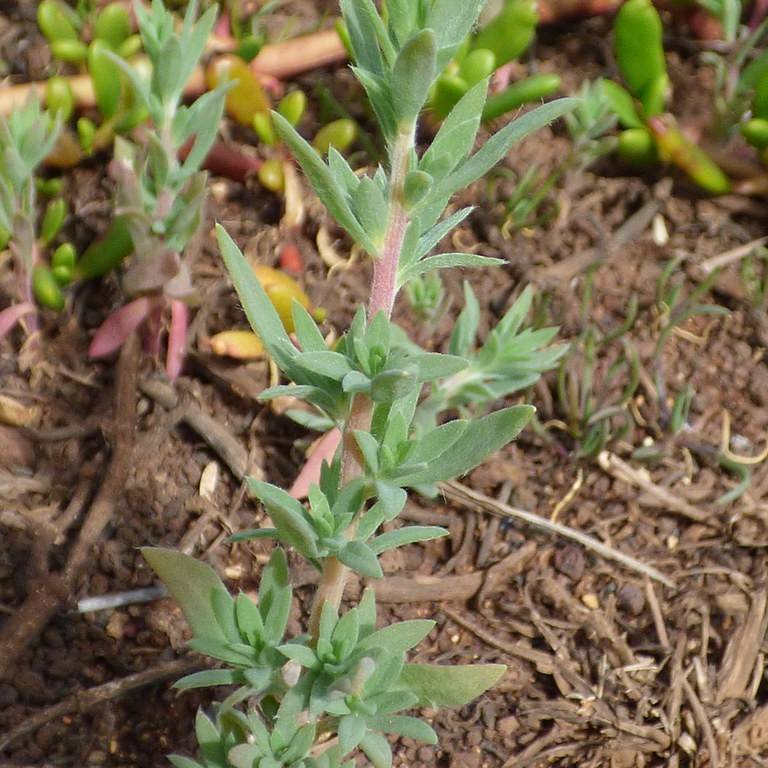
Five Hooked Bassia
Bassia hyssopifolia
Gold Leaf Tansy
Tanacetum vulgare 'Isla Gold'