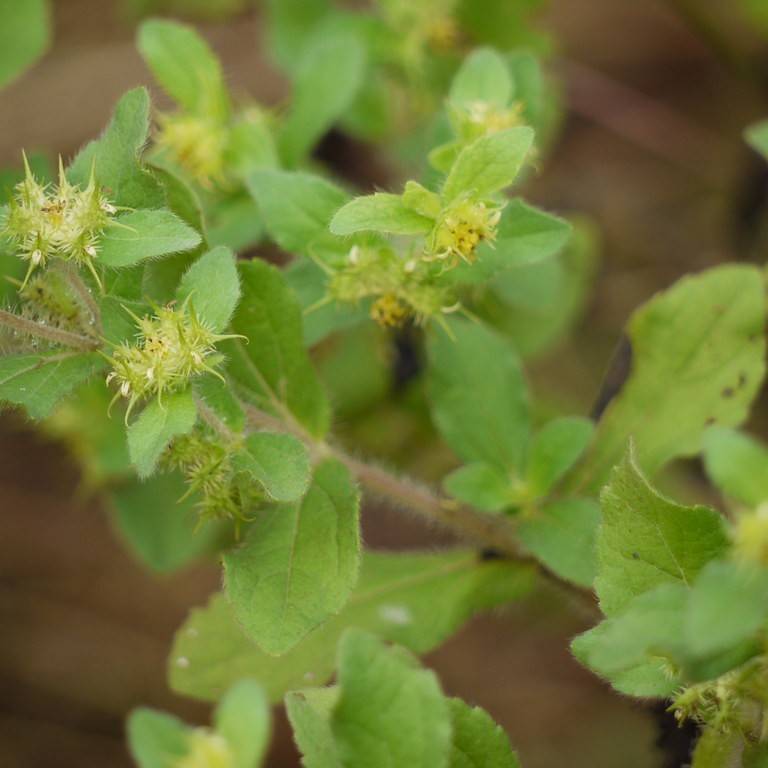
Hispid Starburr
Acanthospermum hispidum
Overview
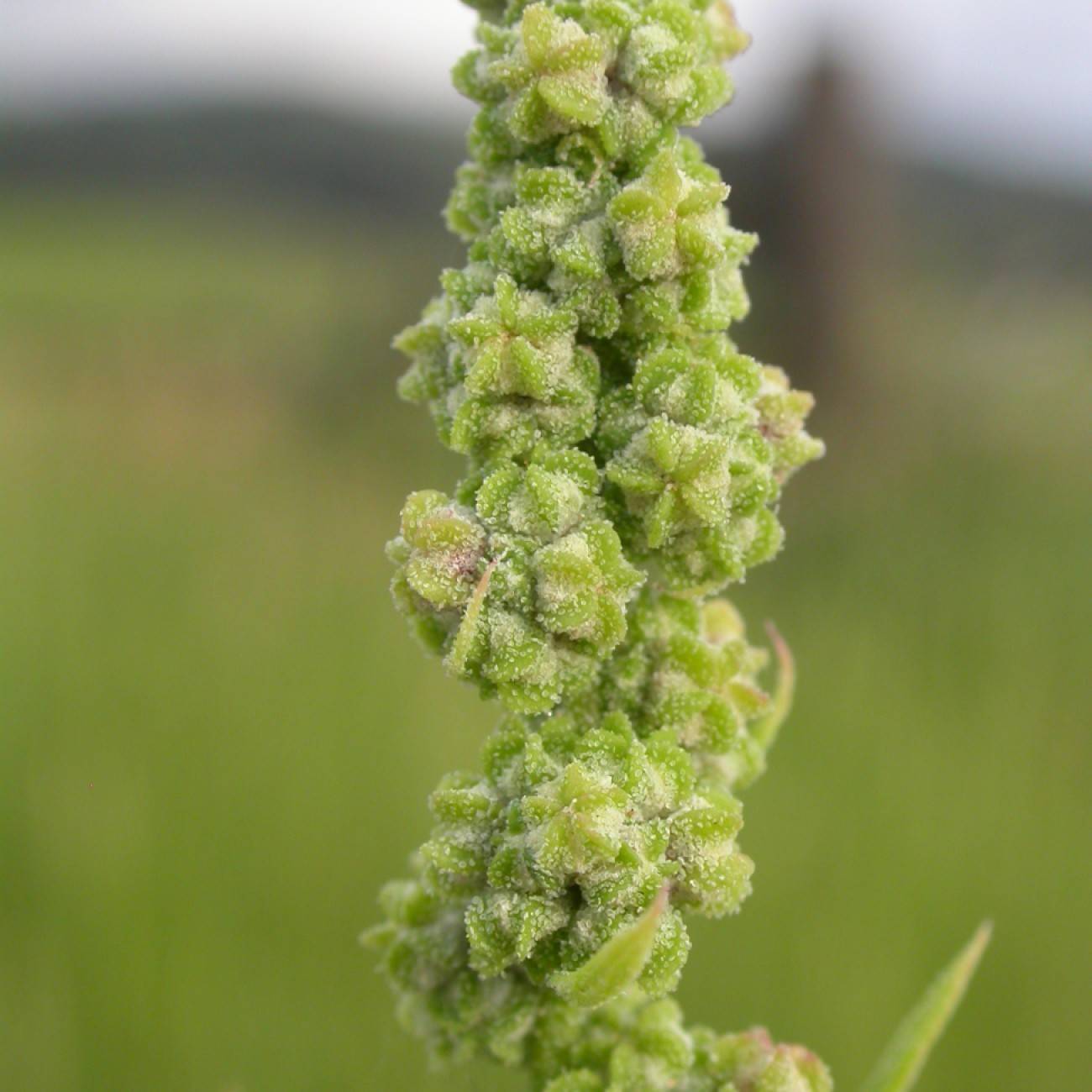
Hispid Starburr, a member of the daisy family, is recognizable by its rough, hairy stems and leaves, small pale yellow flower heads, and distinctive spiny burrs that cling to fur, clothing, and animal hide to disperse seeds. It thrives in disturbed, sunny sites such as roadsides, pastures, and agricultural fields, where it often grows as a invasive weed outside its native range. While frequently viewed as a nuisance, it has a long history of use in Indigenous medicinal practices across South and Central America.
Care Guide
Watering
Hispid Starburr is highly drought-tolerant, requiring only occasional rainfall or supplemental watering in extended dry periods; overwatering will cause root rot and stunted growth. It adapts to both dry and moderately moist soil conditions, thriving best when the top 2 to 3 inches of soil are allowed to dry completely between waterings. Avoid standing water around the root zone, as this will quickly kill the shallow, fibrous root system.
Light
This species requires full, direct sunlight for at least 6 hours per day to produce robust growth and viable seeds. It will not tolerate partial or full shade, where it becomes leggy, produces few flowers, and is vulnerable to fungal disease. It grows best in open, unshaded sites with unobstructed sun exposure throughout the growing season.
Soil
Hispid Starburr grows in a wide range of soil types, from sandy and loamy to clay-heavy, and tolerates poor, nutrient-depleted soils that many other plants cannot survive in. It prefers a neutral to slightly acidic pH range between 6.0 and 7.5, but will adapt to mildly alkaline conditions as well. Well-drained soil is essential, as it cannot survive waterlogged or compacted substrates.
Fertilizer
This plant requires no supplemental fertilizer, as it thrives in low-nutrient soils; adding fertilizer will encourage excessive leaf growth at the expense of flower and burr production. In extremely depleted, sandy soils, a single light application of balanced, slow-release 10-10-10 fertilizer at the start of the growing season is sufficient to support growth for the rest of its annual cycle. Overfertilization will make the plant more susceptible to aphid infestations and fungal blight.
Temperature
Hispid Starburr is adapted to warm temperatures between 65°F and 90°F (18°C to 32°C) and cannot tolerate frost, which will kill the plant immediately. It grows actively during the warm summer months, and will stop flowering and set seed as temperatures drop below 60°F (15°C) in late summer or early fall. It can tolerate short periods of extreme heat above 100°F (38°C) if provided with occasional moisture.
Pruning
Pruning is not required for this species, though pulling entire plants before burrs develop is recommended to prevent unwanted spread in garden or agricultural settings. If growing for medicinal use, stems and leaves can be harvested mid-growing season before flowering begins, cutting back up to one-third of the plant to encourage new, tender growth. Deadheading spent flowers will prevent seed formation and reduce spread if you wish to contain its growth.
Propagation
Hispid Starburr propagates exclusively via seed, which germinates readily in warm, moist soil at temperatures above 70°F (21°C) with no stratification required. Seeds are contained within the sharp hooked burrs, which easily attach to animal fur, clothing, and equipment to be transported long distances for natural dispersal. For intentional cultivation, sow seeds directly outdoors after the last frost date, pressing them lightly into the soil surface and keeping them moderately moist until germination occurs in 7 to 14 days.
Humidity
This species tolerates a wide range of humidity levels, from dry arid conditions to humid tropical climates, with no specific humidity requirements for healthy growth. It is not prone to humidity-related stress, though extended periods of high humidity combined with poor air circulation can increase the risk of powdery mildew on leaf surfaces. In very humid regions, planting in sites with full sun and good air flow will reduce fungal disease risk.
Repotting
As an annual species, Hispid Starburr is rarely grown in containers, so repotting is generally unnecessary. If grown in a pot for research or medicinal use, it does not require repotting during its single growing season, as it completes its full life cycle in less than 12 months. Use a well-drained potting mix if container-growing, and ensure the pot has ample drainage holes to prevent waterlogging.
Uses & Symbolism
In traditional medicine across its native range, Hispid Starburr is used to treat fever, inflammation, gastrointestinal issues, and parasitic infections, with modern research investigating its potential antimicrobial and anti-inflammatory properties. It is sometimes used as a cover crop in low-nutrient tropical soils to prevent erosion, though its aggressive spread and sharp burrs limit this use. The sharp, clinging burrs have historically been used as a natural fastener in some Indigenous cultures.
Diseases & Pests
Hispid Starburr is relatively pest-resistant, though it may be affected by common aster family pests such as aphids, spider mites, and whiteflies, which feed on leaf sap and cause stunted growth in dense, shaded stands. Fungal diseases including powdery mildew, downy mildew, and root rot can occur in overly moist, poorly drained soils or in areas with high humidity and low air circulation. It is also a host for several agricultural viruses that can affect crop plants in the aster family, including sunflowers and lettuce, making it a problematic weed in commercial growing operations.
Related plants
Other plants you might like if you grow Hispid Starburr.