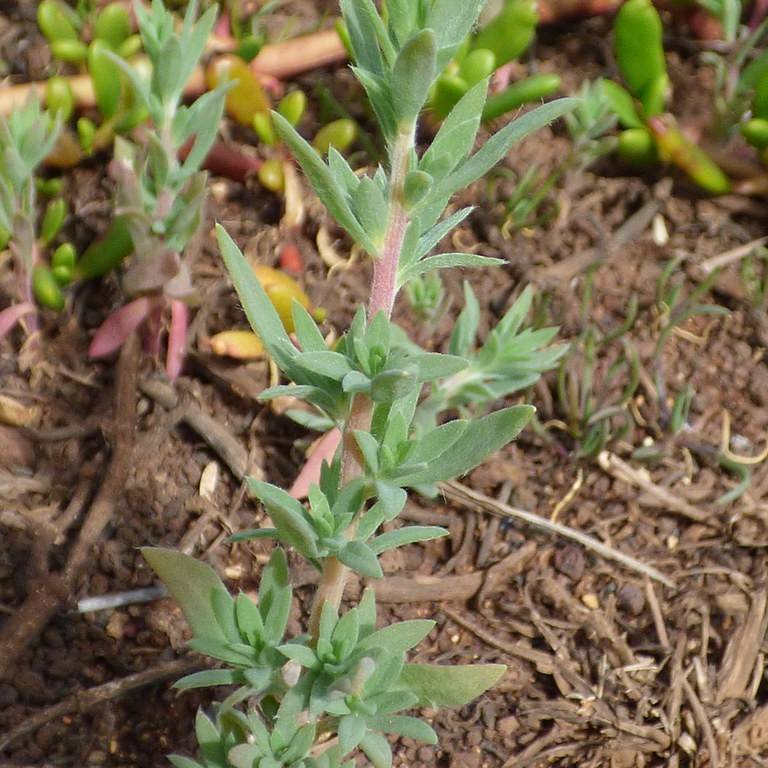
Five Hooked Bassia
Bassia hyssopifolia
Overview
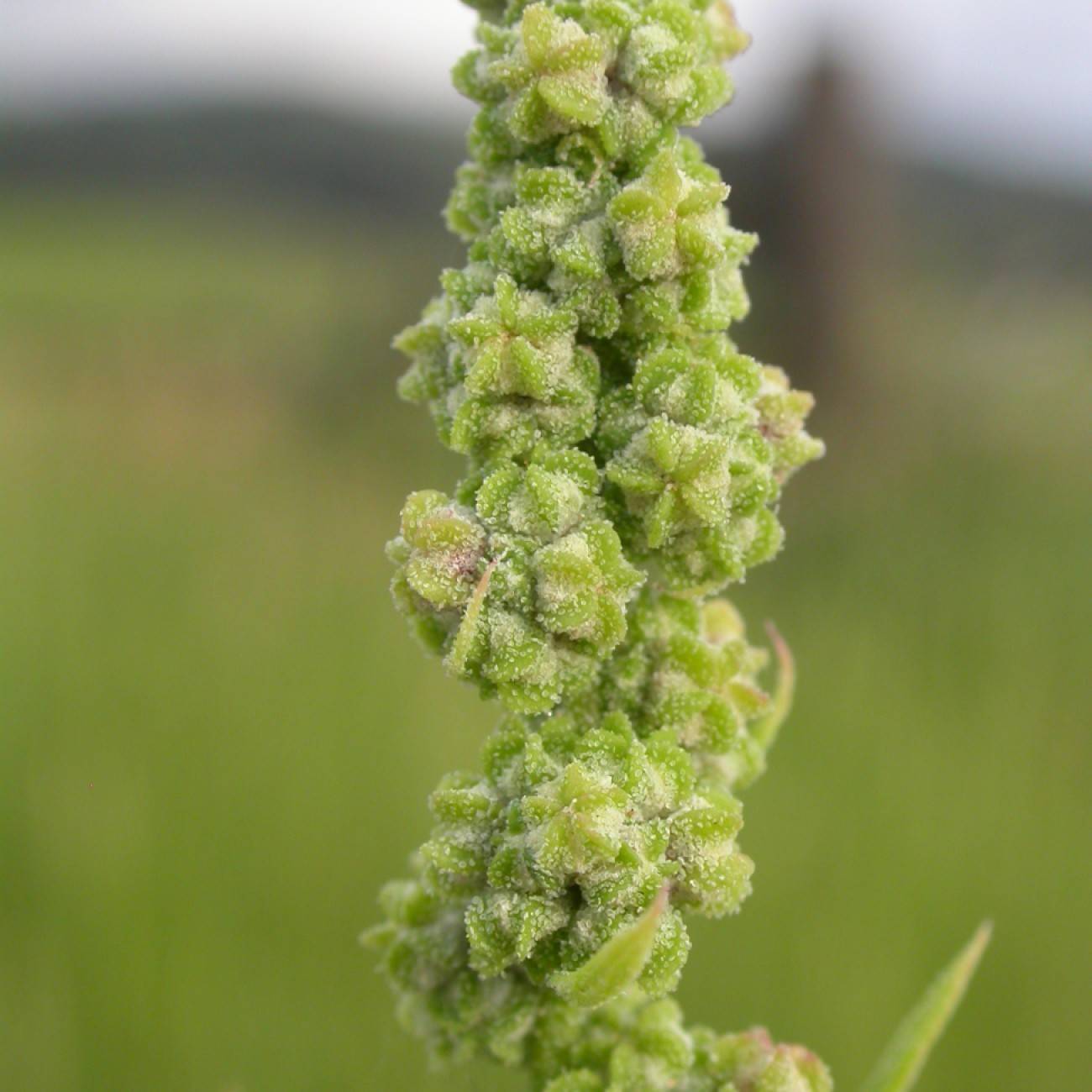
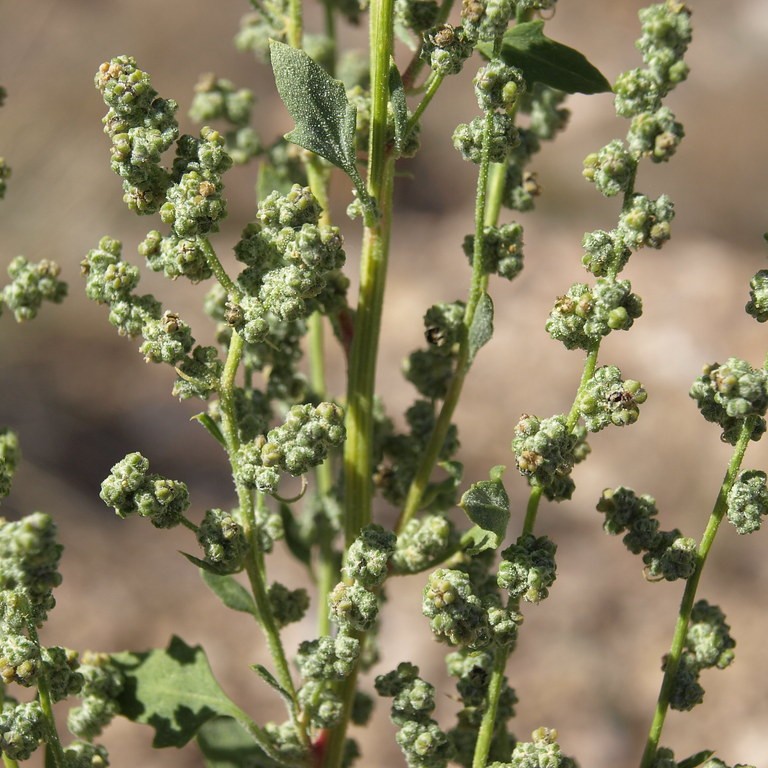
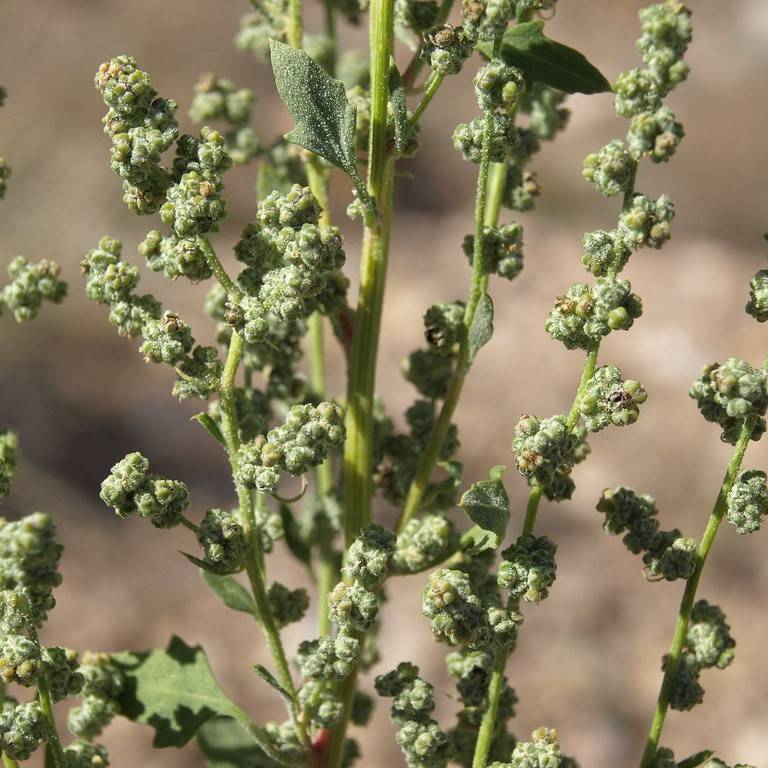
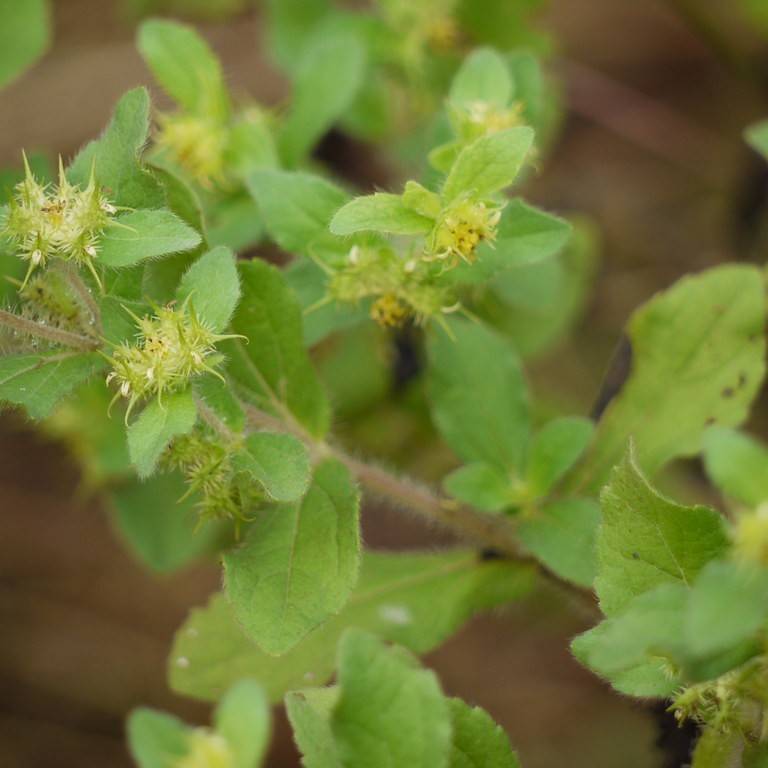
Five Hooked Bassia, sometimes called five-horn smotherweed, is an upright, branching annual that thrives in arid, saline, or disturbed habitats including roadsides, pastures, and coastal flats. Its common name derives from the small, fuzzy fruits that bear five distinct hook-like projections, which easily attach to animal fur and clothing to aid seed dispersal. While sometimes considered a noxious weed in introduced ranges across North America, Europe, and Australia, it is also valued in its native region for forage and soil stabilization in degraded landscapes.
Care Guide
Watering
Five Hooked Bassia is highly drought-tolerant, requiring only occasional watering once established; overwatering will lead to root rot and poor growth. In natural settings, it survives on minimal rainfall, so cultivated plants only need irrigation during extended periods of no precipitation, allowing the top several inches of soil to dry out completely between waterings. Seedlings require light, consistent moisture to germinate, but reduce watering frequency once they develop their second set of true leaves.
Light
This species thrives in full, direct sunlight, requiring a minimum of 6 hours of unobstructed light daily to develop its characteristic dense, upright growth habit. It can tolerate partial shade, but shaded plants will become leggy, produce fewer flowers and fruits, and be more prone to pest infestations. For indoor cultivation, place it in a south-facing window or under full-spectrum grow lights to meet its high light requirements.
Soil
Five Hooked Bassia adapts to a wide range of soil types, including poor, sandy, or clay soils, and is especially tolerant of saline or alkaline conditions that most other plants cannot survive. It requires excellent drainage to prevent root rot, so avoid heavy, waterlogged soils; amend compacted soil with sand or perlite to improve drainage if growing intentionally. It does not require rich or fertile soil, and will even grow in disturbed, low-nutrient substrates such as roadside embankments or mine reclamation sites.
Fertilizer
This plant is adapted to low-nutrient environments and requires very little fertilizer to thrive; excessive fertilization will promote overly lush, weak growth that is prone to lodging. If growing in extremely poor soil, apply a balanced, slow-release granular fertilizer at half the recommended rate once at the start of the growing season, and no additional feeding for the rest of the year. Avoid high-nitrogen fertilizers, as they will encourage foliage growth at the expense of flower and fruit production.
Temperature
Five Hooked Bassia is a warm-season annual that grows best in temperatures between 60–90°F (15–32°C), and can tolerate short periods of high heat up to 105°F (40°C) if soil moisture is minimal. It is not frost-tolerant, and will die back immediately if exposed to freezing temperatures; seeds will not germinate until soil temperatures consistently stay above 55°F (13°C) in spring. It can survive light, cool nights down to 40°F (4°C) as long as no frost occurs, but growth will slow significantly at temperatures below 50°F (10°C).
Pruning
Pruning is generally unnecessary for Five Hooked Bassia, though you can pinch back the main stem in early summer to encourage bushier, more compact growth if you are growing it as an ornamental or for forage. Remove any dead or damaged branches as needed to improve air circulation, and pull up entire plants after they set seed if you wish to prevent self-seeding and unwanted spread. If you are managing it as a weed, pull plants before they develop their hooked fruits to avoid dispersing seeds across your property.
Propagation
Five Hooked Bassia propagates exclusively from seed, which germinates readily in warm, moist soil in spring without any pre-treatment. Sow seeds directly onto the soil surface in early spring after the last frost date, as they require light to germinate; press them lightly into the soil to ensure contact, and keep the substrate lightly moist until seedlings emerge in 7–14 days. The hooked fruits disperse easily via animal and human activity, so the plant often self-seeds prolifically in suitable habitats, forming large colonies if left unmanaged.
Humidity
This species is adapted to arid and semi-arid climates, and thrives in low to moderate humidity levels between 20–50%. It does not tolerate high humidity well, as prolonged moist air can encourage fungal leaf spot and powdery mildew growth on its foliage. Ensure good air circulation around plants if growing in more humid regions to reduce the risk of fungal diseases, and avoid misting the foliage entirely.
Repotting
As a fast-growing annual, Five Hooked Bassia is rarely grown in containers, so repotting is almost never required. If you do grow it in a pot, select a container with ample drainage holes, and fill it with a well-draining, sandy potting mix; you will not need to repot it during its single growing season, as it will complete its life cycle before outgrowing a standard 1-gallon pot. Discard the entire plant after it dies back in fall, and refresh the potting soil if you plan to grow new specimens the following year.
Uses & Symbolism
In its native range, Five Hooked Bassia is used as a drought-tolerant forage crop for livestock, as its foliage is high in protein and palatable to sheep, goats, and cattle when young. It is also planted for soil stabilization and reclamation of degraded, saline, or mine-contaminated sites, as its deep root system holds soil in place and it tolerates harsh conditions that kill most other vegetation. In some traditional medicine systems, extracts of the plant are used topically to treat skin irritations and minor wounds, though clinical evidence for these uses is limited.
Diseases & Pests
Five Hooked Bassia is relatively pest and disease resistant, though it can be susceptible to fungal infections including powdery mildew and leaf spot in high-humidity conditions or if planted in overly dense stands with poor air circulation. Aphids and spider mites may occasionally feed on the soft new growth, especially on plants grown in shaded or overly fertile conditions, but infestations are rarely severe enough to kill the hardy annual. In agricultural settings, it can act as a host for root-knot nematodes and viruses that affect related crop species in the Amaranthaceae family, such as spinach and sugar beets.
Related plants
Other plants you might like if you grow Five Hooked Bassia.