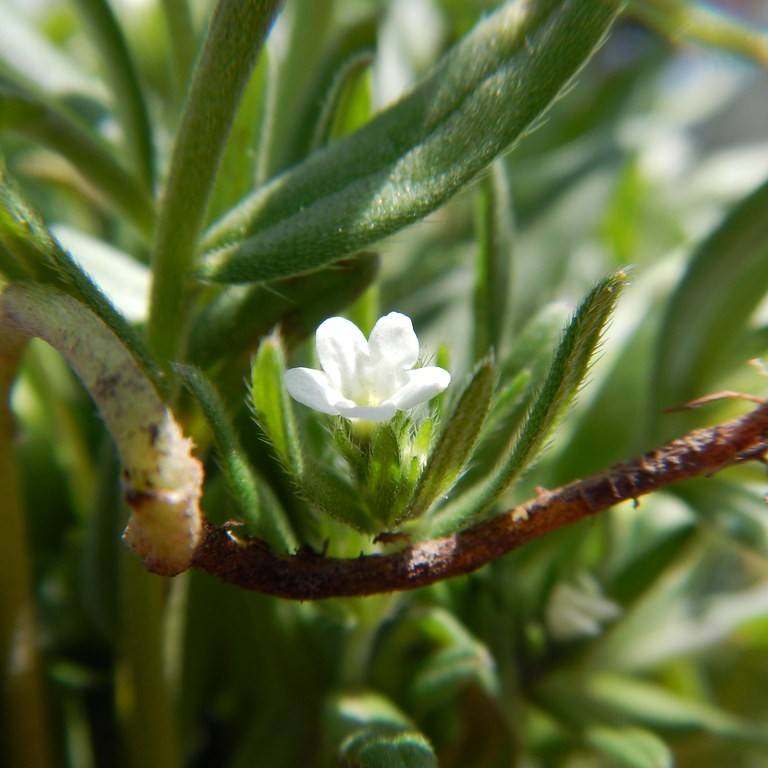
Corn Gromwell
Buglossoides arvensis
Overview
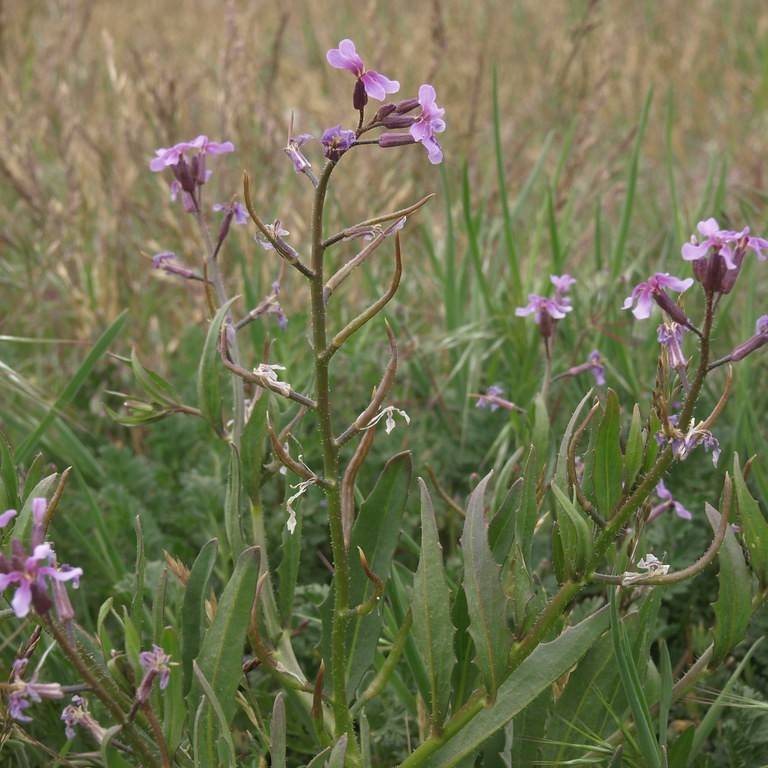
Corn Gromwell, sometimes called field gromwell, is a common ruderal plant that thrives in disturbed soils, agricultural fields, and roadside edges across temperate regions. It produces small, bristly lance-shaped leaves and clusters of tiny, funnel-shaped white flowers from spring through early summer, followed by hard, nut-like seeds. While historically considered a nuisance agricultural weed, it has gained commercial interest in recent decades for its seed oil, which contains one of the highest natural concentrations of stearidonic acid, an omega-3 fatty acid.
Care Guide
Watering
Corn Gromwell is highly drought-tolerant once established, requiring only occasional rainfall in its native habitats; supplemental watering is rarely needed except in extended periods of extreme dryness. Overwatering or waterlogged soils will quickly cause root rot and kill the plant, so it is best to let the soil dry out completely between any intentional waterings.
Light
This species prefers full, direct sunlight for a minimum of 6 hours per day to support vigorous growth and flower production. It can tolerate partial shade but will become leggy, produce fewer flowers, and have lower seed oil content in low-light conditions.
Soil
Corn Gromwell adapts to a wide range of soil types, including poor, sandy, or gravelly soils with low nutrient content, as long as drainage is excellent. It prefers neutral to slightly alkaline pH levels, and will not survive in heavy, compacted clay soils that hold excess moisture.
Fertilizer
This plant does not require fertilizer, as it thrives in low-nutrient soils; excessive nitrogen will encourage lush foliage growth at the expense of flower and seed production. If grown commercially for seed oil, a light application of balanced, low-nitrogen fertilizer may be applied at planting time in extremely poor soils to support initial establishment.
Temperature
Corn Gromwell is adapted to temperate climates, growing best in temperatures between 60–85°F (15–29°C) during its active growing season. It can tolerate light spring frosts after germination, and mature plants will die back naturally once temperatures drop consistently below 50°F (10°C) in fall.
Pruning
Pruning is generally unnecessary for Corn Gromwell, though unwanted plants can be pulled by hand before they set seed to prevent spread in agricultural or garden areas. If grown for ornamental or pollinator support, spent flower stems can be trimmed back to encourage a second flush of blooms in late summer.
Propagation
Corn Gromwell propagates exclusively from seed, which germinates readily in cool, moist soil in early spring, no stratification required. Seeds are dispersed naturally when the hard seed pods shatter at maturity, or can be collected and sown directly outdoors in fall or early spring for establishment the following growing season.
Humidity
This species tolerates a wide range of humidity levels, from dry continental climates to moderately humid coastal regions, as long as soil drainage is sufficient. High humidity combined with poor air circulation can increase the risk of foliar fungal diseases, so plants should be spaced appropriately to allow airflow if grown in dense stands.
Repotting
Repotting is not relevant for this annual wild/agricultural plant, as it completes its full lifecycle in a single growing season and does not perform well in container environments. If grown in a research or test pot, it should be sown directly in its final container to avoid root disturbance that can stunt growth.
Uses & Symbolism
Commercially, Corn Gromwell is cultivated as a specialty oilseed crop, with its seed oil used in dietary supplements, functional foods, and skincare products for its high stearidonic acid content, a plant-based omega-3 that is more efficiently converted to EPA in the human body than flaxseed oil. Historically, it was used in traditional folk medicine as a diuretic and to treat inflammatory conditions, though internal use is no longer recommended due to its toxic alkaloid content. It also provides a minor nectar source for small native bees and other pollinators in disturbed landscapes.
Diseases & Pests
Corn Gromwell is relatively resistant to most pests and diseases, though it can be affected by powdery mildew and leaf spot fungal infections in warm, humid conditions with poor air circulation. Root rot is common in poorly draining, waterlogged soils, and can kill plants rapidly. It may also act as a host for tomato spotted wilt virus and aphid species that can spread to nearby agricultural crops, making it a management concern in some vegetable production areas.
Related plants
Other plants you might like if you grow Corn Gromwell.