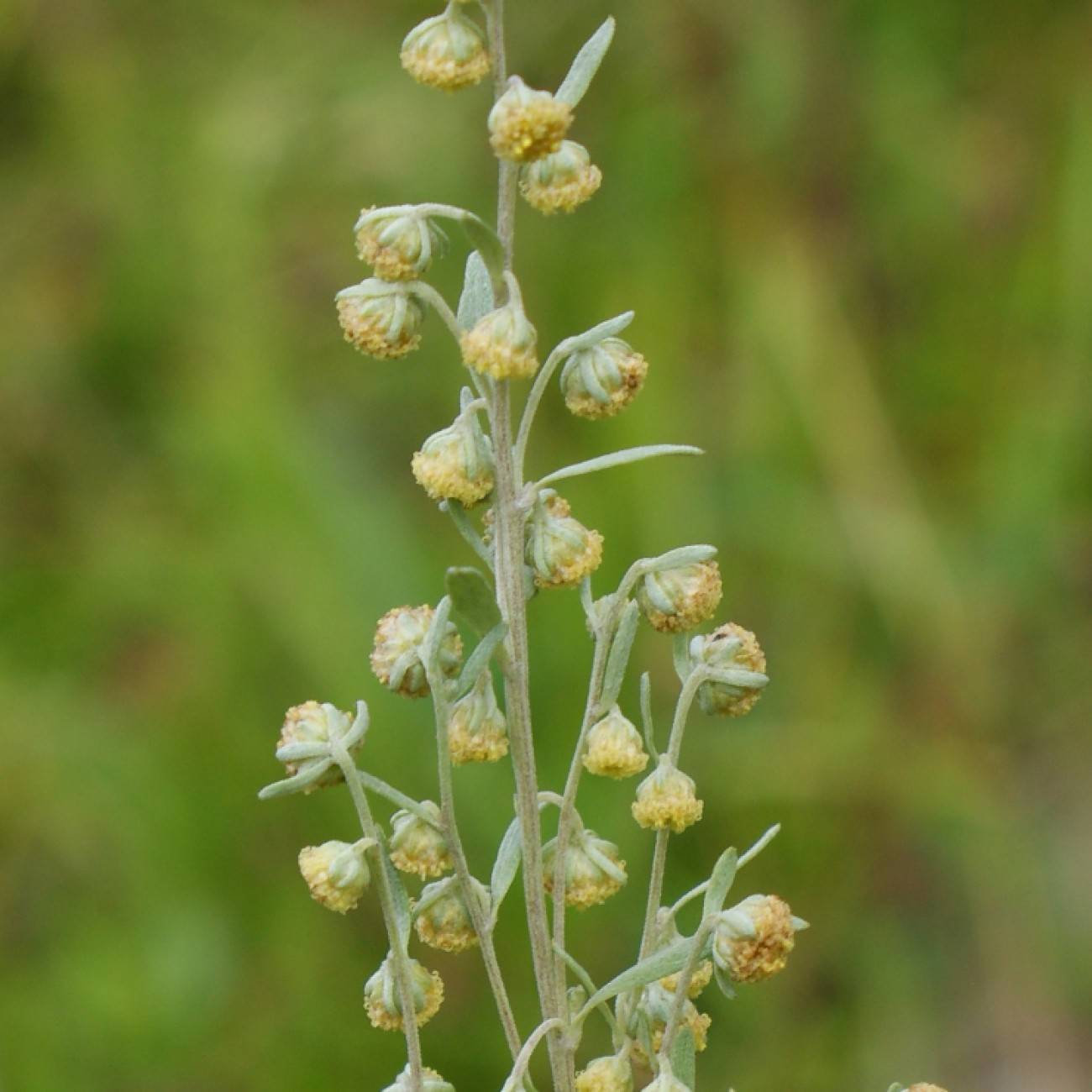
Desert Goosefoot
Chenopodium pratericola
Overview
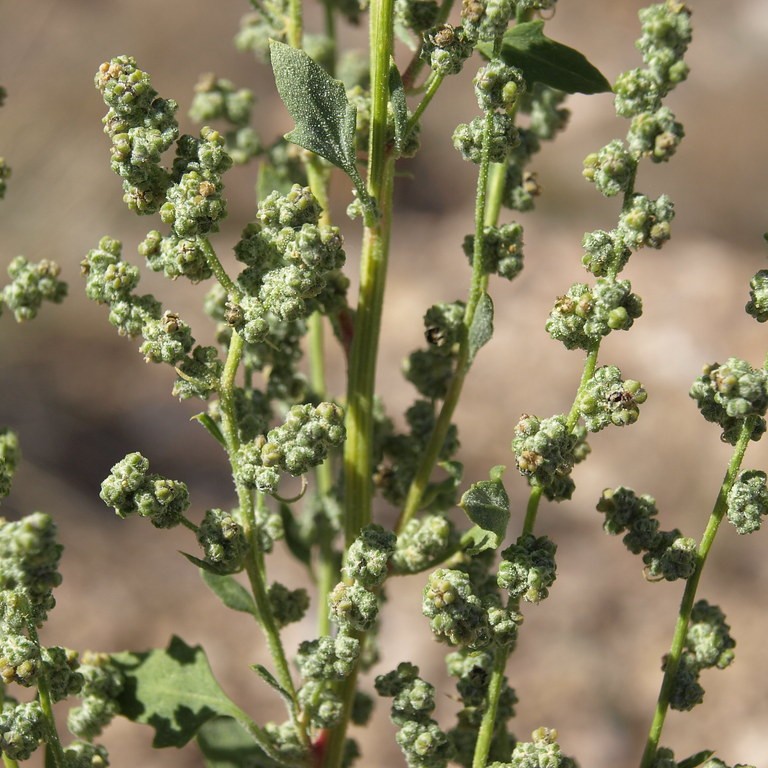
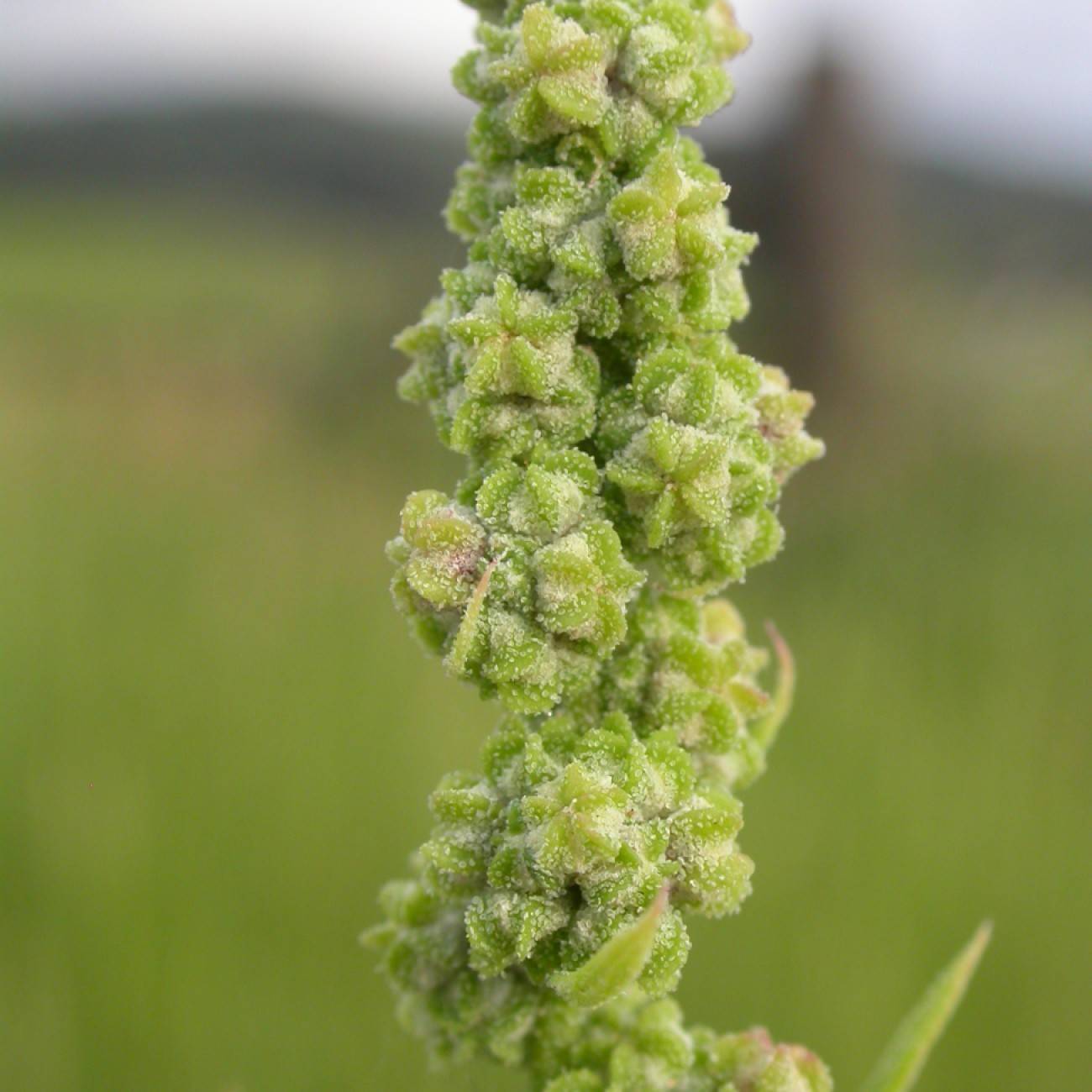
Desert Goosefoot is a fast-growing annual herb native to dry, open desert habitats, often thriving in disturbed areas, washes, and sandy plains. It has upright, branching stems with ovate, gray-green, slightly mealy-textured leaves, and produces small, clustered green flowers that mature into tiny, edible seed grains. As a drought-tolerant wild edible, it has long been used by Indigenous communities of the American Southwest as a food source, and it plays a key ecological role as a soil stabilizer and food source for native wildlife, including seed-eating birds and small mammals.
Care Guide
Watering
Desert Goosefoot is extremely drought-tolerant, requiring only occasional watering during extended dry periods once established; overwatering leads to root rot and leggy growth. In cultivation, water only when the top 2 to 3 inches of soil are completely dry, and reduce watering frequency entirely during the cooler winter months if grown in regions with winter rainfall. Avoid saturated soil conditions at all times, as this plant is adapted to well-drained, dry desert substrates.
Light
This species requires full, direct sunlight for optimal growth, thriving in 6 to 8 hours of unfiltered sun daily. It can tolerate very light, dappled shade for short periods, but insufficient light will cause sparse foliage, weak stems, and reduced leaf and seed production. It is well-adapted to the intense, high-elevation sunlight common in its native desert range, with no risk of leaf scorch even in extreme summer heat.
Soil
Desert Goosefoot grows best in well-drained, sandy or loamy, low-nutrient soil with a neutral to slightly alkaline pH, similar to its native desert habitat. It tolerates poor, rocky, and even slightly saline soils that would kill most other leafy green crops, and it does not require rich or amended soil to thrive. Heavy, clay-heavy soils that retain moisture are unsuitable, as they increase the risk of root rot, so amend heavy soils with sand or gravel to improve drainage before planting.
Fertilizer
This plant is adapted to low-nutrient environments and requires minimal fertilization, if any; excessive fertilization will promote soft, leggy growth and reduce the flavor and nutrient density of its leaves. If grown in extremely poor, depleted soil, apply a diluted, balanced all-purpose fertilizer once at the start of the growing season, or top-dress with a thin layer of compost to provide mild, slow-release nutrients. Avoid high-nitrogen fertilizers, as these will prioritize foliage growth over seed production if you are growing the plant for its edible grains.
Temperature
Desert Goosefoot thrives in hot, dry conditions, tolerating summer temperatures up to 110°F (43°C) without damage, and it is well-adapted to the large diurnal temperature fluctuations common in desert regions. It can tolerate light, short-duration frosts down to 28°F (-2°C), but hard freezes will kill the plant, so it is typically grown as a warm-season annual in temperate regions. Optimal growth occurs between 65°F and 90°F (18°C to 32°C), with germination triggered by warm spring soil temperatures above 60°F (15°C).
Pruning
Pruning is rarely required for Desert Goosefoot, though you can pinch back the top 1 to 2 inches of young stems to encourage bushier, more compact foliage growth if you are harvesting leaves regularly. Remove any yellowed or damaged lower leaves as they appear to improve air circulation and reduce the risk of fungal disease in humid conditions. At the end of the growing season, pull up and discard entire plants after harvesting seeds or leaves, as this annual will not regrow the following year.
Propagation
Desert Goosefoot is most easily propagated from seed, which can be sown directly outdoors in early spring after the last frost date, when soil temperatures reach at least 60°F (15°C). Scatter seeds lightly on the surface of well-drained soil, press them gently into the substrate, and water sparingly until germination occurs in 7 to 14 days; do not cover seeds deeply, as they require light to germinate. This plant self-seeds readily in suitable growing conditions, often returning year after year in the same area without intentional replanting, making it a low-maintenance addition to xeriscapes or edible wild gardens.
Humidity
This desert-adapted species prefers low to moderate humidity levels between 20% and 50%, typical of its native arid range. It tolerates brief periods of higher humidity, but prolonged high humidity above 60% increases the risk of powdery mildew and fungal leaf spot, so ensure good air circulation around plants in humid climates. It does not require misting or supplementary humidity, and it will suffer if grown in consistently damp, stagnant air conditions.
Repotting
Desert Goosefoot is rarely grown in containers, but if potted, it will not require repotting during its single growing season, as it has a shallow, fibrous root system that fits well in most standard-sized planters. If you do need to move a potted plant to a larger container, do so only when it is young and actively growing, taking care not to disturb its delicate root system, and use a fast-draining cactus or succulent potting mix for the new container. Discard potted plants at the end of the growing season after harvesting, as they will not regrow the following year.
Uses & Symbolism
Desert Goosefoot is a valued wild edible: its young, mild-tasting leaves can be eaten raw in salads or cooked like spinach, while its small, nutrient-dense seeds can be ground into flour, popped, or cooked as a grain similar to quinoa, a close relative. It is also used in xeriscaping and native habitat restoration projects, as it stabilizes dry, disturbed soils, prevents erosion, and provides food for native birds, pollinators, and small mammals. Indigenous communities of the American Southwest have long used the plant as a food source and medicinal remedy for mild digestive complaints, and its ash was sometimes used as a leavening agent in traditional breads.
Diseases & Pests
Desert Goosefoot is relatively pest and disease resistant due to its arid adaptation, but it can be susceptible to aphids and spider mites during prolonged hot, dry spells, which can be controlled with a strong spray of water or insecticidal soap if infestations are severe. In high humidity or overly wet soil conditions, it may develop powdery mildew, downy mildew, or root rot, which can be avoided by ensuring proper soil drainage, good air circulation, and avoiding overwatering. It is occasionally a host for leaf miners, which cause small, winding tunnels in foliage; remove affected leaves and dispose of them to prevent the spread of the pest, and avoid using broad-spectrum pesticides that harm beneficial predatory insects that control leaf miner populations.
Related plants
Other plants you might like if you grow Desert Goosefoot.