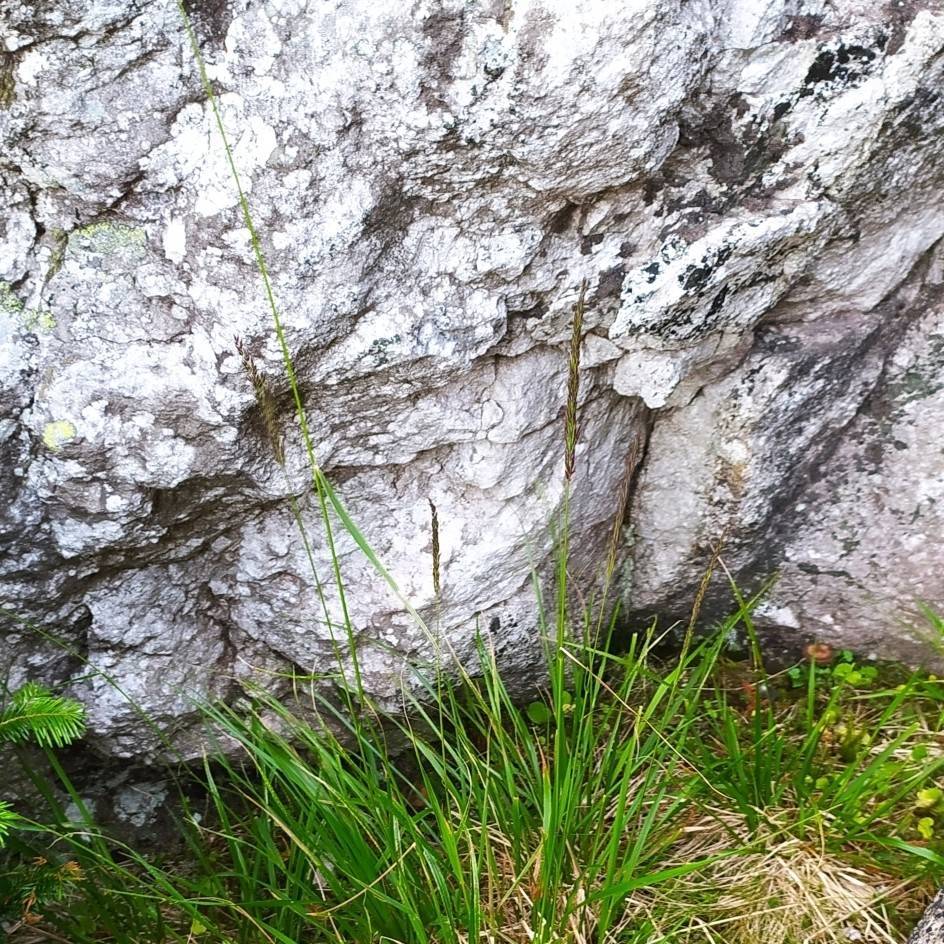
Lapland Reedgrass
Calamagrostis lapponica
Overview
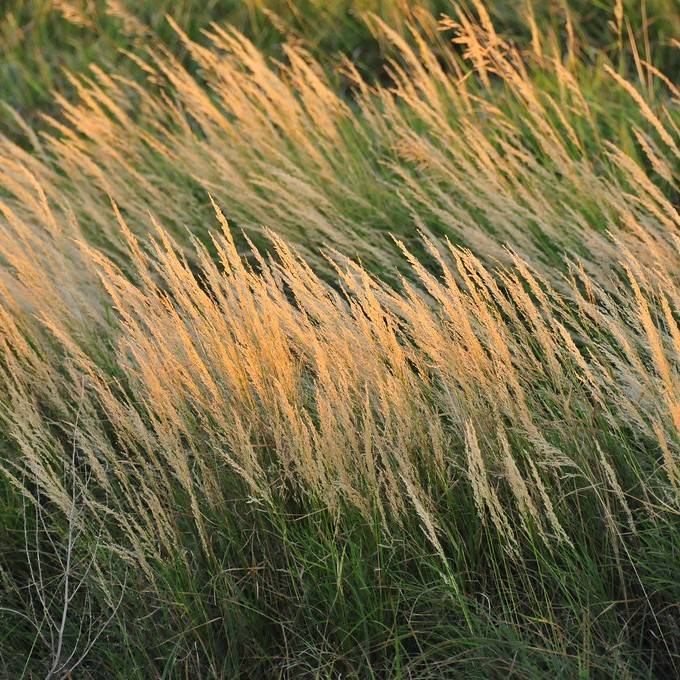
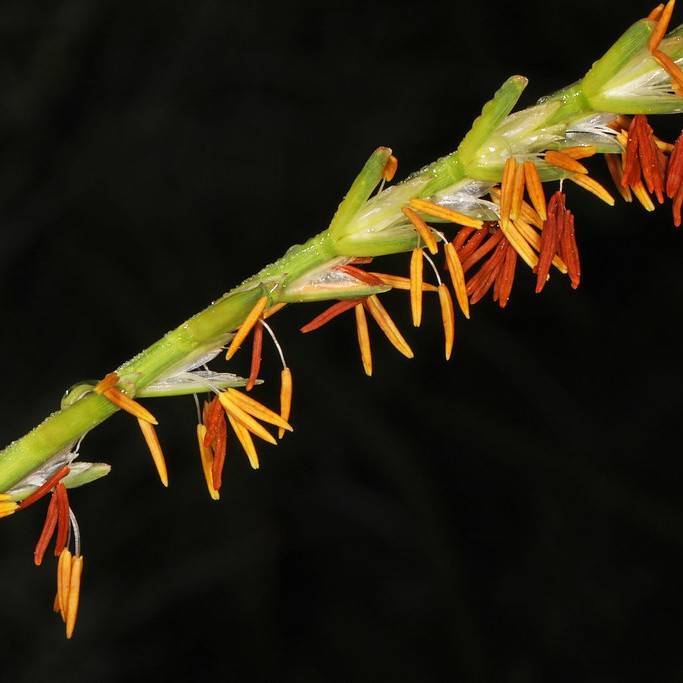
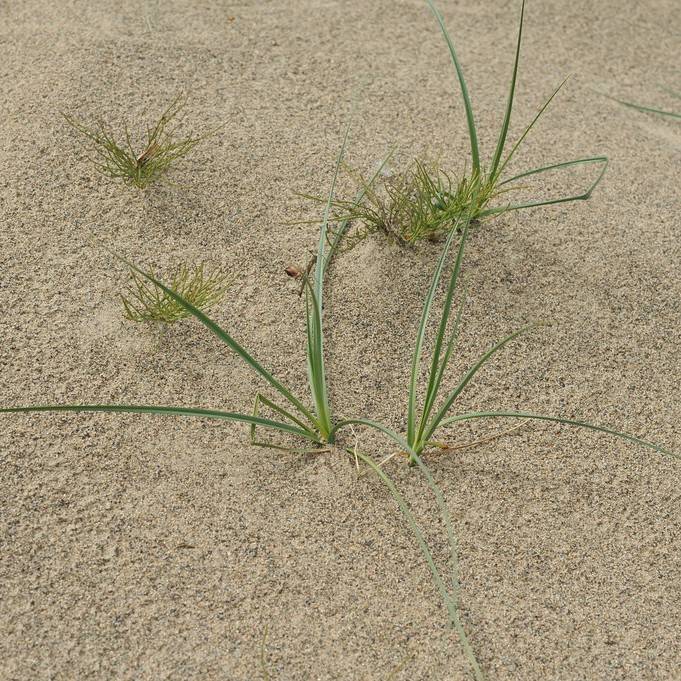
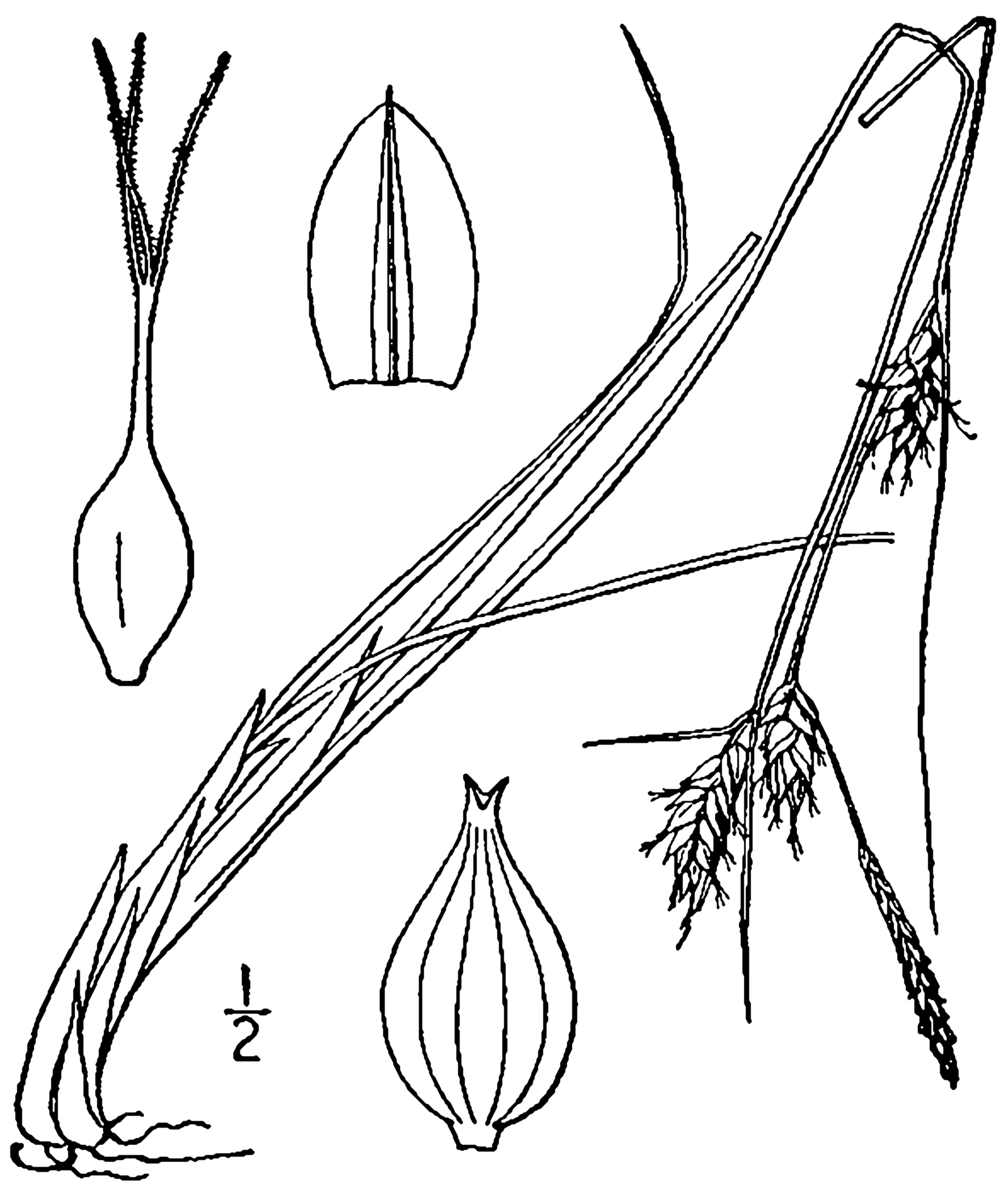
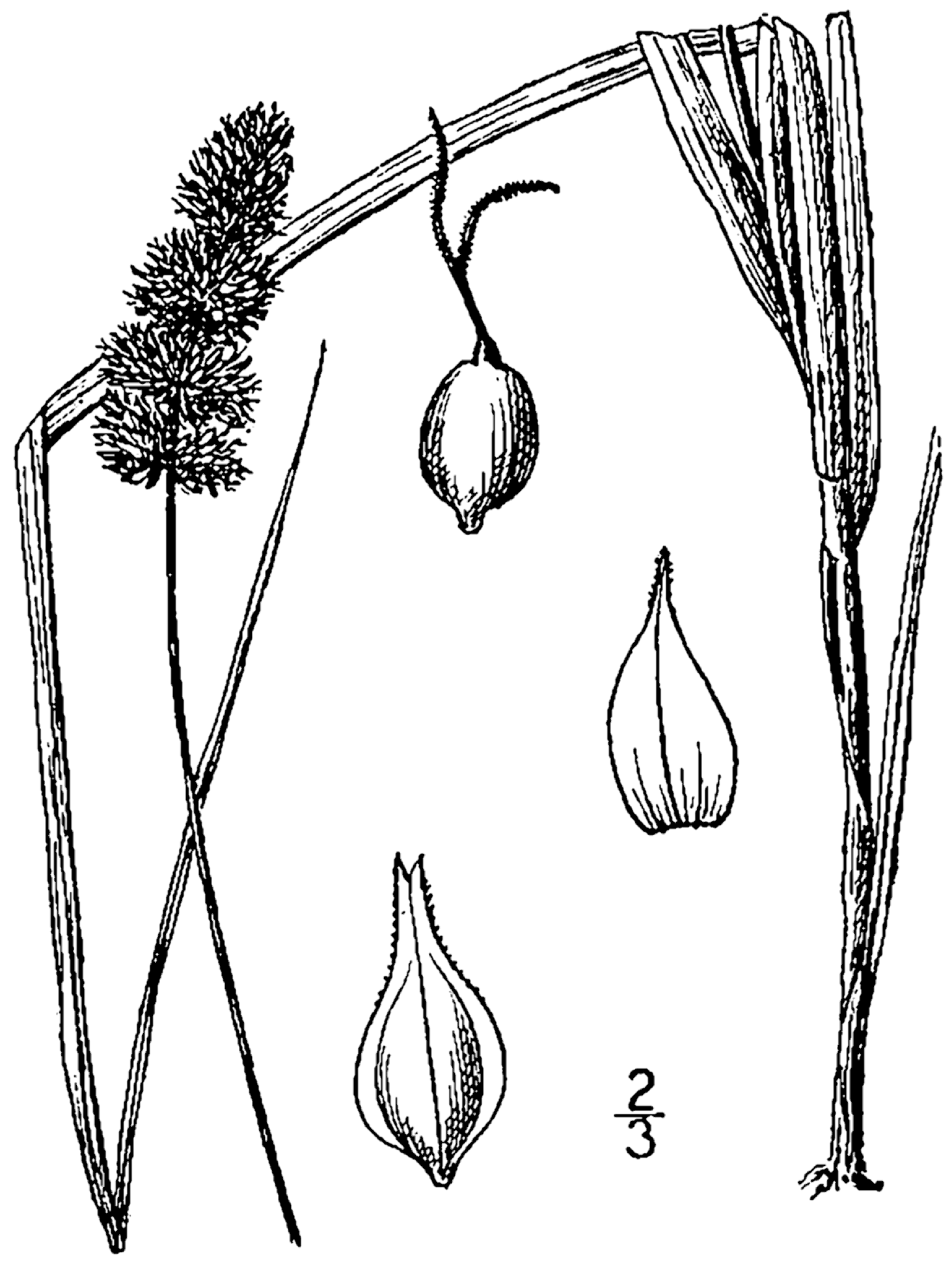
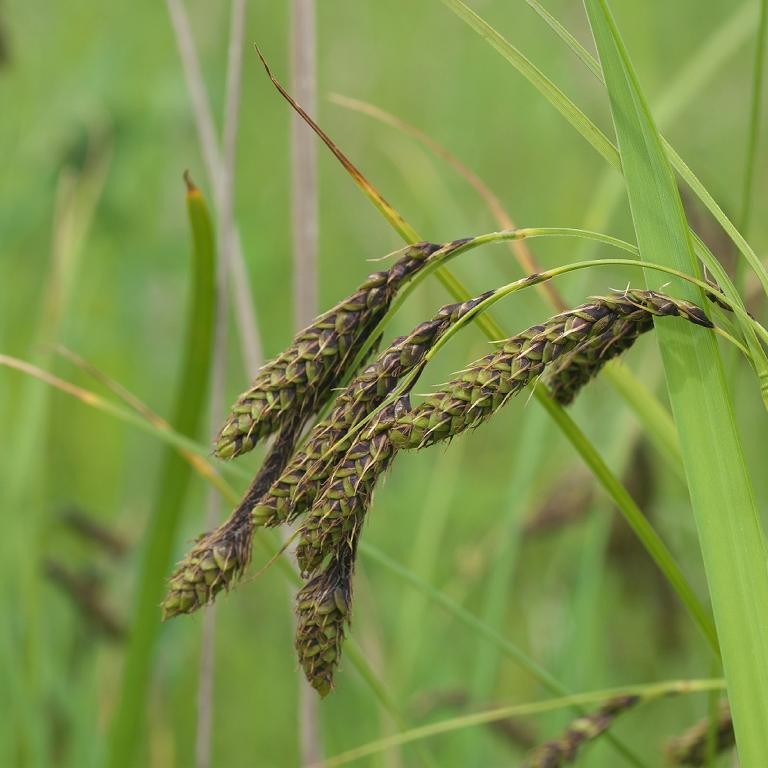
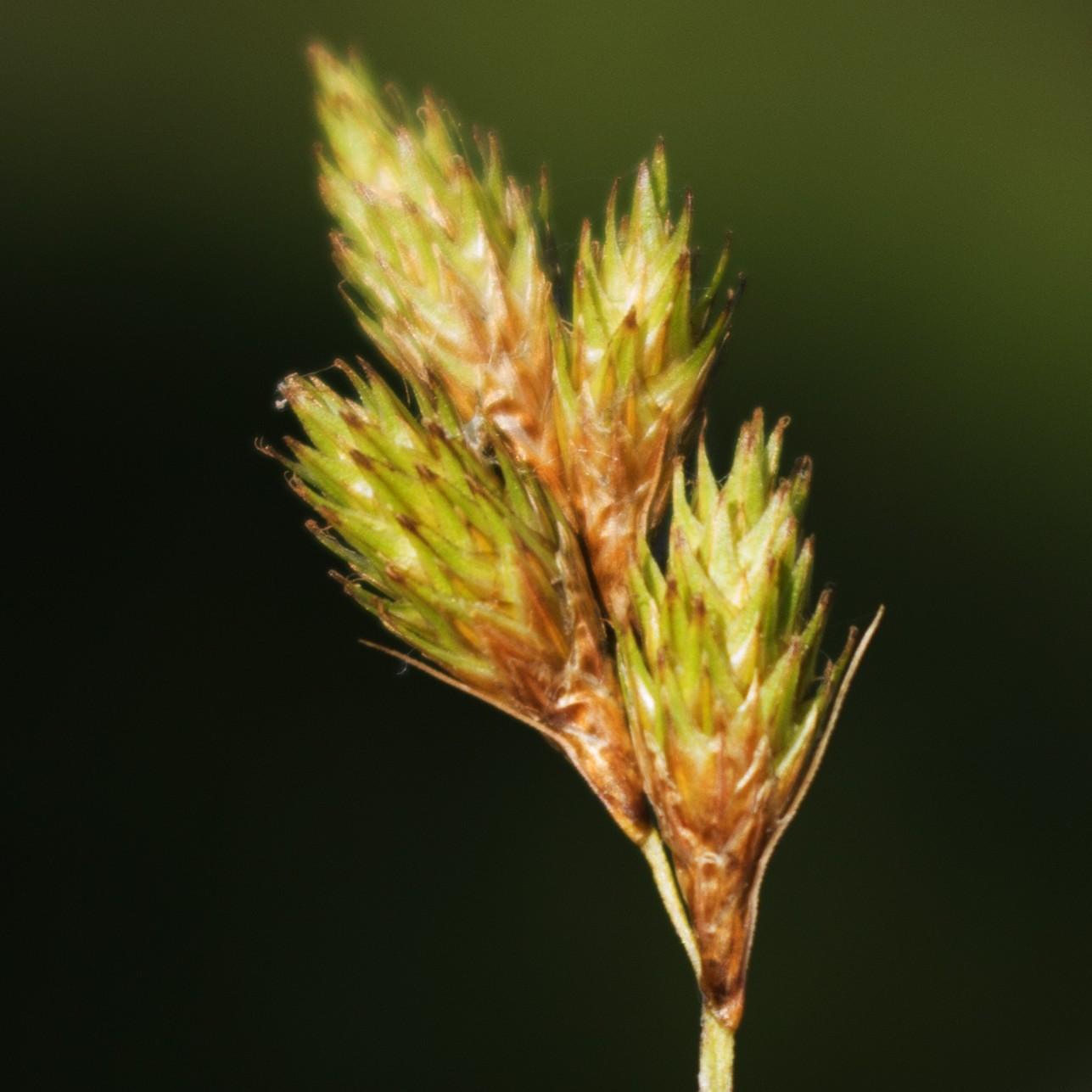
Lapland Reedgrass is a clumping cool-season grass native to high-latitude arctic and boreal ecosystems, where it thrives in wet meadows, tundra edges, and stream banks. It produces narrow, upright green leaves and delicate, open panicles of purplish-brown flowers in mid-summer, which fade to soft tan as they mature. This species is valued for its exceptional cold tolerance, making it a popular choice for northern landscaping, erosion control, and wildlife habitat restoration projects.
Care Guide
Watering
Lapland Reedgrass prefers consistently moist soil and tolerates periodic flooding, making it well-suited to rain gardens or low-lying wet areas. Water regularly to keep the root zone from drying out completely, especially in warmer climates where it may require more frequent irrigation to offset heat stress. Avoid letting the soil stay waterlogged for extended periods in non-native growing zones, as this can increase risk of root rot in warmer conditions.
Light
This species grows best in full sun, receiving at least 6 hours of direct sunlight daily, which supports robust clump growth and abundant flowering. It can tolerate partial shade, though growth may be less dense and flower production may be reduced in lower light conditions. In extremely warm southern growing zones, light afternoon shade can help prevent foliage scorch during peak summer heat.
Soil
Lapland Reedgrass adapts to a wide range of soil types, including sandy, loamy, and clay soils, as long as moisture is consistent. It prefers slightly acidic to neutral pH levels between 5.5 and 7.0, but can tolerate mildly alkaline conditions in its native range. It thrives in poorly drained, nutrient-poor soils that many other grass species struggle in, making it ideal for marginal wetland sites.
Fertilizer
This grass is adapted to low-nutrient boreal soils and rarely requires regular fertilization to thrive. If grown in extremely depleted garden soil, a single application of balanced slow-release 10-10-10 fertilizer in early spring can support new growth, but over-fertilization will cause leggy, floppy foliage. Avoid fertilizing after mid-summer, as this can stimulate tender new growth that is vulnerable to early frost damage.
Temperature
Lapland Reedgrass is exceptionally cold-hardy, surviving winter temperatures as low as -40°F (-40°C) in USDA hardiness zones 1 through 6. It prefers cool summer temperatures between 50°F and 75°F (10°C to 24°C) and will struggle in extended periods of heat above 85°F (29°C), which may cause foliage browning. It is not suitable for growing in regions with hot, humid summers, as high heat combined with moisture can lead to root and foliage diseases.
Pruning
Prune Lapland Reedgrass in late winter or early spring, before new growth emerges, by cutting back the entire clump to 2-3 inches above the soil line to remove dead foliage and spent flower stalks. You can deadhead spent flower panicles in late summer if you prefer a tidier appearance, but leaving the dried stalks through winter provides habitat for beneficial insects and winter visual interest. Remove any yellow or brown foliage during the growing season as needed to maintain the health of the clump.
Propagation
The easiest method of propagation is division, done in early spring just as new growth begins, by digging up mature clumps and splitting them into smaller sections with a sharp knife, each containing healthy roots and shoots. It can also be grown from seed, sown directly outdoors in late fall or early spring, as the seeds require a period of cold stratification to germinate successfully. Seed-grown plants will typically reach mature size in 2 to 3 growing seasons, while divided clumps establish quickly in their new location.
Humidity
Lapland Reedgrass tolerates a wide range of humidity levels, from the dry air of arctic tundras to the moderate humidity of boreal forest regions. It does not require supplemental humidity in garden settings, as long as its soil moisture needs are consistently met. In areas with high summer humidity, ensure the clump has good air circulation to prevent fungal foliage diseases from developing.
Repotting
Lapland Reedgrass is rarely grown in containers, as it spreads moderately via rhizomes and prefers in-ground growing conditions. If grown in a pot for a cold climate patio display, repot every 2 to 3 years in early spring, moving to a slightly larger container with fresh, loamy potting mix that retains moisture well. Ensure the container has ample drainage holes to prevent excess water buildup around the root zone.
Uses & Symbolism
Lapland Reedgrass is widely used in northern landscaping for rain gardens, erosion control along stream banks and wet slopes, and as a low-maintenance ornamental grass in cold-climate perennial borders. Its dried flower stalks are popular for cut flower arrangements, adding delicate texture to both fresh and dried bouquets. It also provides valuable forage for grazing wildlife including caribou and musk ox in its native range, and offers nesting habitat for small arctic and boreal bird species.
Diseases & Pests
Lapland Reedgrass is relatively pest and disease resistant in its native cool climate, though it can develop fungal leaf spots and rust in conditions of high humidity and poor air circulation. Aphids and spider mites may occasionally infest stressed plants, especially in warmer growing zones, and can be treated with insecticidal soap or a strong stream of water. Root rot can occur in poorly drained soil if grown in regions with hot, humid summers, where extended warm soil temperatures encourage fungal pathogen growth.
Related plants
Other plants you might like if you grow Lapland Reedgrass.