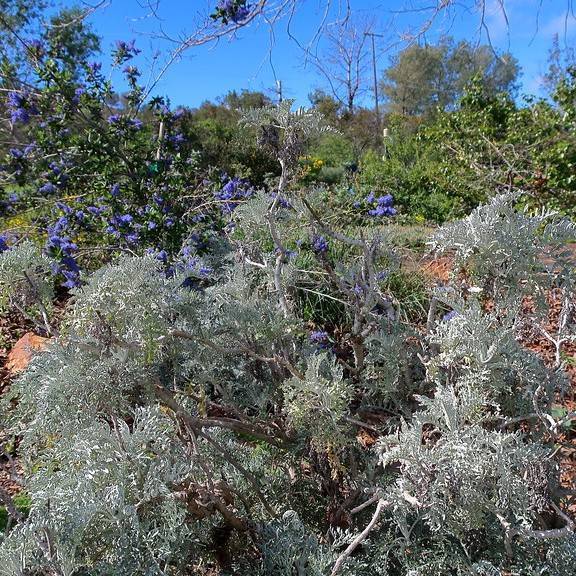
Giant Rye Grass
Leymus condensatus
Overview
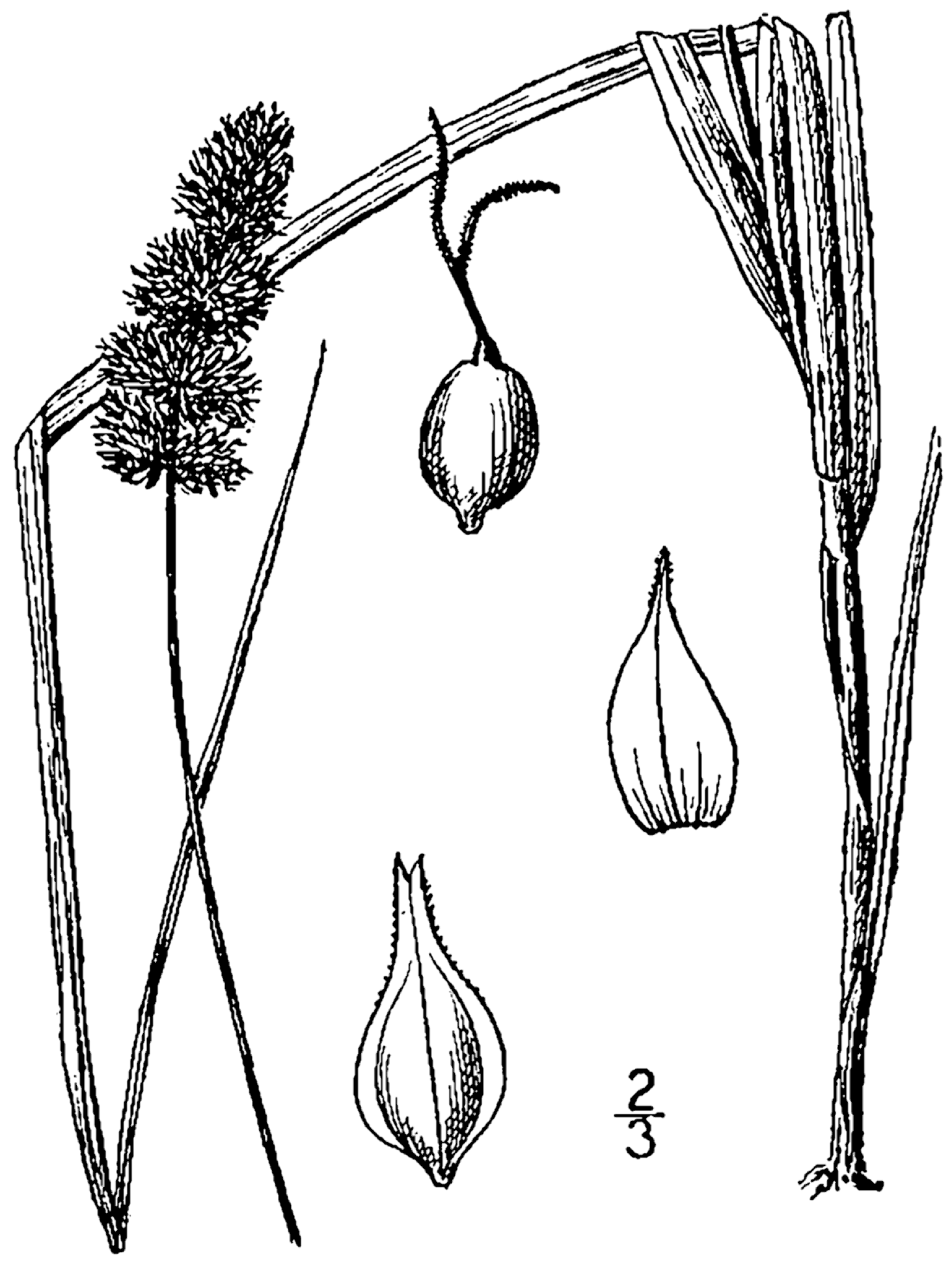
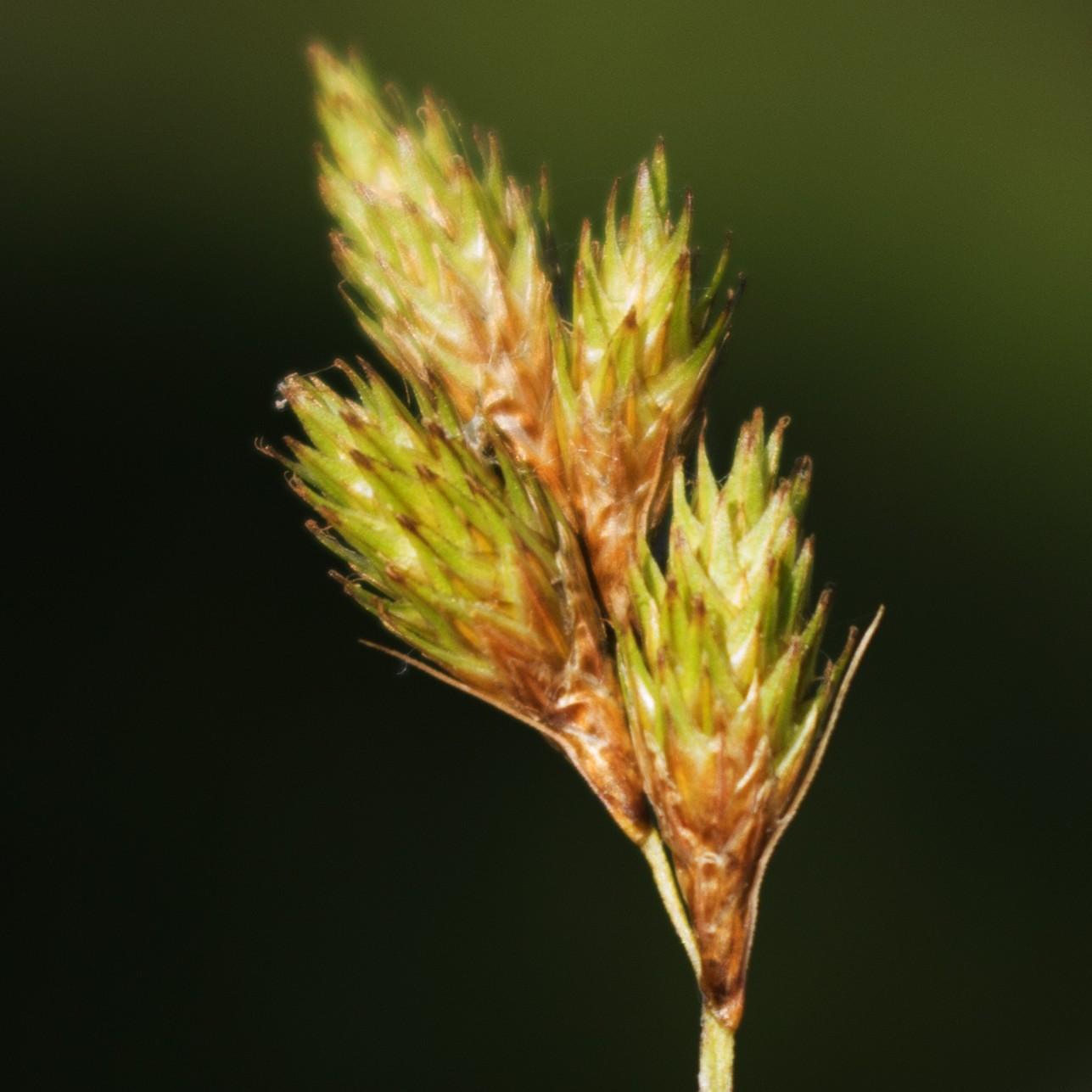
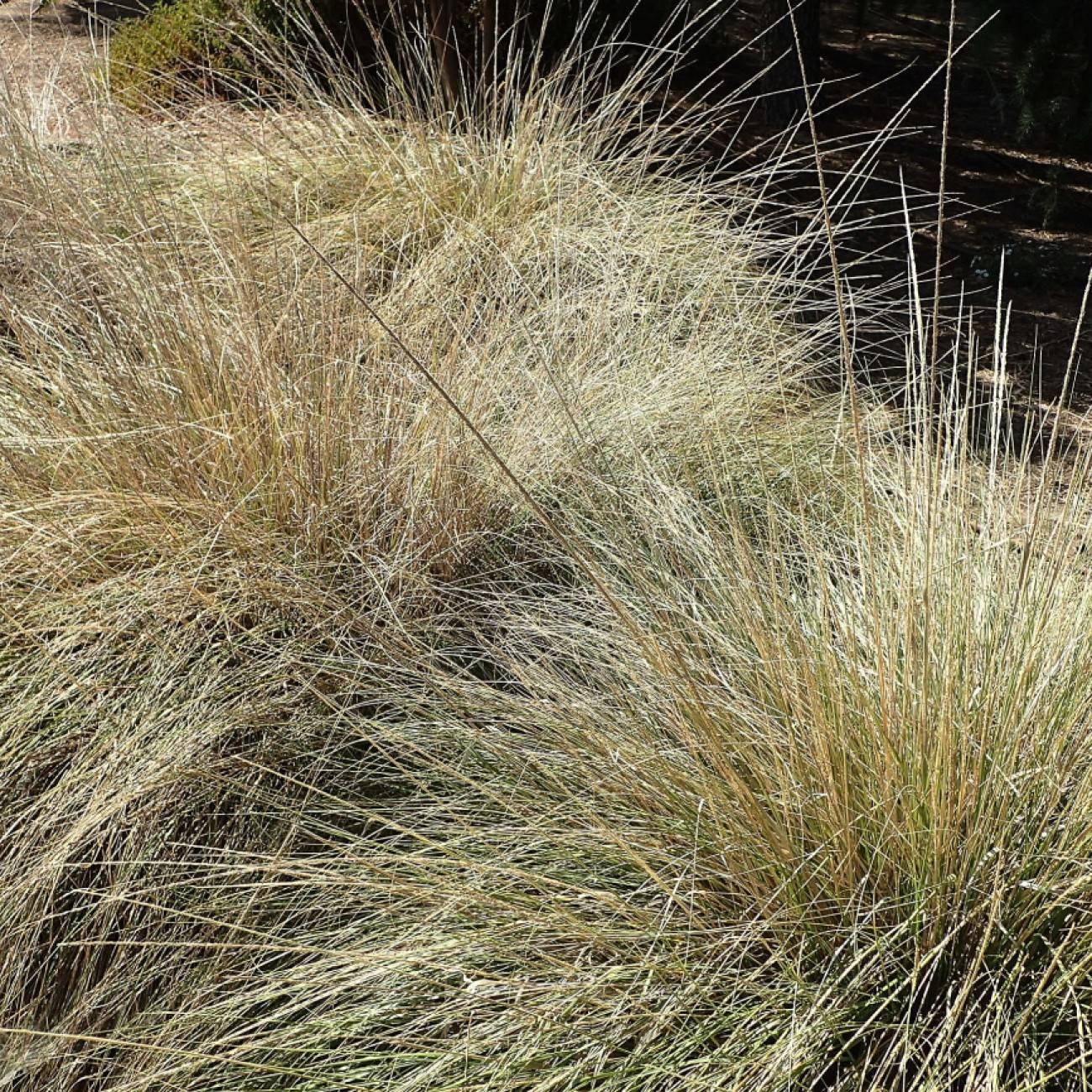
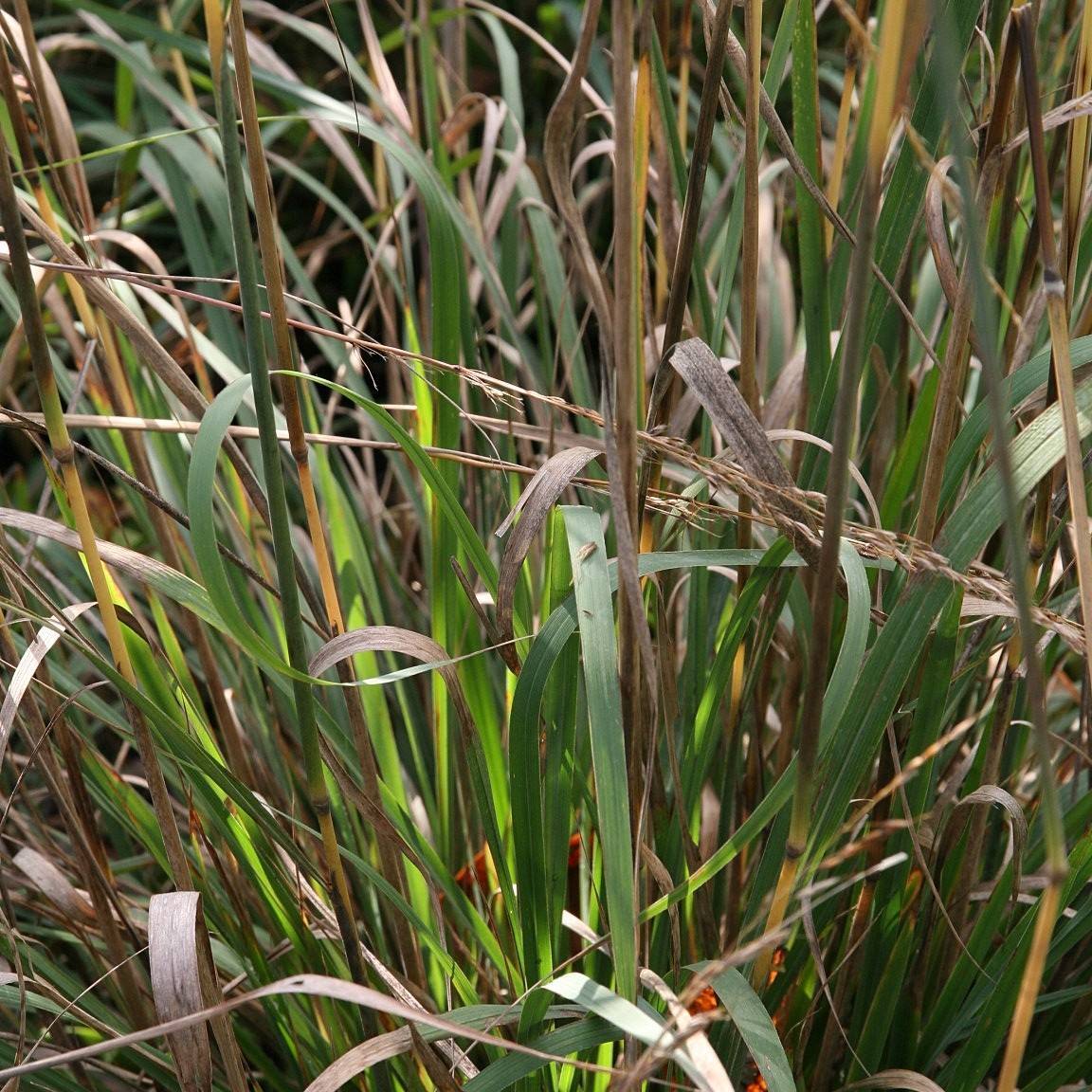
Giant rye grass is a robust, cool-season bunchgrass that forms dense, upright clumps of blue-green to gray-green foliage. It is adapted to a wide range of open habitats, including coastal bluffs, grasslands, and riparian zones, where it provides critical cover for wildlife and stabilizes soil to reduce erosion. In cultivation, it is a popular low-maintenance ornamental grass for naturalistic gardens, xeriscapes, and restoration projects.
Care Guide
Watering
Giant rye grass is highly drought tolerant once established, requiring only occasional deep watering during prolonged dry periods; overwatering can lead to root rot and weak growth. New plantings need regular, light watering for the first 1-2 months to encourage root development, after which irrigation can be reduced significantly. In areas with regular winter rainfall, supplemental summer watering is rarely necessary.
Light
This grass thrives in full sun, requiring a minimum of 6 hours of direct sunlight daily to maintain dense, upright growth and prevent flopping. It can tolerate partial shade, but foliage will be less dense and clumps may spread more loosely in low-light conditions. Full sun exposure also supports more abundant flowering in summer.
Soil
Giant rye grass adapts to nearly all well-drained soil types, including sandy, loam, clay, and rocky soils, and tolerates both slightly acidic and alkaline pH levels. It performs best in moderately fertile soil, but will grow in poor, nutrient-deficient soils where many other landscape plants struggle. Poorly drained, waterlogged soils should be avoided to prevent root damage.
Fertilizer
Fertilization is rarely required for established plants, as giant rye grass grows well in low-nutrient soils. If grown in extremely poor soil, a light application of balanced slow-release fertilizer in early spring can support new growth, but over-fertilization will cause excessive, weak growth that is prone to flopping. Avoid fertilizing in late fall or winter, as this can stimulate tender new growth vulnerable to frost damage.
Temperature
It is hardy in USDA zones 6 through 10, tolerating winter temperatures as low as -10°F (-23°C) and summer heat up to 110°F (43°C). It is well adapted to coastal conditions, tolerating salt spray and wind, and can survive short periods of light frost without damage. In areas with harsh winter cold, a light layer of mulch around the base of the clump can protect roots from extreme temperature fluctuations.
Pruning
Cut back entire clumps to 4-6 inches above the soil line in late winter or early spring before new growth emerges to remove dead foliage and encourage fresh, vigorous growth. Dead or damaged leaves can be trimmed away at any time during the growing season to maintain a tidy appearance. If self-seeding is unwanted, remove flower stalks after blooming before seeds mature and disperse.
Propagation
Giant rye grass is most easily propagated by division of established clumps in early spring or fall, when the plant is not actively flowering. Divide clumps into 4-6 inch sections with intact roots, replant immediately at the same depth as the original plant, and water regularly until new growth appears. It can also be grown from seed sown directly in the garden in fall or early spring, with germination occurring within 2-3 weeks under moist, cool conditions.
Humidity
This grass tolerates a wide range of humidity levels, from the dry, arid conditions of inland California to the high humidity of coastal Pacific Northwest regions. It has no specific humidity requirements, and excess humidity does not cause disease issues as long as the plant is grown in well-drained soil and receives adequate air circulation. It is not suitable for consistently damp, enclosed environments with very poor air flow.
Repotting
Giant rye grass is rarely grown in containers, as its large, spreading root system requires ample space to develop. If grown in a large pot, repot every 2-3 years in early spring before new growth begins, moving to a container at least 2 inches larger in diameter than the previous one. Use a well-drained, general-purpose potting mix, and trim back any circling or damaged roots during repotting to encourage healthy root growth.
Uses & Symbolism
Giant rye grass is widely used in ecological restoration projects to stabilize eroding slopes, restore native grasslands, and provide cover and food for birds, small mammals, and pollinators. It is a popular ornamental grass in xeriscape and native plant gardens, where its large, textured clumps add year-round visual interest and require minimal maintenance. It is also planted along riparian zones and coastal areas to reduce shoreline erosion and tolerate salt spray exposure.
Diseases & Pests
Giant rye grass is relatively pest and disease resistant, with few common issues in cultivation. Overwatering or poorly drained soil can lead to root rot, fungal leaf spots, and rust, which can be prevented by avoiding excess moisture and ensuring adequate air circulation around clumps. Occasional aphid or grasshopper infestations may occur, but these rarely cause significant damage to healthy, established plants.
Related plants
Other plants you might like if you grow Giant Rye Grass.