Eastern Gamagrass
Tripsacum dactyloides
Overview
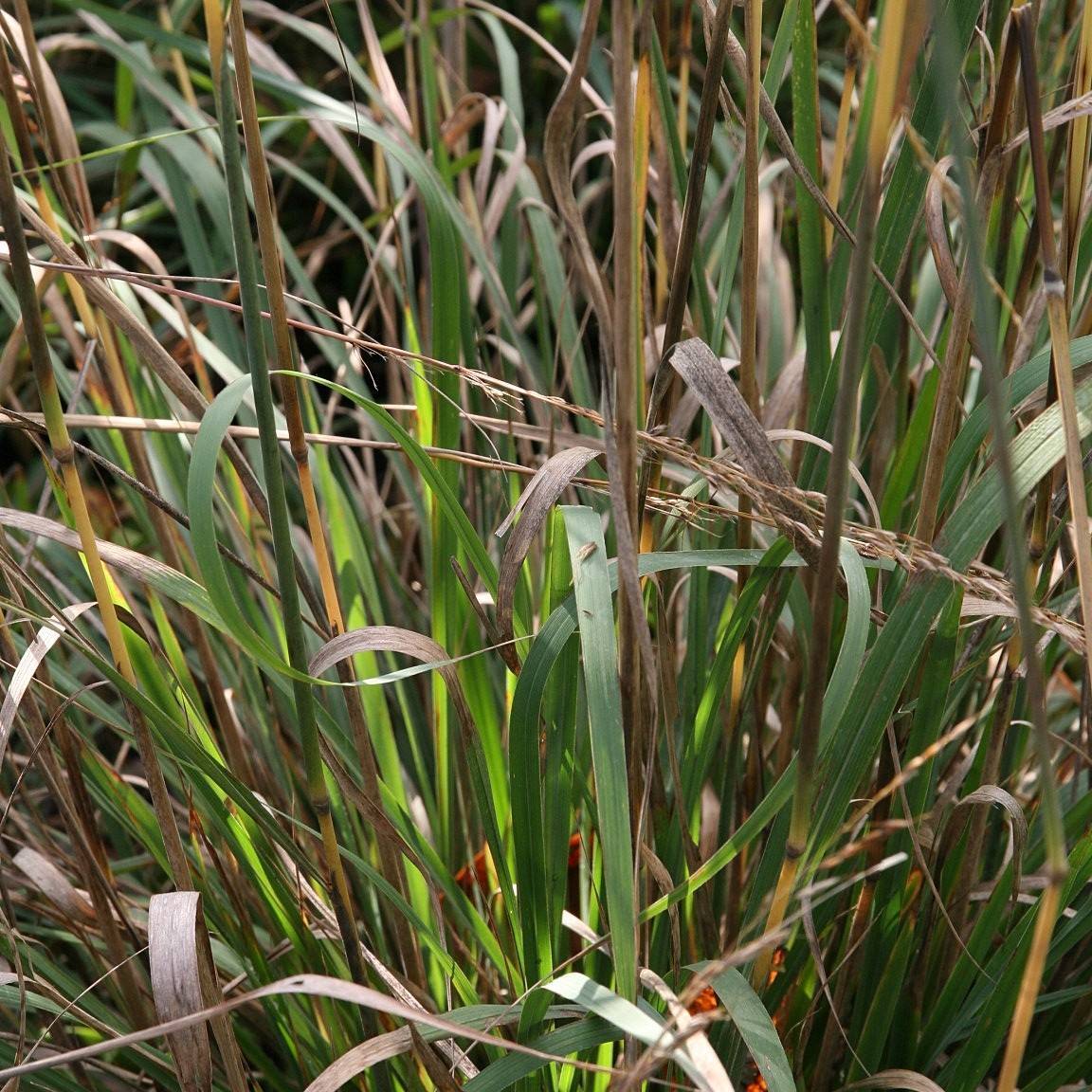
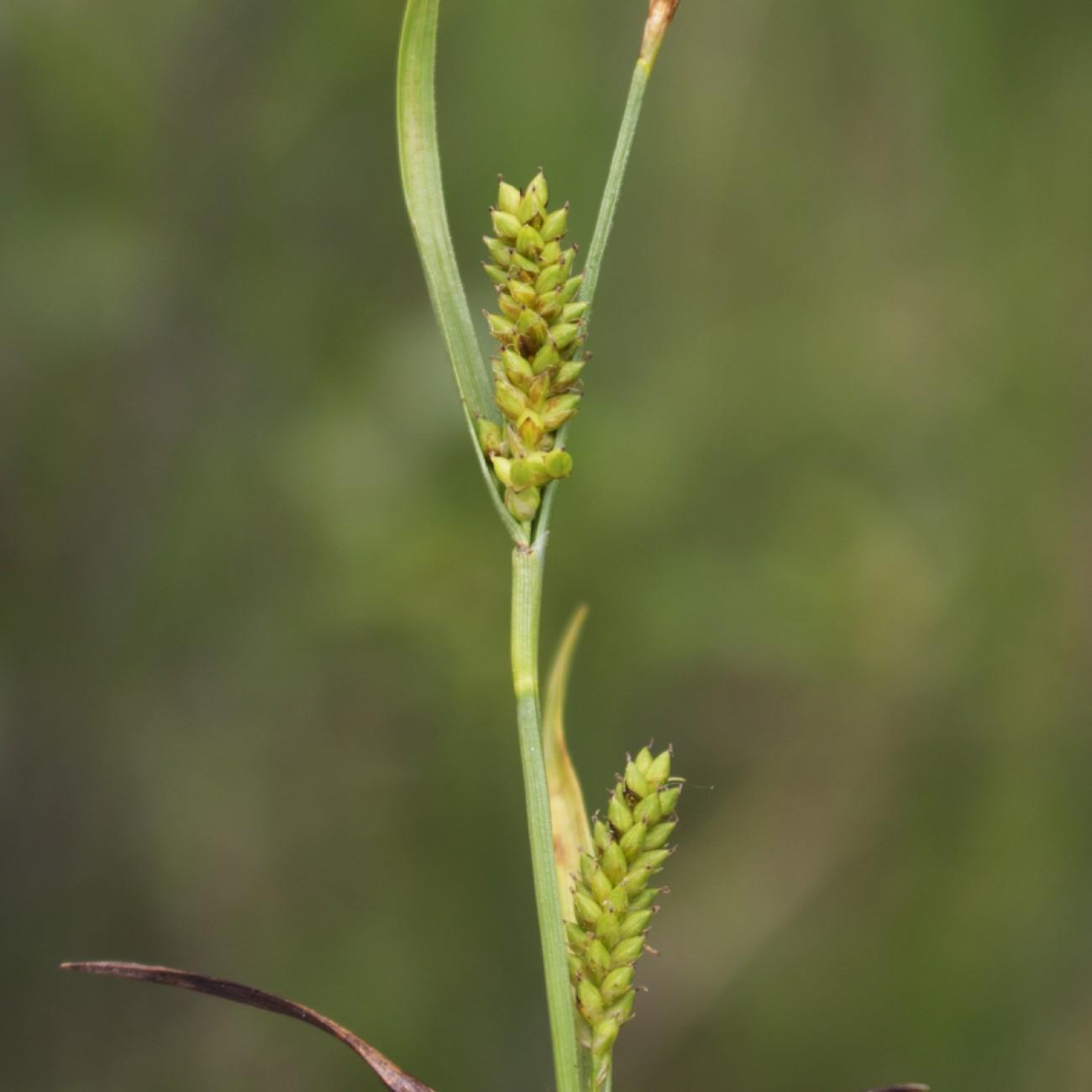
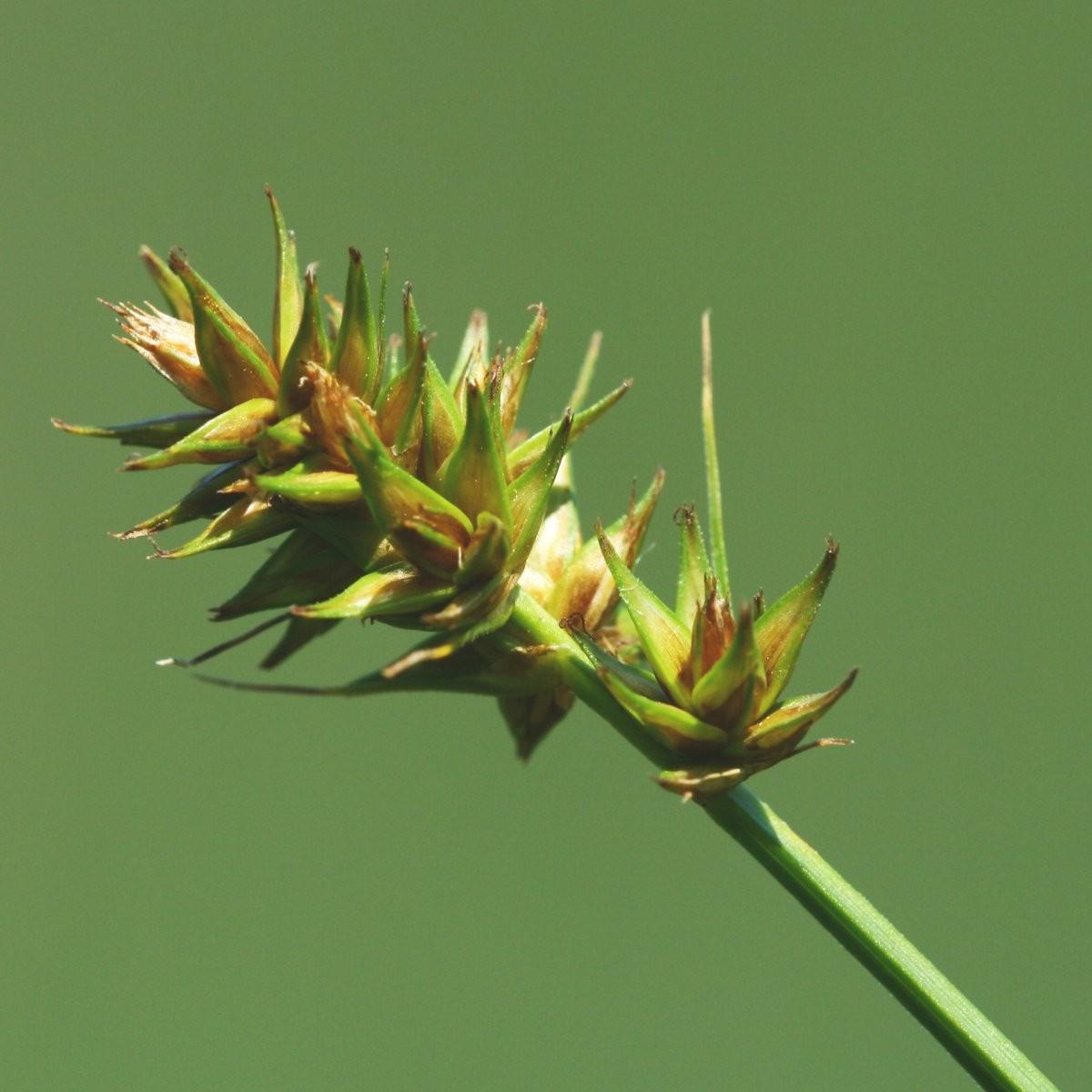
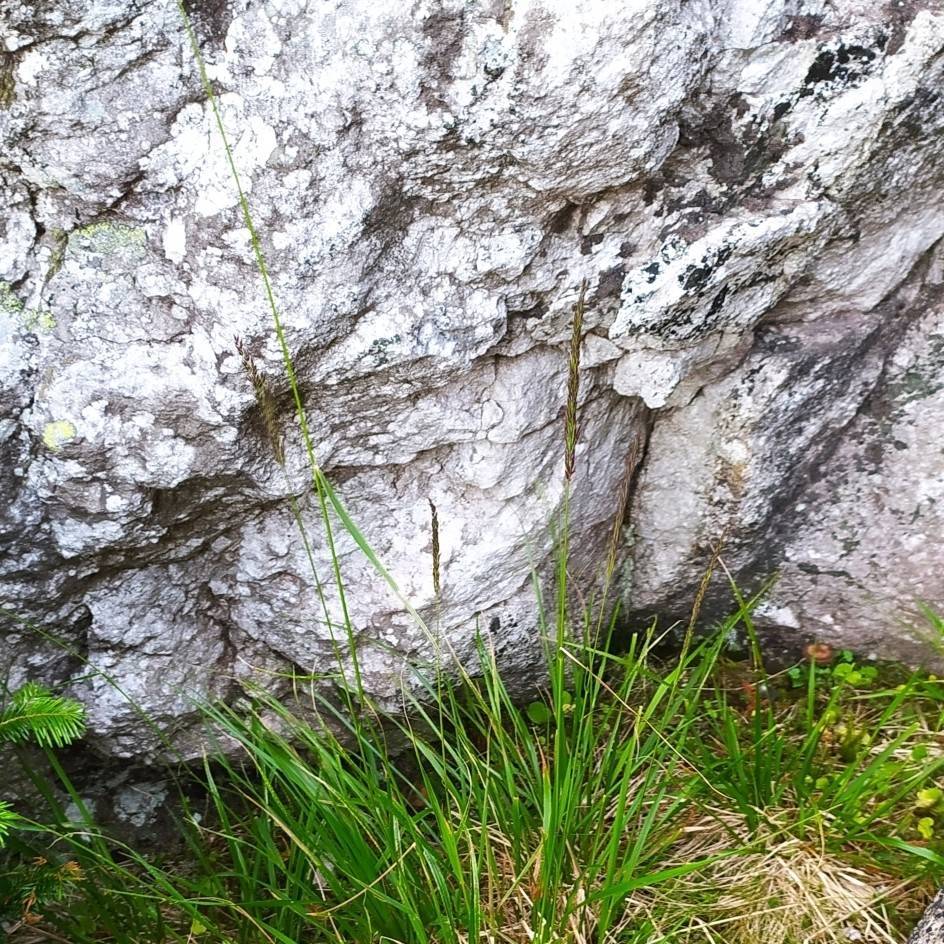
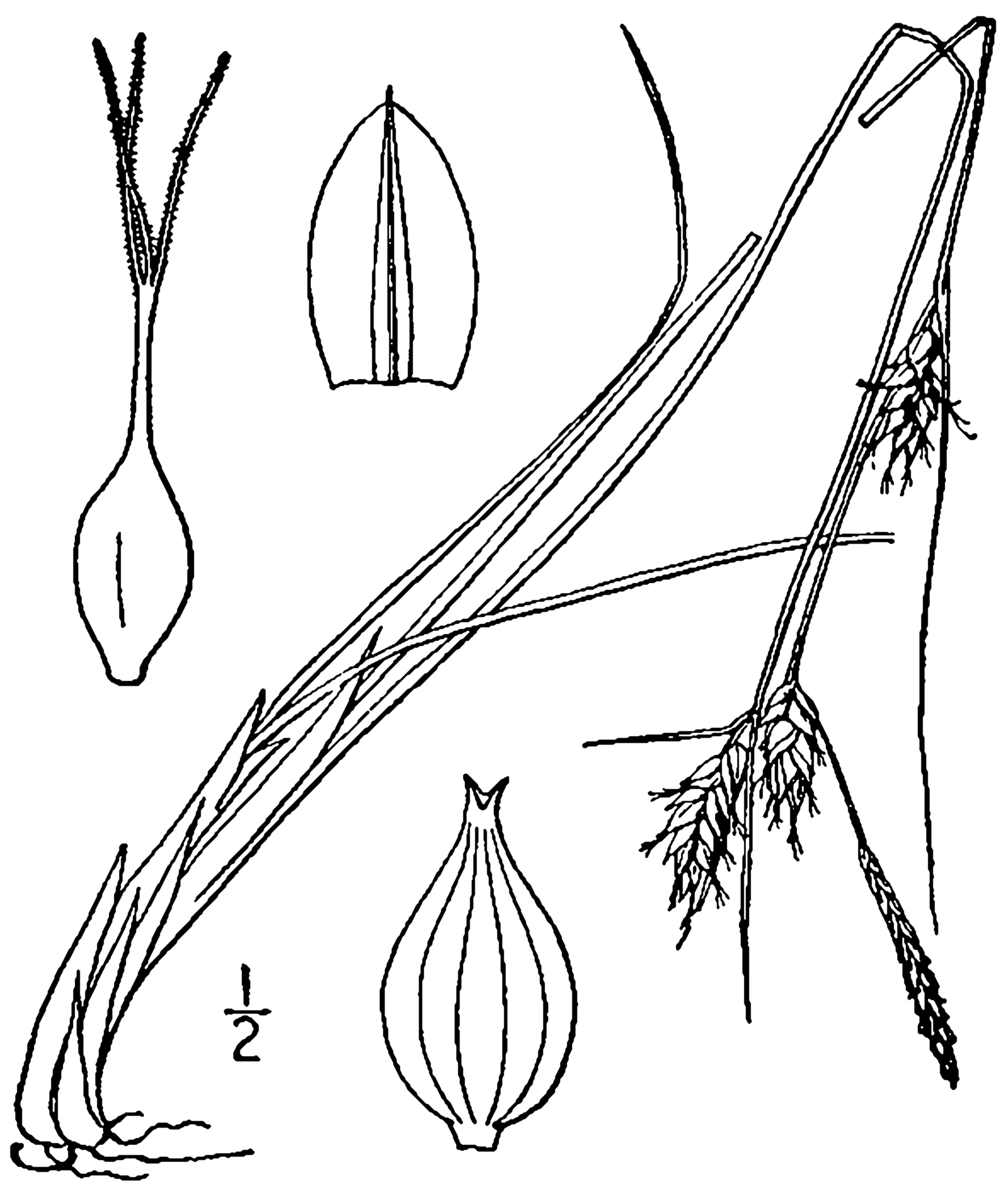
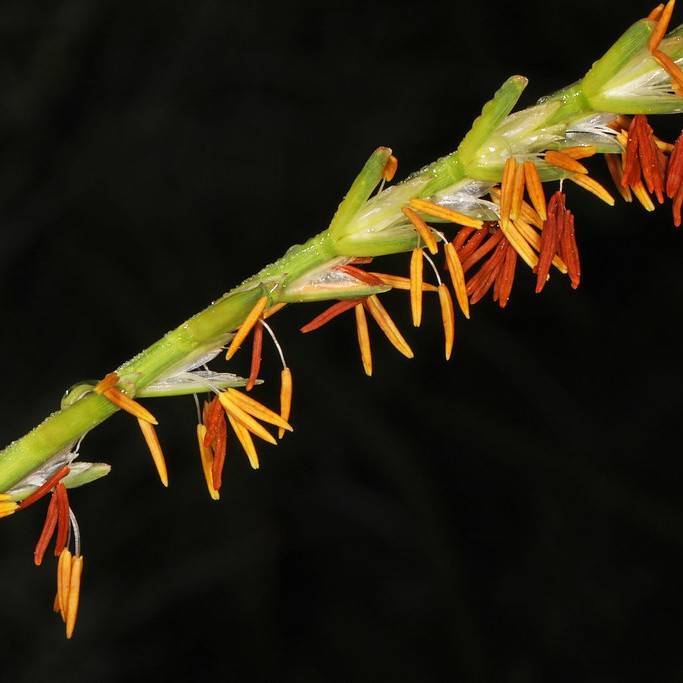
Eastern Gamagrass is a warm-season, clumping perennial grass native to North American prairies and riparian zones, forming dense, upright tufts of broad, green foliage. It produces distinctive, jointed seed heads that split into corn-like cob segments when mature, and it has a deep, fibrous root system that can extend 10 feet or more into the soil. Once a dominant species of the tallgrass prairie ecosystem, it is now widely used in conservation, agricultural, and ornamental plantings for its hardiness and ecological benefits.
Care Guide
Watering
Eastern Gamagrass is highly drought-tolerant once established, thanks to its deep root system, though it thrives with regular moisture during its active growing season in spring and summer. It can tolerate periodic flooding and poorly drained soils for short periods, making it suitable for riparian plantings and rain gardens. Reduce watering in fall as the plant goes dormant, as overly wet soil during cold months can cause root rot.
Light
This grass grows best in full sun, requiring at least 6 hours of direct sunlight per day to produce dense, upright growth and abundant seed heads. It can tolerate partial shade, but growth will be sparser, and it may be more prone to flopping in low-light conditions. Full sun exposure also helps reduce the risk of foliar fungal diseases by improving air circulation around the foliage.
Soil
Eastern Gamagrass adapts to a wide range of soil types, including clay, loam, sand, and even moderately saline soils, making it highly versatile for different planting sites. It prefers a neutral to slightly alkaline pH between 6.0 and 7.5, but can tolerate mildly acidic conditions as well. Well-drained soil is ideal, though it can withstand periodic waterlogging better than many other prairie grass species.
Fertilizer
Established plants rarely require supplemental fertilizer, as they are adapted to low-nutrient prairie soils and can fix small amounts of atmospheric nitrogen through associations with soil bacteria. If growth is stunted or foliage is pale, apply a balanced, slow-release 10-10-10 fertilizer once in early spring before new growth emerges. Avoid over-fertilizing, as this can lead to excessive, weak foliage growth that is prone to flopping.
Temperature
As a warm-season grass, Eastern Gamagrass grows best in temperatures between 70°F and 90°F (21°C to 32°C), initiating new growth in spring once soil temperatures consistently rise above 60°F (16°C). It is extremely cold-hardy, tolerating winter temperatures as low as -30°F (-34°C) in USDA hardiness zones 4 through 9. Foliage dies back to the ground after the first hard frost, and the dormant clumps provide winter structure and habitat for wildlife.
Pruning
Prune Eastern Gamagrass once annually in late winter or early spring, cutting the entire clump back to 4-6 inches above the ground to make way for new, fresh growth. Remove any damaged, diseased, or flopping stems during the growing season as needed to maintain a tidy appearance and improve air circulation. Avoid pruning in fall, as the standing dead foliage provides winter shelter for beneficial insects and small wildlife, and helps insulate the root crown from extreme cold.
Propagation
Eastern Gamagrass is most commonly propagated by seed, which requires a 30-60 day cold stratification period to break dormancy, or can be planted in the fall to allow natural stratification over winter. It can also be propagated by dividing mature clumps in early spring just before new growth emerges, separating the root mass into sections with at least 3-5 healthy shoots each. Seedlings and divisions establish quickly when planted in warm, moist soil, often reaching full size within 2-3 growing seasons.
Humidity
This grass adapts well to a wide range of humidity levels, thriving in the humid conditions of the eastern U.S. as well as the drier air of the Great Plains. Good air circulation around the foliage helps prevent foliar fungal diseases in areas with high summer humidity. It has no specific humidity requirements, making it suitable for nearly all climates within its hardiness range.
Repotting
Eastern Gamagrass is rarely grown in containers, as its large size and deep root system are better suited to in-ground planting. If grown in a large container for ornamental use, repot every 2-3 years in early spring, moving to a pot at least 2 inches larger in diameter to accommodate root growth. Use a well-drained, loamy potting mix, and trim back any circling or overgrown roots during repotting to encourage healthy new root development.
Uses & Symbolism
Eastern Gamagrass is widely used in conservation plantings for erosion control on stream banks, slopes, and disturbed sites, as its deep root system stabilizes soil and reduces runoff. It is a highly nutritious forage crop for livestock, and its seed heads provide food for game birds, songbirds, and small mammals, while its dense clumps offer shelter for wildlife and beneficial insects. It is also planted as an ornamental native grass in landscape designs, rain gardens, and prairie restorations, where its upright form and golden fall color add visual interest year-round.
Diseases & Pests
Eastern Gamagrass is relatively pest and disease resistant, though it can occasionally be affected by foliar fungal diseases such as rust and leaf spot in overly wet, humid conditions with poor air circulation. Aphids and grasshoppers may feed on young foliage, but damage is rarely severe enough to require treatment in established plantings. Overly wet, poorly drained soil during cold winter months can lead to root rot, particularly in young or newly planted specimens.
Related plants
Other plants you might like if you grow Eastern Gamagrass.