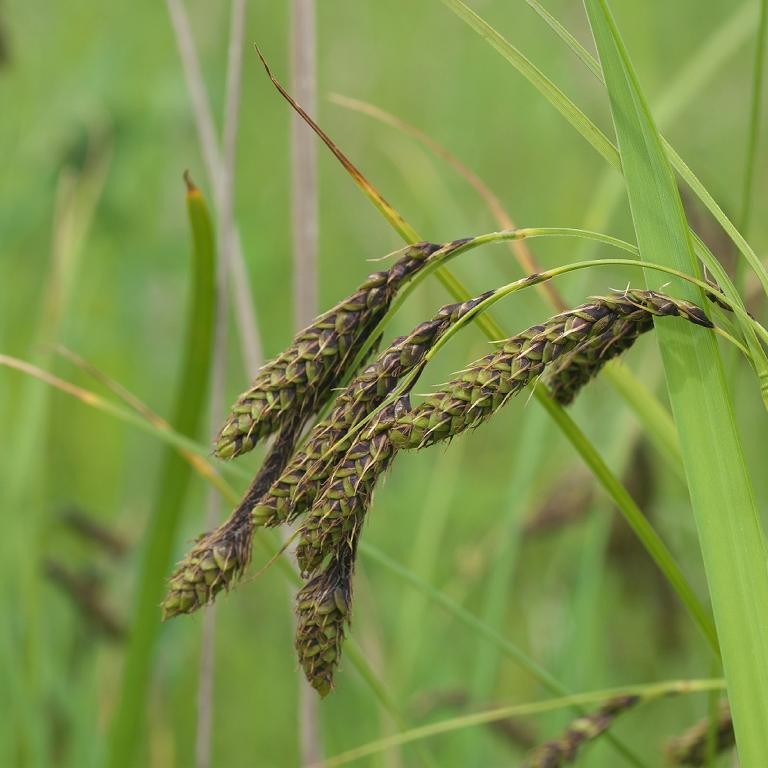
Gmelin's Sedge
Carex gmelinii
Overview
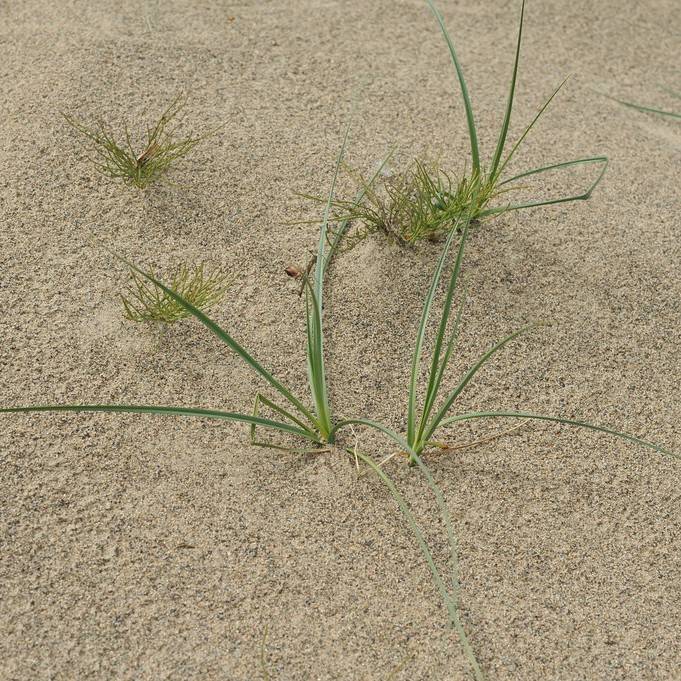
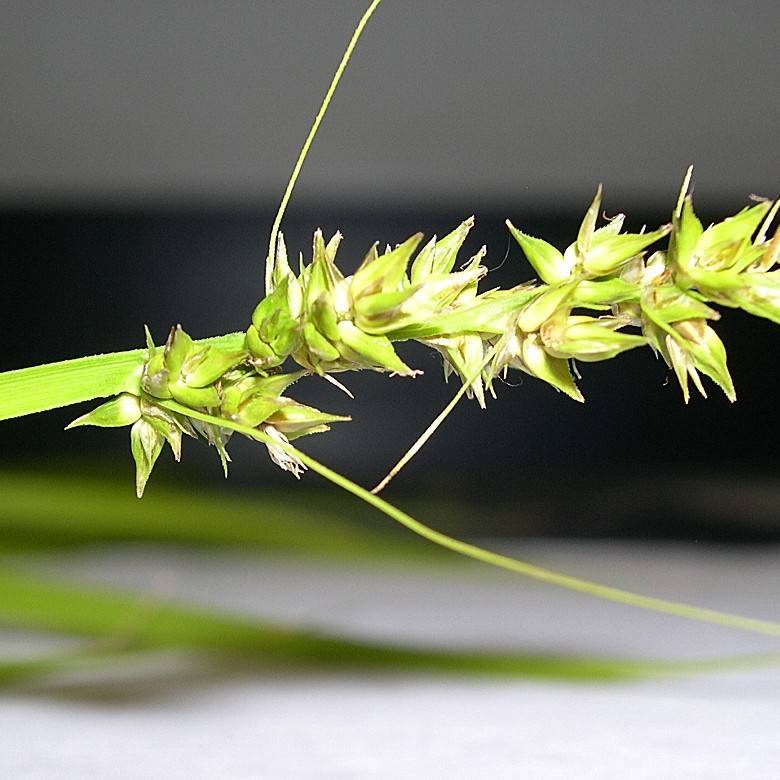
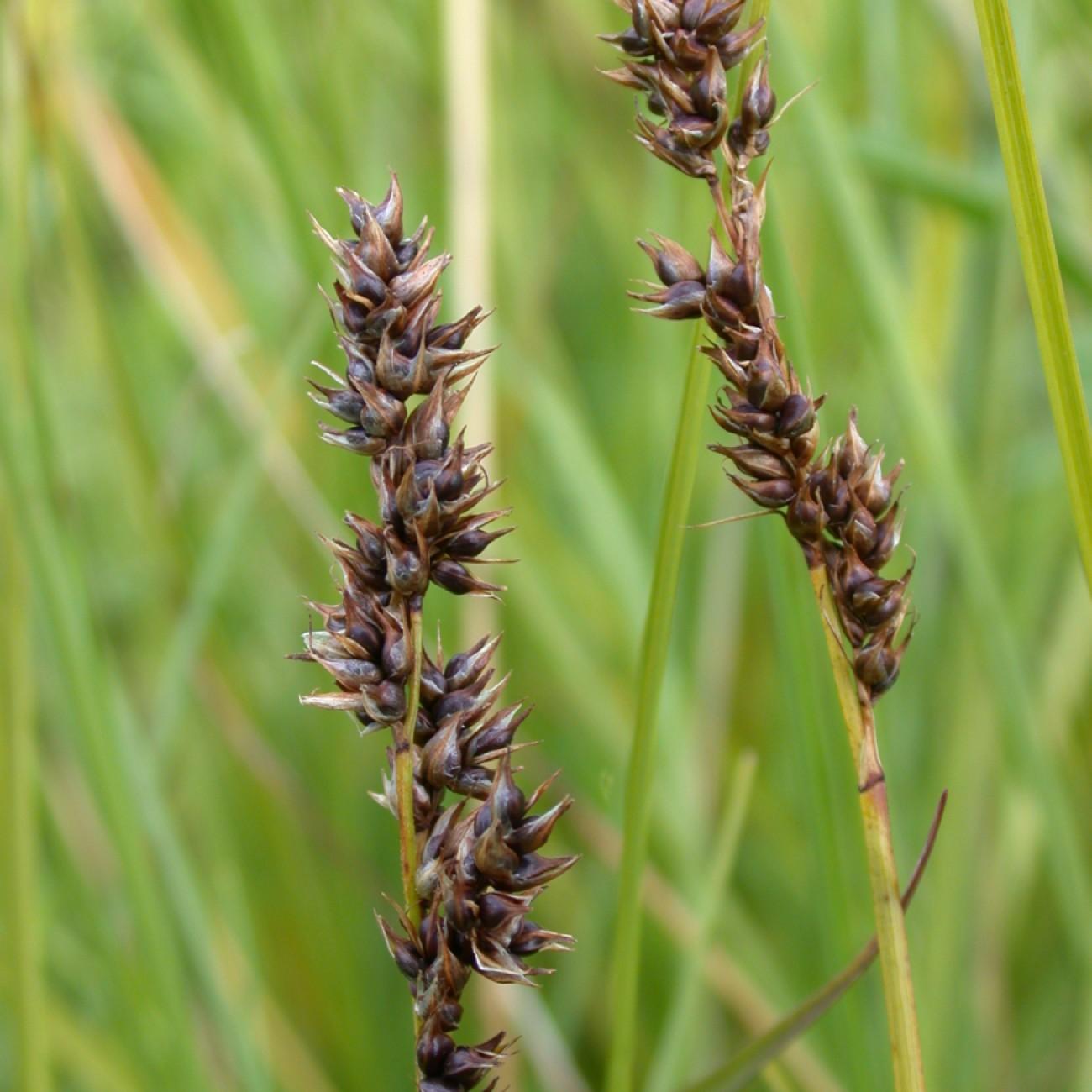
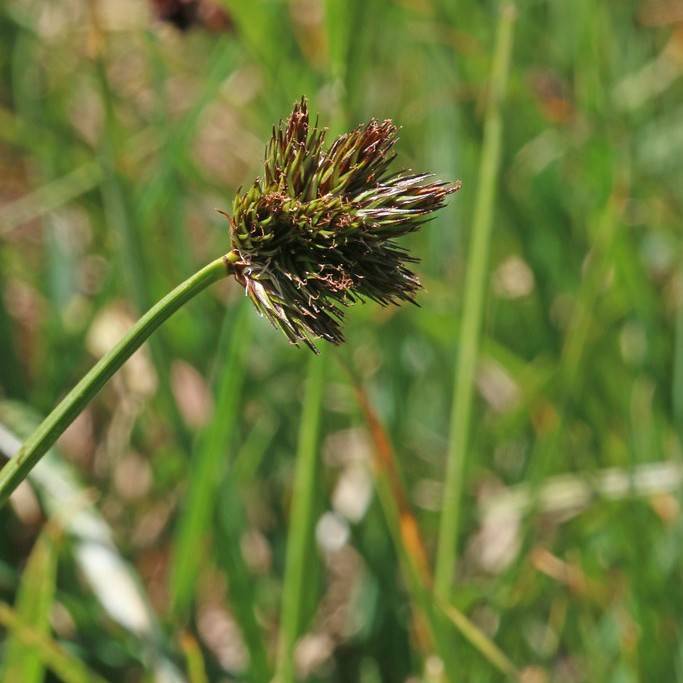
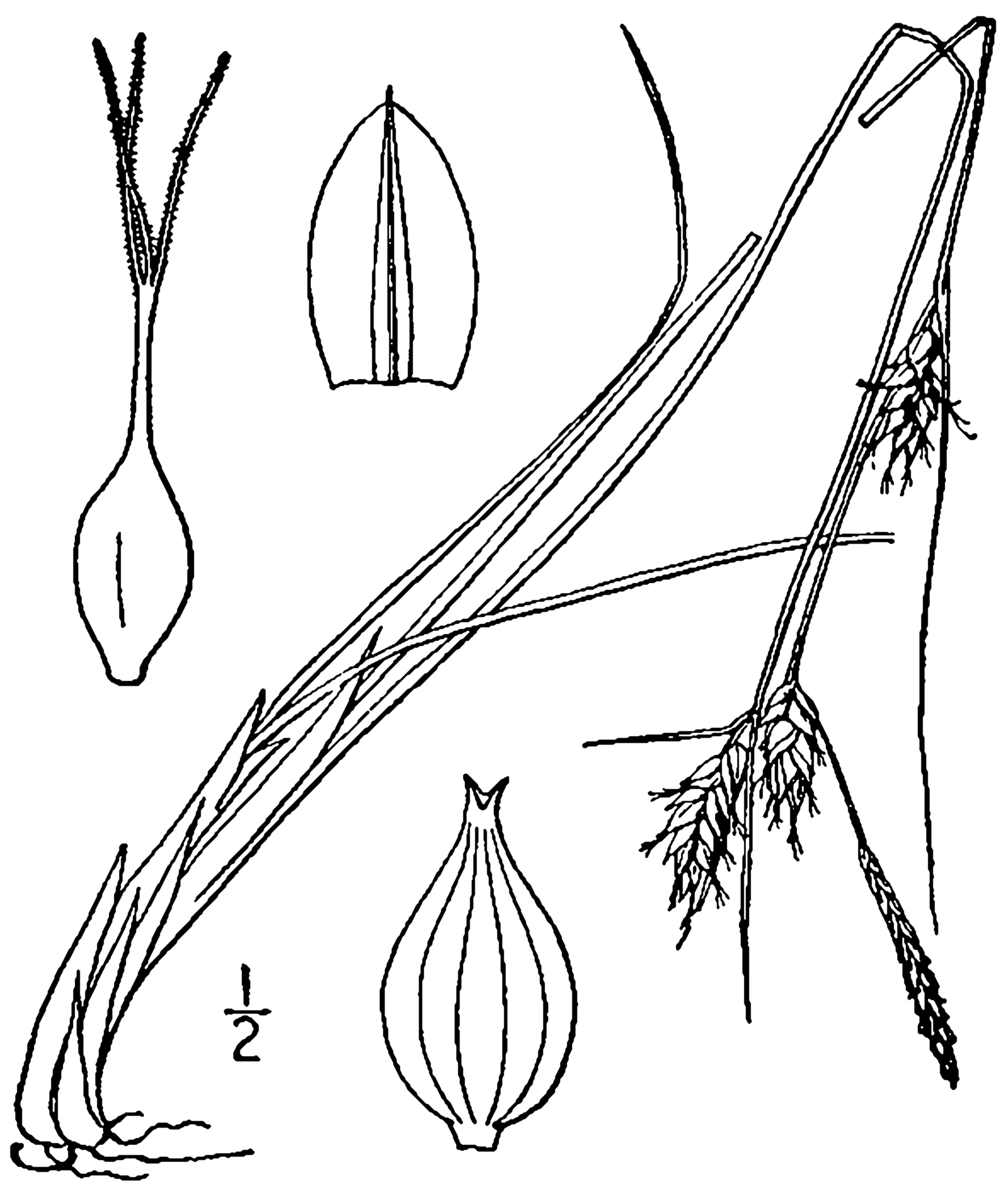
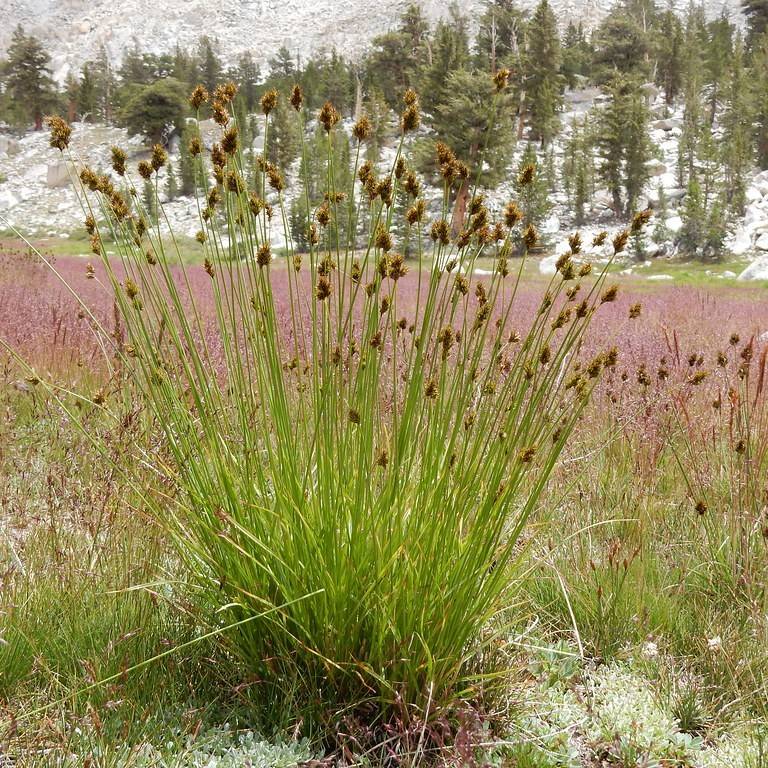
Carex gmelinii, commonly called Gmelin's sedge, is a rhizomatous perennial sedge that forms dense, upright clumps of narrow, arching green foliage. It is adapted to a wide range of cool, moist habitats, including wet meadows, shorelines, bogs, and open forest understories in high-latitude regions. In summer, it produces inconspicuous brown spikelets that are a food source for small wildlife and wetland birds. This sedge plays a key role in stabilizing shoreline soils and supporting boreal wetland ecosystems.
Care Guide
Watering
Gmelin's sedge thrives in consistently moist to wet soil, and can tolerate temporary shallow flooding for several weeks during the growing season. Water regularly to prevent the soil from drying out completely, especially if planted in drier garden sites, as prolonged drought will cause foliage browning and stunted growth. In its native wetland habitats, it requires no supplemental watering beyond natural precipitation.
Light
This species grows best in full sun to partial shade, with full sun exposure encouraging the densest clump formation in cool northern climates. In warmer parts of its growing range, provide light afternoon shade to prevent foliage scorch during periods of intense summer heat. It can tolerate full shade, but will produce sparser, leggier growth and fewer flowering spikelets.
Soil
Gmelin's sedge is adaptable to a wide range of soil types, including sandy, loamy, clay, and peaty soils, as long as consistent moisture is available. It prefers acidic to neutral soil pH between 4.5 and 7.0, but can tolerate mildly alkaline conditions as well. It thrives in poorly drained, saturated soils that are unsuitable for many other ornamental grass-like plants.
Fertilizer
In nutrient-poor garden soils, apply a balanced, slow-release granular fertilizer in early spring just as new growth emerges to support healthy foliage development. In its native wetland habitats, it typically receives sufficient nutrients from decaying organic matter and requires no supplemental fertilization. Avoid over-fertilizing, as this can cause excessive, floppy growth and reduce the plant's cold hardiness.
Temperature
This cold-hardy sedge is adapted to boreal climates, thriving in USDA hardiness zones 2 through 7, and can tolerate winter temperatures as low as -50°F (-46°C). It prefers cool summer temperatures between 50°F and 75°F (10°C to 24°C), and may go dormant early if exposed to prolonged temperatures above 85°F (29°C). Winter dormancy is normal, and foliage will regrow reliably in early spring once temperatures rise above freezing.
Pruning
Prune back dead, brown foliage to just above the crown in late winter or early spring before new growth emerges to keep clumps looking tidy and encourage fresh, healthy leaf production. Remove any damaged or diseased foliage throughout the growing season as needed to maintain the plant's appearance and prevent the spread of pathogens. Established clumps can be sheared back by one-third in mid-summer if foliage becomes ragged, which will stimulate a flush of new, neat growth.
Propagation
Gmelin's sedge is most easily propagated by division of mature clumps in early spring just as new growth begins, or in early fall before the first frost. Dig up the entire clump, separate it into smaller sections with a sharp knife, ensuring each section has both healthy roots and foliage, then replant immediately at the same depth as the original plant. It can also be grown from seed sown directly outdoors in fall, as the seeds require a period of cold stratification to germinate; spring-sown seeds will need 60 to 90 days of cold, moist conditioning before planting.
Humidity
This species tolerates a wide range of humidity levels, from moderately dry inland boreal regions to the high humidity of coastal wetland habitats. It performs best in average to high humidity above 40%, but can tolerate short periods of low humidity as long as soil moisture remains consistent. Indoor potted specimens may benefit from occasional misting during very dry winter conditions to prevent leaf tip browning.
Repotting
When grown in containers, repot Gmelin's sedge every 2 to 3 years in early spring, before new growth emerges, to refresh the soil and prevent root binding. Choose a pot with ample drainage holes, and use a moisture-retentive potting mix amended with peat moss or compost to maintain consistent soil dampness. If the plant outgrows its current container, divide it at repotting time to create new specimens rather than moving it to an excessively large pot.
Uses & Symbolism
Gmelin's sedge is widely used in wetland restoration and shoreline stabilization projects, as its dense rhizome network holds soil in place to prevent erosion and filter runoff pollutants. It is planted in rain gardens, bog gardens, and water feature margins as an ornamental low-maintenance foliage plant that provides year-round greenery in cool climates. The dense clumps provide cover and nesting material for wetland birds, and the seeds are a food source for small mammals and seed-eating bird species.
Diseases & Pests
Gmelin's sedge is relatively pest and disease resistant, but can be susceptible to fungal leaf spots and rust in overly humid, poorly ventilated growing conditions. Root rot may occur if the plant is grown in standing water for extended periods outside of its normal seasonal flooding tolerance, especially in warm temperatures. Aphids and spider mites may occasionally infest foliage, particularly on stressed plants, but can be controlled with insecticidal soap or a strong spray of water.
Related plants
Other plants you might like if you grow Gmelin's Sedge.