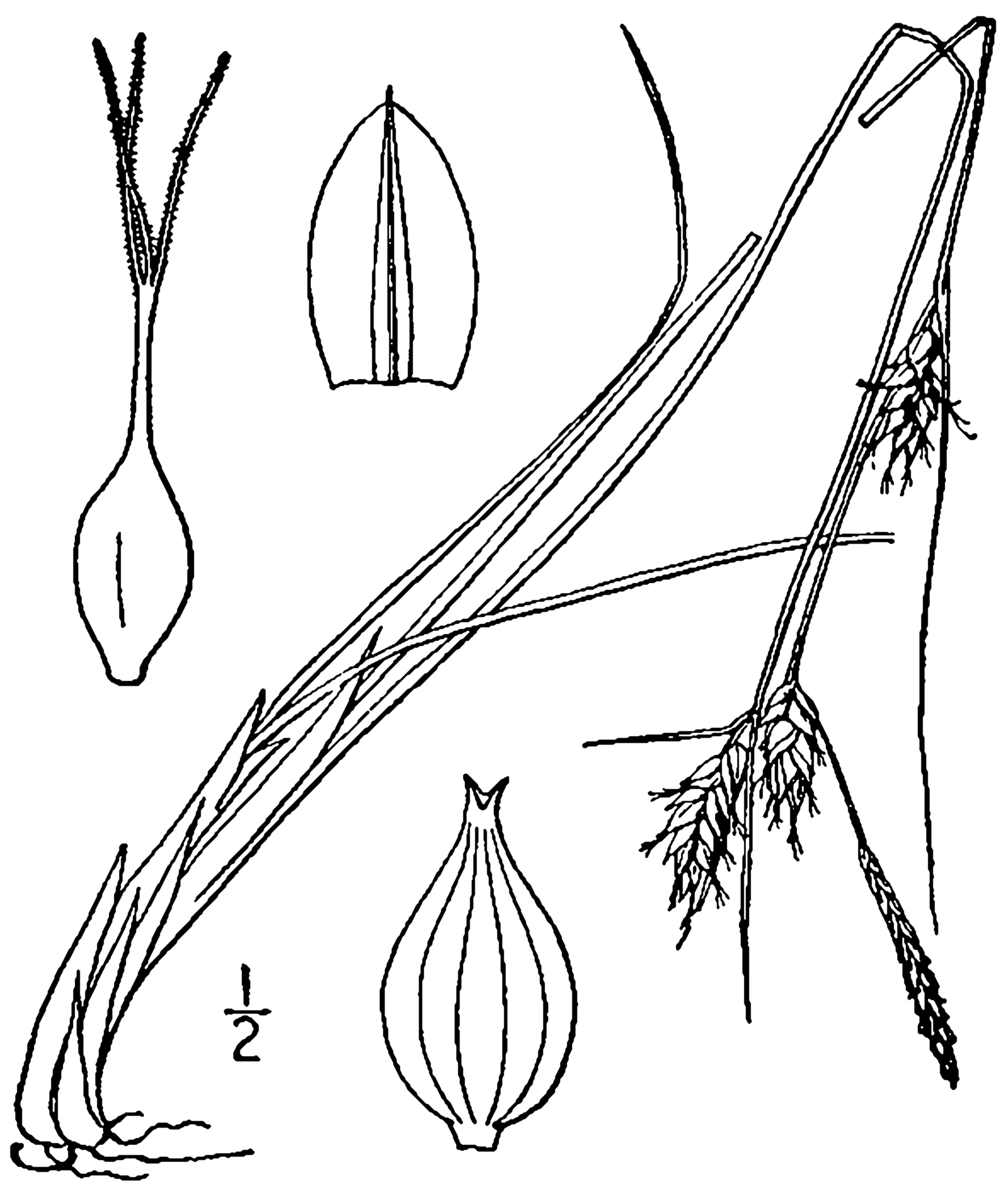
Few Seed Sedge
Carex oligosperma
Overview
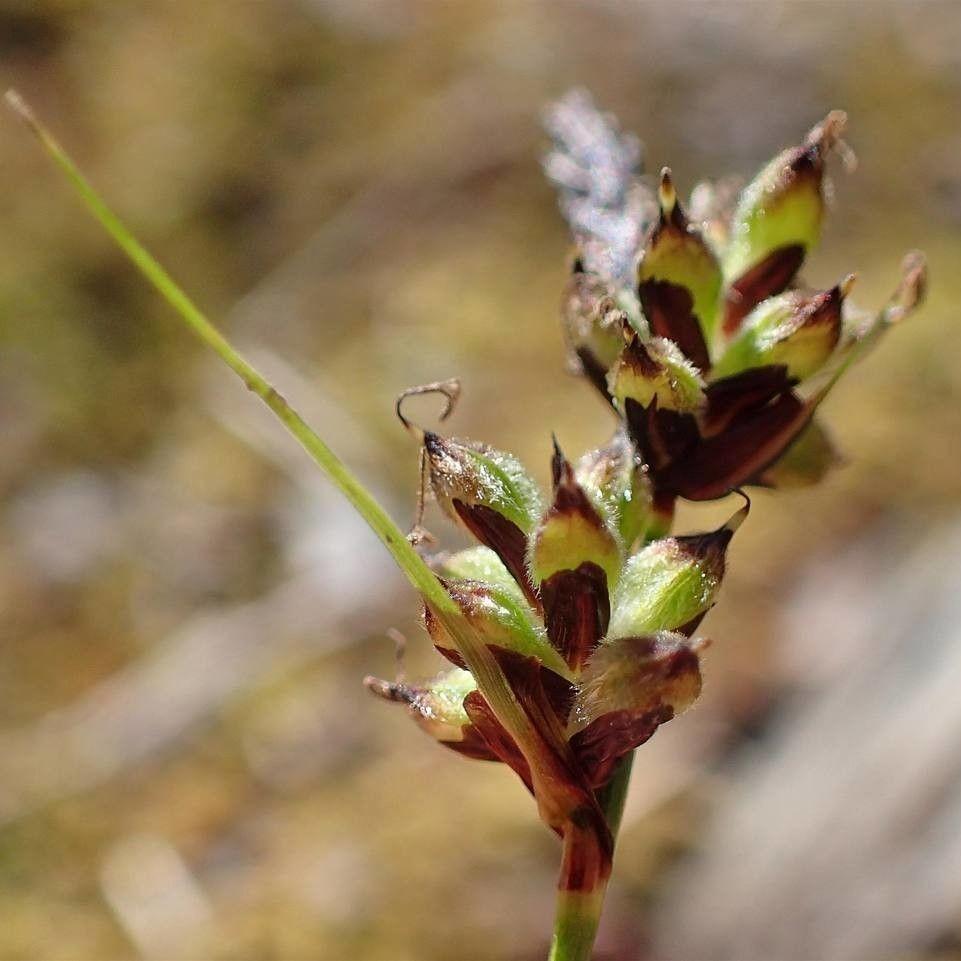
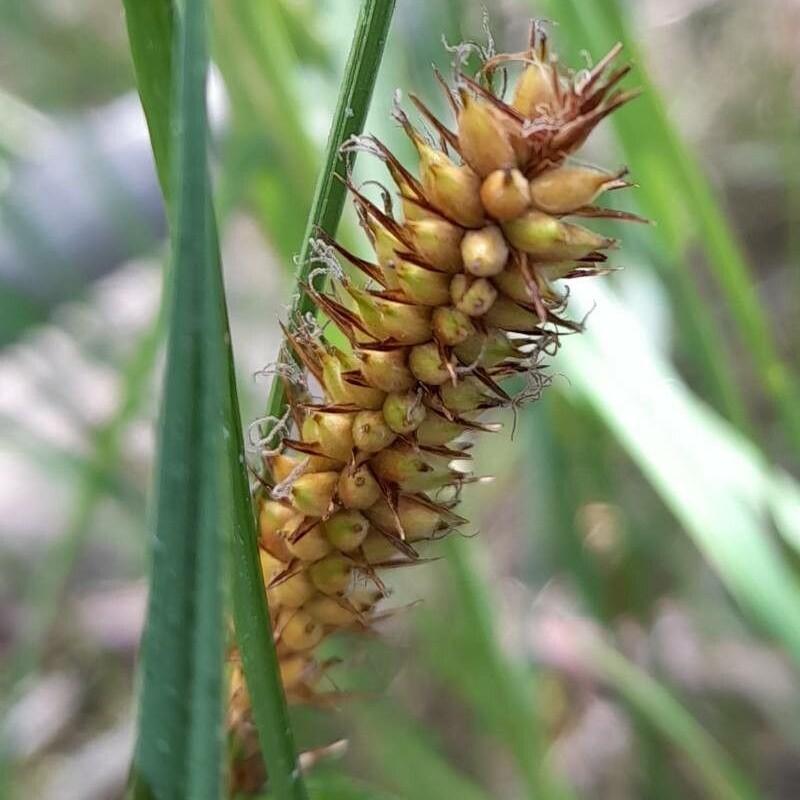
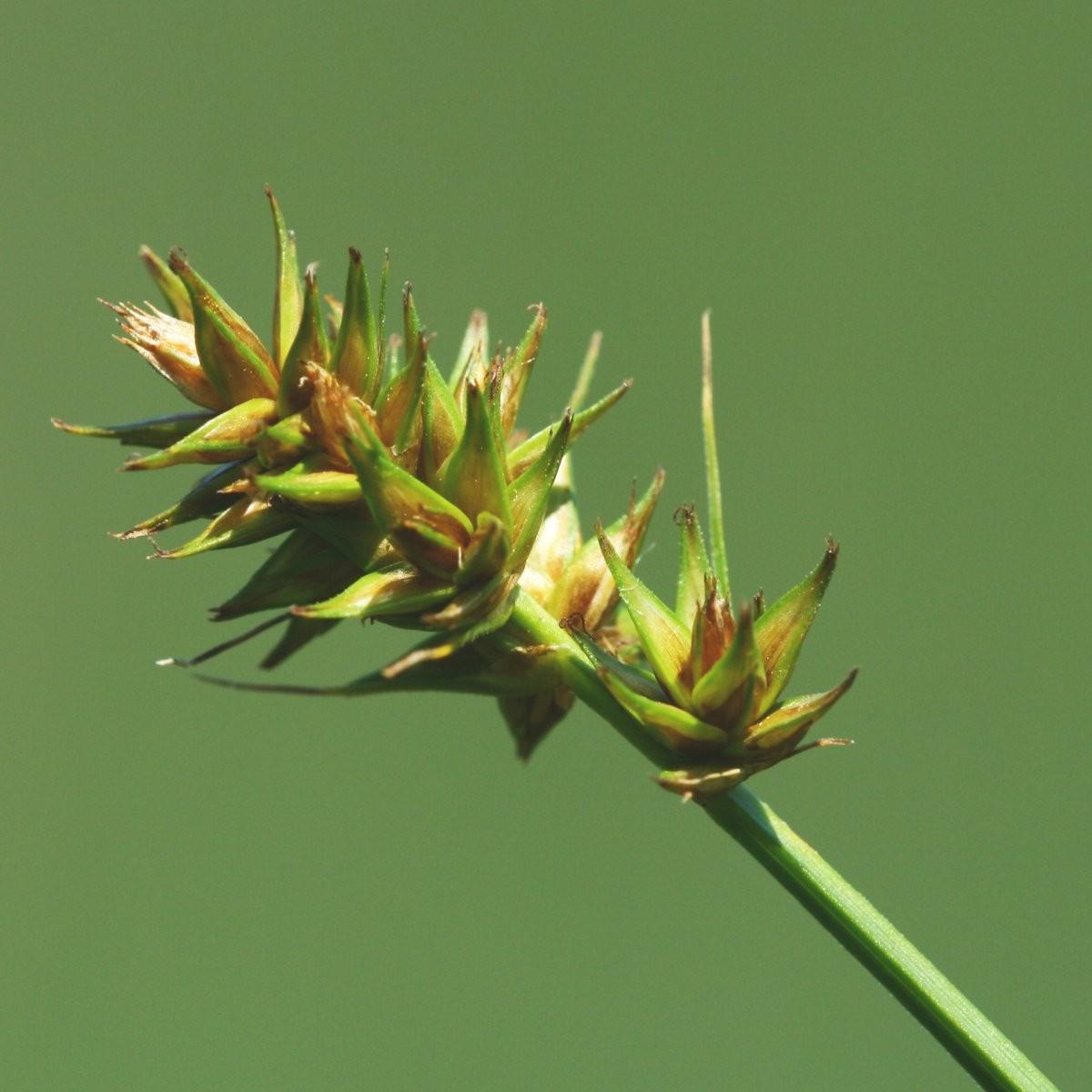
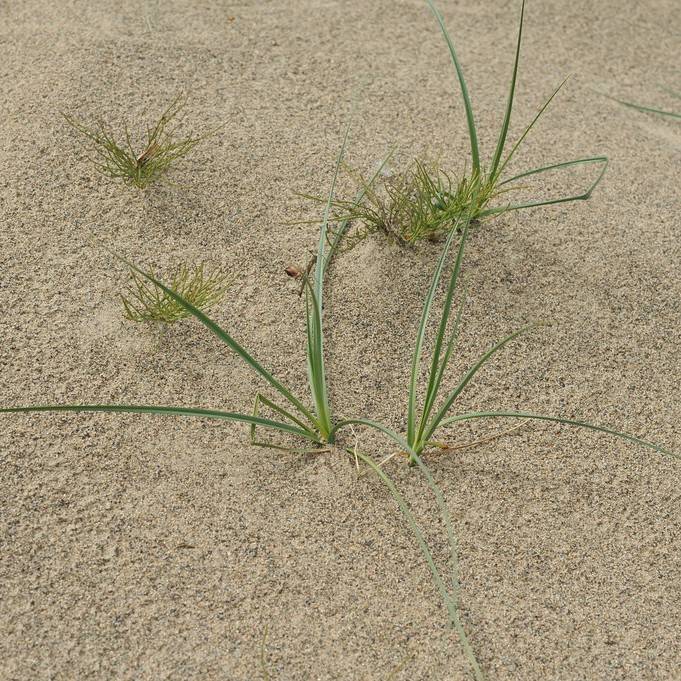
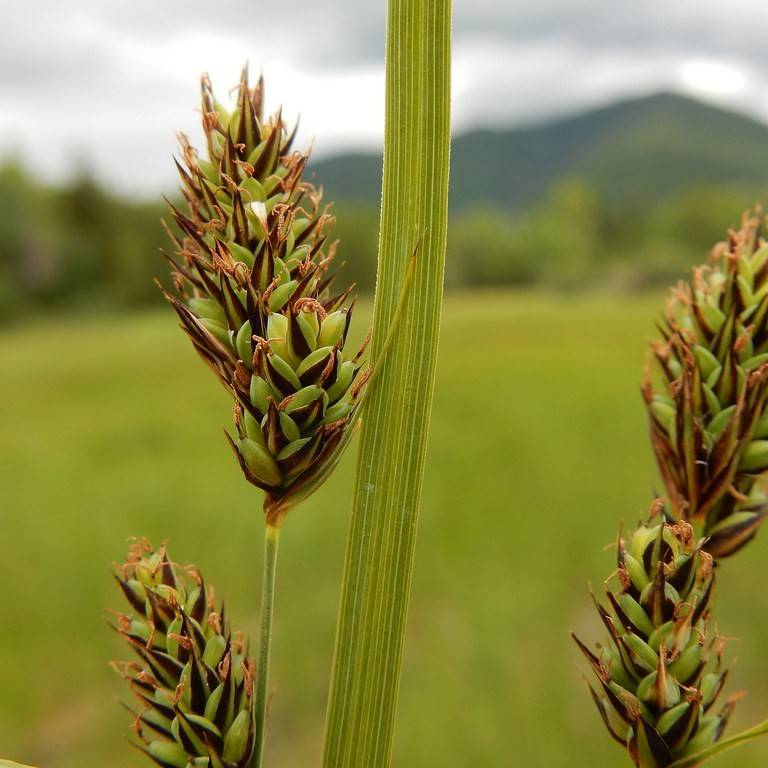
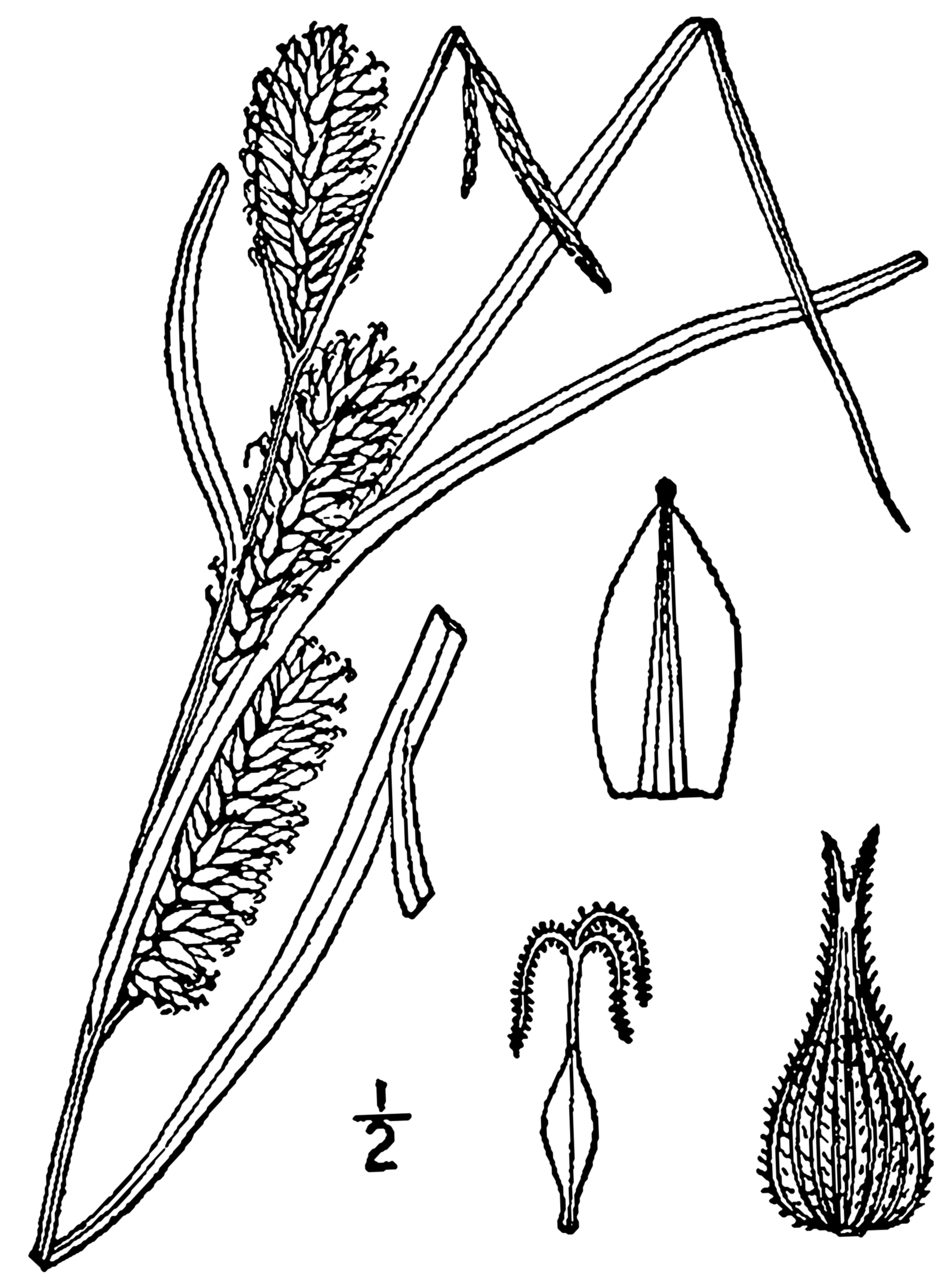
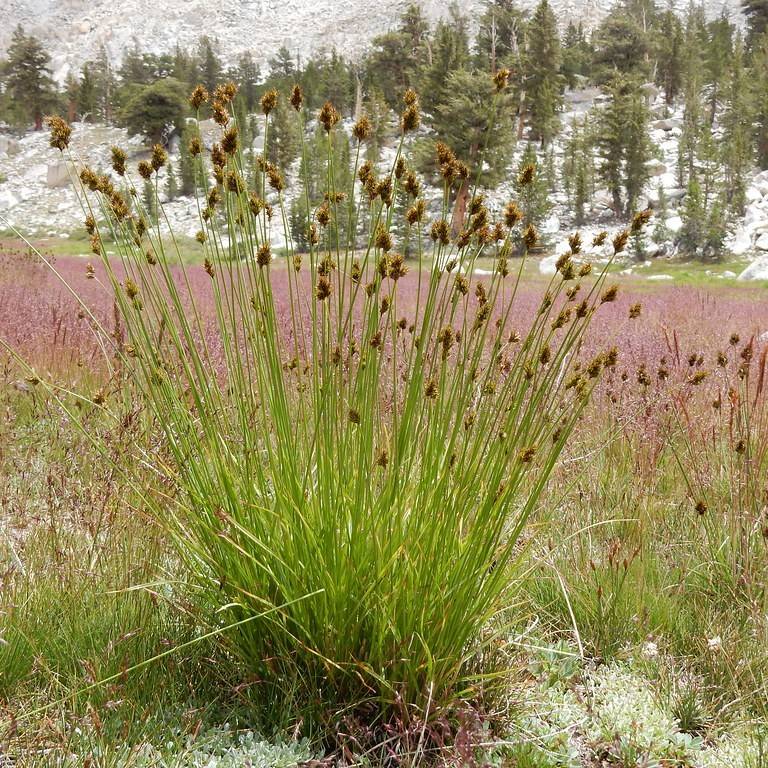
Few seed sedge is a rhizomatous, clump-forming perennial sedge adapted to saturated, acidic wetland habitats including bogs, fens, and shoreline marshes. Its fine, wiry green foliage forms dense mounds that provide year-round cover for small wetland wildlife, while its inconspicuous brown seed heads mature in late summer. It is highly tolerant of cold climates and seasonal flooding, making it a staple for native wetland restoration projects across its native range.
Care Guide
Watering
Few seed sedge requires consistently moist to saturated soil, and thrives in standing water up to 6 inches deep for extended periods. Do not allow the soil to dry out completely; supplemental watering is needed during prolonged droughts if planted in non-wetland settings. It is well adapted to seasonal flooding, making it ideal for low-lying or poorly drained garden areas.
Light
This sedge grows best in full sun to partial shade, with the most vigorous clumping occurring in sites that receive at least 6 hours of direct sunlight daily. In warmer parts of its range, partial afternoon shade can help prevent foliage scorching during the hottest summer months. It will tolerate full shade but will produce sparser foliage and fewer seed heads.
Soil
Few seed sedge prefers acidic, peaty or sandy loam soils with high organic matter content, typical of bog and fen habitats. It tolerates poor, nutrient-deficient soils and heavy clay as long as drainage is poor to keep the root zone consistently moist. Neutral to slightly alkaline soils are tolerated but may reduce overall growth vigor.
Fertilizer
This species is adapted to low-nutrient wetland soils and generally does not require regular fertilization to thrive. Over-fertilization can lead to excessive, floppy foliage growth and may disrupt the natural nutrient balance of sensitive wetland habitats. If grown in average garden soil, a single light application of slow-release, low-nitrogen fertilizer in early spring is sufficient.
Temperature
Few seed sedge is extremely cold-hardy, suitable for USDA zones 3 through 7, and tolerates winter temperatures as low as -40°F (-40°C). It does not thrive in hot, humid climates south of zone 7, where prolonged high summer temperatures can cause foliage decline. It goes dormant in winter, with foliage dying back to the ground before resprouting in early spring.
Pruning
Prune back dead, brown foliage to the ground in late winter or early spring before new growth emerges to keep clumps looking tidy and allow sunlight to reach emerging shoots. Avoid pruning during the growing season, as this can disrupt the habitat value of the foliage for wetland invertebrates and small wildlife. Overgrown clumps can be trimmed back by one-third in mid-summer if foliage becomes unkempt.
Propagation
Few seed sedge is most easily propagated by division of mature clumps in early spring just as new growth begins, or in late fall after the plant has gone dormant. Divide rhizomatous root masses into smaller sections with at least 3-5 healthy shoots each, and replant immediately in saturated soil to prevent root desiccation. It can also be grown from seed, which requires a 3-month cold stratification period to germinate successfully.
Humidity
This species thrives in the high humidity typical of wetland and riparian environments, and tolerates ambient humidity levels down to 40% without issue. In dry indoor or arid garden settings, regular misting or placement near a water feature will help maintain adequate humidity for healthy foliage. Low humidity combined with dry soil will quickly cause browning of leaf tips and overall plant decline.
Repotting
If grown in containers, few seed sedge should be repotted every 2-3 years in early spring to refresh the soil and prevent overcrowding of rhizomes. Use a heavy, acidic potting mix with high peat content, and ensure the container has no drainage holes or is set in a tray of standing water to keep the soil consistently saturated. Root-bound clumps can be divided during repotting to produce new plants.
Uses & Symbolism
Few seed sedge is widely used in native wetland restoration, rain garden plantings, and shoreline stabilization projects, as its dense rhizome network prevents soil erosion and filters runoff pollutants. It provides excellent cover and food for wetland wildlife, including waterfowl, small mammals, and pollinating insects that feed on its sparse seed heads and nest in its foliage. It is also planted as a low-maintenance ornamental grass alternative in bog gardens and water feature edges, providing fine-textured, year-round greenery.
Diseases & Pests
Few seed sedge is largely pest and disease free, with no major common pathogens affecting healthy, well-sited plants. Overly dry conditions or low humidity can lead to aphid infestations and spider mite outbreaks on foliage, which can be treated with a strong stream of water or insecticidal soap. Root rot may occur if the plant is grown in well-drained soil that dries out periodically, as this weakens the root system and makes it susceptible to fungal infection.
Related plants
Other plants you might like if you grow Few Seed Sedge.