Broom Sedge
Andropogon virginicus
Overview
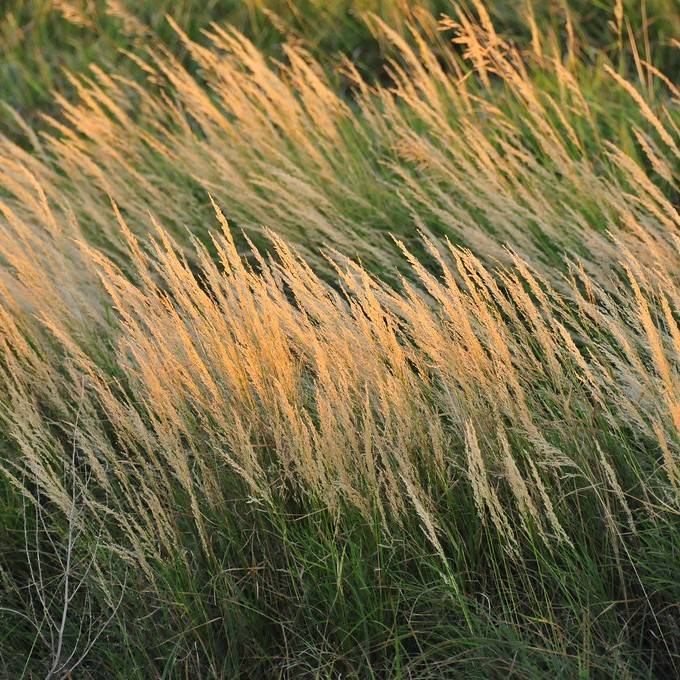
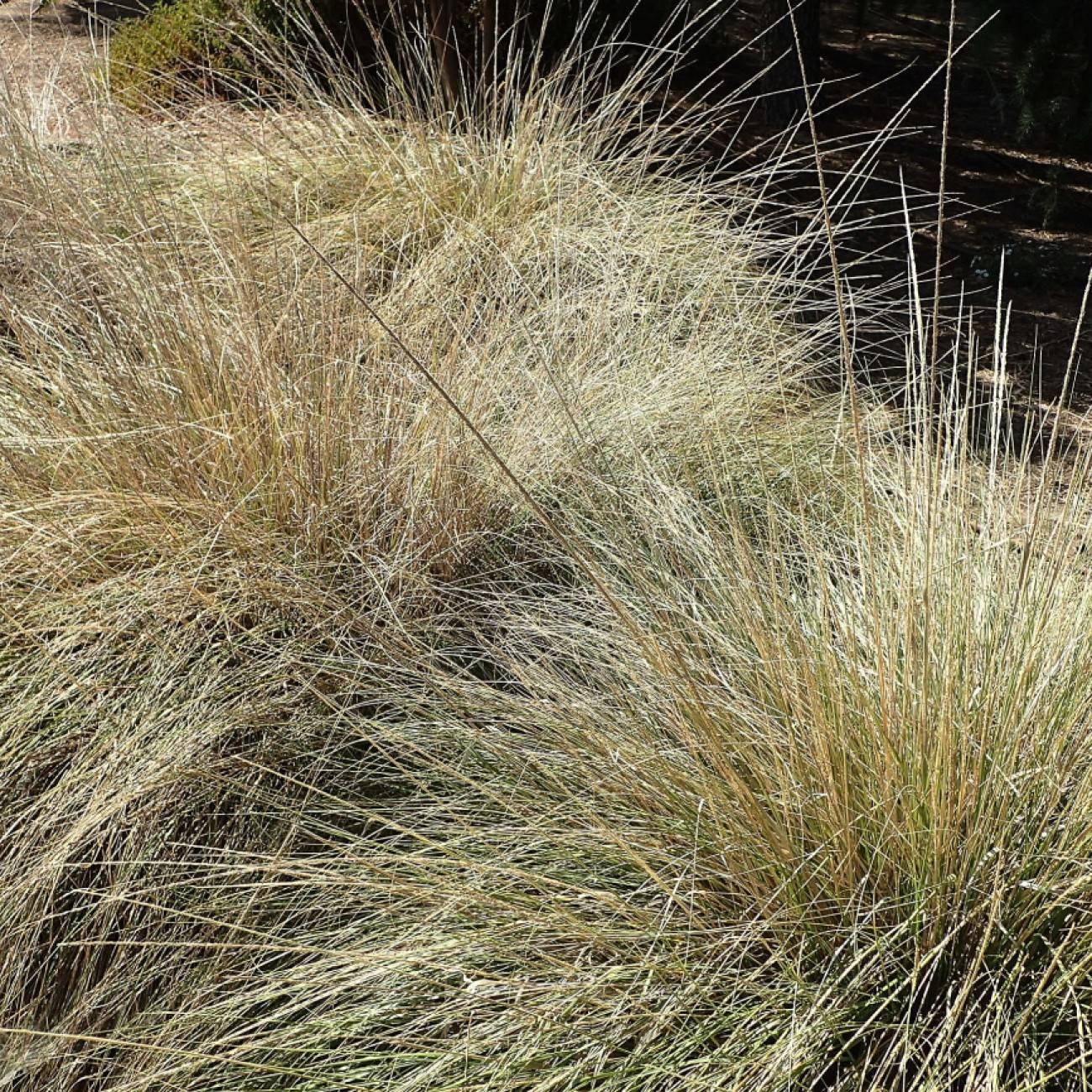
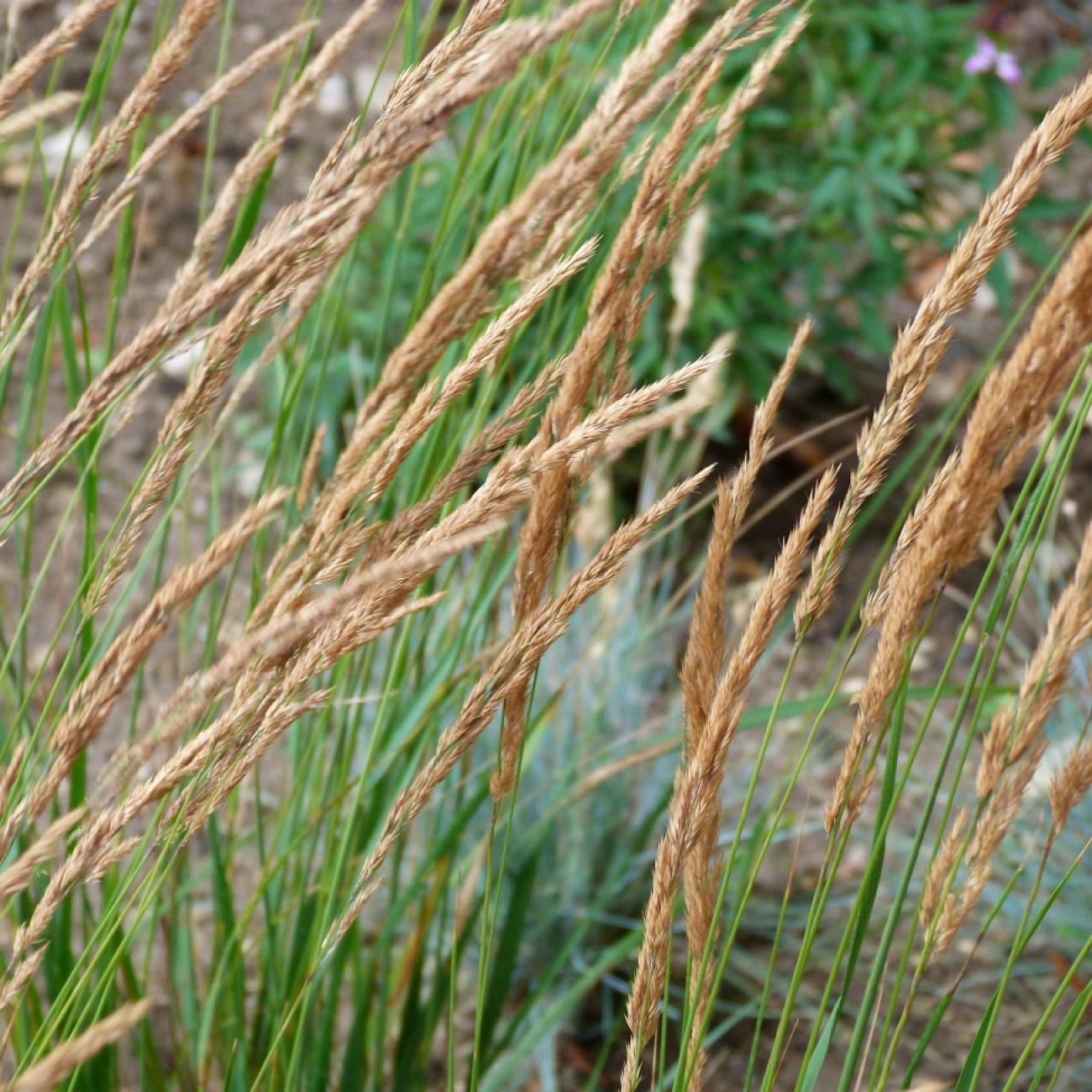
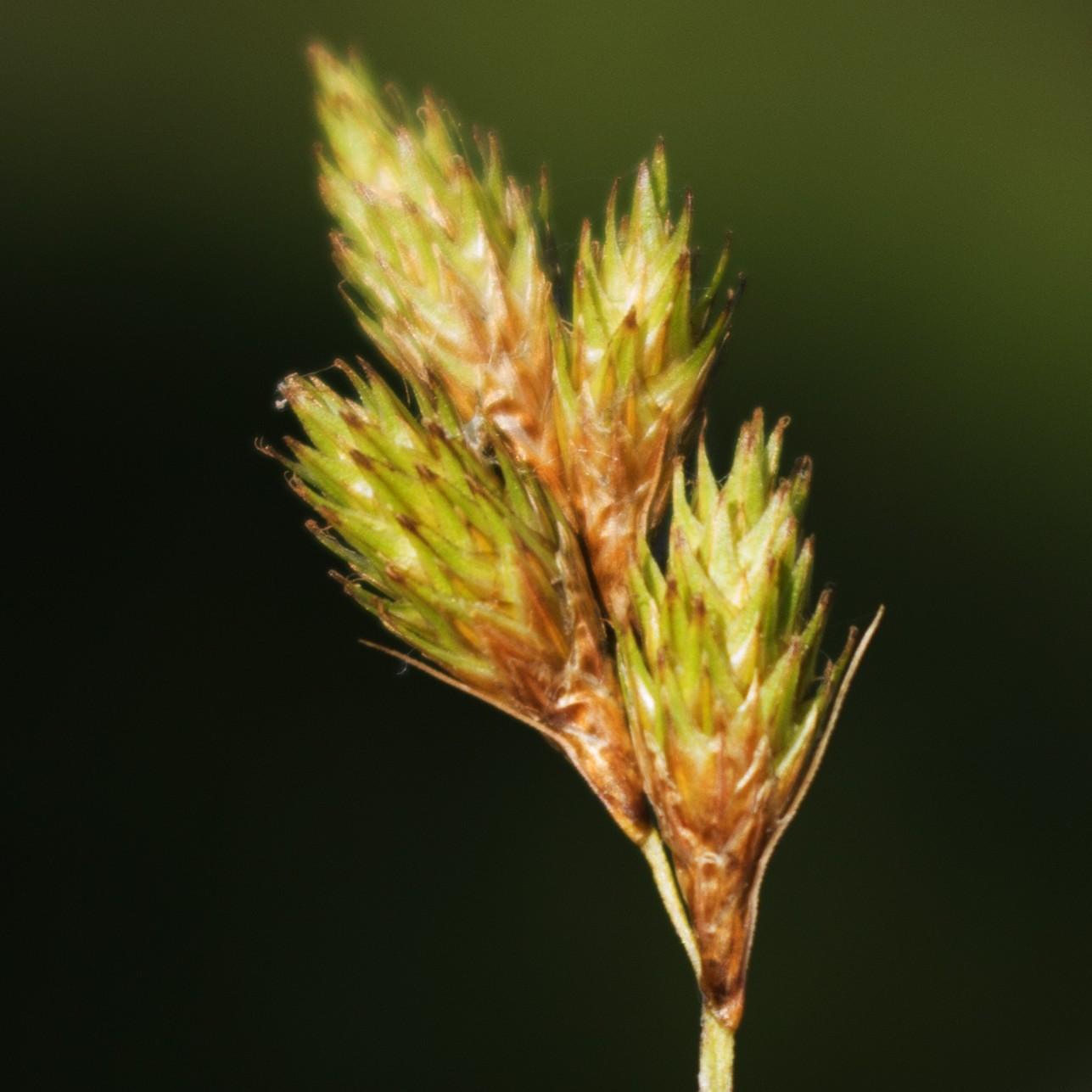
Broom sedge is a warm-season bunchgrass that forms dense, upright clumps of slender, green foliage through spring and summer. As temperatures cool in autumn, the foliage shifts to a striking straw-gold hue that persists through winter, adding year-round visual interest to naturalistic landscapes. It is highly adapted to poor, low-nutrient soils, making it a common pioneer species in sites recovering from disturbance, and it supports a wide range of native wildlife.
Care Guide
Watering
Broom sedge is exceptionally drought-tolerant once established, requiring only occasional supplemental watering during extended periods of extreme heat or drought. Newly planted specimens should be watered regularly for the first 2-3 months to help them develop a deep, extensive root system. Overwatering or planting in poorly drained sites can lead to root rot, so allow soil to dry out fully between waterings.
Light
This grass thrives in full, direct sunlight, requiring a minimum of 6 hours of unobstructed sun per day to maintain its dense growth habit and vibrant fall color. It can tolerate very light, dappled shade, but growth will become sparse and leggy, and fall color will be less intense in lower light conditions. It is well suited to open, exposed sites where many other plants struggle with intense sun.
Soil
Broom sedge adapts to a very wide range of soil types, including sandy, loamy, clay, and rocky soils, and it performs especially well in low-fertility, acidic soils where most other grasses fail to thrive. It is highly tolerant of poor, compacted, or disturbed soils, making it ideal for erosion control on slopes or reclamation sites. The only soil condition it will not tolerate is consistently waterlogged or saturated soil, which can damage its root system.
Fertilizer
Fertilization is rarely required for broom sedge, as it is adapted to low-nutrient soils and excess nitrogen can actually cause it to grow leggy and flop over. If grown in extremely depleted soils, a light application of a balanced, slow-release fertilizer in early spring can support healthy growth, but this is usually unnecessary for established plants. Avoid high-nitrogen fertilizers entirely, as they will reduce its characteristic drought tolerance and structural integrity.
Temperature
This grass is adapted to a wide range of temperate climates, thriving in USDA hardiness zones 3 through 9, withstanding winter temperatures as low as -40°F (-40°C). It is a warm-season species, so active growth begins once soil temperatures rise above 60°F (15°C) in late spring, and it goes dormant once temperatures drop consistently below 50°F (10°C) in autumn. It tolerates extreme summer heat and humidity well, with no additional care needed during heatwaves.
Pruning
Prune broom sedge once annually in late winter or very early spring, before new growth emerges, cutting the entire clump back to 3-4 inches (7-10 cm) above the soil line to make way for fresh, healthy foliage. Remove any dead or damaged stems at any time during the growing season to keep the clump looking tidy, though this is not strictly necessary for plant health. Avoid pruning in fall, as the dried foliage provides winter habitat for beneficial insects and shelter for small wildlife.
Propagation
Broom sedge is most easily propagated by seed, which can be sown directly onto the soil surface in late fall or early spring, as it requires no stratification to germinate. Established clumps can also be divided in early spring before new growth starts, by digging up the entire root mass, cutting it into smaller sections with at least 3-5 growing points each, and replanting immediately at the same depth as the original plant. It self-seeds readily in favorable conditions, and unwanted seedlings can be easily pulled up when small to prevent unwanted spread.
Humidity
Broom sedge tolerates a wide range of humidity levels, thriving in both the humid summers of the southeastern United States and the drier conditions of the central plains. No special humidity adjustments are needed for this adaptable grass, and it does not suffer from leaf browning or other issues in low-humidity environments. It is highly resistant to foliar diseases that often affect other grasses in high-humidity conditions.
Repotting
Broom sedge is rarely grown in containers, as it prefers to spread its deep root system in open ground, and its large mature size makes it poorly suited to long-term pot growth. If grown in a container, repot every 2-3 years in early spring, moving to a slightly larger pot with well-drained, low-fertility potting mix to accommodate root growth. Be sure the container has ample drainage holes to prevent waterlogging, as standing water will quickly damage the root system.
Uses & Symbolism
Broom sedge is widely used in native plant gardens, meadow restorations, and erosion control projects, as its deep root system stabilizes soil on slopes and disturbed sites, while its foliage and seeds support a wide range of wildlife including songbirds, game birds, and native pollinators. Its persistent golden winter foliage makes it a popular ornamental grass in naturalistic and xeriscape landscapes, adding year-round textural and color contrast to mixed plantings. Historically, its stiff dried stems were used to make brooms, giving the plant its common name.
Diseases & Pests
Broom sedge is largely pest and disease resistant, with no major common issues affecting its health in most growing conditions. It may occasionally be affected by fungal leaf spots in extremely wet, humid conditions, but these are rarely severe and can be prevented by ensuring adequate air circulation around clumps. Very rare infestations of aphids or grasshoppers may occur, but these typically cause only minor cosmetic damage and do not require treatment for healthy established plants.
Related plants
Other plants you might like if you grow Broom Sedge.