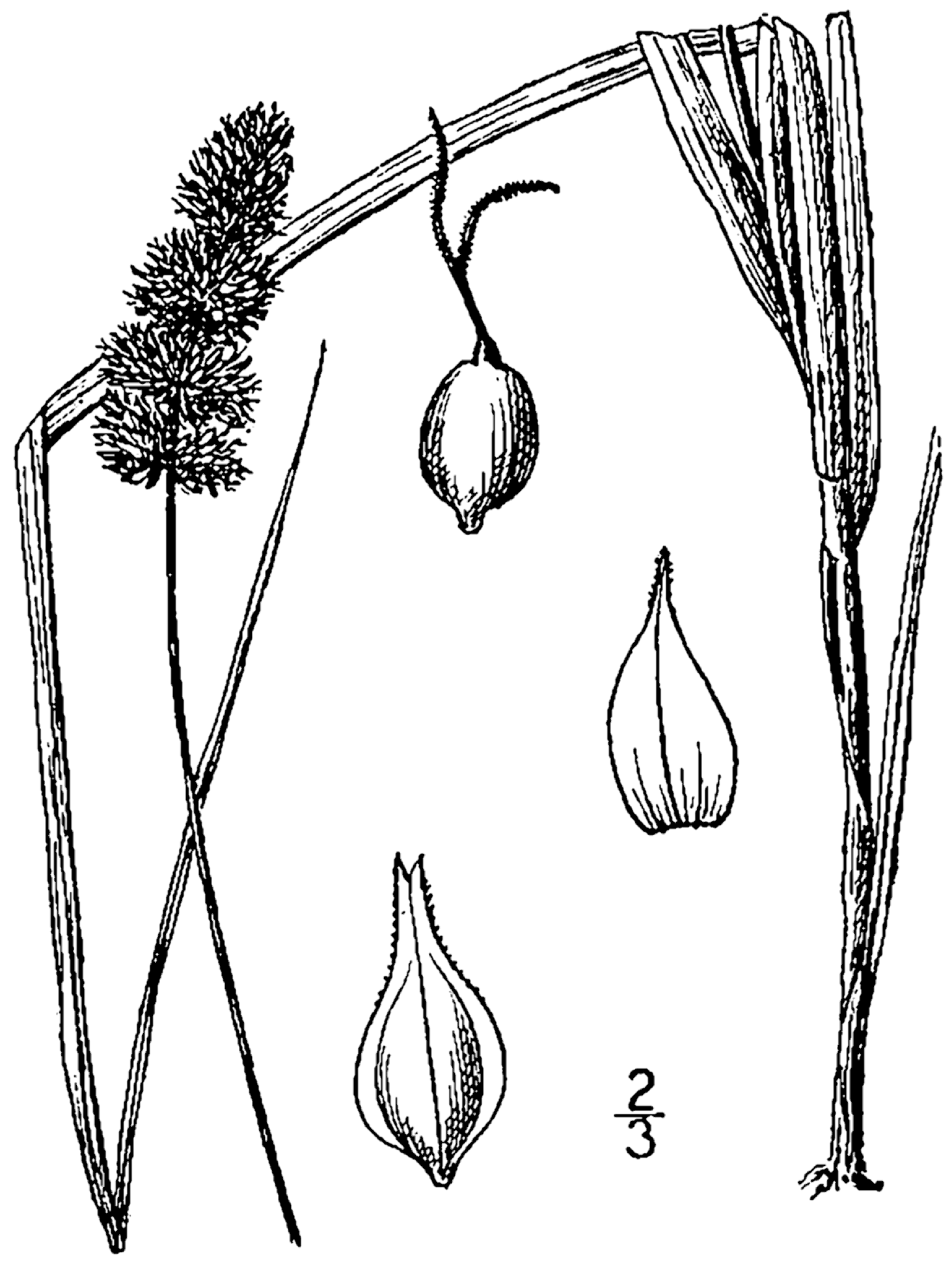
Glomerate Sedge
Carex aggregata
Overview
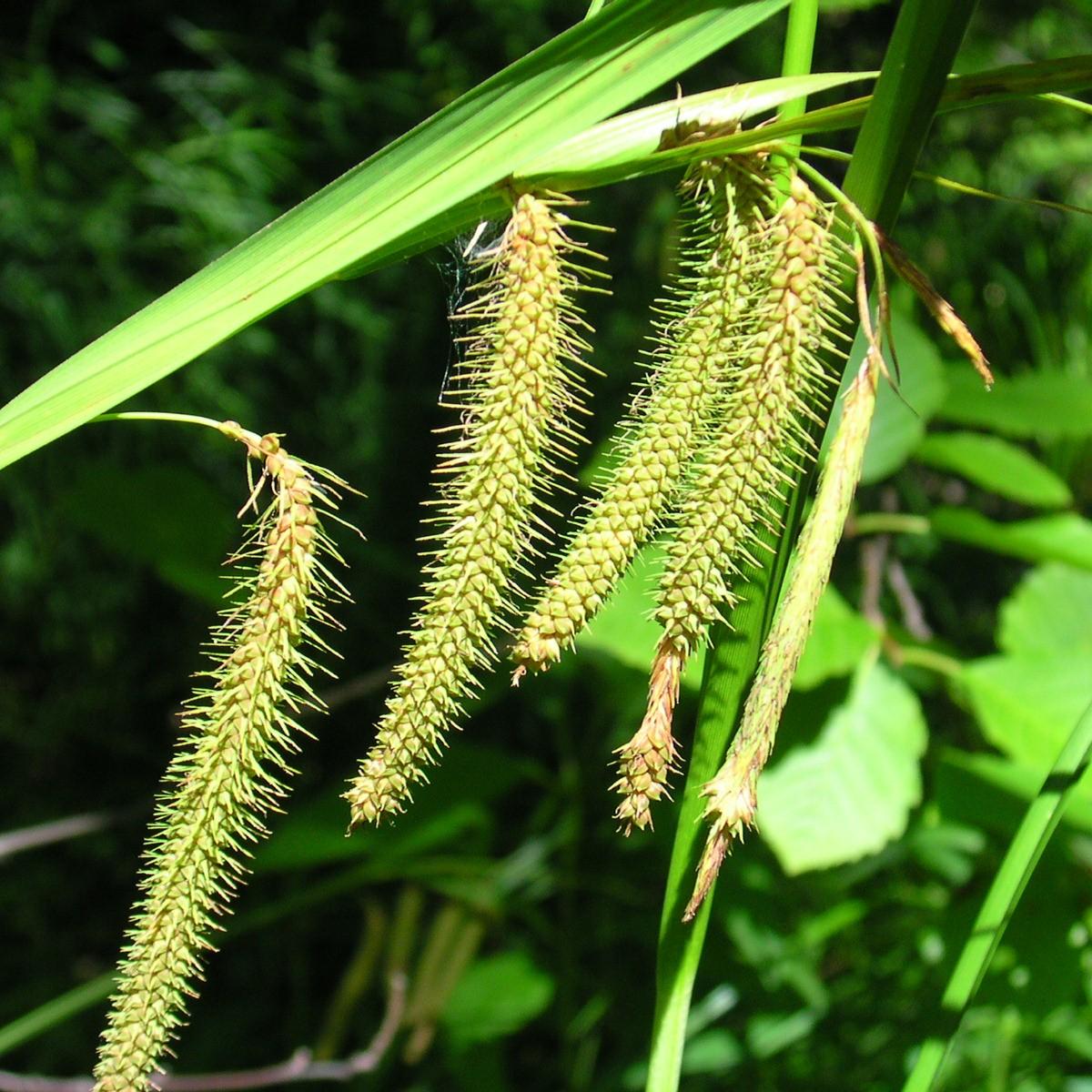
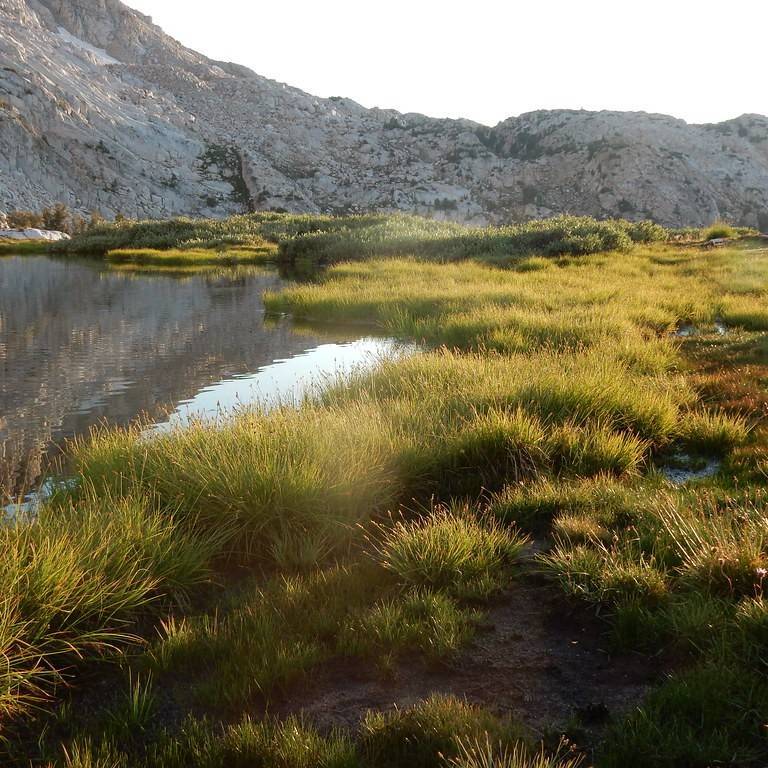
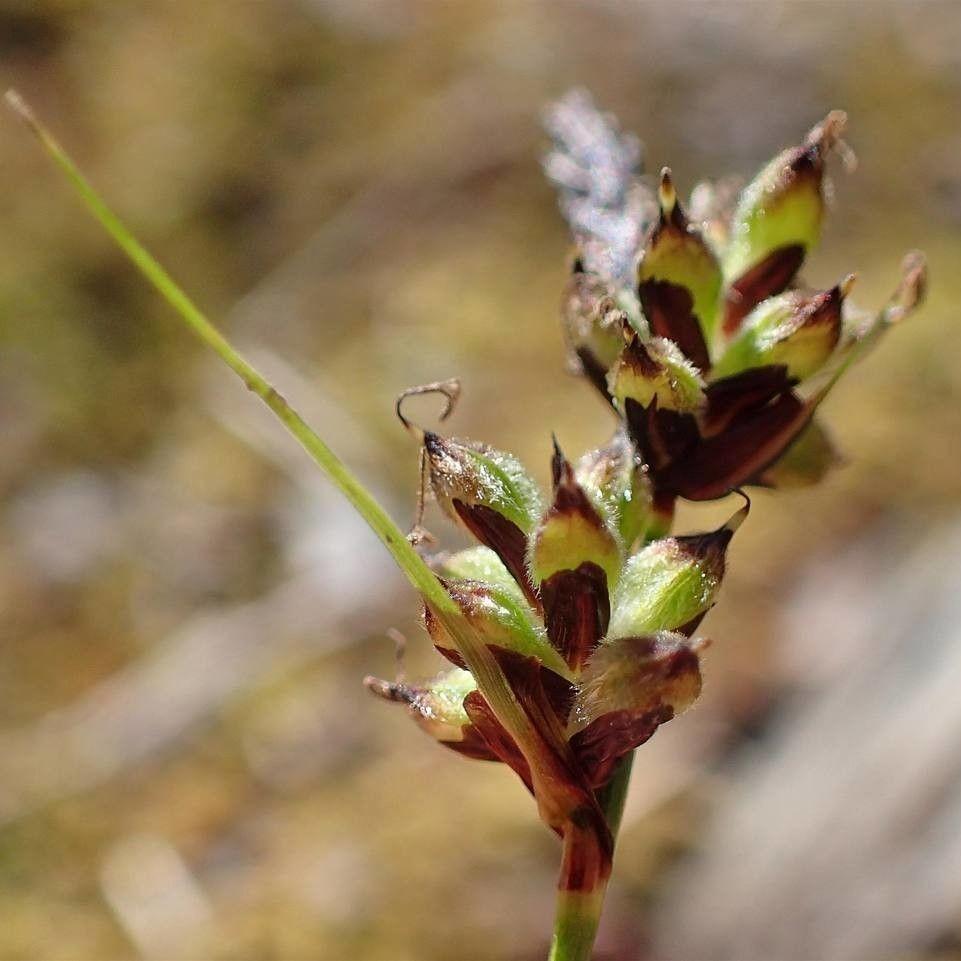
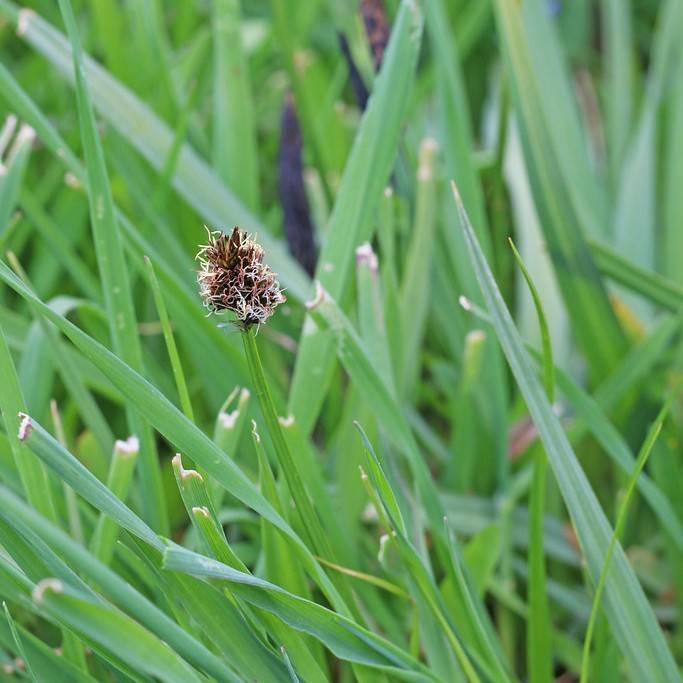
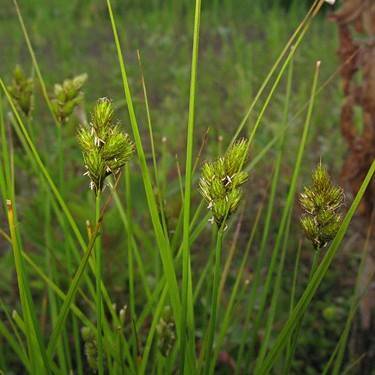
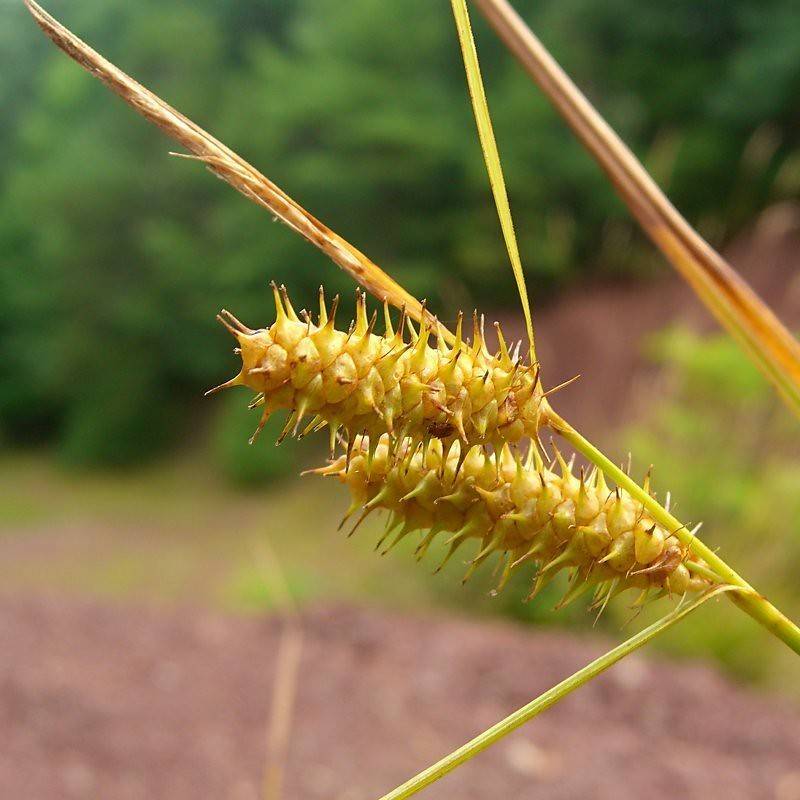
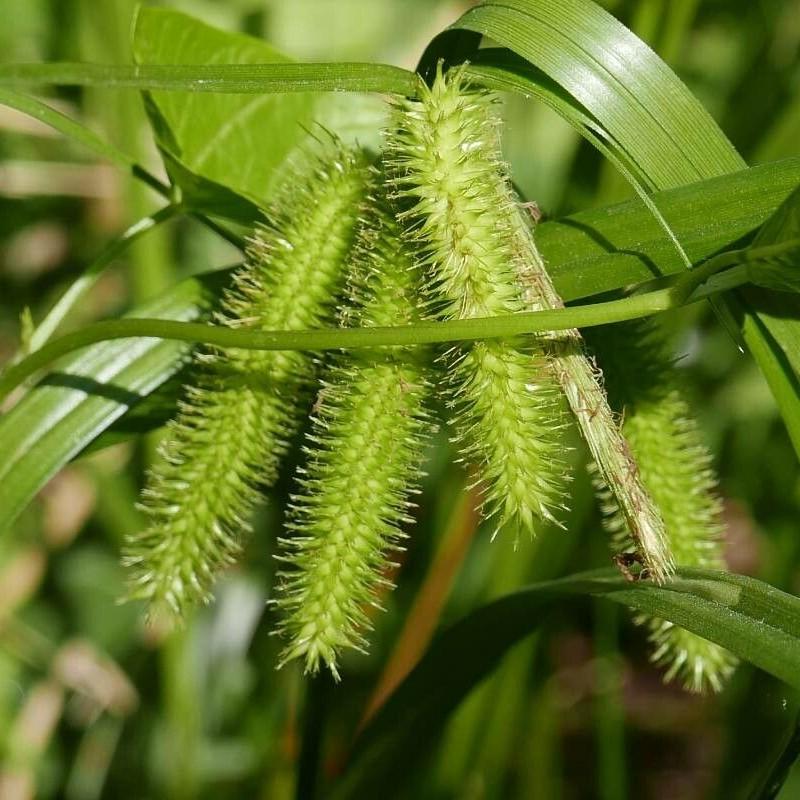
Glomerate sedge is a grass-like perennial that forms dense, tufted clumps of narrow, arching green foliage, distinguished by its tight, rounded clusters of dark brown to purplish spikelets that appear atop stiff stems in late spring. It is adapted to a wide range of wet to mesic habitats, including floodplains, wet meadows, swamps, and roadside ditches, making it a hardy choice for naturalized landscapes and stormwater management projects. As a native species, it provides valuable food and shelter for local wildlife, including seed-eating birds, small mammals, and pollinators that feed on its early-season blooms.
Care Guide
Watering
Prefers consistently moist to wet soil, and can tolerate periodic flooding of short duration; avoid letting the soil dry out completely for extended periods, especially during hot summer months. In garden settings, water deeply once or twice per week during dry spells to maintain consistent moisture levels, reducing frequency in cooler seasons when rainfall is sufficient.
Light
Thrives in full sun to partial shade, with the most vigorous growth and densest flowering occurring in sites that receive at least 4 hours of direct sunlight daily. It can tolerate heavier shade, though it may produce fewer blooms and have a looser, more open growth habit in low-light conditions.
Soil
Adaptable to a wide range of soil types, including clay, loam, and silty soils, as long as moisture retention is adequate. It tolerates poorly drained, even waterlogged soils better than many ornamental grasses, and can also grow in average garden soil as long as regular moisture is provided; it prefers a neutral to slightly acidic pH range of 6.0 to 7.5.
Fertilizer
Generally requires little to no supplemental fertilization, especially when grown in its native habitat or nutrient-rich wet soils. If grown in poor, sandy soil, apply a balanced, slow-release granular fertilizer in early spring before new growth emerges, avoiding high-nitrogen formulas that can promote excessive foliage growth at the expense of flowering.
Temperature
Cold hardy in USDA zones 3 to 8, tolerating winter temperatures as low as -40°F (-40°C) without additional protection. It grows best in average summer temperatures between 60 and 85°F (15 to 29°C), and can tolerate short periods of higher heat as long as soil moisture is maintained.
Pruning
Requires minimal pruning; cut back dead foliage to 2-3 inches above the soil line in late winter or early spring before new green growth emerges to keep the clump looking tidy and allow sunlight to reach new shoots. Remove spent flower stems after blooming if desired to prevent self-seeding, though leaving the seed heads intact provides food for birds through the fall and winter.
Propagation
Easiest propagated by division of mature clumps in early spring just as new growth begins, or in fall after the plant has gone dormant; separate clumps into smaller sections with intact roots and replant immediately at the same depth they were growing previously. It can also be grown from seed, which should be sown outdoors in fall to undergo natural cold stratification over winter, or stratified artificially for 60 days before sowing in spring; seed-grown plants typically take 2-3 years to reach mature flowering size.
Humidity
Adaptable to a wide range of humidity levels, naturally thriving in the moderate to high humidity of its native wetland and riparian habitats. It tolerates average indoor humidity if grown as a container houseplant, though it benefits from occasional misting if kept in very dry indoor environments to prevent leaf tip browning.
Repotting
If grown in containers, repot every 2-3 years in early spring before new growth emerges, upgrading to a slightly larger pot when the roots become root-bound. Use a moisture-retentive potting mix with added compost or peat moss to maintain adequate moisture, and ensure the container has drainage holes to prevent standing water from rotting the roots, even though this species tolerates wet conditions.
Uses & Symbolism
Widely used in rain gardens, bioswales, and riparian restoration projects for its excellent erosion control capabilities and ability to filter pollutants from stormwater runoff. Its dense clumping habit and attractive foliage make it a good low-maintenance ornamental for moist border edges, water garden margins, and naturalized meadow plantings, while its seed heads provide food for songbirds and other wildlife throughout the fall and winter. It is also occasionally planted as a native alternative to non-native ornamental grasses in sustainable landscapes, requiring little care once established.
Diseases & Pests
Generally resistant to most pests and diseases, though it can develop fungal leaf spots or rust in overly humid, poorly ventilated conditions, especially if foliage remains wet for extended periods. Root rot may occur if the plant is grown in very heavy, permanently waterlogged soil with no drainage, though it tolerates short periods of flooding well. Aphids and spider mites may occasionally infest foliage, particularly in dry, stressed plants, and can be controlled with a strong spray of water or insecticidal soap if populations become large.
Related plants
Other plants you might like if you grow Glomerate Sedge.