Baikal Sedge
Carex baikalensis
Overview
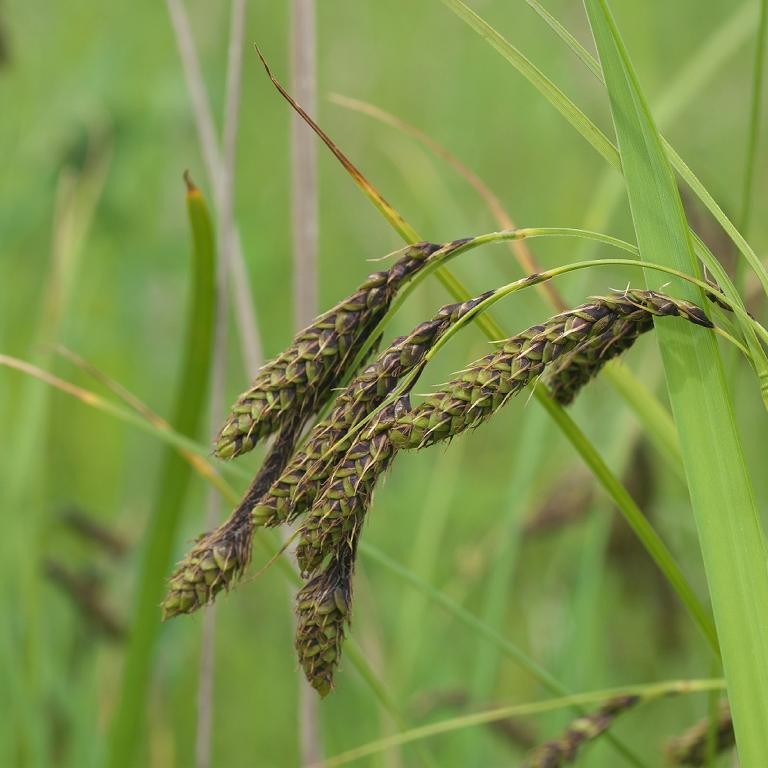
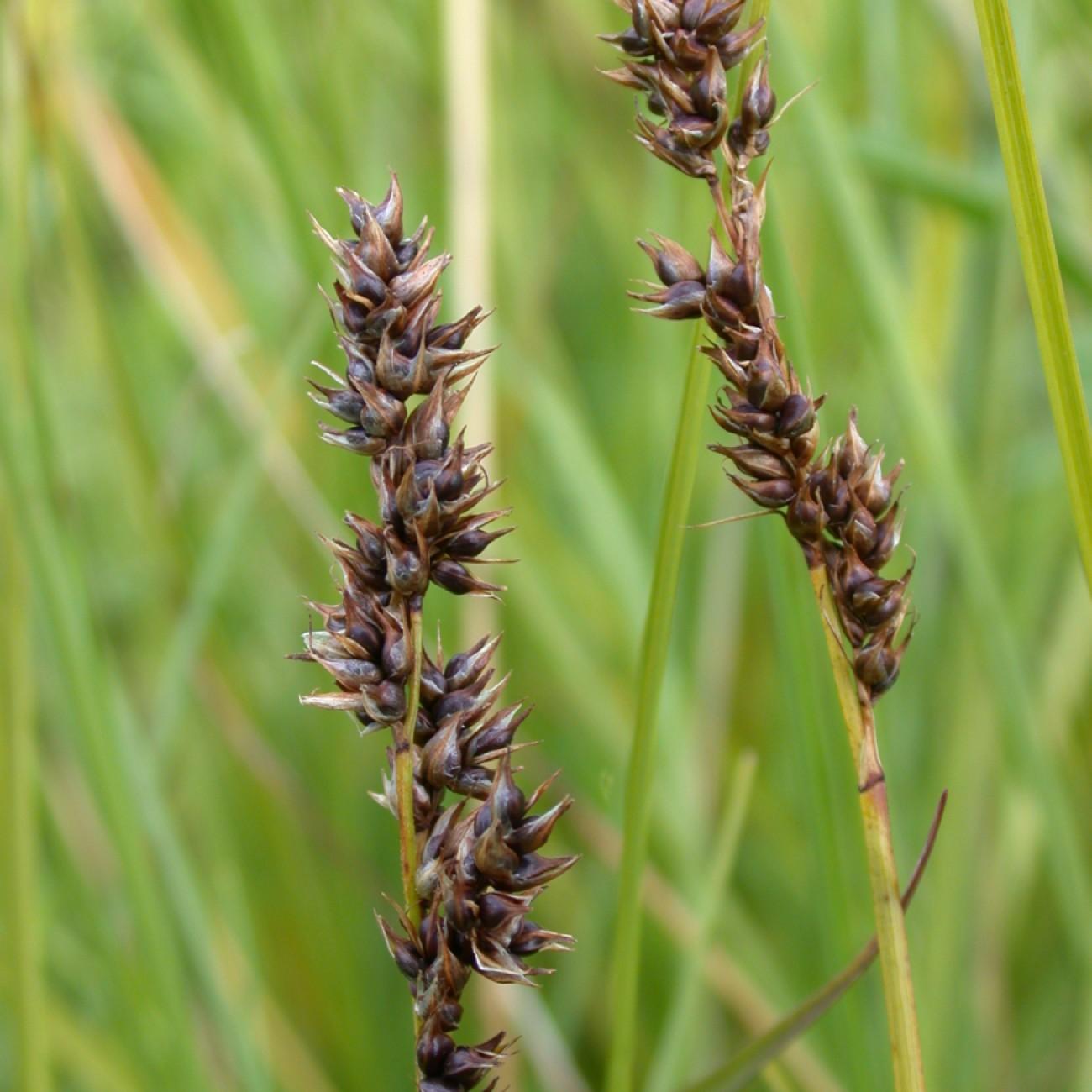
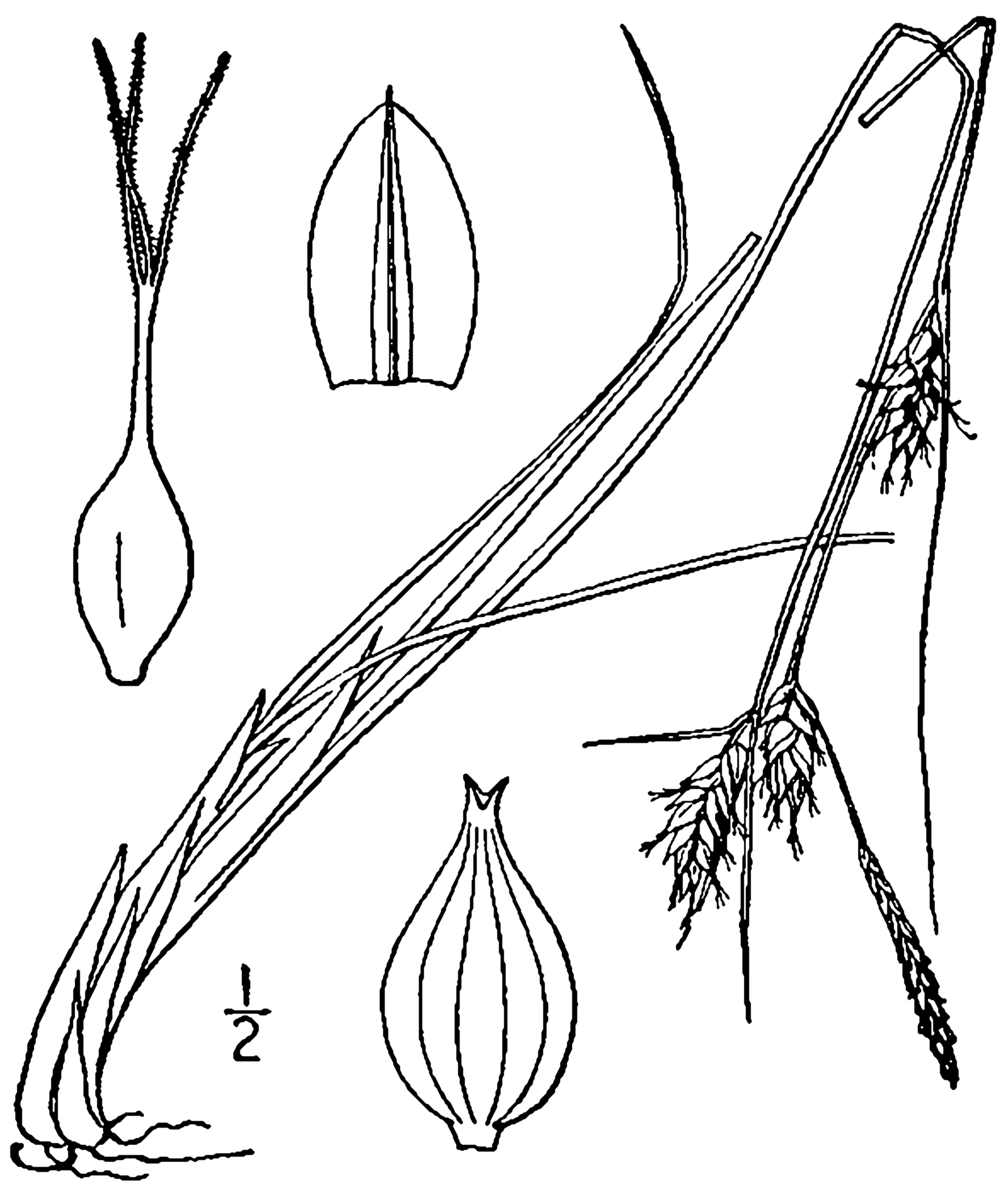
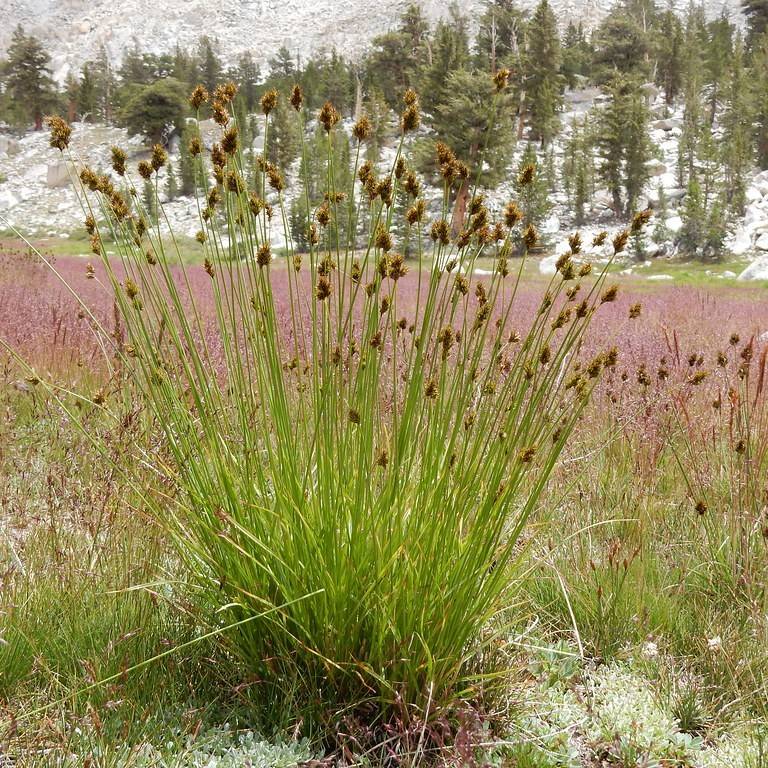
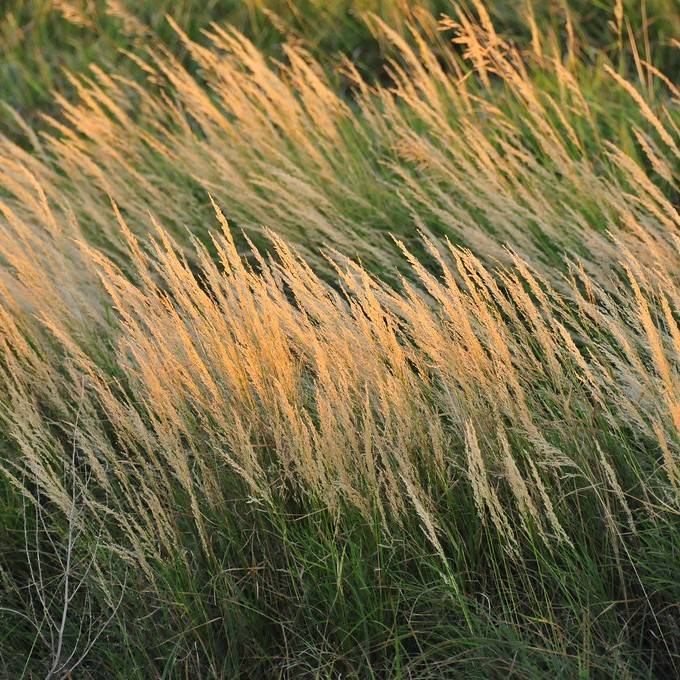
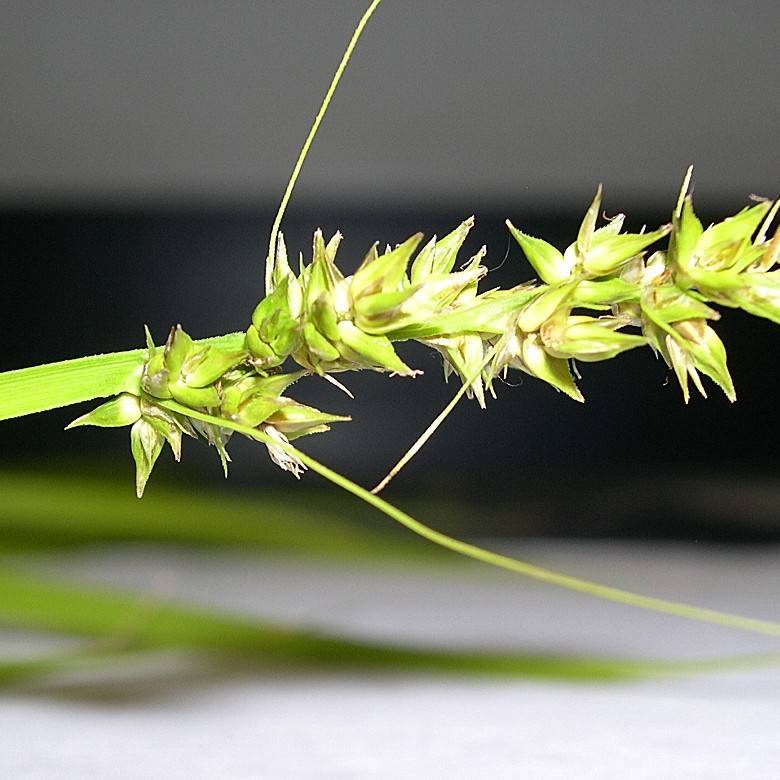
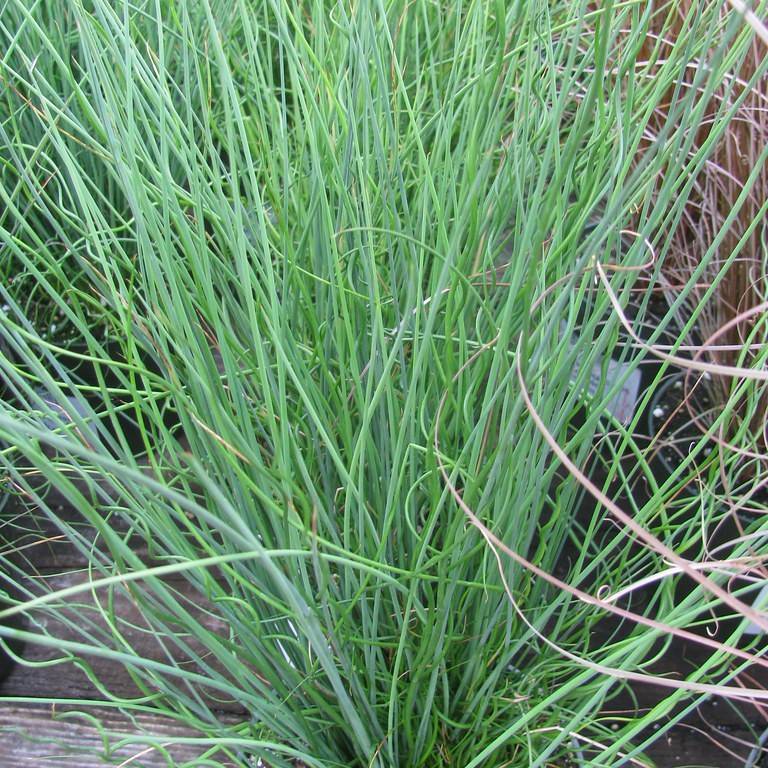
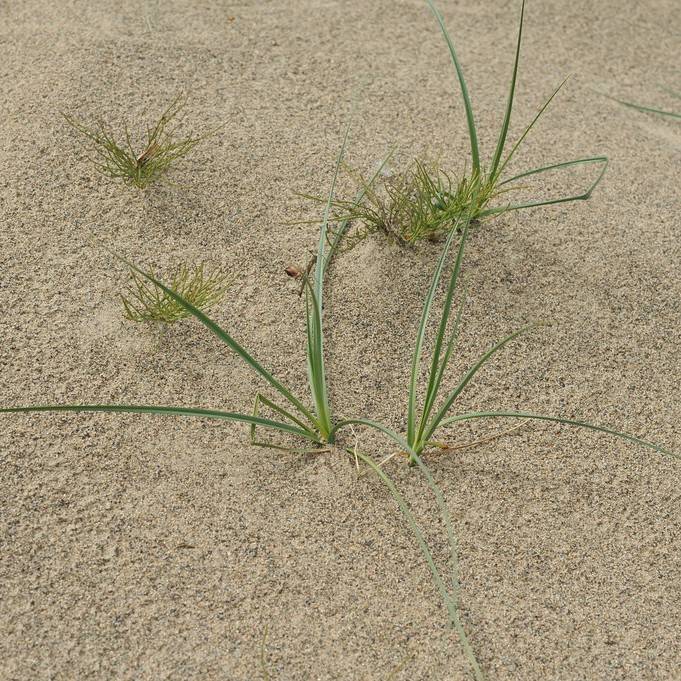
Baikal Sedge is a rhizomatous perennial sedge that forms dense, fountain-like clumps of narrow, bright green foliage that gently arch toward the ground. It is adapted to the harsh, cold climates of its native Eurasian range, tolerating freezing winters and a range of moist soil conditions. In late spring to early summer, it produces inconspicuous brownish flower spikes that blend subtly with its foliage, adding textural interest rather than bold floral color.
Care Guide
Watering
Baikal Sedge prefers consistently moist soil and tolerates periodic shallow flooding, making it well suited to rain gardens or pond edges. Water regularly during the growing season to prevent the soil from drying out completely, reducing frequency in winter when the plant is dormant. It can tolerate short periods of drought once established, but prolonged dryness will cause foliage browning.
Light
This sedge thrives in full sun to partial shade, with the best foliage color and densest growth achieved in locations that receive at least four hours of direct sunlight daily. In extremely hot, arid climates, provide afternoon shade to prevent foliage scorch and reduce moisture loss from the soil. It can adapt to full shade, though growth will be sparser and less vigorous.
Soil
Baikal Sedge is adaptable to a wide range of soil types, including sandy, loamy, and clay soils, as long as moisture is consistent. It tolerates acidic to slightly alkaline pH levels, and can even grow in poorly drained, waterlogged soils that many other ornamental plants cannot survive. For potted specimens, use a rich, moisture-retentive potting mix with added organic matter to support healthy root growth.
Fertilizer
This low-maintenance plant requires minimal fertilization, thriving even in nutrient-poor native soils. If growth appears weak, apply a balanced, slow-release granular fertilizer in early spring as new growth emerges, taking care not to overfeed which can cause floppy, sparse foliage. Avoid high-nitrogen fertilizers, as these can promote excessive leaf growth at the expense of the plant’s natural clumping form.
Temperature
Baikal Sedge is exceptionally cold hardy, tolerating winter temperatures as low as -40°F (-40°C) and thriving in USDA hardiness zones 3 through 8. It prefers cool summer temperatures, and may struggle in regions with sustained heat above 90°F (32°C) without additional shade and watering. In mild winter climates, it remains evergreen, while in colder regions it dies back to the ground and regrows in spring.
Pruning
Prune Baikal Sedge once annually in late winter or early spring, before new growth emerges, cutting back all dead foliage to within a few inches of the ground to make way for fresh, bright green leaves. Remove any damaged, yellowed, or floppy stems throughout the growing season to maintain the plant’s tidy, clumping form. It does not require frequent deadheading, as its small flower spikes are not obtrusive and will naturally drop off once mature.
Propagation
Baikal Sedge is most easily propagated by division in early spring or late fall, when the plant is not actively growing. Dig up mature clumps, carefully separate the root mass into smaller sections each with a healthy portion of rhizomes and foliage, and replant immediately at the same depth as the original plant. It can also be grown from seed sown directly in the garden in fall or cold-stratified for 60 days before spring sowing, though division yields faster, more consistent results.
Humidity
This sedge adapts well to a wide range of humidity levels, thriving in the moderate to high humidity of its native wetland habitats as well as drier continental climates. In very dry indoor or arid outdoor settings, occasional misting or placement near a water source can help prevent leaf tip browning, though it is generally tolerant of low humidity once established. Avoid placing it in areas with constant, drying wind, which can cause excessive moisture loss from foliage.
Repotting
Potted Baikal Sedge should be repotted every 2 to 3 years in early spring, when it outgrows its current container or the soil becomes depleted. Choose a pot with adequate drainage holes, and use a moisture-retentive, loamy potting mix amended with compost to support healthy root growth. When repotting, gently loosen crowded root systems and divide large clumps if desired to create new plants, before placing in the new container at the same soil depth as before.
Uses & Symbolism
Baikal Sedge is widely used as an ornamental ground cover in native plant gardens, rain gardens, and pond edge plantings, where its dense root system helps stabilize soil and prevent erosion. It is also planted in meadow and wildlife gardens, as its foliage provides cover for small ground-dwelling animals and its seeds are a food source for birds and small mammals. Its fine, arching foliage makes it a popular textural accent in container gardens and mixed perennial borders, particularly in cool-climate regions.
Diseases & Pests
Baikal Sedge is largely pest and disease resistant, with few common issues when grown in its preferred moist, well-aerated conditions. Overly wet, stagnant soil can lead to root rot and fungal leaf spot, which can be prevented by ensuring proper drainage and avoiding overhead watering in cool, cloudy weather. Occasional aphids or spider mites may infest stressed plants, which can be treated with insecticidal soap or a strong spray of water to dislodge the pests.
Related plants
Other plants you might like if you grow Baikal Sedge.