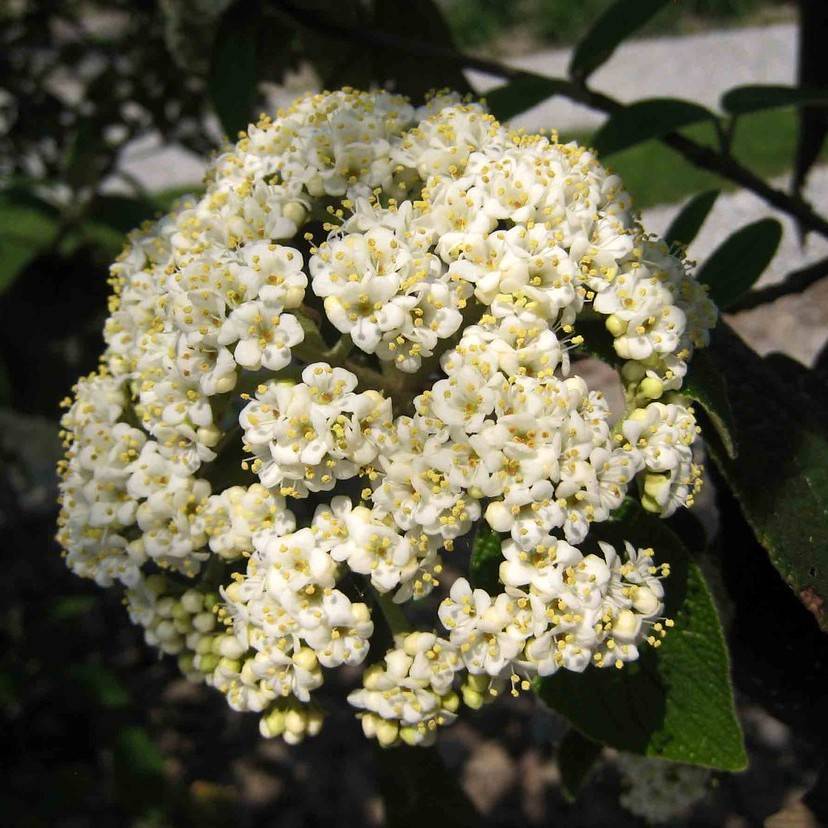
Lantanaphyllum Viburnum
Viburnum rhytidophyllum 'Lanatanaphyllum'
Overview
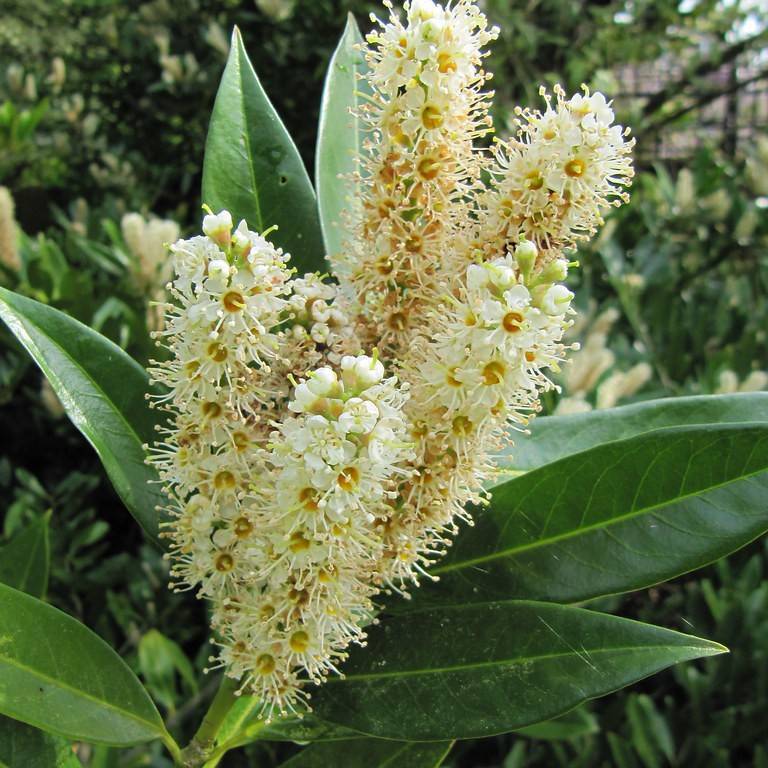
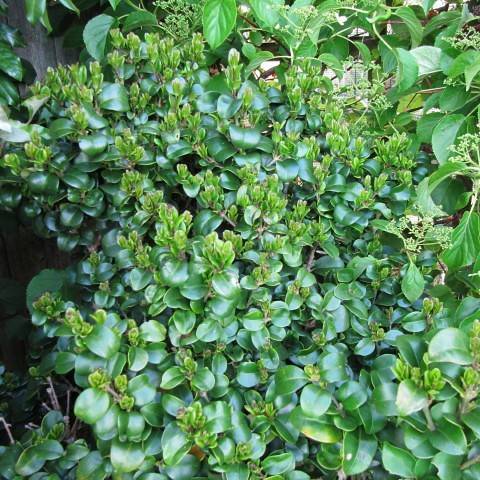
Lantanaphyllum Viburnum is a popular cultivar of the leatherleaf viburnum, valued for its thick, wrinkled, dark green leaves that retain their color year-round in mild climates. In late spring, it produces dense clusters of small, creamy white, pleasantly fragrant flowers that draw pollinators including bees and butterflies. By late summer, the blooms give way to clusters of red berries that ripen to glossy black in fall, providing food for native bird species through the colder months. It is a low-maintenance, cold-hardy shrub well-suited to hedges, screening, and mixed shrub borders in temperate landscapes.
Care Guide
Watering
Water newly planted Lantanaphyllum Viburnum deeply 1-2 times per week for the first growing season to establish a robust root system, reducing frequency once established. Mature shrubs are moderately drought tolerant, requiring supplemental water only during extended periods of heat or drought to prevent leaf drop. Avoid overwatering or planting in waterlogged sites, as this can lead to root rot.
Light
This viburnum thrives in full sun to partial shade, with at least 4 hours of direct sunlight daily to support abundant flowering and dense foliage growth. In regions with extremely hot, intense summer sun, it benefits from light afternoon shade to prevent leaf scorch. It can tolerate full shade, though flowering will be reduced and growth may become more open and leggy.
Soil
Lantanaphyllum Viburnum adapts to a wide range of soil types, including loam, clay, and sandy soils, as long as the site has good drainage. It prefers a slightly acidic to neutral pH between 5.5 and 7.0, though it can tolerate mildly alkaline conditions as well. Amending planting sites with organic matter such as compost or well-rotted manure will improve soil structure and support healthier initial growth.
Fertilizer
Feed established shrubs in early spring before new growth emerges with a balanced, slow-release granular fertilizer formulated for woody landscape plants. Avoid high-nitrogen fertilizers, as these can promote excessive foliage growth at the expense of flowers and berry production. A light top-dressing of compost in fall can also supply nutrients without risking over-fertilization.
Temperature
This viburnum is cold hardy in USDA zones 5 through 8, tolerating winter temperatures as low as -20°F (-29°C) without significant damage. In the coldest parts of its range, a 2-3 inch layer of mulch around the base in fall will protect roots from extreme temperature fluctuations. It tolerates summer heat well, though prolonged temperatures above 95°F (35°C) may cause temporary leaf wilting that resolves with cooler conditions or supplemental water.
Pruning
Prune Lantanaphyllum Viburnum immediately after flowering finishes in late spring, as it blooms on old wood from the previous year’s growth. Remove any dead, damaged, or crossing branches to improve air circulation and maintain a tidy shape, and thin up to one-third of older stems every 2-3 years to encourage fresh, vigorous new growth. Avoid heavy pruning in fall or winter, as this will remove the following year’s flower buds and reduce bloom display.
Propagation
The most reliable method for home gardeners to propagate Lantanaphyllum Viburnum is via softwood cuttings taken in early summer, from new growth that has just begun to harden. Dip cut ends in rooting hormone, place in a moist, well-draining rooting medium, and keep under high humidity with indirect light until roots develop in 4-8 weeks. It can also be grown from seed, but seeds require 18-24 months of cold stratification to germinate, and cultivars will not grow true to type from seed.
Humidity
Lantanaphyllum Viburnum adapts well to average ambient humidity levels in its growing zones, ranging from 40% to 70% relative humidity. It tolerates both moderately dry air and higher humidity common in southeastern U.S. landscapes without issue. Very high humidity combined with poor air circulation may increase risk of foliar fungal diseases, so ensure plants are spaced appropriately to allow airflow around foliage.
Repotting
Lantanaphyllum Viburnum is almost exclusively grown in landscape settings rather than containers, so repotting is rarely required. If grown in a large container for patio use, repot every 2-3 years in early spring before new growth starts, using a high-quality, well-draining potting mix. Choose a pot 2-3 inches larger in diameter than the current container, and ensure it has adequate drainage holes to prevent root rot.
Uses & Symbolism
Lantanaphyllum Viburnum is most commonly planted as a hedge, privacy screen, or windbreak in temperate landscapes, thanks to its dense, evergreen foliage and fast growth rate. It is also a popular addition to pollinator and wildlife gardens, as its flowers support native bees and butterflies, and its fall berries provide a food source for songbirds through winter. Its textured foliage and seasonal interest make it a suitable specimen plant for mixed shrub borders or foundation plantings around residential properties.
Diseases & Pests
Lantanaphyllum Viburnum is relatively pest and disease resistant, but may be susceptible to aphids, spider mites, and scale insects, which can be controlled with horticultural oil or insecticidal soap if infestations become severe. Fungal diseases including powdery mildew, leaf spot, and root rot can occur in poorly drained sites or during periods of prolonged high humidity, especially if plants have poor air circulation. Viburnum leaf beetle is a potential pest in some regions; larvae and adults feed on foliage, and heavy infestations can defoliate shrubs if not treated with appropriate insecticides in early spring.
Related plants
Other plants you might like if you grow Lantanaphyllum Viburnum.