Cypress
Cupressus sempervirens
Overview
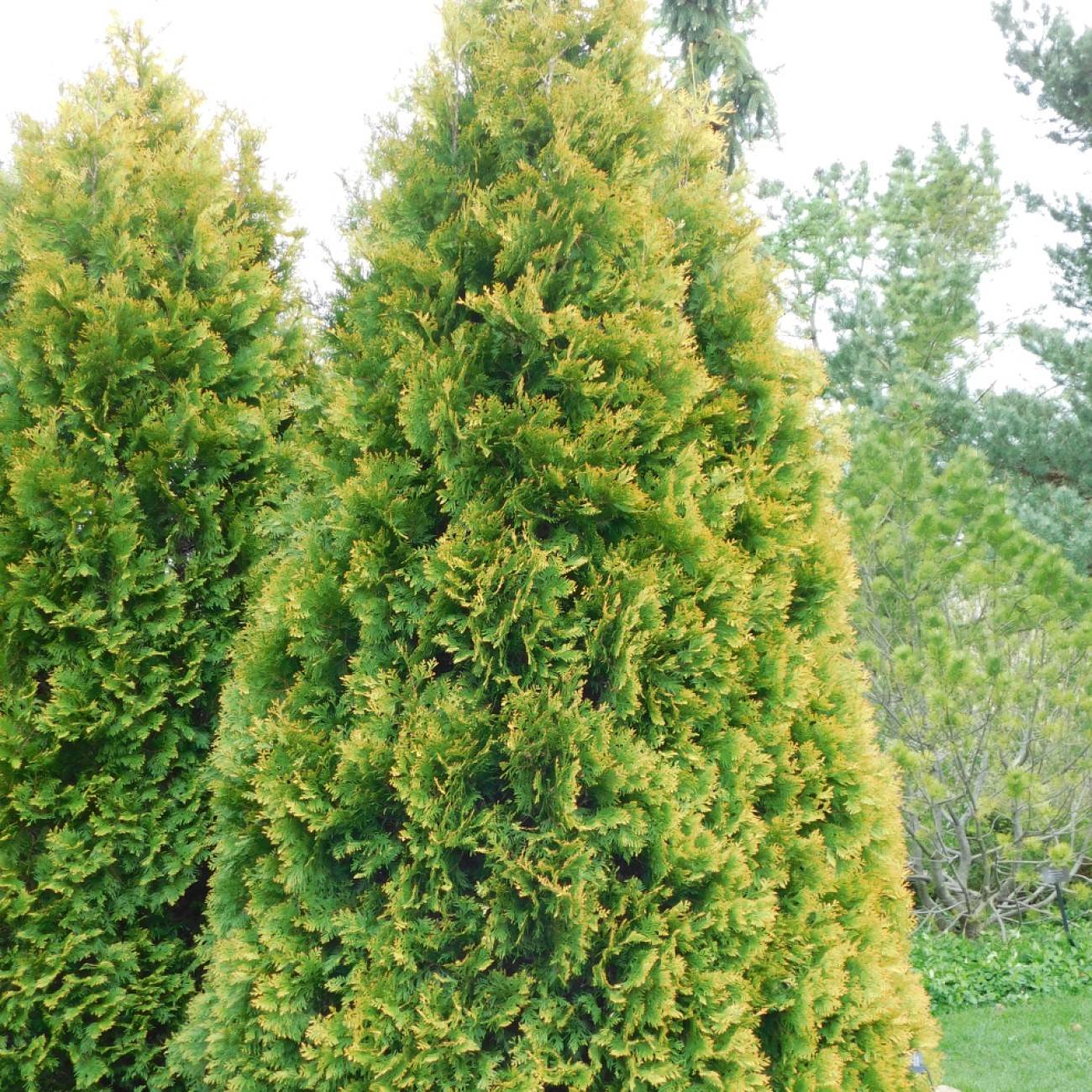
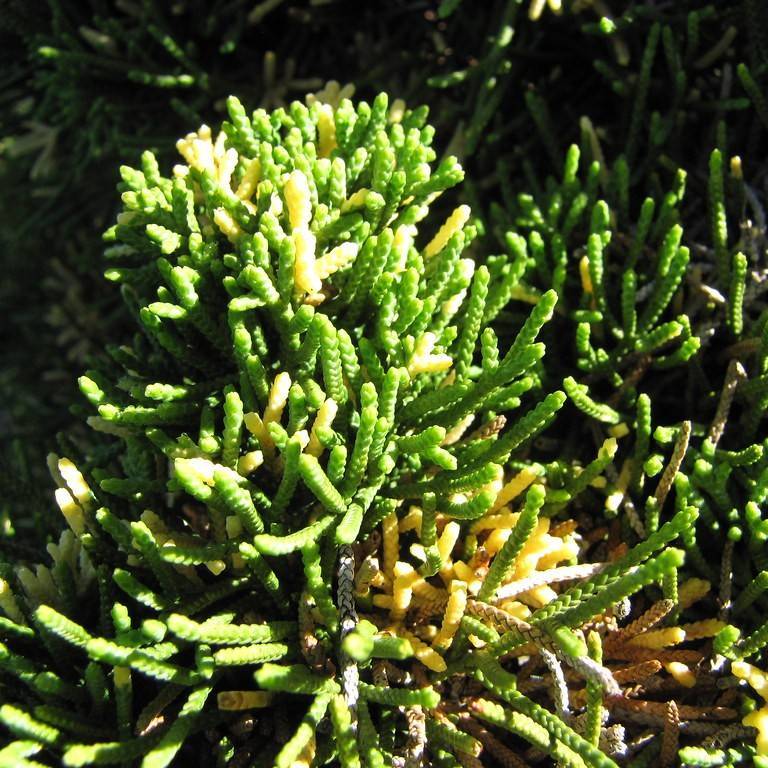
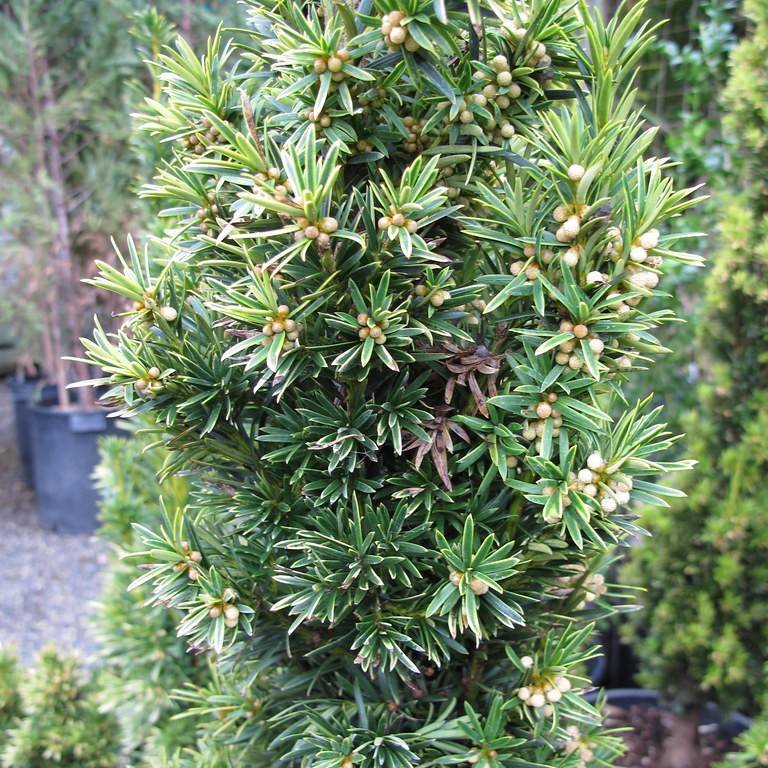
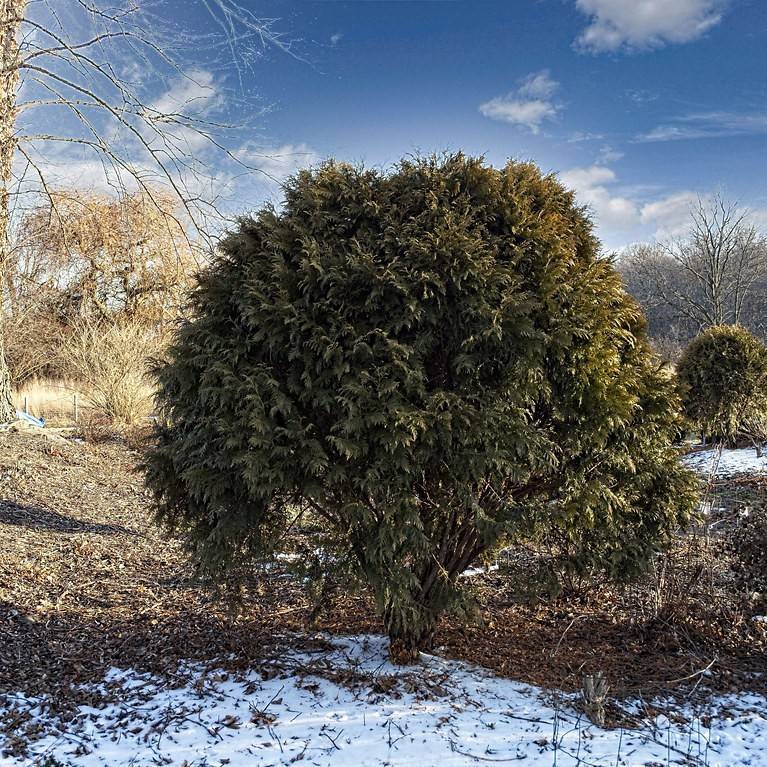
Cypress is a drought-tolerant evergreen conifer recognized for its stiff, upright branching structure and small, scale-like dark green foliage that retains its color year-round. It produces small, round woody cones that mature in 1-2 years, releasing tiny seeds when fully ripe. Many specimens live for hundreds of years, with some ancient Mediterranean individuals documented to be over 1,000 years old. Its distinctive shape makes it a popular choice for formal hedges, windbreaks, and Mediterranean-style landscape designs.
Care Guide
Watering
Water young cypress trees regularly for the first 2-3 years to establish deep root systems, allowing the top 2-3 inches of soil to dry out between waterings. Mature specimens are highly drought-tolerant, only requiring supplemental water during extended periods of extreme heat or drought. Avoid overwatering, as saturated soil can lead to root rot and fungal disease.
Light
Cypress thrives in full, direct sunlight, requiring a minimum of 6 hours of unobstructed sun per day to maintain its dense, upright growth habit. It can tolerate partial shade, but insufficient light will cause sparse foliage and a looser, less symmetrical shape. Plant in an open, south-facing location for best performance in temperate climates.
Soil
This conifer adapts to a wide range of soil types, including sandy, loam, and clay soils, as long as the site has excellent drainage. It prefers a slightly acidic to neutral pH range of 6.0 to 7.5, but can tolerate mildly alkaline conditions as well. Heavy, poorly draining soils should be amended with coarse sand or gravel to improve drainage before planting.
Fertilizer
Fertilize young cypress trees once annually in early spring with a balanced, slow-release 10-10-10 fertilizer to support healthy foliage and root growth. Mature specimens rarely need supplemental feeding, as they can extract sufficient nutrients from surrounding soil. Avoid fertilizing in late summer or fall, as new growth produced at this time may be damaged by cold winter temperatures.
Temperature
Cypress grows best in USDA hardiness zones 7 through 10, tolerating minimum temperatures down to 0°F (-18°C) once fully established. It thrives in warm, dry summer conditions, and is highly tolerant of coastal salt spray and high wind exposure. Young trees may require winter protection, such as burlap wrapping, in regions with frequent heavy frost or cold, drying winds.
Pruning
Prune cypress in late winter or early spring before new growth emerges to shape the tree, remove dead or damaged branches, and maintain desired size. Avoid cutting back into old, bare wood, as cypress does not produce new growth on wood that has lost all its foliage. Light shearing of formal hedges can be done 1-2 times per growing season to keep the shape neat and dense.
Propagation
Cypress is most commonly propagated from semi-hardwood cuttings taken in late summer or early fall, treated with rooting hormone and placed in a well-draining propagating mix under mist or high humidity. It can also be grown from seed, though seeds require 30-90 days of cold stratification to break dormancy, and seed-grown plants may not retain the exact growth habit of the parent cultivar. Grafting is sometimes used for rare or specialized cultivars to ensure consistent traits.
Humidity
Cypress prefers moderate to low humidity levels, and is well-adapted to dry Mediterranean and arid climates. It can tolerate average indoor humidity if grown as a potted specimen, but prolonged high humidity combined with poor air circulation increases the risk of fungal leaf spot and blight. Ensure good air movement around the tree to reduce moisture-related issues in humid regions.
Repotting
Potted cypress specimens should be repotted every 2-3 years in early spring, before new growth begins, using a well-draining, sandy potting mix. Choose a container only 1-2 inches larger than the current root ball to avoid excess soil moisture retention. For bonsai cypress, repot annually to prune roots and maintain soil health, trimming up to 1/3 of the root mass during each repotting cycle.
Uses & Symbolism
Cypress is widely planted as an ornamental landscape tree for formal hedges, privacy screens, windbreaks, and accent plantings in Mediterranean, xeriscape, and formal garden designs. Its dense, rot-resistant, fragrant wood is used for construction, furniture, fence posts, and crafting decorative items, while its foliage and essential oils are used in traditional medicine and aromatherapy. It is also a popular choice for bonsai cultivation, thanks to its small foliage and responsive pruning tolerance.
Diseases & Pests
Cypress is susceptible to cypress canker, a fungal disease that causes branch dieback, oozing lesions, and eventual tree death, spread through wind-blown spores and pruning wounds. Common pests include cypress aphids, spider mites, and scale insects, which suck sap from foliage, causing yellowing, leaf drop, and stunted growth. Root rot can occur in poorly draining soils, leading to wilting, discolored foliage, and premature death if drainage is not improved quickly.
Related plants
Other plants you might like if you grow Cypress.