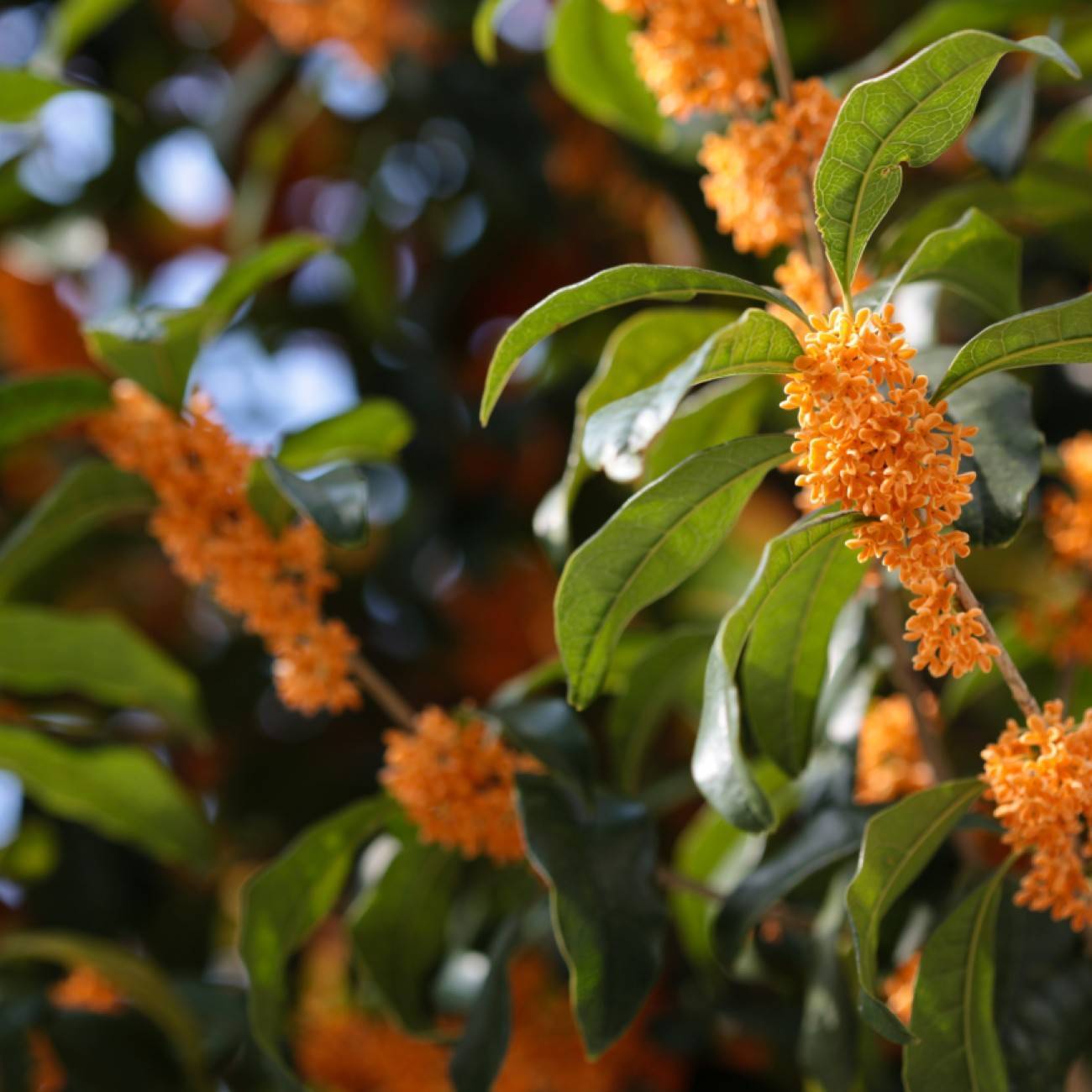
Fragrant Tea Olive
Osmanthus fragrans
Overview
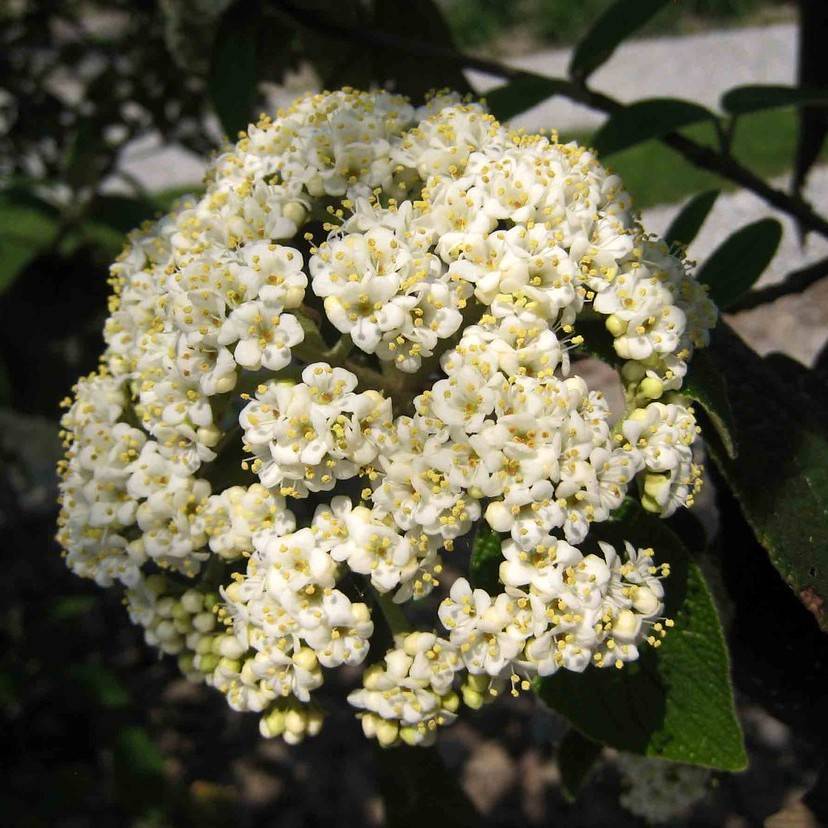
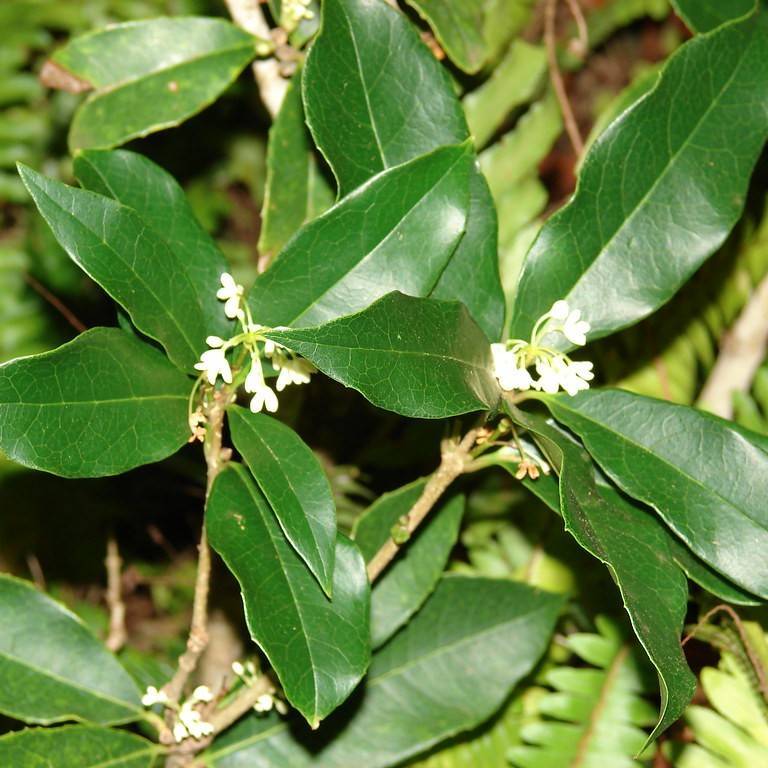
Fragrant Tea Olive, also called sweet osmanthus, is a slow-growing evergreen with glossy, dark green, oval leaves that retain their lush appearance year-round. Its tiny, clustered blooms appear in fall, and sometimes again in spring, emitting a rich, apricot-like scent that can be detected from dozens of feet away. It is widely cultivated in warm temperate and subtropical regions as a landscape specimen, screen, or container plant, and holds cultural significance in China as a symbol of prosperity and love.
Care Guide
Watering
Water regularly during the first two years of growth to establish a deep root system, keeping soil consistently moist but not waterlogged. Mature plants are moderately drought tolerant, requiring supplemental water only during extended dry periods; reduce watering for potted specimens in winter. Avoid overhead watering to prevent leaf spot, directing water to the base of the plant instead.
Light
Grow in full sun to partial shade, with at least four hours of direct sunlight daily to encourage abundant blooming. In regions with intense, scorching summer sun, provide afternoon shade to prevent leaf burn. Indoor potted plants thrive in bright, indirect light near a south or west-facing window.
Soil
Prefers well-drained, loamy, slightly acidic soil with a pH between 5.5 and 6.5. Heavy clay soils should be amended with compost or peat moss to improve drainage before planting, as soggy soil will cause root rot. Potted plants grow best in a high-quality, acidic potting mix formulated for azaleas or camellias.
Fertilizer
Feed in early spring before new growth emerges using a slow-release, acidic fertilizer designed for broadleaf evergreens, such as an azalea or camellia blend. Apply a second light feeding in early summer to support bloom development, but avoid fertilizing after mid-summer, as this can stimulate tender new growth susceptible to cold damage. Indoor potted plants can be fertilized once every two months during the growing season with a diluted liquid acidic fertilizer.
Temperature
Thrives in temperatures between 60-80°F (15-27°C), and is hardy in USDA zones 7 to 10, tolerating short dips down to 10°F (-12°C) when established. In zones cooler than 7, grow in containers that can be moved indoors before the first frost, avoiding placement near cold drafts or heating vents. Sudden temperature fluctuations can cause leaf drop, so acclimate plants gradually when moving them between indoor and outdoor spaces.
Pruning
Prune lightly after blooming finishes in fall to shape the plant, remove dead or crossing branches, and maintain desired size. Avoid heavy pruning, as this can reduce blooming the following year by cutting off wood that would produce flower buds. For potted indoor plants, trim back overly long shoots in early spring to encourage bushier, more compact growth.
Propagation
Most commonly propagated from semi-hardwood cuttings taken in late summer or early fall, using rooting hormone to encourage root development and keeping cuttings in warm, humid conditions until roots form in 2-3 months. It can also be grown from fresh seed, but seed-grown plants may take 5-10 years to bloom and do not always retain the fragrance or flower color of the parent plant. Grafting onto hardy Osmanthus rootstock is often used for commercial production to ensure consistent bloom traits.
Humidity
Adaptable to average outdoor humidity levels between 40-60%, which is sufficient for healthy growth. Indoor potted plants benefit from occasional misting during dry winter months, or placement on a pebble tray filled with water to raise ambient humidity around the foliage. Low indoor humidity can cause leaf browning at the tips, so avoid placing plants near forced air heating vents.
Repotting
Potted fragrant tea olive plants need repotting every 2-3 years in early spring before new growth starts, moving to a container just one size larger than the current one to prevent overwatering. Use fresh acidic potting mix during repotting, and gently loosen tangled roots to encourage new growth. For mature plants that have reached their desired size, repot every 3-4 years, trimming back a portion of the root ball and returning it to the same container to restrict growth.
Uses & Symbolism
Its intensely fragrant blooms are used in East Asia to flavor teas, wines, jams, and desserts, as well as to make perfumes and traditional herbal remedies for coughs and skin inflammation. As a landscape plant, it serves as an excellent privacy screen, hedge, or specimen planting near patios or entryways where its fragrance can be fully enjoyed, and its evergreen foliage provides year-round visual interest. Potted specimens make fragrant, low-maintenance indoor plants for bright spaces, bringing a subtle, long-lasting scent to interior areas during bloom periods.
Diseases & Pests
It is relatively pest and disease resistant, but can be affected by scale insects, aphids, and spider mites, which suck sap from leaves and cause yellowing or stunted growth; these can be controlled with horticultural oil or insecticidal soap. Overwatered or poorly drained plants are susceptible to root rot, which causes wilting, leaf drop, and eventual death if not corrected by improving drainage and reducing watering. Fungal leaf spot can occur in humid, poorly ventilated conditions, presenting as brown spots on foliage; this can be managed by removing affected leaves, improving air circulation, and avoiding overhead watering.
Related plants
Other plants you might like if you grow Fragrant Tea Olive.