European Bladdernut
Staphylea pinnata
Overview
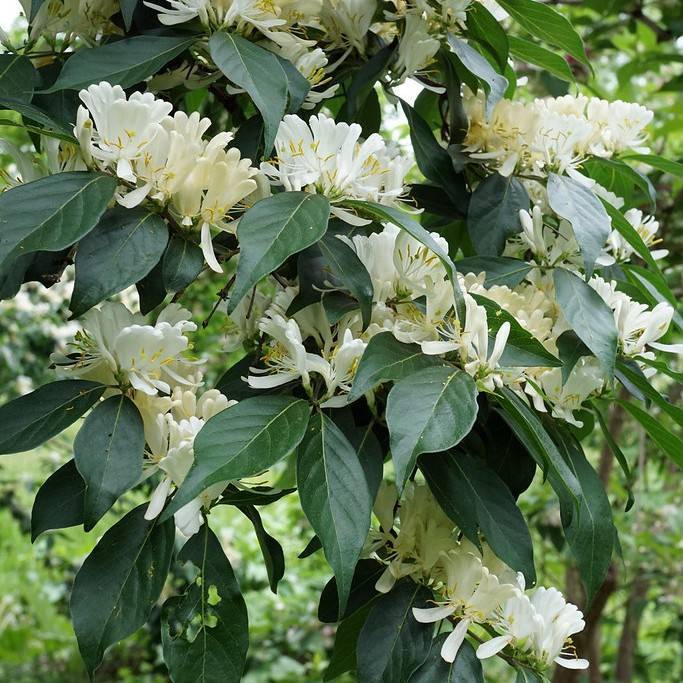
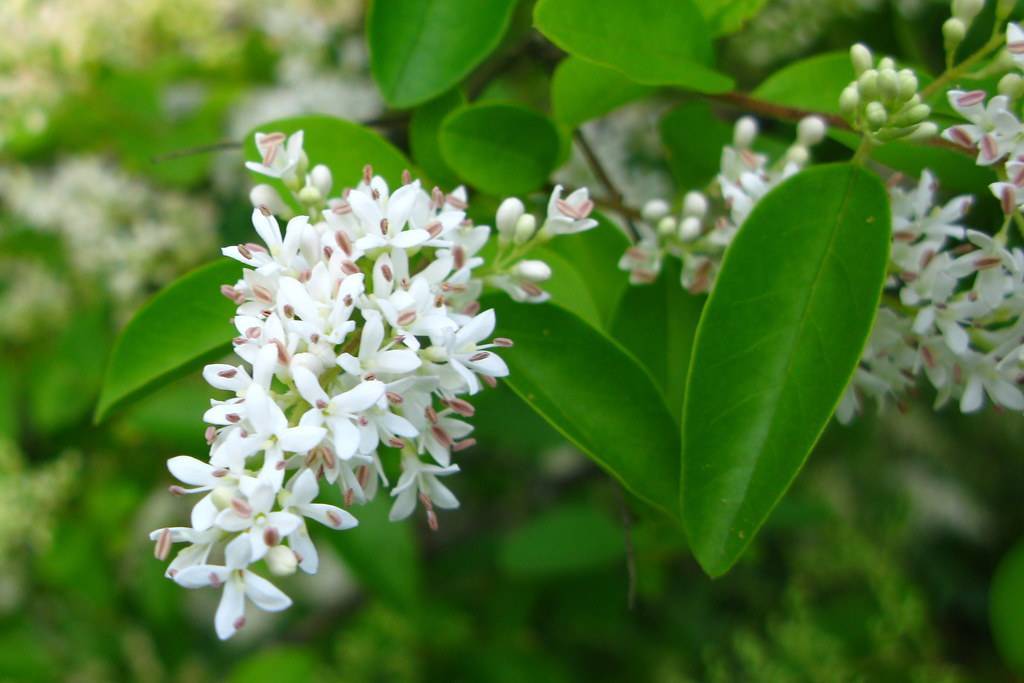
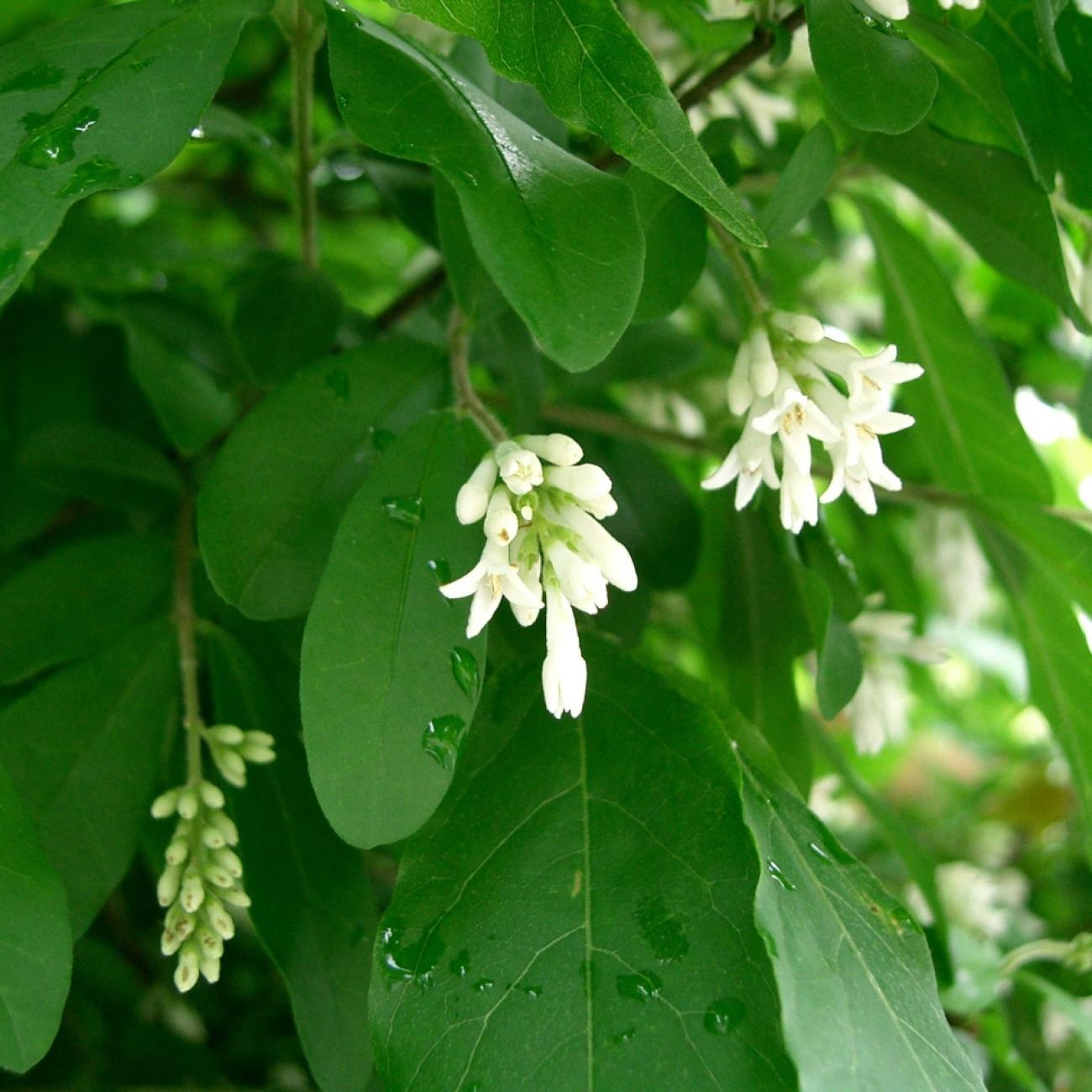
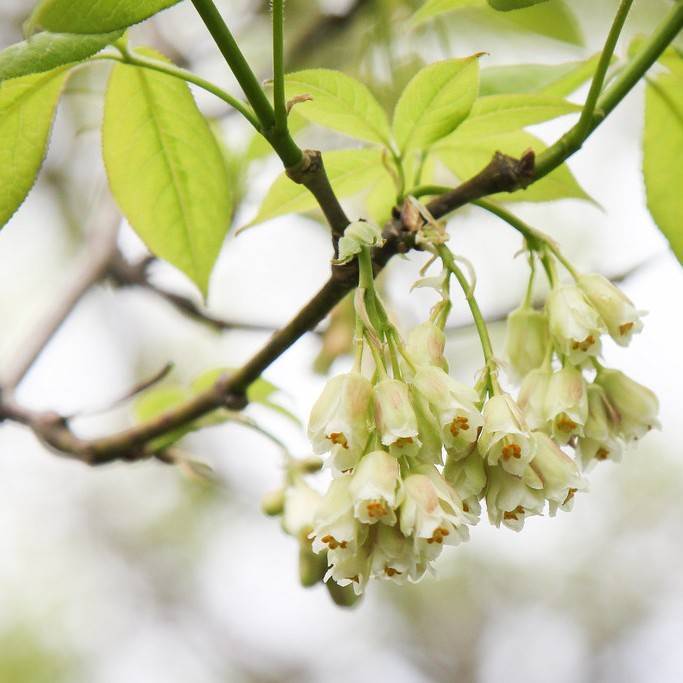
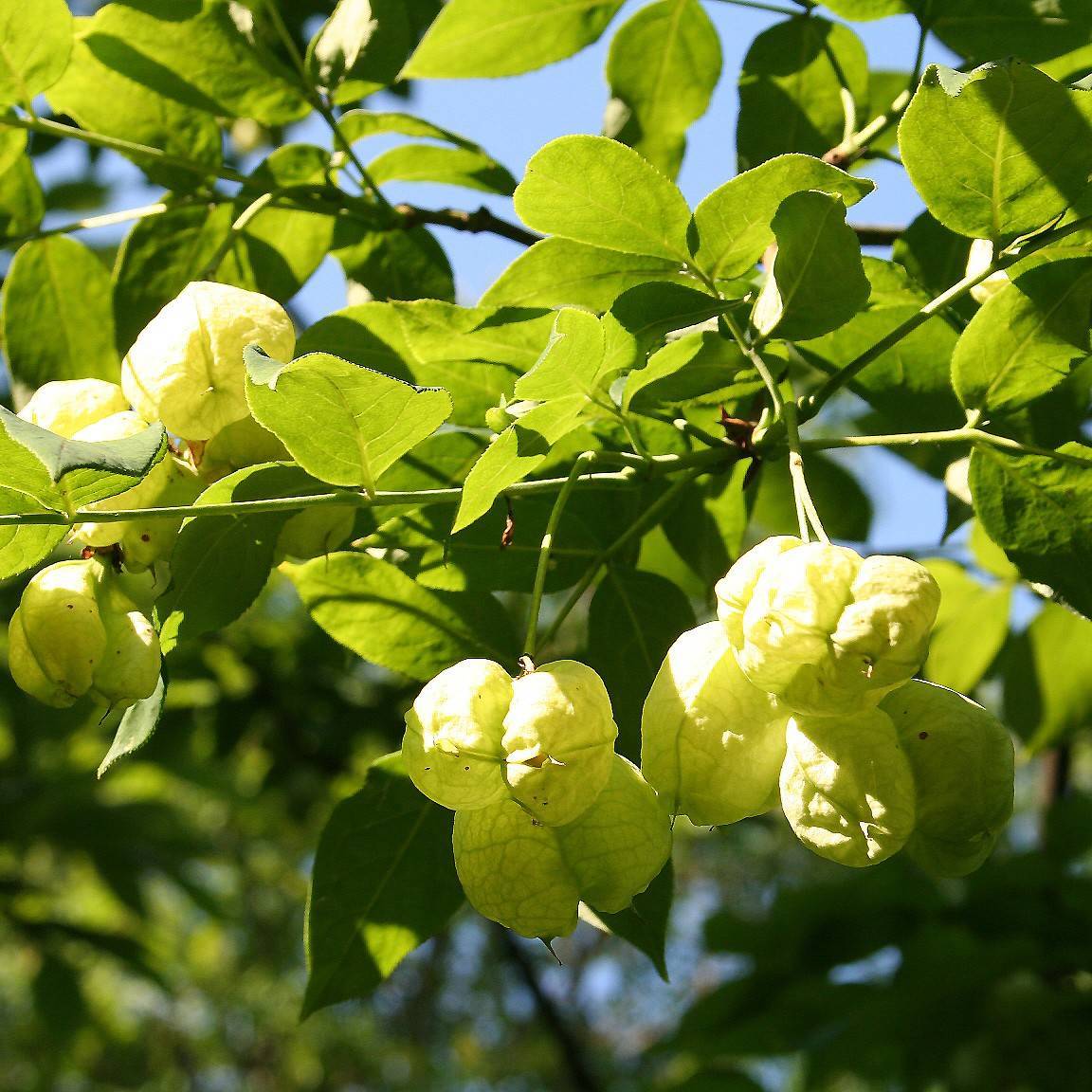
European Bladdernut is a multi-stemmed deciduous shrub with an upright, spreading growth habit, recognizable by its pinnate, serrated green leaves that turn pale yellow in autumn. In late spring, it produces drooping clusters of fragrant, bell-shaped white flowers that attract pollinators like bees and butterflies. After flowering, it develops unique, papery, three-lobed inflated seed pods that start pale green, ripen to brown, and hold small, hard seeds inside, adding seasonal interest through the cold months. It is widely grown as a low-maintenance ornamental in temperate gardens for its multi-season appeal and adaptability to a range of growing conditions.
Care Guide
Watering
Water European Bladdernut regularly during its first growing season to establish a deep, extensive root system, keeping the soil consistently moist but not waterlogged. Once established, it is moderately drought tolerant, only requiring supplemental watering during extended periods of hot, dry weather to prevent leaf drop. Reduce watering frequency in late autumn and winter as the plant enters dormancy, allowing the top few inches of soil to dry out between waterings.
Light
This shrub thrives in full sun to partial shade, with optimal growth and flowering occurring in locations that receive at least 4-6 hours of direct sunlight daily. In regions with very hot, intense summer sun, it benefits from light afternoon shade to prevent leaf scorch and reduce water stress. It can tolerate full shade, but flowering will be sparser and the plant may develop a looser, more open growth habit.
Soil
European Bladdernut adapts to a wide range of soil types, including sandy, loam, and clay soils, as long as the site has good drainage. It prefers a slightly acidic to neutral soil pH between 6.0 and 7.5, though it can tolerate mildly alkaline conditions as well. Amending heavy clay or poor sandy soils with organic matter like compost or well-rotted manure at planting time will improve soil structure and support healthier root growth.
Fertilizer
Feed established plants in early spring before new growth emerges with a balanced, slow-release granular fertilizer formulated for woody ornamental shrubs, applied according to package instructions. Avoid over-fertilizing, as excessive nitrogen can lead to lush foliage growth at the expense of flower and pod production. A light topdressing of compost or well-rotted manure around the base of the plant each autumn can also provide sufficient nutrients without the need for additional synthetic fertilizers.
Temperature
This species is cold hardy in USDA zones 4 through 8, tolerating winter temperatures as low as -30°F (-34°C) without significant damage. It prefers temperate climates with cool to cold winters, as it requires a period of winter dormancy to support healthy spring growth. Extreme summer heat above 90°F (32°C) may cause temporary leaf wilt, which usually resolves with adequate watering and light afternoon shade.
Pruning
Prune European Bladdernut in late winter or early spring while the plant is still dormant, removing any dead, damaged, or crossing branches to improve air circulation and maintain a tidy shape. Since it flowers on old wood from the previous year’s growth, avoid heavy pruning after new spring growth emerges, as this will cut off developing flower buds. Mature overgrown shrubs can be rejuvenated by cutting back up to one-third of the oldest stems to the ground every 2-3 years to encourage new, vigorous growth.
Propagation
The most reliable method of propagation for home gardeners is by softwood cuttings taken in early summer, using 4-6 inch long stem tips with leaves removed from the lower half, dipped in rooting hormone, and planted in a moist, well-draining rooting medium. It can also be grown from seed, though seeds require 3-4 months of cold stratification to break dormancy, and germination rates are often low and slow. Suckers that grow from the base of mature plants can also be dug up and transplanted in early spring or late autumn to create new specimens.
Humidity
European Bladdernut adapts well to average ambient humidity levels common in its native temperate range, typically between 40% and 60%, with no special humidity requirements. It can tolerate drier air conditions in well-watered plants, though prolonged very low humidity may cause leaf edge browning in young, newly planted specimens. Good air circulation around the foliage helps prevent fungal issues even in periods of higher humidity.
Repotting
European Bladdernut is almost exclusively grown in outdoor garden landscapes rather than containers, so repotting is rarely required. If grown temporarily in a large container for patio use, repot every 2-3 years in early spring before new growth starts, using a high-quality potting mix with added perlite or coarse sand to improve drainage. Choose a container that is at least 2 inches larger in diameter than the previous pot, and ensure it has adequate drainage holes to prevent root rot.
Uses & Symbolism
European Bladdernut is primarily grown as an ornamental shrub in temperate gardens, used in mixed borders, woodland gardens, or as a specimen plant for its attractive flowers, unique seed pods, and autumn foliage. Its dense, spreading growth habit also makes it suitable for use as a low, informal privacy hedge or screening plant in areas where full size evergreen hedges are not desired. Historically, the hard seeds inside the pods were used as beads for jewelry and rosaries in parts of Europe, and the plant has minor traditional medicinal uses for mild anti-inflammatory preparations, though these are not widely practiced today.
Diseases & Pests
European Bladdernut is relatively pest and disease resistant, with only occasional issues with aphids, spider mites, and scale insects that can be treated with insecticidal soap or horticultural oil. Fungal diseases such as powdery mildew and leaf spot may occur in conditions of poor air circulation and prolonged high humidity, which can be prevented by spacing plants appropriately and avoiding overhead watering. Root rot can develop in waterlogged, poorly drained soils, so proper site preparation with amended, well-draining soil is critical to avoid this potentially fatal issue.
Related plants
Other plants you might like if you grow European Bladdernut.