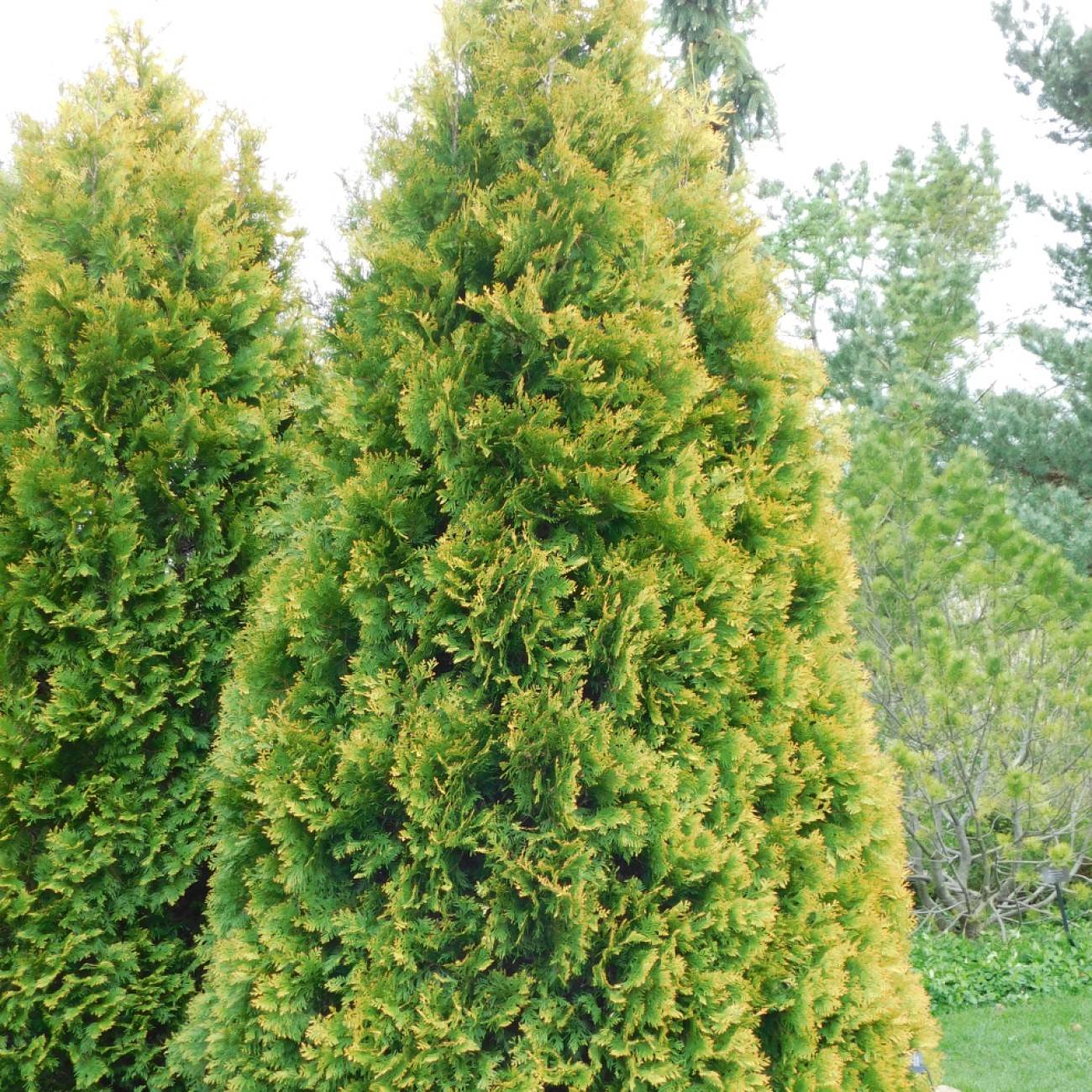
American Arborvitae
Thuja occidentalis
Overview
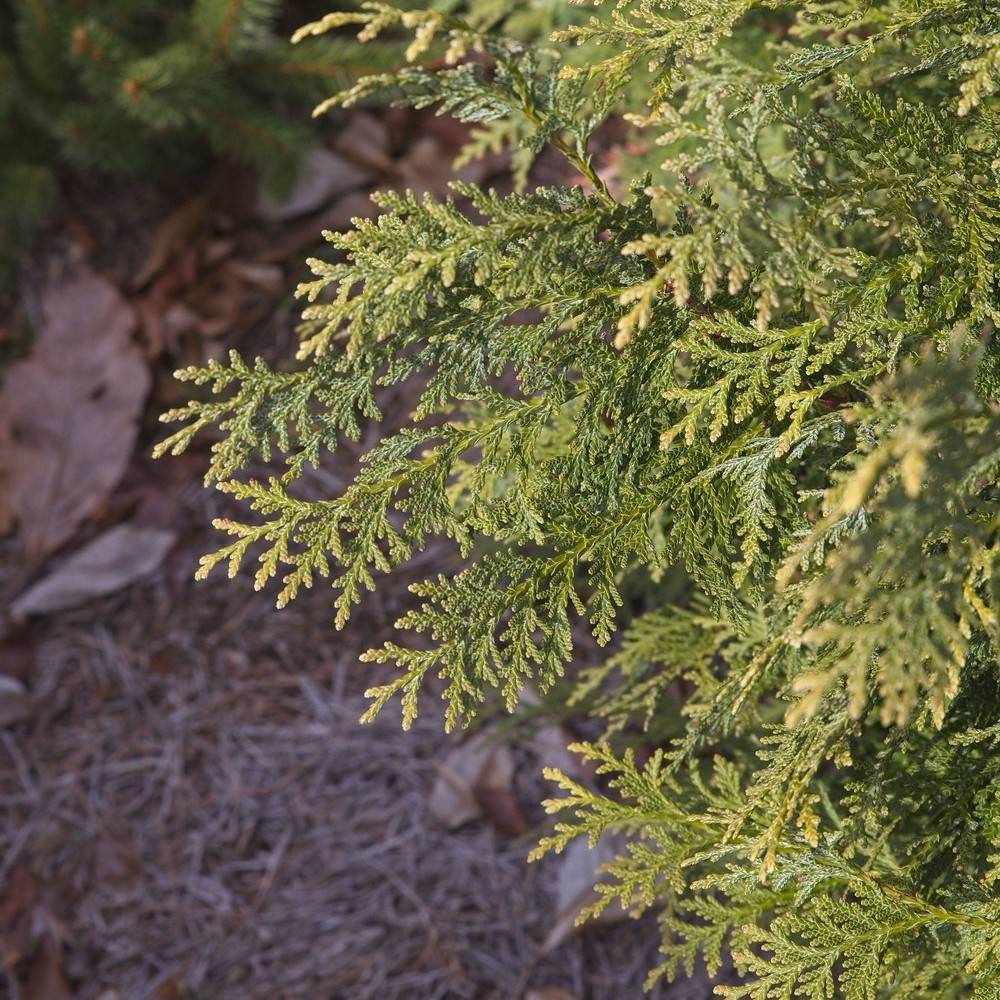
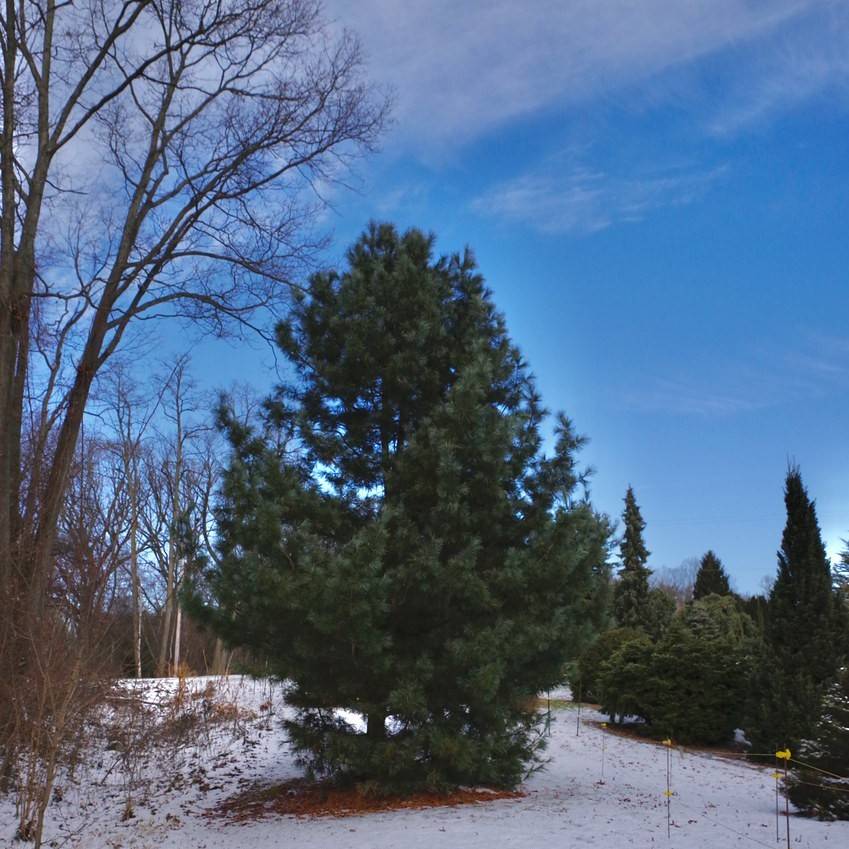
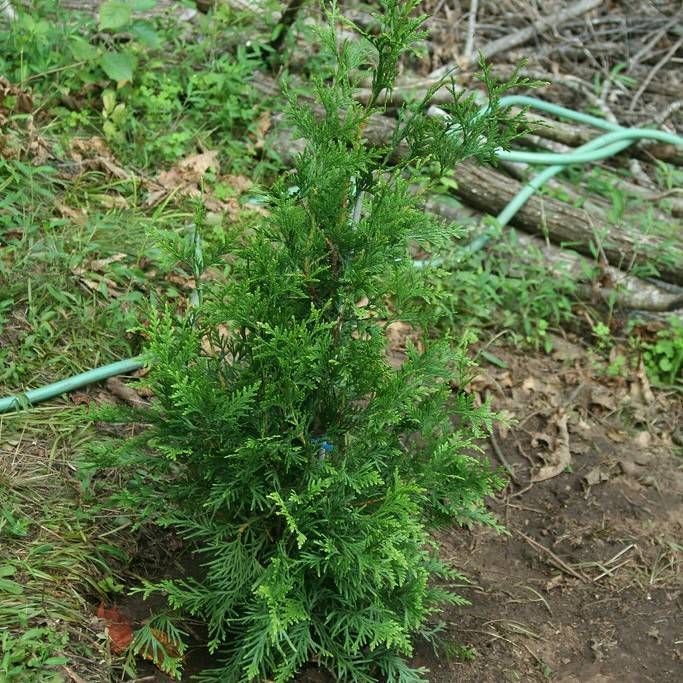
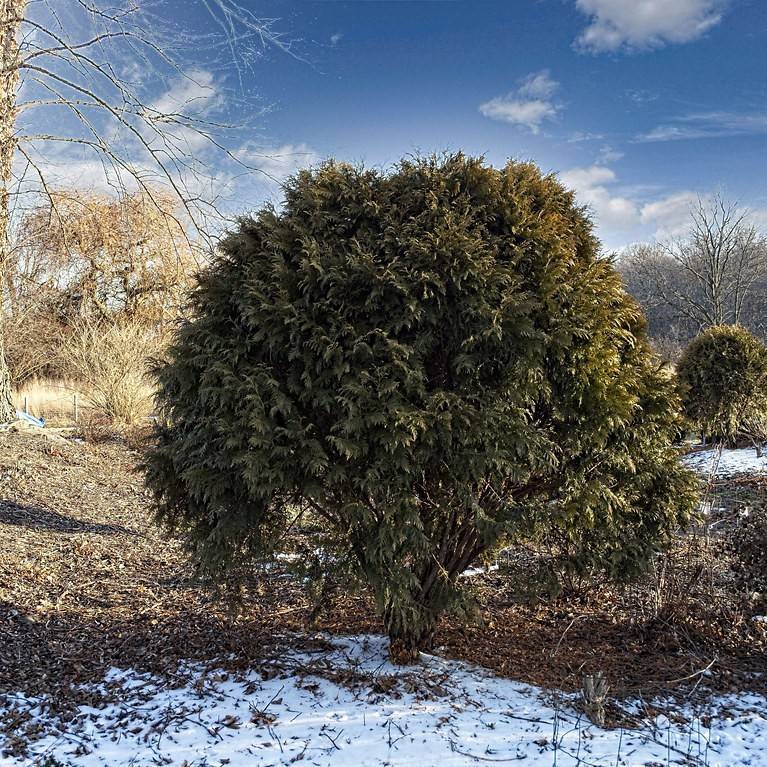
American Arborvitae, also called northern white cedar, is a long-lived conifer recognized for its flattened, fan-shaped foliage sprays and small, oblong cones that mature to a light brown color. It is one of the most popular landscaping conifers in temperate North America, valued for its adaptability, dense growth habit, and year-round green foliage. Wild specimens can live for more than 1,000 years in their native wetland and upland forest habitats, while cultivated varieties are bred for compact size, unique foliage colors, and narrow growth forms.
Care Guide
Watering
Water newly planted American Arborvitae deeply 1-2 times per week for the first growing season to establish a robust root system, keeping soil consistently moist but not waterlogged. Once established, it is moderately drought tolerant, though supplemental watering during extended dry periods prevents browning of foliage, especially in exposed locations. Avoid overwatering, as saturated soil can lead to root rot and fungal issues.
Light
Thrives in full sun, receiving at least 6 hours of direct, unfiltered sunlight daily for the densest, most lush foliage growth. It can tolerate partial shade, though growth will become sparser and the plant may develop a more open, leggy habit in low-light conditions. Too much shade also increases susceptibility to fungal diseases and pest infestations.
Soil
Adaptable to a wide range of soil types, including loam, sand, and clay, as long as the soil is well-draining. It prefers slightly acidic to neutral soil with a pH between 6.0 and 8.0, and can tolerate occasional wet conditions, making it suitable for low-lying areas that experience periodic moisture. Amend heavy clay soils with organic matter such as compost or peat moss at planting time to improve drainage and nutrient availability.
Fertilizer
Apply a balanced, slow-release evergreen fertilizer in early spring before new growth emerges, following label dosage instructions to avoid overfertilization, which can cause foliage burn and weak growth. Young, actively growing plants benefit from an annual feeding, while mature, established specimens only need fertilization every 2-3 years if growth is stunted or foliage appears pale. Avoid fertilizing late in the growing season, as new, tender growth may be damaged by early winter frosts.
Temperature
Grows best in USDA hardiness zones 3 to 7, tolerating winter temperatures as low as -40°F (-40°C) without significant damage when fully acclimated. It can withstand moderate summer heat, though extended periods of temperatures above 90°F (32°C) may cause foliage browning if paired with dry conditions. Protect young plants from harsh winter winds and heavy snow accumulation to prevent broken branches and winter burn.
Pruning
Prune in late winter to early spring before new growth begins to shape the plant, remove dead or damaged branches, and maintain desired size or hedge form. Avoid cutting back into old, bare wood, as American Arborvitae does not readily produce new growth from leafless woody stems, which can leave permanent bare patches. Light, selective trimming of new growth throughout the growing season can help maintain a dense, neat appearance without harming the plant.
Propagation
Most commonly propagated from semi-hardwood cuttings taken in late summer or early fall, using 4-6 inch (10-15 cm) stem cuttings from healthy, current-year growth that is just starting to harden. Dip cut ends in rooting hormone, place in a well-draining soilless medium, and keep under high humidity with indirect light until roots develop, which typically takes 3-6 months. It can also be grown from seed, though seed-grown plants may not retain the exact characteristics of the parent cultivar, and germination rates are often low.
Humidity
Adaptable to a wide range of humidity levels, thriving in the moderate to high humidity common in its native eastern North American range. It can tolerate average indoor humidity if grown as a potted specimen, though very dry air from heating or cooling systems may cause browning of foliage tips. Misting the foliage occasionally during periods of extremely low humidity can help prevent tip browning for potted indoor plants.
Repotting
Potted American Arborvitae specimens, especially dwarf varieties, should be repotted every 2-3 years in early spring before new growth starts, moving to a container 1-2 inches larger than the current one with ample drainage holes. Use a well-draining potting mix formulated for evergreens or conifers, combining regular potting soil with perlite or pine bark to improve drainage. Avoid disturbing the root ball excessively during repotting, and water thoroughly after transplanting to settle the soil around the roots.
Uses & Symbolism
American Arborvitae is one of the most widely planted landscape trees for privacy hedges, windbreaks, and property screening, thanks to its dense, evergreen foliage and ability to tolerate frequent shearing. Dwarf and compact cultivars are popular for foundation plantings, rock gardens, and container use, while the lightweight, decay-resistant wood of wild specimens is traditionally used for fence posts, canoe construction, and outdoor building materials. Historically, Indigenous peoples of North America used its foliage and bark for medicinal purposes to treat coughs, fevers, and skin conditions, and it is still used occasionally in herbal preparations today, though its toxic compounds require careful handling.
Diseases & Pests
The most common diseases affecting American Arborvitae are fungal blights, including tip blight and needle blight, which cause browning and dieback of foliage tips, especially in wet, humid conditions with poor air circulation. It is also susceptible to root rot in poorly drained, waterlogged soil, which causes gradual yellowing of foliage, stunted growth, and eventual plant death if not corrected. Common pests include bagworms, spider mites, and arborvitae leafminers, which feed on foliage, cause discoloration, and can lead to significant defoliation if infestations are left untreated.
Related plants
Other plants you might like if you grow American Arborvitae.