Japanese Ternstroemia
Ternstroemia gymnanthera
Overview
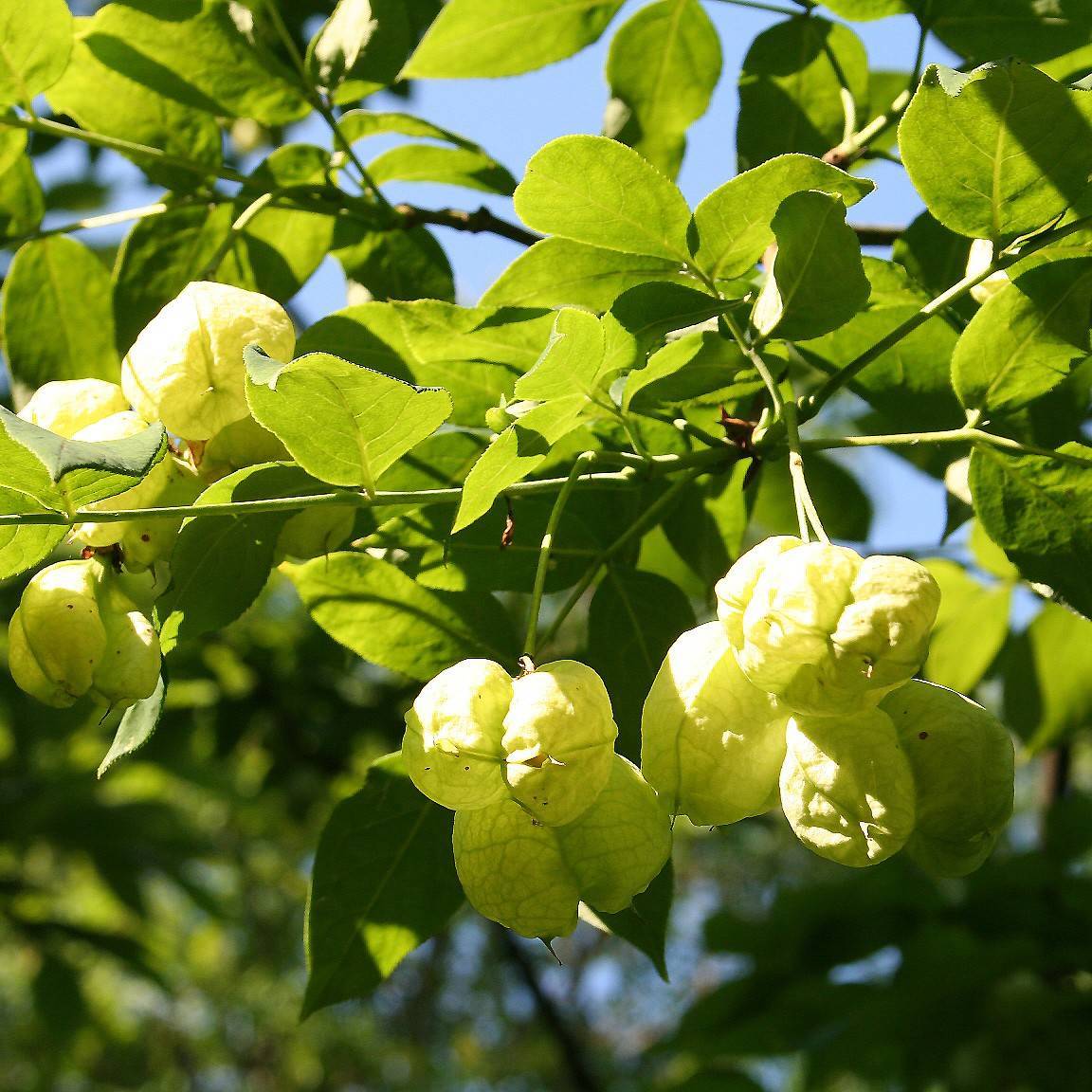
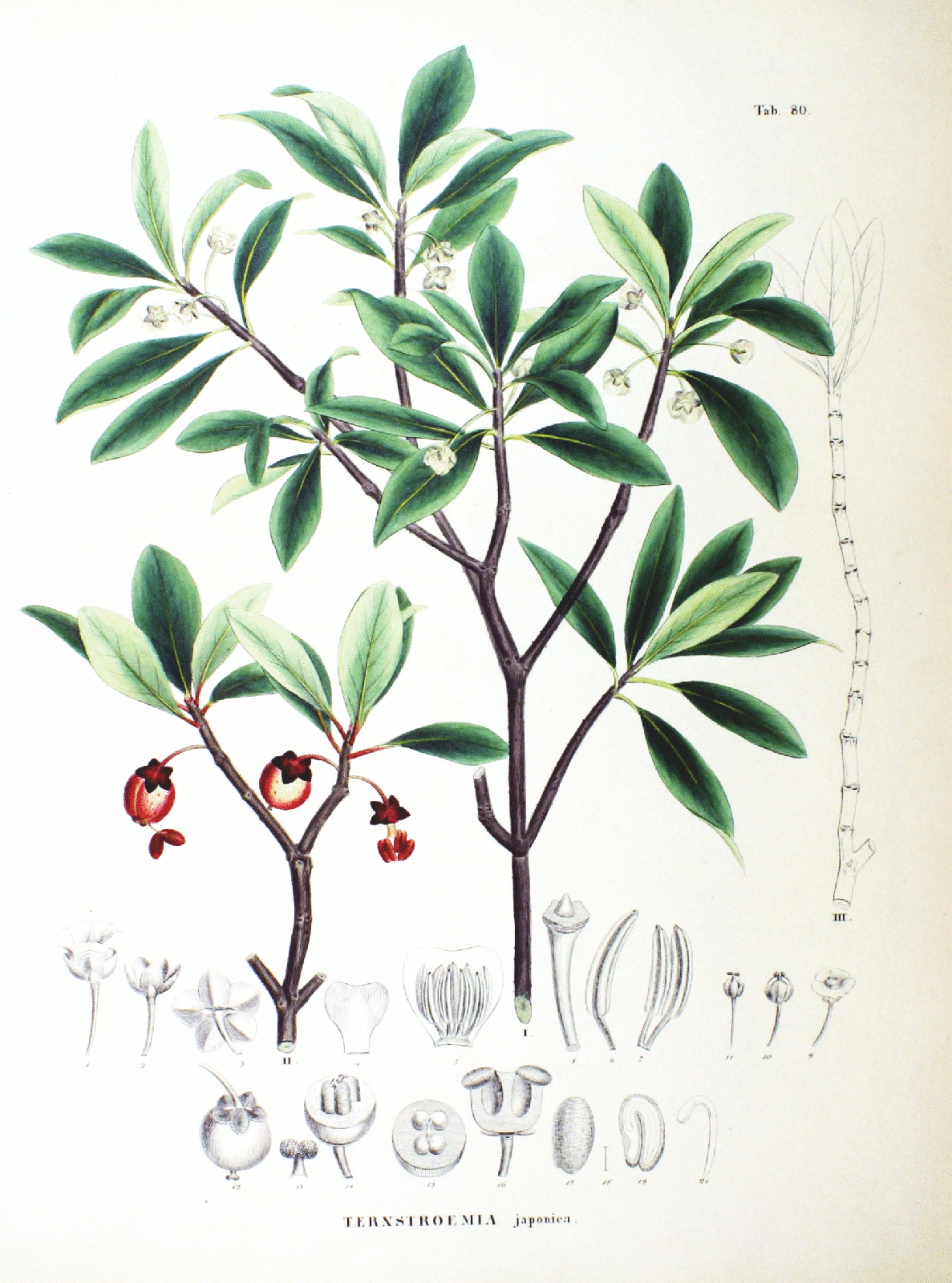
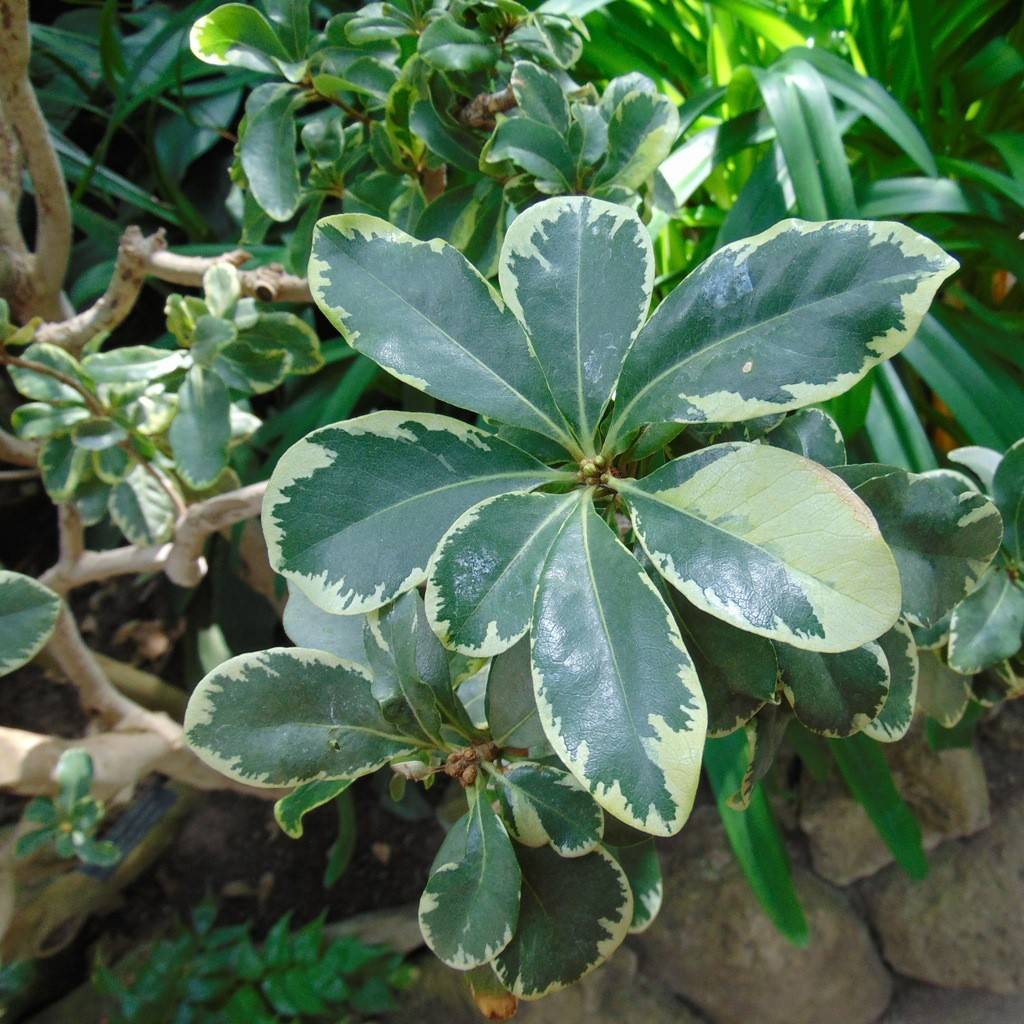
Japanese Ternstroemia, also commonly called Japanese cleyera, is a slow-growing evergreen shrub valued for its tidy, rounded growth habit and year-round visual appeal. Its leathery, dark green leaves are often tinged bronze or red when new, and small, creamy-yellow, fragrant flowers appear in late spring, followed by decorative dark red berries in fall that persist into winter. Highly tolerant of pruning and urban conditions, it is a popular low-maintenance alternative to boxwood in warmer climates where boxwood blight is a concern.
Care Guide
Watering
Water newly planted Japanese Ternstroemia regularly to keep the soil consistently moist but not waterlogged for the first 1-2 years, until the root system is fully established. Mature plants are drought tolerant, requiring supplemental watering only during extended periods of dry, hot weather, as overwatering can lead to root rot. Avoid wetting the foliage when watering to reduce the risk of fungal leaf spot diseases.
Light
This shrub thrives in partial shade to full sun, though it benefits from protection from intense, direct midday sun in regions with very hot summers to prevent leaf scorch. In cooler parts of its growing range, it can tolerate full sun exposure year-round with no adverse effects, producing denser foliage and more abundant blooms. Too much deep shade will result in sparse, leggy growth and reduced flower and berry production.
Soil
Japanese Ternstroemia prefers well-drained, acidic to slightly neutral soil with a pH range of 5.0 to 7.0, though it can adapt to mildly alkaline soils if organic matter is added at planting time. It tolerates a range of soil textures, including sandy loam, loam, and clay, as long as the site does not retain standing water after rainfall. Amend heavy or nutrient-poor soil with compost or aged pine bark before planting to improve drainage and add organic content.
Fertilizer
Feed established plants once per year in early spring, before new growth emerges, using a slow-release, balanced granular fertilizer formulated for acid-loving evergreen shrubs. Avoid fertilizing after mid-summer, as this can stimulate tender new growth that is vulnerable to damage from early fall frosts. Over-fertilization can lead to excessive, weak growth and increased susceptibility to pest infestations, so follow product label rates carefully.
Temperature
This species is hardy in USDA zones 7 to 10, tolerating minimum winter temperatures down to 0°F (-18°C) once fully established. Young plants may require a layer of mulch around the root zone and temporary frost protection during harsh winter conditions in the colder parts of its range to prevent cold injury. It tolerates high heat and humidity well, making it suitable for planting in southern coastal and subtropical regions.
Pruning
Prune Japanese Ternstroemia in late winter or early spring, before new growth begins, to maintain its desired shape and size, or to thin out dense inner foliage to improve air circulation. It responds very well to heavy pruning, making it an excellent choice for formal hedges, topiaries, or shaped foundation plantings. Remove any dead, damaged, or diseased branches as soon as they are noticed, regardless of the season, to keep the plant healthy.
Propagation
The most common method of propagation for home gardeners is semi-hardwood cuttings taken in late summer or early fall, from current-year growth that has partially matured. Dip cut ends in rooting hormone, plant in a well-drained, sterile rooting medium, and keep under high humidity with indirect light until roots form, which typically takes 6-8 weeks. It can also be grown from seed, though seeds require cold stratification for 2-3 months to germinate, and plants grown from seed may take several years to reach flowering size.
Humidity
Japanese Ternstroemia adapts well to a wide range of humidity levels, thriving in the moderate to high humidity of its native East Asian habitat as well as the drier conditions found in inland temperate regions. It does not require any supplemental humidity when grown outdoors in suitable climates, and tolerates occasional dry air very well. When grown as a container plant indoors, average household humidity levels are sufficient, though it benefits from occasional misting during very dry winter heating periods.
Repotting
If grown as a container plant, repot Japanese Ternstroemia every 2-3 years in early spring, before new growth starts, moving it to a pot just 1-2 inches larger in diameter than the current one to avoid excess soil that holds too much moisture. Use a well-drained, acidic potting mix formulated for evergreen shrubs, such as a mix containing pine bark, perlite, and peat moss. Ensure the pot has ample drainage holes, and avoid planting it deeper than it was in its previous container to prevent stem rot.
Uses & Symbolism
Japanese Ternstroemia is most widely used as an ornamental landscaping plant for formal or informal hedges, foundation plantings, mass plantings, or as a standalone specimen shrub in residential and commercial landscapes. Its dense, evergreen foliage makes it an excellent privacy screen or windbreak, and its tolerance of urban pollution and salt spray makes it suitable for planting along roadsides and in coastal gardens. The flowers are attractive to pollinators including bees and butterflies, and the fall berries provide food for native bird species during the winter months.
Diseases & Pests
The most common diseases affecting Japanese Ternstroemia are fungal leaf spot and root rot, both of which are caused by overwatering, poor drainage, or excessive moisture on foliage for extended periods. It is also occasionally susceptible to scale insects, aphids, and spider mites, which can be controlled with horticultural oil or insecticidal soap applied at the first sign of infestation. It has very high resistance to boxwood blight, a common fungal disease that affects many popular hedging species, making it a valuable alternative for regions where this disease is prevalent.
Related plants
Other plants you might like if you grow Japanese Ternstroemia.
%22%2F%3E%0A%20%20%20%20%20%20%3Ccircle%20cx%3D%22920%22%20cy%3D%22180%22%20r%3D%2290%22%20fill%3D%22%23cfe8d5%22%2F%3E%0A%20%20%20%20%20%20%3Cpath%20d%3D%22M600%20590c-90-180-215-255-310-280%200%20165%20118%20296%20270%20296h40z%22%20fill%3D%22%2379b88e%22%2F%3E%0A%20%20%20%20%20%20%3Cpath%20d%3D%22M600%20590c80-150%20198-212%20302-228-8%20142-123%20255-270%20255h-32z%22%20fill%3D%22%235c9f73%22%2F%3E%0A%20%20%20%20%20%20%3Cpath%20d%3D%22M600%20610V360%22%20stroke%3D%22%234f8c64%22%20stroke-width%3D%2218%22%20stroke-linecap%3D%22round%22%2F%3E%0A%20%20%20%20%20%20%3Ctext%20x%3D%22600%22%20y%3D%22700%22%20text-anchor%3D%22middle%22%20font-family%3D%22Arial%2C%20sans-serif%22%20font-size%3D%2244%22%20fill%3D%22%23365c45%22%3E%0A%20%20%20%20%20%20%20%20Plant%20image%20coming%20soon%0A%20%20%20%20%20%20%3C%2Ftext%3E%0A%20%20%20%20%3C%2Fsvg%3E%0A%20%20)