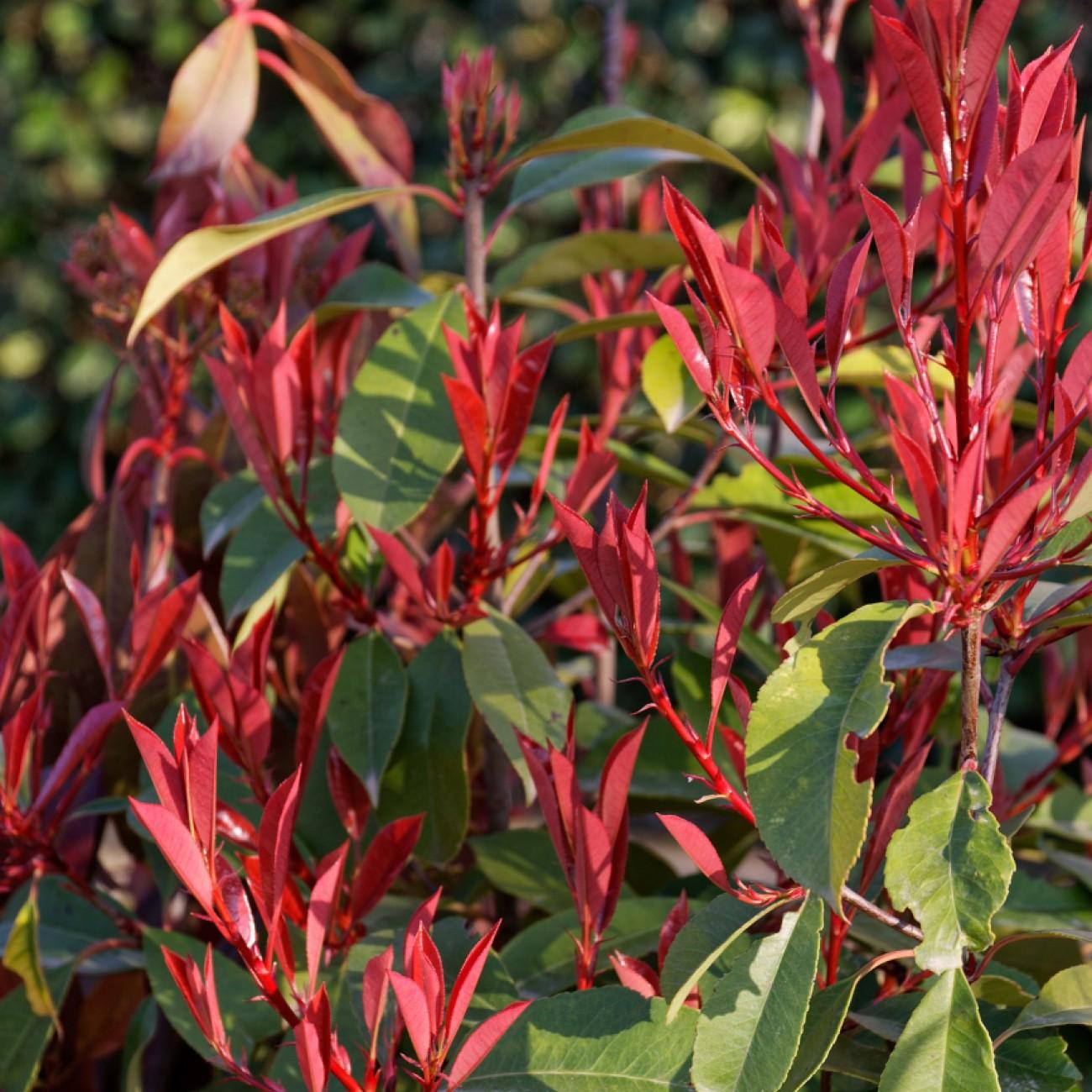
Fraser Photinia
Photinia × fraseri
Overview
Fraser Photinia is a fast-growing interspecific hybrid between Photinia glabra and Photinia serratifolia, first cultivated in the southern U.S. in the 1940s. It is celebrated for its striking color contrast: bright coppery-red young leaves mature to a deep, glossy dark green, with clusters of small white spring flowers followed by small red berries in fall. Its dense, upright growth habit makes it a top choice for privacy screens, hedges, and accent plantings in temperate landscapes.
Care Guide
Watering
Water newly planted Fraser Photinia deeply once or twice weekly to establish a strong root system, keeping soil consistently moist but not waterlogged. Once established, it is moderately drought-tolerant, requiring supplemental watering only during extended periods of heat or little rainfall, reducing frequency in winter. Avoid overhead watering to minimize leaf spot risk.
Light
Thrives in full sun to partial shade, with at least 6 hours of direct sunlight daily to encourage the brightest red new growth and densest foliage. It can tolerate light shade, but growth may become sparse, and the vibrant red spring color will be less intense. In extremely hot climates, light afternoon shade can prevent leaf scorch.
Soil
Adaptable to a wide range of well-drained soil types, including loam, sand, and clay, preferring a slightly acidic to neutral pH between 6.0 and 7.5. It does not tolerate waterlogged or poorly drained soil, which can lead to root rot, so amend heavy clay soils with compost or sand to improve drainage before planting. Adding organic mulch around the base helps retain moisture and regulate soil temperature.
Fertilizer
Feed in early spring before new growth emerges using a balanced, slow-release granular fertilizer formulated for shrubs, such as a 10-10-10 NPK blend, to support healthy foliage and growth. Avoid fertilizing late in the growing season, as this can stimulate tender new growth that is vulnerable to frost damage in cooler climates. Over-fertilization can lead to excessive lush growth that is more susceptible to fungal diseases.
Temperature
Hardy in USDA zones 7 through 9, tolerating minimum winter temperatures down to 0°F (-18°C) once established. It thrives in average summer temperatures between 60°F and 90°F (15°C to 32°C), though extreme heat above 95°F (35°C) can cause temporary leaf scorch if not watered adequately. Young plants should be protected from harsh winter winds and frost with burlap wraps or mulch in colder parts of its range.
Pruning
Prune in late winter or early spring before new growth appears to shape the shrub, maintain hedge height, and remove dead, damaged, or diseased branches. Light trimming of new growth in spring and summer can encourage more of the vibrant red new foliage, but avoid heavy pruning after mid-fall to prevent tender growth from being damaged by frost. Always sanitize pruning tools between cuts to reduce the spread of fungal leaf spot.
Propagation
Most commonly propagated via semi-hardwood cuttings taken in mid to late summer, from healthy, current-season growth that is just starting to harden. Dip cut ends in rooting hormone, plant in a well-drained peat-perlite mix, and keep under high humidity with indirect light until roots form in 4 to 8 weeks. It can also be grown from seed, but seeds require cold stratification and will not grow true to the parent hybrid cultivar.
Humidity
Adaptable to average ambient humidity levels between 40% and 70%, which is typical of its preferred growing regions. High humidity combined with poor air circulation increases the risk of fungal leaf spot, so space plants adequately when planting hedges to allow for airflow around foliage. It tolerates low humidity well, making it suitable for drier temperate areas provided it receives enough water.
Repotting
Fraser Photinia is primarily grown in landscape plantings, but if kept in large containers, repot every 2 to 3 years in early spring before new growth begins, using a well-drained potting mix with added perlite or bark for drainage. Choose a pot that is 2 to 3 inches larger in diameter than the current container, with ample drainage holes to prevent root rot. Once the plant reaches its desired mature size, top-dress annually with fresh potting mix instead of repotting to avoid disturbing the root system.
Uses & Symbolism
Widely planted as a fast-growing privacy hedge, screen, or windbreak in residential and commercial landscapes, valued for its year-round evergreen foliage and rapid fill-in rate. It is also used as a standalone accent shrub, foundation planting, or border plant, with its bright red new growth adding seasonal color to gardens. The small white flowers attract pollinators such as bees, and the fall red berries provide food for native bird species.
Diseases & Pests
The most common issue is Entomosporium leaf spot, a fungal disease that causes red or brown spots on foliage, leading to defoliation in severe cases, spread by overhead watering and high humidity. Pests include aphids, scale insects, and spider mites, which feed on sap and can cause leaf yellowing or stunted growth, easily controlled with horticultural oil or insecticidal soap. Root rot can occur in poorly drained, waterlogged soil, so proper site selection and watering practices are critical to prevent this fatal condition.
Related plants
Other plants you might like if you grow Fraser Photinia.
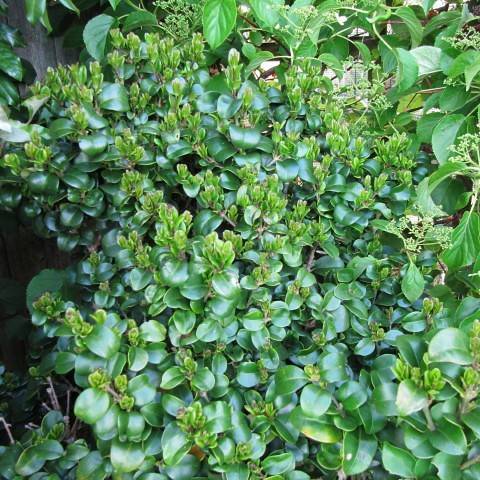
Japanese Privet
Ligustrum japonicum
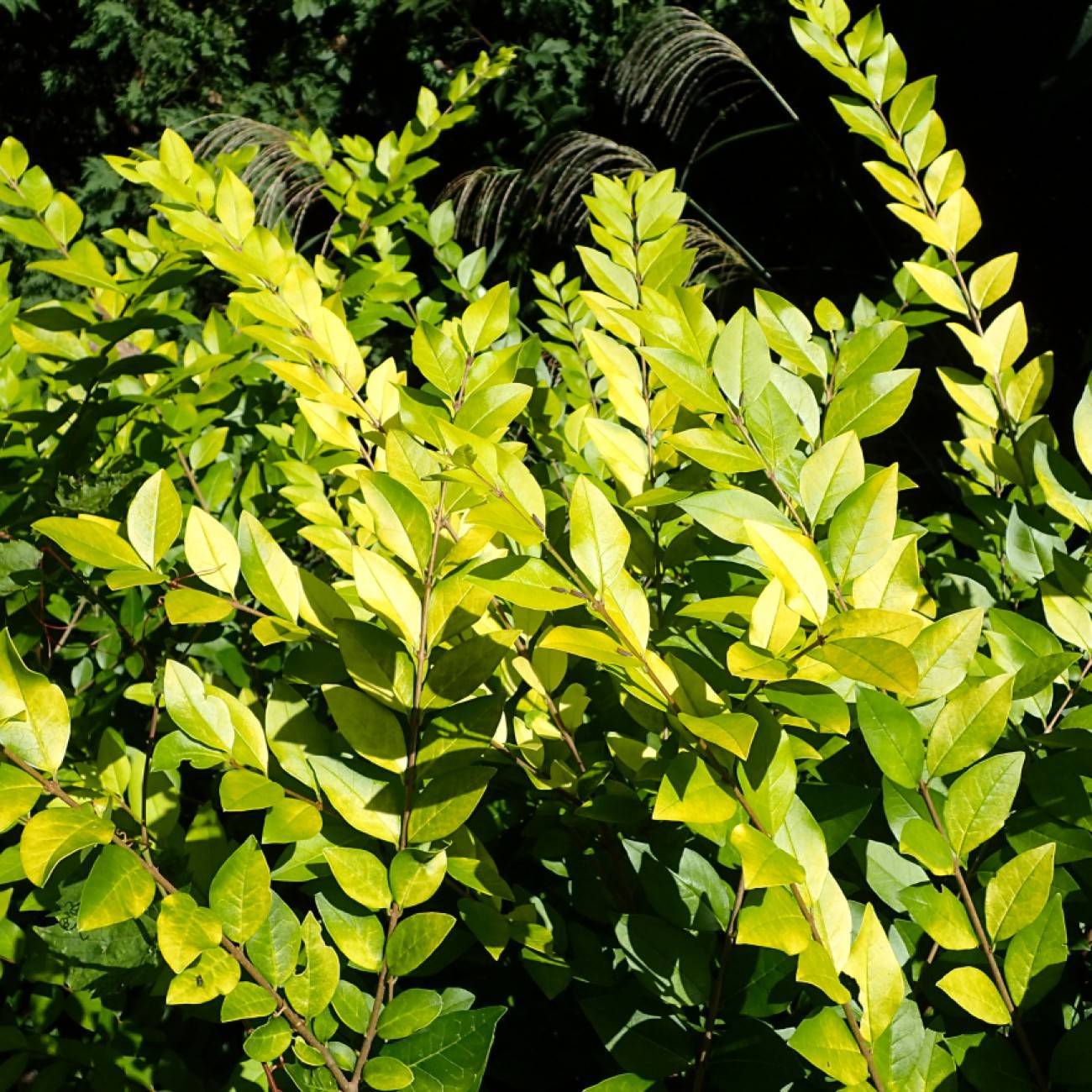
Golden Privet
Ligustrum ovalifolium 'Aureum'
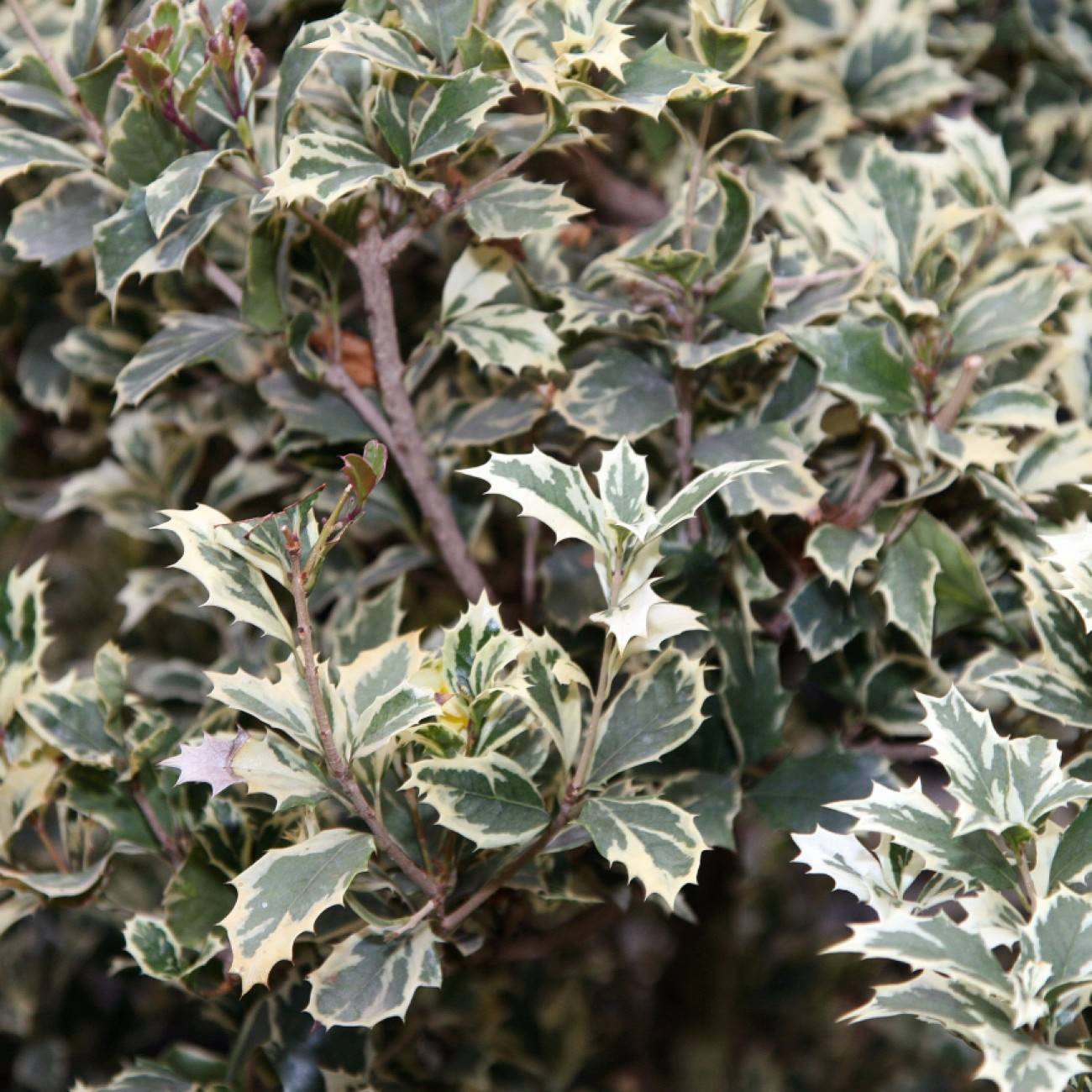
Holly Olive
Osmanthus heterophyllus
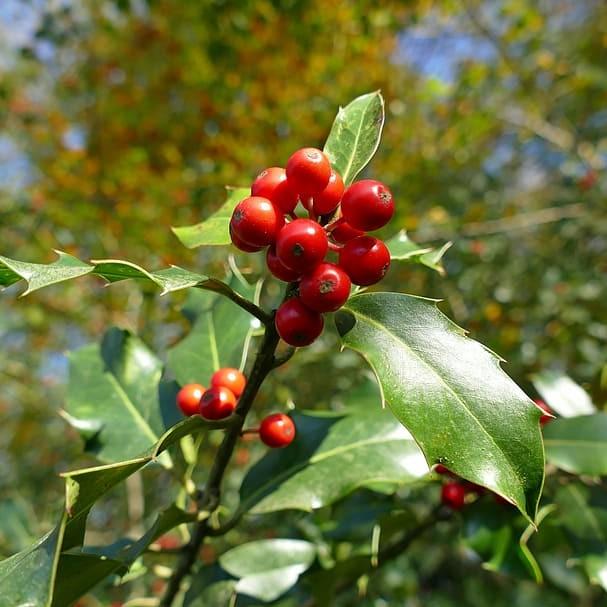
Dwarf Holly
Ilex crenata 'Compacta'
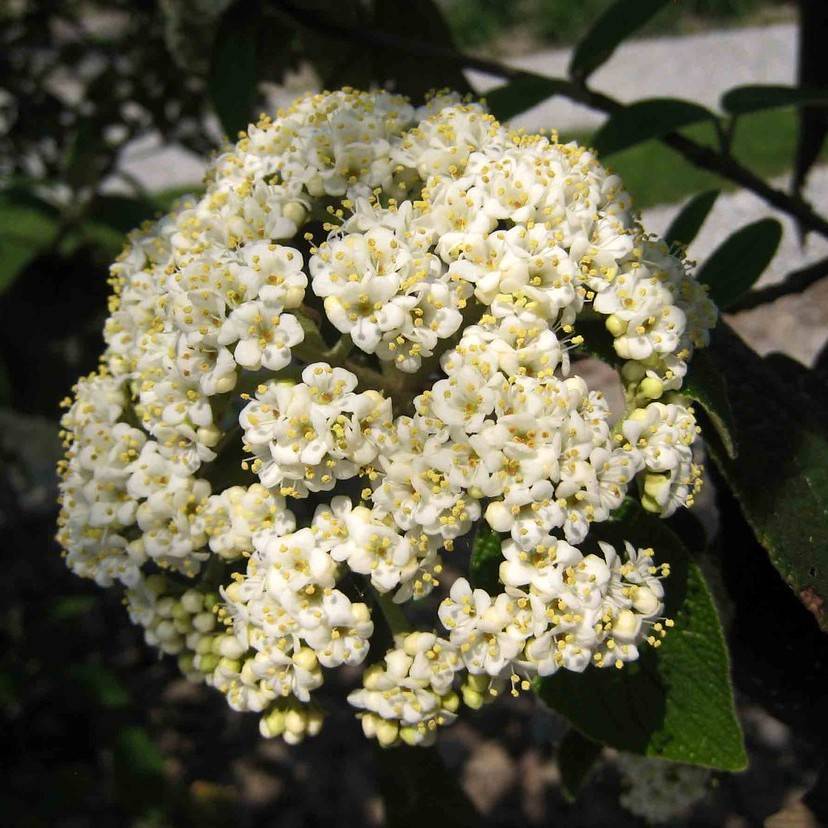
Lantanaphyllum Viburnum
Viburnum rhytidophyllum 'Lanatanaphyllum'
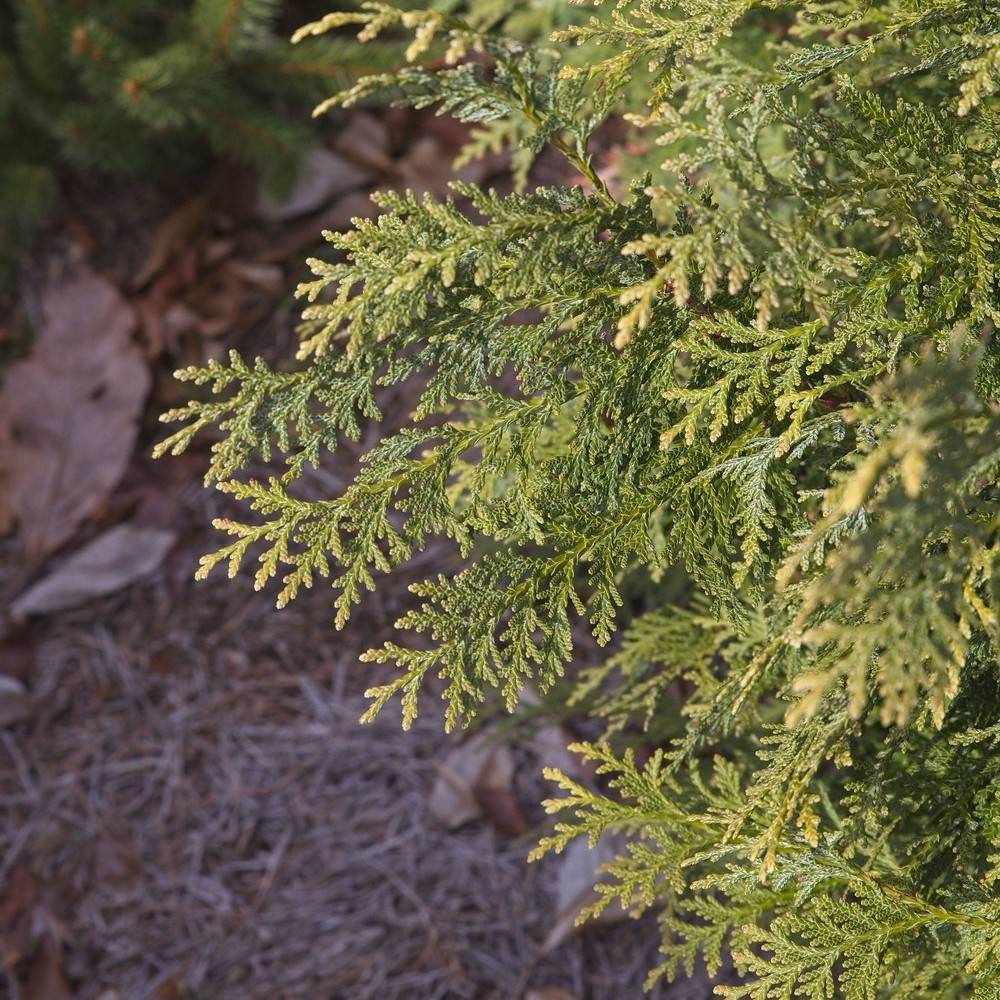
Korean Arborvitae
Thuja koraiensis
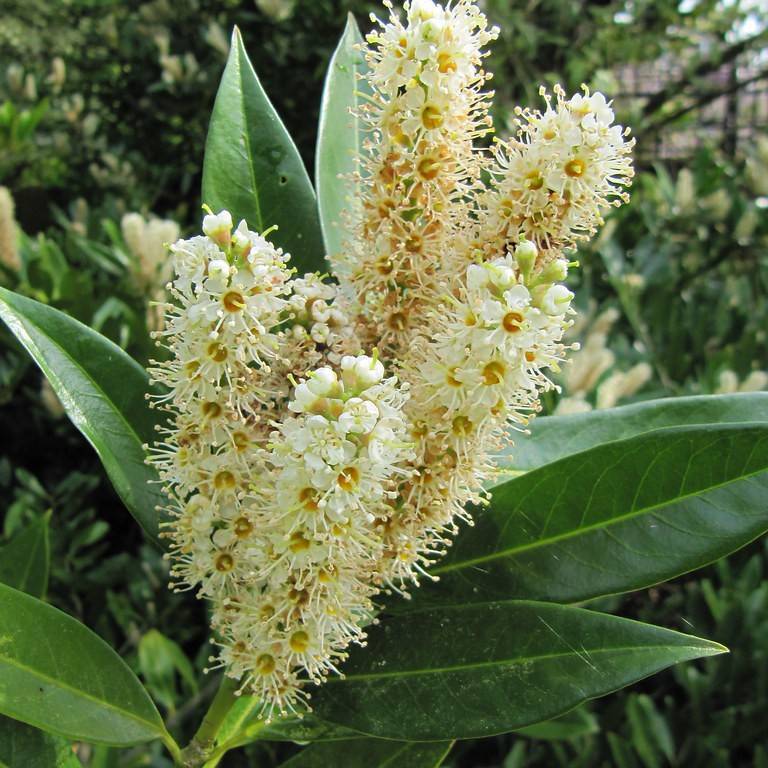
Cherry Laurel
Prunus laurocerasus
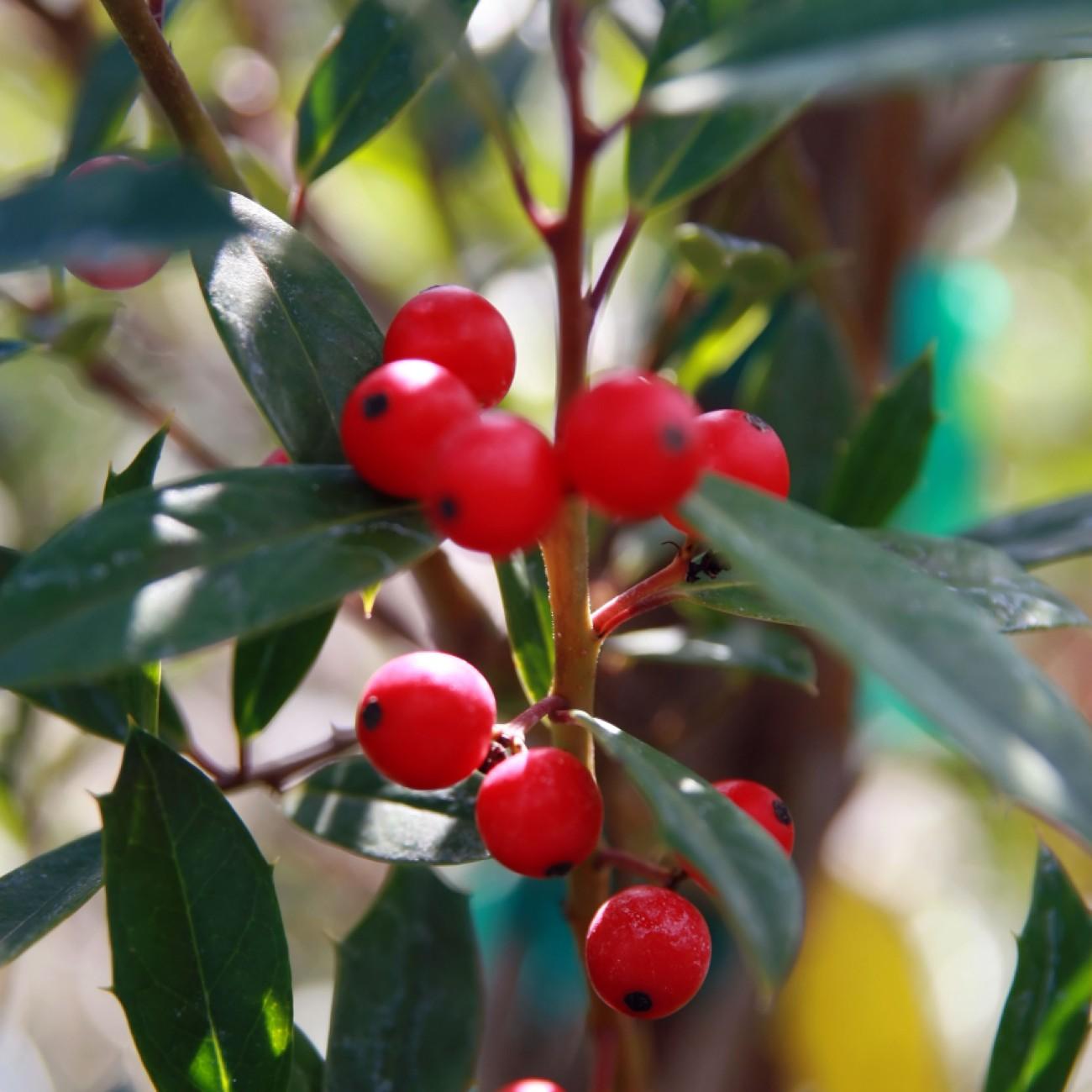
Foster Holly
Ilex × attenuata 'Fosteri'